#Anthropic
共 265 篇相关文章
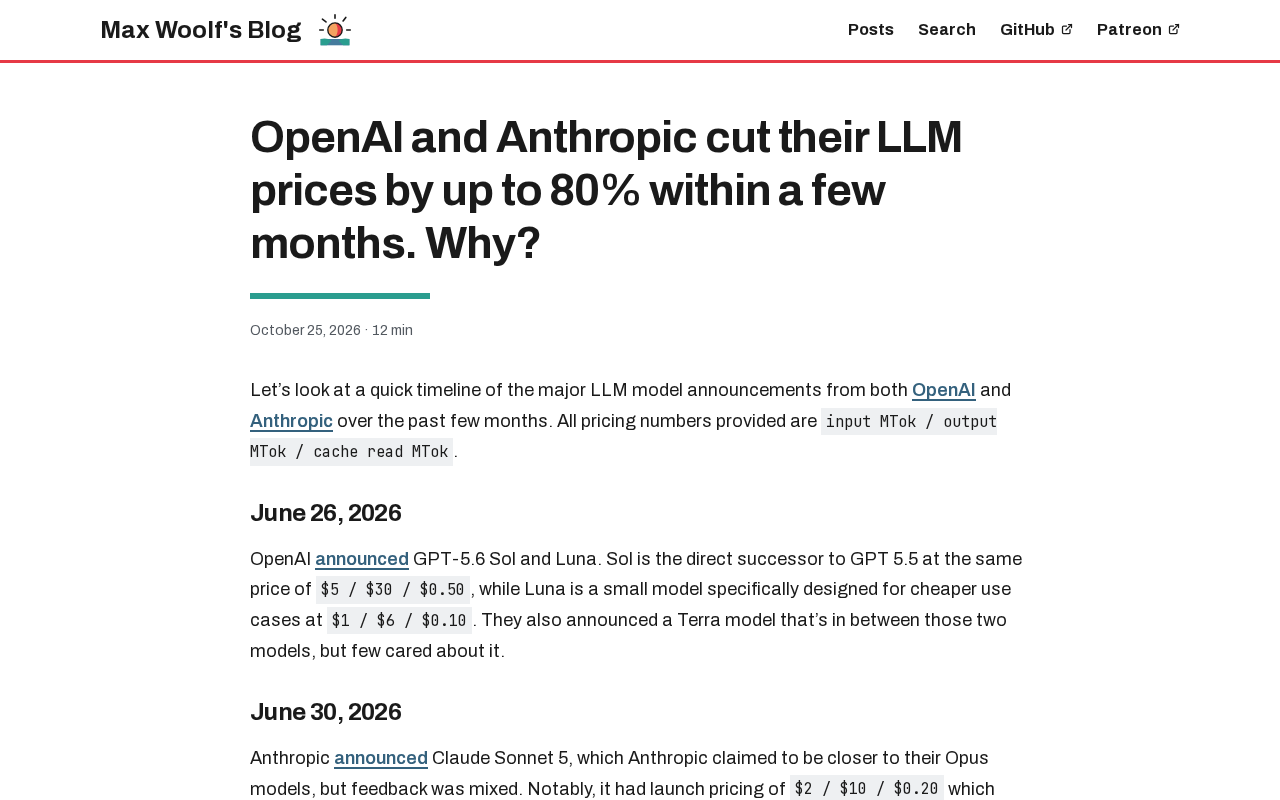
大模型价格战:OpenAI与Anthropic为何降价80%?
OpenAI和Anthropic在几个月内将LLM价格下调高达80%,本文分析价格战背后的竞争、技术成本、商业模式转变及行业影响。
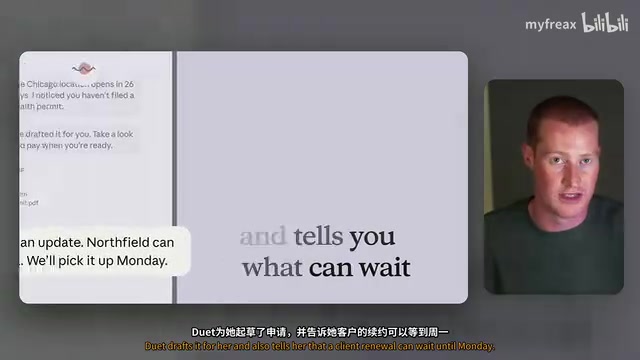
Anthropic发布Claude Duet:个人AI智能体深度解析
Anthropic发布个人AI智能体Claude Duet,本文解析其主动式简报、云端电脑、6000+连接器、安全机制与共享额度限制,并对比Grokbot的多智能体差异与模型选择权之争。

Anthropic SDK v2.3.0 发布:Claude 标签端点与多项内部重构
Anthropic SDK v2.3.0 发布:新增面向 Claude Enterprise 组织的 Claude Tag 端点,修复 Google Cloud 用户档案请求端点,重构客户端查询参数处理,并完善代码执行工具、用量报告等文档描述。

Anthropic IPO前,早期投资人账面回报有多高?
Anthropic IPO前早期投资人账面回报引发关注。本文分析其纸面收益来源、资本结构、IPO预期下的博弈与风险,以及对AI创业生态的启示。

Claude Pro不含API权限?Max与Team计划新增API额度详解
Claude Pro订阅不含API访问权限,API需单独计费。但Max和Team计划现已包含每月API额度:Max 5x为100美元,Max 20x为200美元,Team每席位最高合计500美元。本文详解各档位额度、领取方式及对开发者的影响。

Anthropic自建源代码控制系统Scion:日处理3万PR背后的性能困局
Anthropic因Git在每天3万个PR的规模下出现性能问题,自研源代码控制系统Scion并拒绝开源。本文解析其性能困局、自研动机与对AI工程基础设施的启示。
Anthropic推出Claude Duet:主动式AI代理来了
Anthropic 发布主动式 AI 代理应用 Claude Duet,由 Claude Opus 5.5 驱动,运行在云端独立计算机上,每日推送简报,执行邮件或支付前需用户批准。本文解析其工作方式、与 Meta Muse、OpenAI Dots 的竞争格局,以及共享用量额度带来的成本限制。
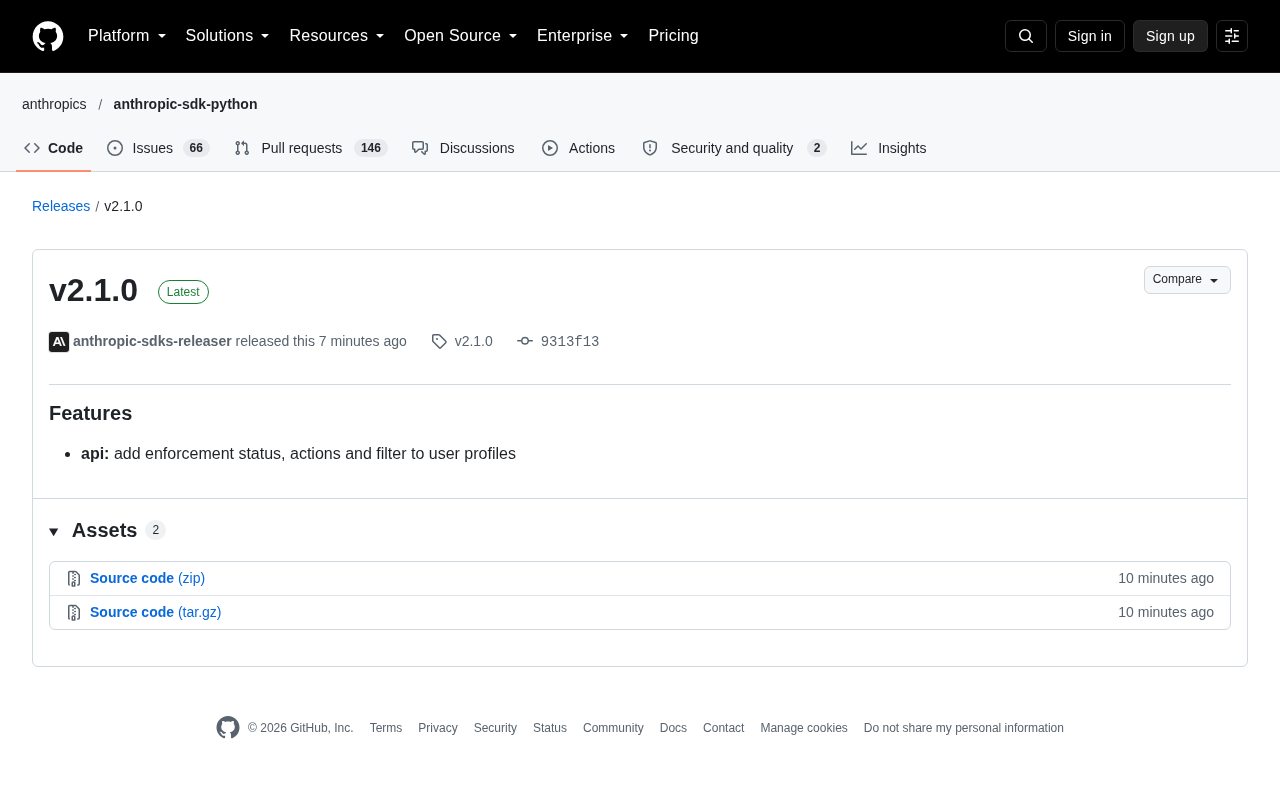
Anthropic API 更新 v2.1.0:用户画像新增强制状态与过滤
Anthropic SDK 发布 v2.1.0,API 层为用户画像新增 enforcement status、actions 与 filter 能力。本文梳理更新要点、对开发者的影响与升级建议。

Claude Duet 亮相:Anthropic 推出主动型个人助理
Anthropic 推出个人助理 Claude Duet,定位主动型 Agent,被视为对 Muses、Bots 和 Dots 的回应。本文分析其产品定位、竞争背景、主动型 Agent 的技术门槛及对个人助理市场的影响。

Anthropic「巴拿马计划」曝光:图书扫描训练AI引争议
法国TF1记者在Reddit寻找Anthropic「巴拿马计划」前员工,该项目涉及图书数字化训练AI。本文梳理项目已知信息、版权争议与行业数据透明度问题。

Anthropic长期利益信托迎来哈佛物理学家Christopher Stubbs
Anthropic长期利益信托新增成员:哈佛大学前理学院院长、实验物理学家Christopher Stubbs博士。本文解析其跨界履历如何强化AI安全治理,以及长期利益信托的制度意义。

Claude Code团队七层审查法:AI写代码,人管什么?
Anthropic 披露 Claude Code 团队代码审查实践:九成代码由 AI 编写,PR 量翻倍但回滚率降四成。七层审查防线如何运作、人工批准如何按风险分级、审查轮数如何收敛,以及人的工作转向哪些机器不擅长的判断。

Claude Code 六层代码审查系统全解析:REVIEW.md 与 AI 审查实践
解析 Anthropic Claude Code 的 REVIEW.md 与六层代码审查系统:AI 并行审查、风险分级审批、50 轮审查循环陷阱,以及普通团队可借鉴的落地实践。

Anthropic的807亿美元"亏损":会计魔术还是真实危机?
Anthropic 807亿美元亏损引发热议,Reddit社区指出其中720亿来自可转换票据的会计调整而非现金流出。160亿收入对90亿算力成本透露出健康毛利率,本文梳理社区对AI公司财务数据的深度拆解。

Anthropic云合作陷入泥潭:算力争夺与IPO前的隐忧
Anthropic在IPO前遭遇云合作困局:云厂商既是投资方又是竞争对手,算力获取困难,基础设施支出膨胀,揭示AI模型公司的算力依赖风险。

Anthropic半年亏损超800亿美元:AI烧钱模式的警钟
Anthropic在2026年上半年录得超800亿美元净亏损,Hacker News社区热议。本文分析这一亏损量级的成本结构、收入困境及对大模型行业竞争格局的影响。
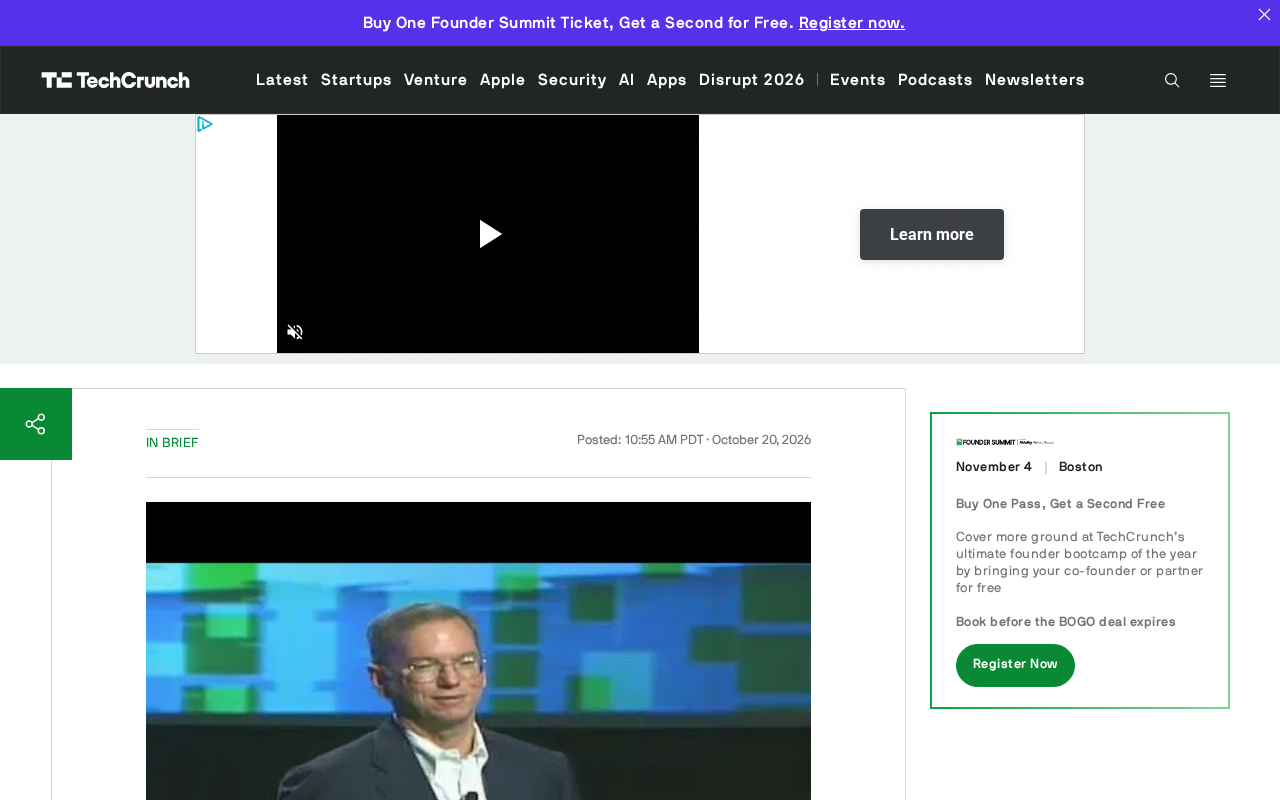
施密特被曝持有Anthropic约1%股份 身家直逼CEO阿莫迪
Bloomberg报道称,前谷歌CEO埃里克·施密特持有Anthropic约1%股份,约为CEO达里奥·阿莫迪持股的一半。本文分析这笔持股的量级、背后逻辑及其对AI资本格局的信号意义。

Nscale与Anthropic再谈450亿美元算力大单
Nscale与Anthropic据报正讨论第二笔450亿美元算力协议,继8月首笔同规模交易后再加码。本文分析交易背景、Nscale的供应商定位、算力锁定模式的风险,以及对AI基础设施行业的连带影响。
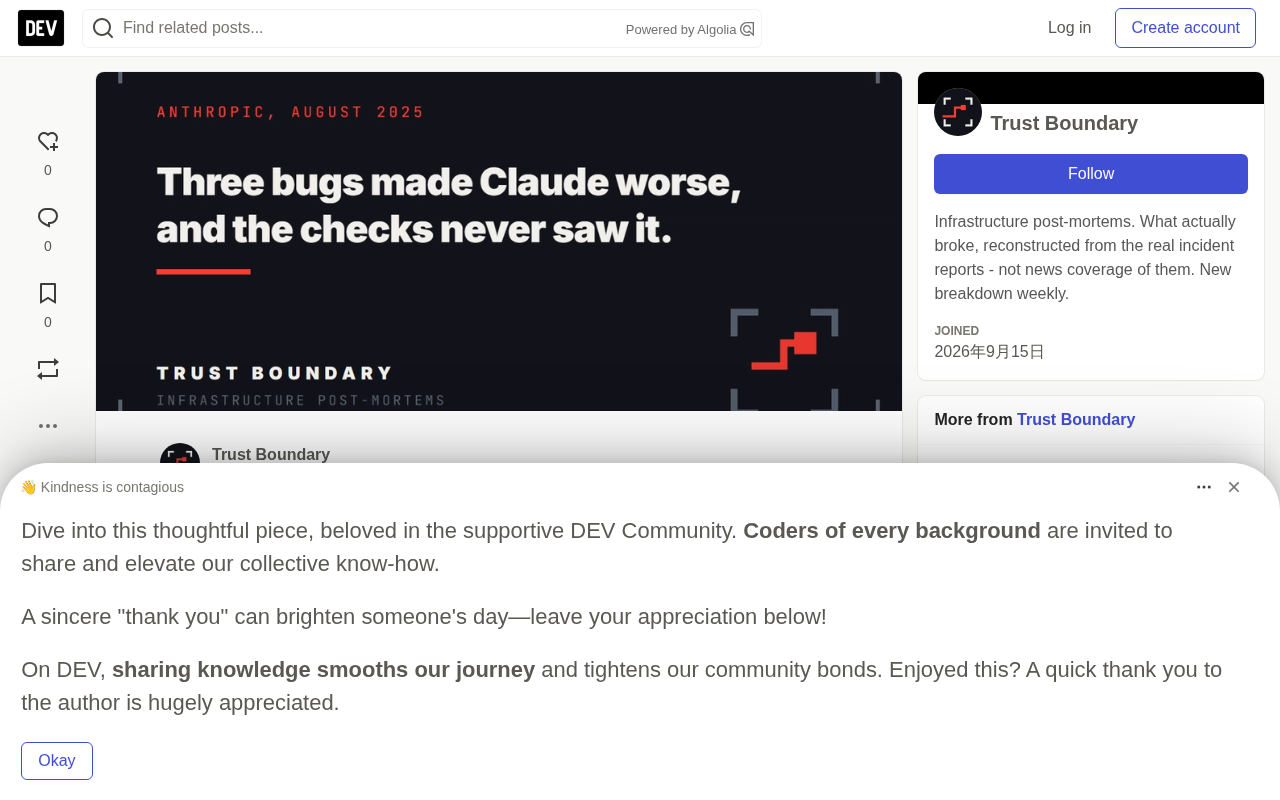
三个Bug让Claude变差,监控却全程没发现
Anthropic复盘三个导致Claude回答质量下降的基础设施Bug:错误路由、token生成错误与TPU编译器隐藏缺陷。最严重时16%的Sonnet 4请求受影响,但所有检查均通过。本文拆解事件细节、延迟发现原因及对基础设施团队的启示。

Anthropic拟IPO前设公益基金,5%股权能否化解AI舆论危机?
Anthropic在IPO前宣布将5%股份划入公益基金,并设计估值挂钩的动态增配机制。本文拆解其股权划拨、动态贡献与信任建设三层设计,分析股东批准、基线透明度与监管三大暗礁,评估这一举措能否真正化解AI公众舆论危机。