Vercel AI SDK Update: sandbox-just-bash Patch Release
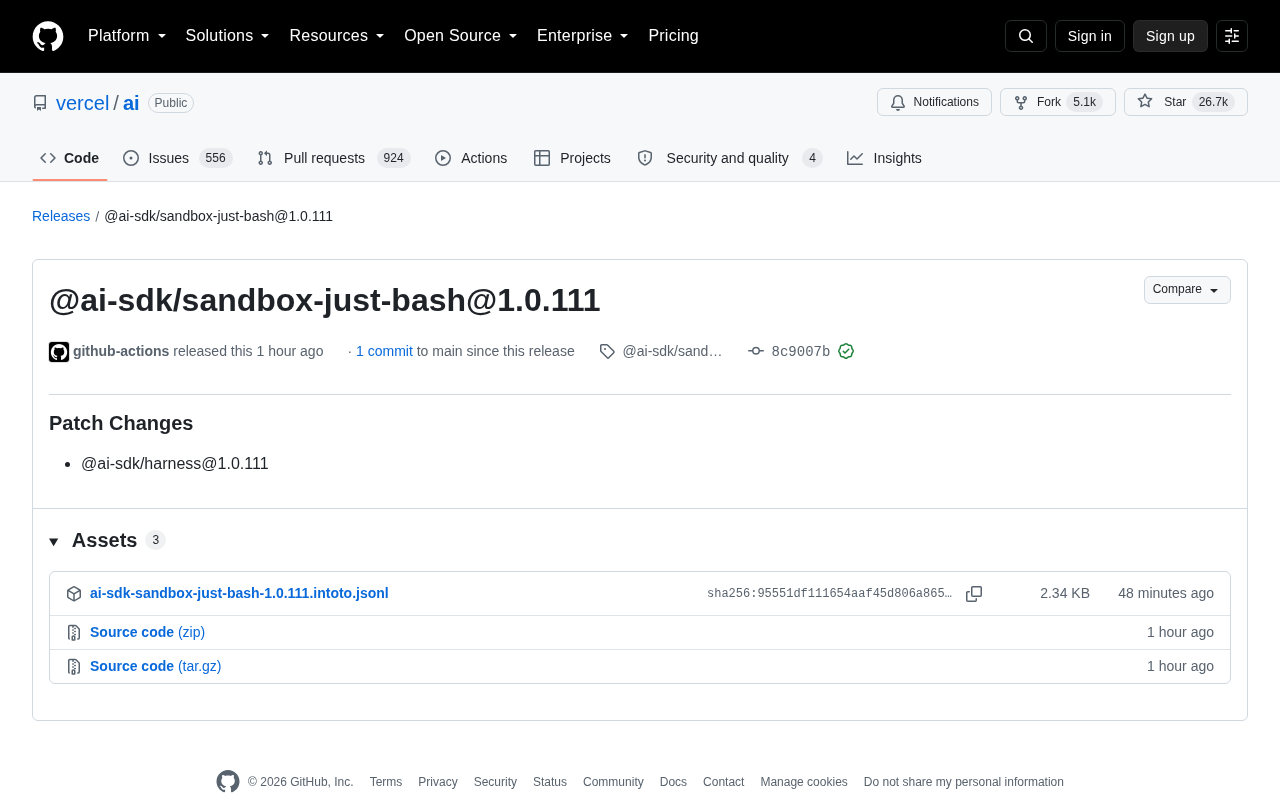
Vercel AI SDK releases a low-risk sandbox-just-bash patch update with dependency alignment.
Vercel's official AI SDK repository has released a patch update for `@ai-sdk/sandbox-just-bash@1.0.111`, with the core change being a synchronized upgrade of the `@ai-sdk/harness` dependency to the same version. The `sandbox-just-bash` module enables AI agents to safely execute bash commands in an isolated sandbox environment, while `harness` serves as the underlying runtime framework. This is a SemVer Patch-level release with no breaking changes, focused on internal dependency alignment — making it a low-risk upgrade for developers.
Overview
This article covers a release entry from the Vercel official AI repository (vercel/ai), specifically the patch version update for @ai-sdk/sandbox-just-bash@1.0.111. The repository is an open-source AI SDK project maintained by Vercel, currently boasting approximately 26,700 stars and 5,100 forks on GitHub — making it one of the most widely adopted toolkits for building AI-powered applications.
This release was automated via GitHub Actions, with a commit bearing a verified GitHub signature (GPG key ID: B5690EEEBB952194) and a commit hash of 8c9007b. It represents a routine patch-level update.
Note: The original source material is limited to a single changelog entry, which does not cover the full functional details of the component. The following content is based on publicly available information.
What Changed
According to the release notes, the core change in @ai-sdk/sandbox-just-bash@1.0.111 falls under Patch Changes, with its dependency updated in sync to @ai-sdk/harness@1.0.111.
Patch versions typically indicate no breaking changes and no significant new features — instead, they focus on internal dependency alignment, bug fixes, or stability improvements. For developers currently using this component, upgrading to this version is generally safe and recommended.
From the naming, sandbox-just-bash points to a capability module related to executing bash commands within a sandboxed environment — a common pattern in scenarios where AI agents (Agents) need to run shell instructions in a controlled setting. harness, as its dependency, typically serves as a testing or runtime framework. The fact that both share the same version number indicates they are managed and released together within the same release pipeline.
Semantic Versioning (SemVer) is a widely adopted versioning convention in the open-source ecosystem, following the format MAJOR.MINOR.PATCH. A Patch increment indicates only backward-compatible bug fixes; a Minor increment signals new backward-compatible features; and a Major increment means there are incompatible breaking changes. The update of @ai-sdk/sandbox-just-bash from 1.0.110 to 1.0.111 is a classic Patch update — developers need not worry about significant changes to APIs or behavior. Keeping version numbers synchronized across Vercel AI SDK sub-packages is also a common practice in monorepo management, making unified releases and dependency tracking easier.
About Vercel AI SDK
Vercel AI SDK is a set of tooling libraries designed to help developers rapidly build AI-powered applications, covering model invocation, streaming responses, tool calling, and agent execution, among other capabilities. Its modular package structure (the @ai-sdk/* family) allows developers to import only the functionality they need.
Sandbox components hold particular significance in the AI Agent space: when a large language model needs to actually execute code or commands, an isolated sandbox environment effectively reduces security risks, preventing uncontrolled instructions from directly affecting the host system. This has become one of the key focus areas for Agent frameworks in recent years.
Tool Calling is one of the core capabilities of modern AI SDKs. It refers to the ability of a large language model, during response generation, to recognize when an external tool needs to be invoked (e.g., executing code, querying a database, calling an API) and output the call parameters in a structured format — which the host program then actually executes before returning the results to the model. sandbox-just-bash is a concrete implementation of this mechanism: it provides AI Agents with an isolated bash execution environment, enabling models to safely run shell commands and retrieve output without affecting the host system. Sandbox isolation is typically achieved through technologies such as containers (e.g., Docker), virtual machines, or OS-level namespaces — forming a foundational piece of infrastructure for AI code execution scenarios (Code Interpreter).
Recommendations for Developers
For teams relying on Vercel AI SDK, here are a few points worth noting:
- Version alignment: Since
sandbox-just-bashandharnessuse synchronized version numbers, it is recommended to keep both at the same version when upgrading to avoid dependency conflicts. - Patch upgrade assessment: Patch versions carry low risk, but it is still advisable to validate in a test environment before deploying to production.
- Review the full changelog: This release note is fairly brief. For specific fix details, refer directly to the full commit history and release notes in the GitHub repository.
Summary
This is a routine patch release within the Vercel AI SDK ecosystem, primarily completing dependency version alignment and internal maintenance. While the impact of a single update is limited, it reflects Vercel's consistent, high-frequency maintenance cadence across AI SDK components. For developers actively using this SDK, keeping an eye on official repository release activity helps ensure timely access to fixes and improvements.
Related articles
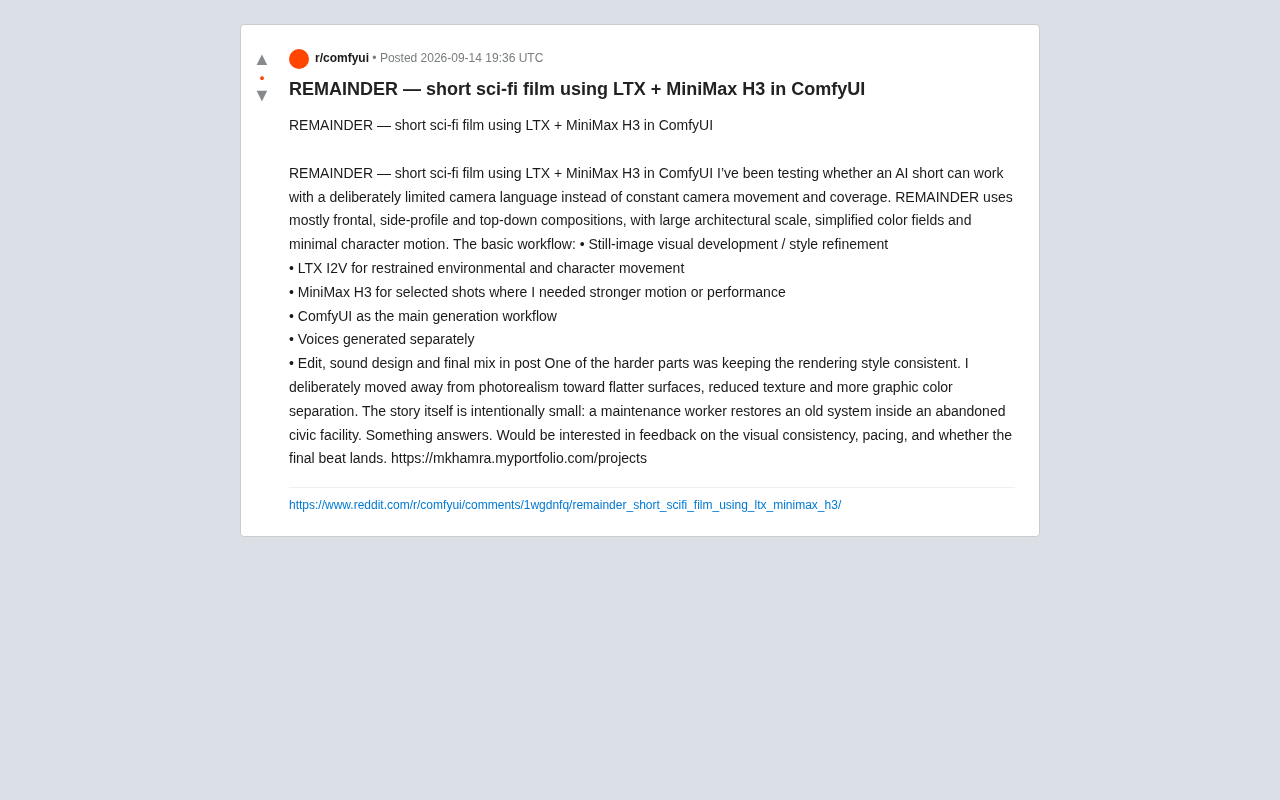
Building an AI Sci-Fi Short with LTX + MiniMax H3: Restrained Cinematography in ComfyUI
Sci-fi short REMAINDER uses LTX, MiniMax H3, and ComfyUI with restrained cinematography and flat aesthetics to solve visual consistency in AI filmmaking.
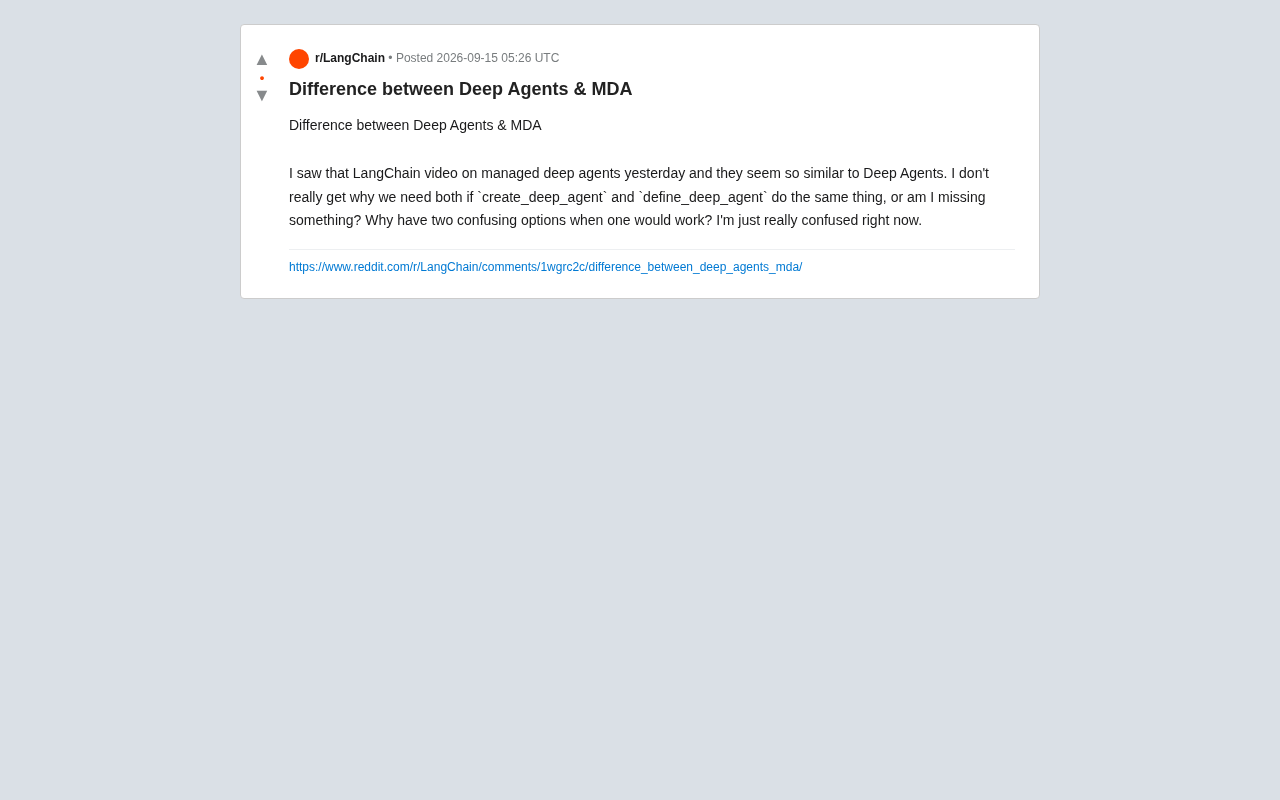
LangChain Deep Agents vs. MDA: Clearing Up the Confusion for Developers
What's the difference between LangChain's Deep Agents and MDA (Managed Deep Agents)? We break down create_deep_agent vs. define_deep_agent and help developers choose.
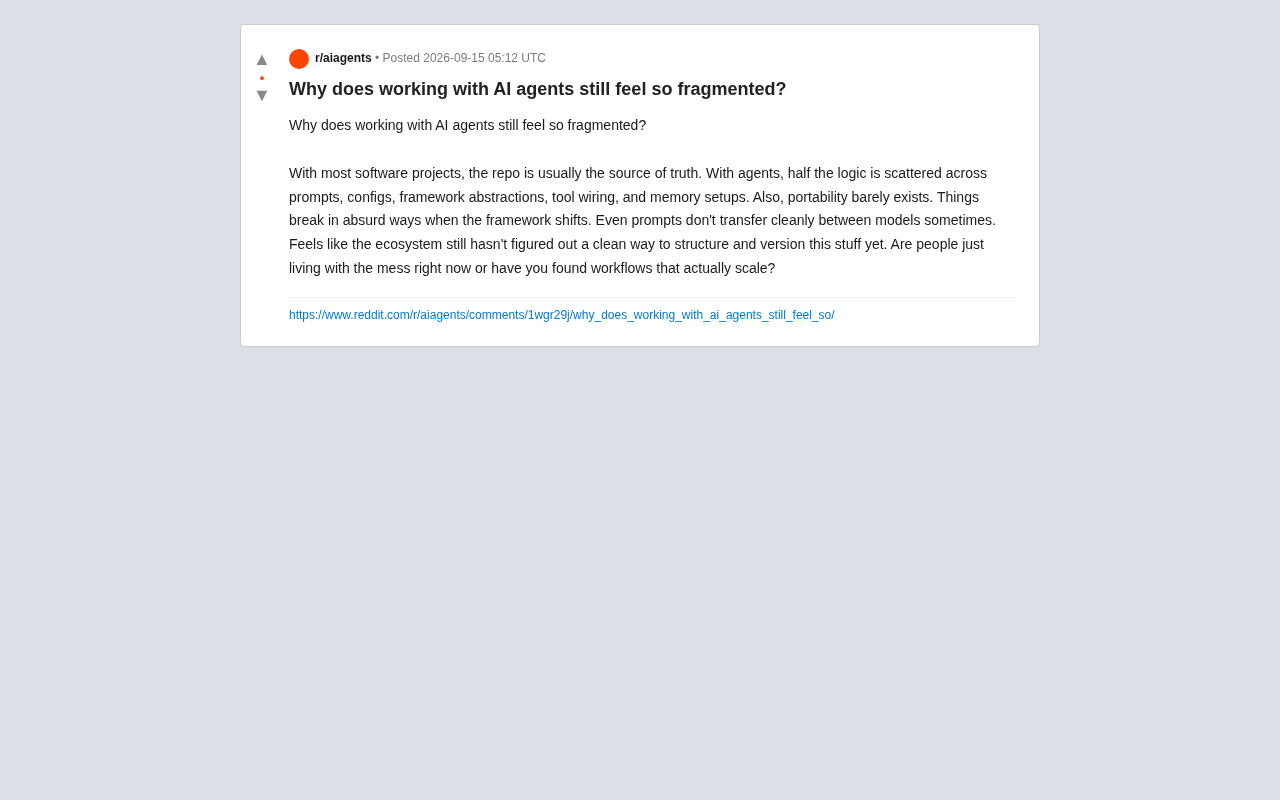
Why Is AI Agent Development So Fragmented? The Real Causes and How to Work Around Them
Why does AI Agent development feel so fragmented? Logic scattered across prompts, configs, and frameworks makes portability nearly impossible. Here's why — and how to cope.