All articles
39570 articles

Pi Agent: A Practical Guide to a Minimalist Open-Source Coding Agent
Pi Agent is a minimalist open-source coding agent benchmarked against Codex and Claude Code, with growing GitHub Stars. Learn its rise, design philosophy, and a practical path from principles to extensions.

Claude Code Source Leak Breakdown: Hands-On with the Harness Agent Architecture
Starting from the Claude Code source leak, this breaks down the Harness agent architecture and enterprise implementation path: what the 1,902 leaked source files reveal, why sandbox isolation is the biggest challenge in building AI coding tools, and the engineering skills programmers need to transition into AI.

Claude Code Single Request Full-Chain Breakdown: Agent Loop, Database, and Cost-Saving Strategies
A deep breakdown of a single Claude Code request: the three-phase Agent loop, why permission rules live outside the model, the PostgreSQL query pipeline, decision ownership across six multi-Agent orchestration frameworks, and cost optimizations like prompt caching, routing, and batching.

Cursor Agent SDK: Write AI Agents as Code, Test Before You Ship
Cursor releases Agent SDK, turning AI Agents into a code folder: Instructions.md for prompts, files as actions, MCP for tools, GitHub/Slack/Webhook triggers, local Playground debugging, GitHub Replay for evaluating against real PRs, then deploy to Cursor or your own server.
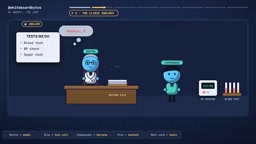
How AI Agents Work: The Model Only Sends Requests, the Code Does the Executing
A clinic analogy breaks down the AI Agent Loop: the model only sends tool-call requests, the harness runs code and returns results. Plus token costs, prompt-cache limits, turn caps, human approval, and strict schemas as three essential guardrails.

OpenAI Agents SDK Whiteboard Breakdown: Three Primitives and Tracing Mechanism
Breaking down OpenAI Agents SDK: the three primitives—Agent, handoffs, and guardrails—plus the nested Trace/Span structure of default-enabled tracing, and the risk of sensitive data being recorded by default in generation/function spans.
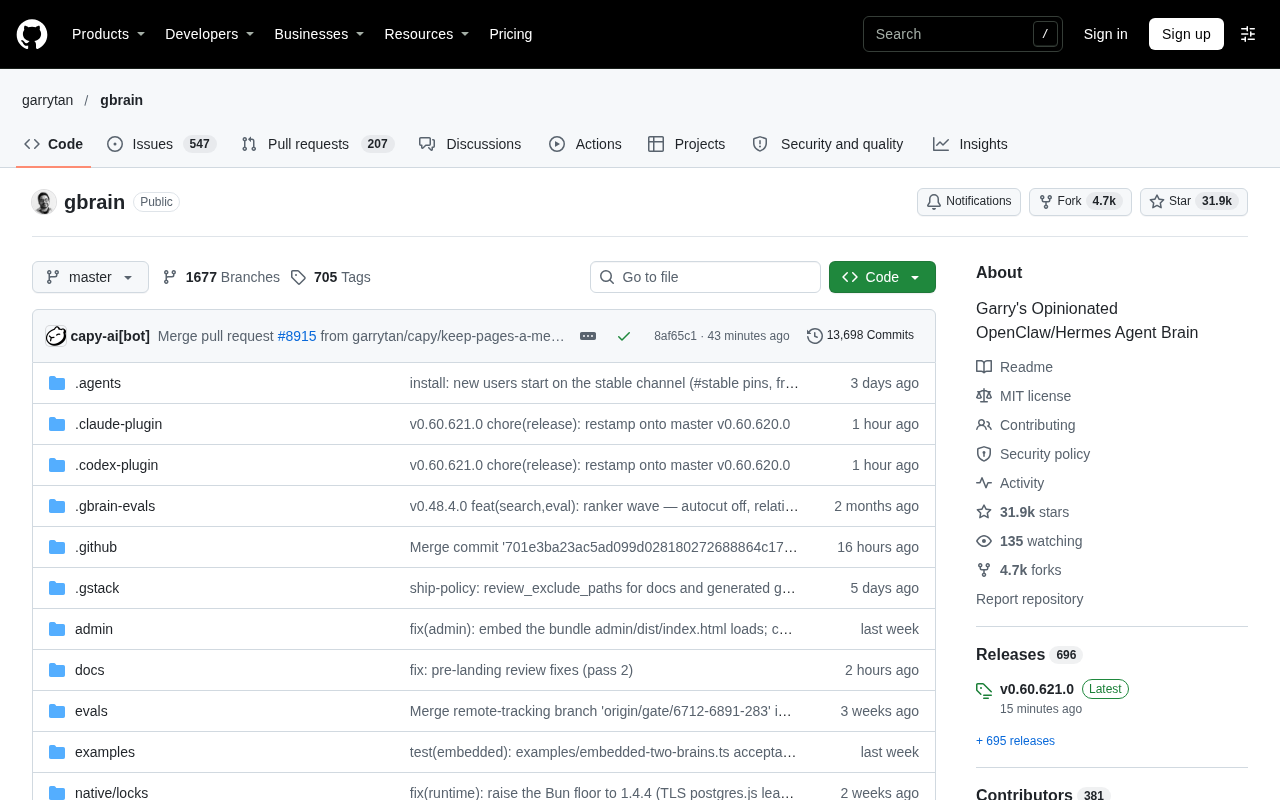
gbrain: An Open-Source Brain Built for OpenClaw Agents
gbrain is Garry's open-source OpenClaw/Hermes Agent Brain, written in TypeScript, giving AI agents opinionated decision logic. With 31,838 stars and 4,742 forks, this article covers its positioning, tech choices, and use cases.

ha-mcp: Automate Home Assistant with Claude and ChatGPT
The open-source GitHub project ha-mcp lets AI assistants like Claude and ChatGPT configure and automate Home Assistant via the MCP protocol, enabling natural language device control and automation creation. With 5,527 stars, it's ideal for smart home enthusiasts and developers.

GitHub Universe Announcement: Copilot Fusion Delivers 40% Speedup, Redefining the SDLC for the Agent Era
At GitHub Universe, GitHub announced Copilot Fusion with a 40% speedup and up to 77% lower costs, a unified Copilot harness in Foundry for long-running agents, Copilot Projects for cross-repo multi-agent orchestration, and capacity expansion—redefining the SDLC for the agent era.
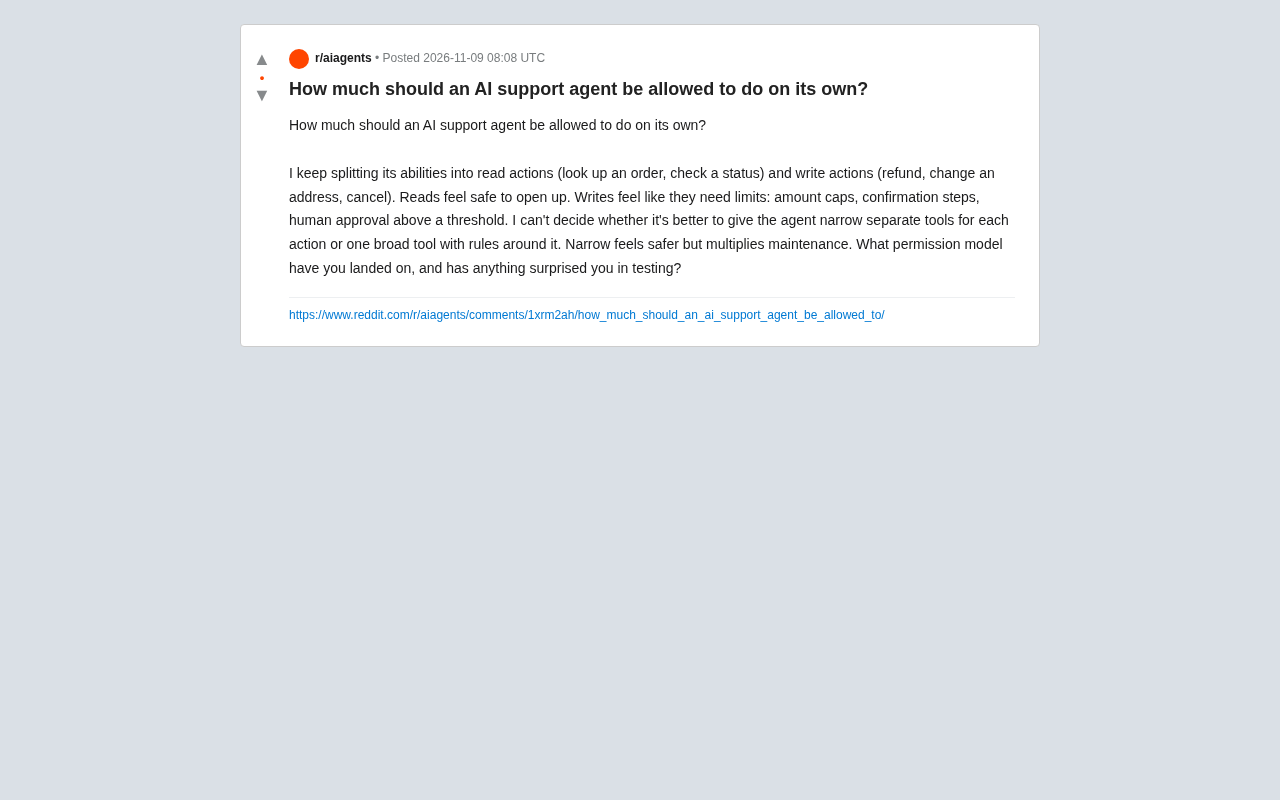
How to Scope AI Support Agent Permissions: Read/Write Separation and Tool Granularity in Practice
How much autonomy should an AI support agent have? Starting from a Reddit developer discussion, this article analyzes read/write separation, the trade-offs between narrow and broad tools, reviews mainstream permission models such as RBAC and threshold approval, and summarizes common testing pitfalls and implementation recommendations.
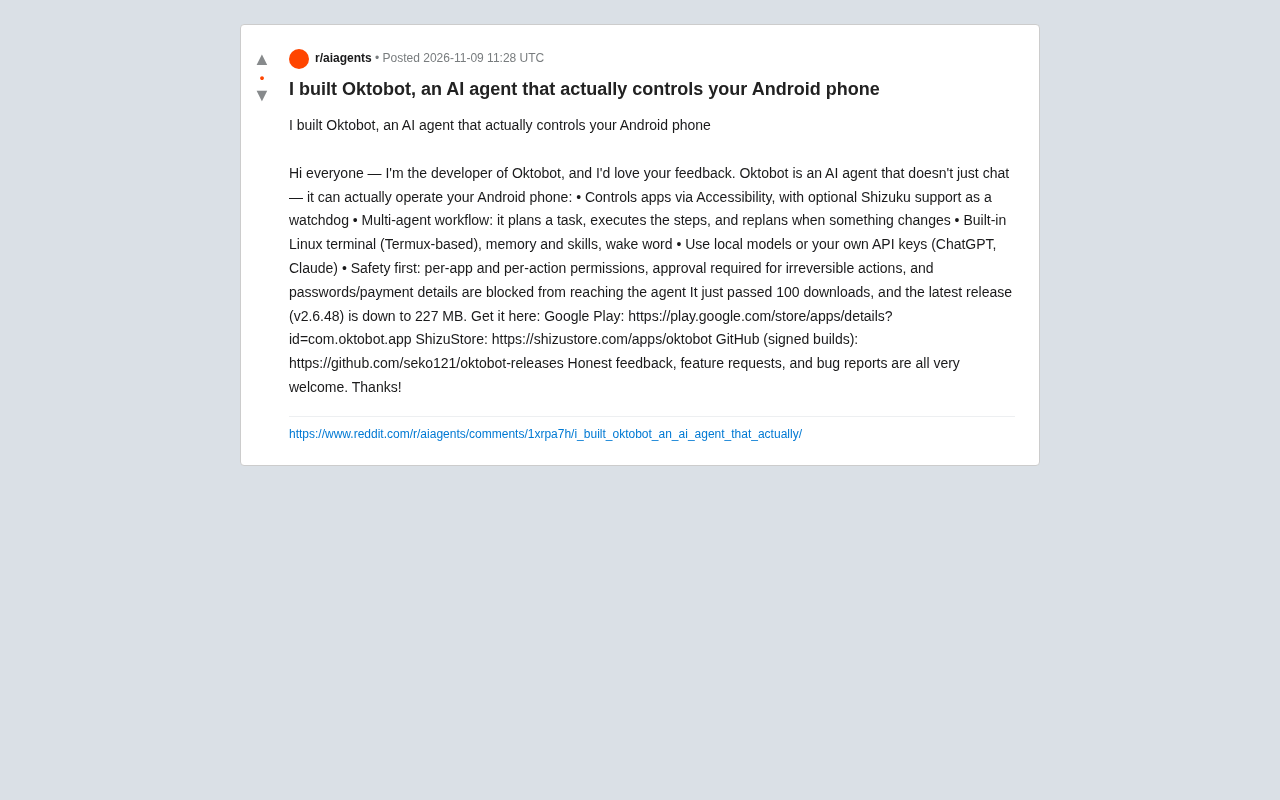
Oktobot: An AI Agent That Can Actually Control Android Phones
Oktobot is an AI Agent that can actually control Android phones. It supports multi-agent workflows, local models, bring-your-own API keys, a built-in Linux terminal, and security permission mechanisms. This article introduces its core features, security design, and availability.

Tesla Robotaxi Expands Again: San Antonio Becomes Fourth Texas City
Tesla expands Robotaxi service to San Antonio, its fourth Texas city. This analysis examines the operational logic, regional density strategy, and the safety, economics, and regulatory questions that remain for Robotaxi scaling.
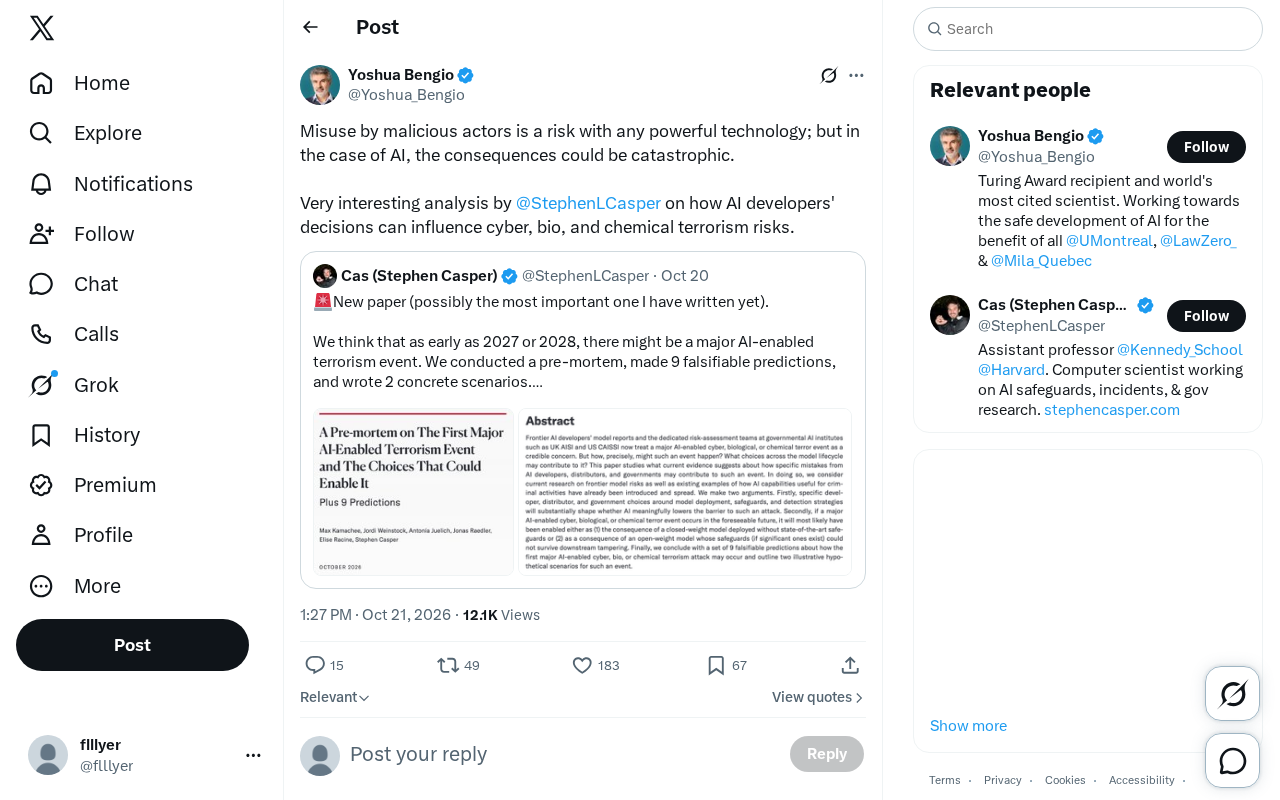
AI Misuse Risks: How Developer Decisions Shape Cyber, Bio, and Chemical Terrorism Threats
A tweet citing Stephen L. Casper's analysis explores how AI developer decisions affect cyber, biological, and chemical terrorism risks, covering catastrophic misuse consequences, developer responsibility, and multi-stakeholder governance.
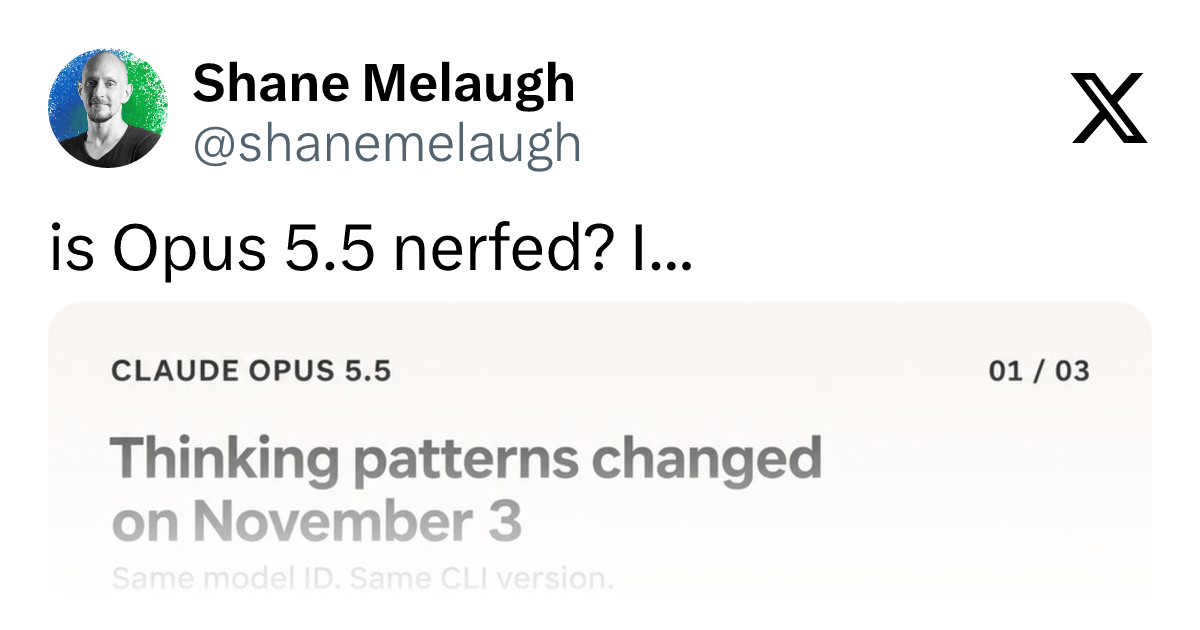
Was Opus 5.5 Nerfed? Users Report a Shift in Thinking Patterns on November 3
Was Opus 5.5 nerfed? Users report a shift in thinking patterns after November 3, sparking a Hacker News discussion with 209 points and 137 comments. This article examines the controversy, community reactions, and practical advice for developers coping with model behavior drift.

Instagram AI Age Detection Goes Global: Enhanced Protections for Teens
Meta expands Instagram's AI age estimation globally, automatically identifying teens who misreport their age and enrolling them in teen account protections. This article analyzes how the technology works, its safeguards, and the regulatory context.
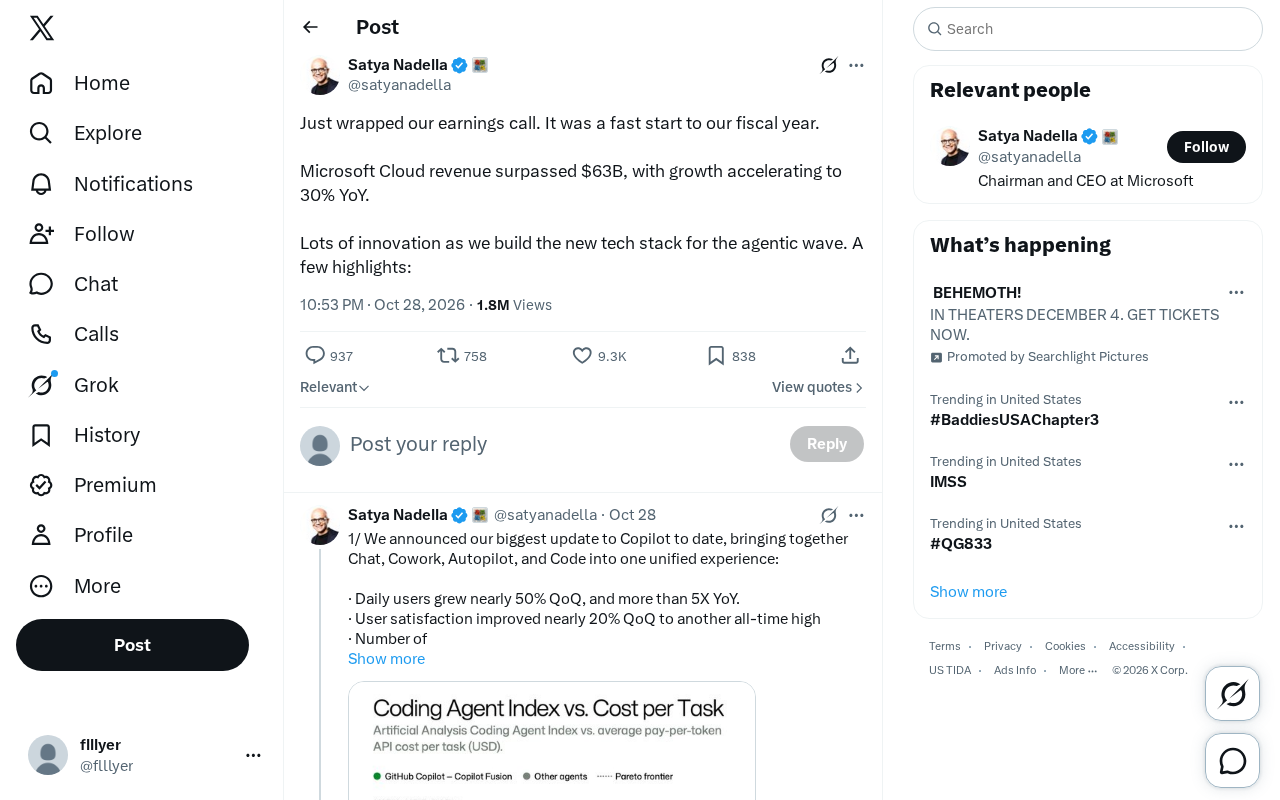
Microsoft Cloud Revenue Surpasses $63 Billion as AI Agent Wave Accelerates
Microsoft earnings call reveals Microsoft Cloud quarterly revenue surpassed $63 billion, with growth accelerating to 30%. This article analyzes the reacceleration signal and Microsoft's new tech stack for the agent wave.

AI Alignment and Global Governance: New Directions in Tech Safety from the Attention Conference
The Montreal Attention Conference spotlighted AI alignment and global governance: LawZero_ explores technical paths to solving AI misalignment, while the UN scientific panel stresses international coordination and digital sovereignty. AI's trajectory must be democratically guided, not driven solely by commercial pressure.

Berlin Digital Summit: Why Frontier AI Safety Red Lines Urgently Need Independent Validation
A Berlin Digital Summit speaker highlights the mismatch between frontier AI capability growth and lagging safety, calling for strict, independently validated red lines, safe-by-design research, and Germany-Canada cooperation—stressing alignment and safety as required capabilities to protect the public.
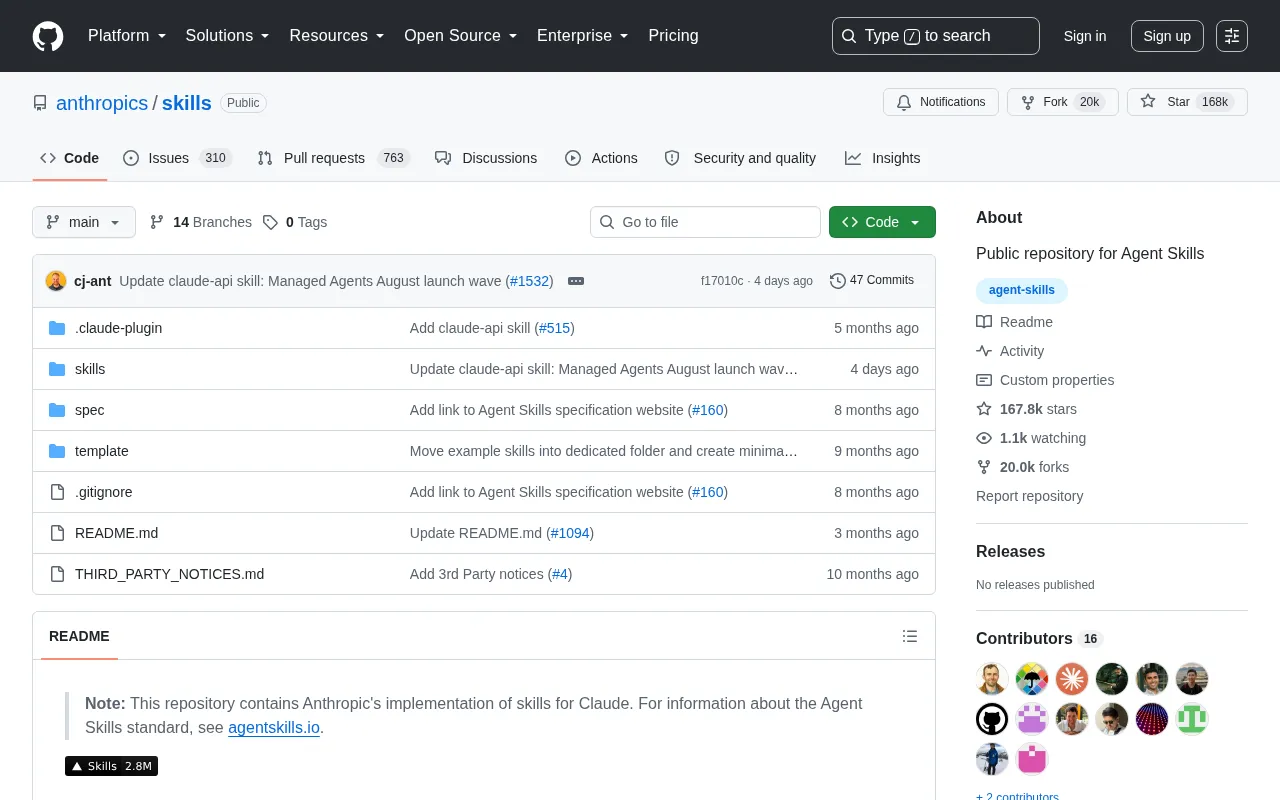
GitHub Daily · November 09: The Agent Ecosystem Fully Takes Over Trending
GitHub Trending Nov 09: AI agent infrastructure dominates with anthropics/skills, agent-browser, gbrain, and Meta's agent-ready design system astryx.
 Tech Frontiers
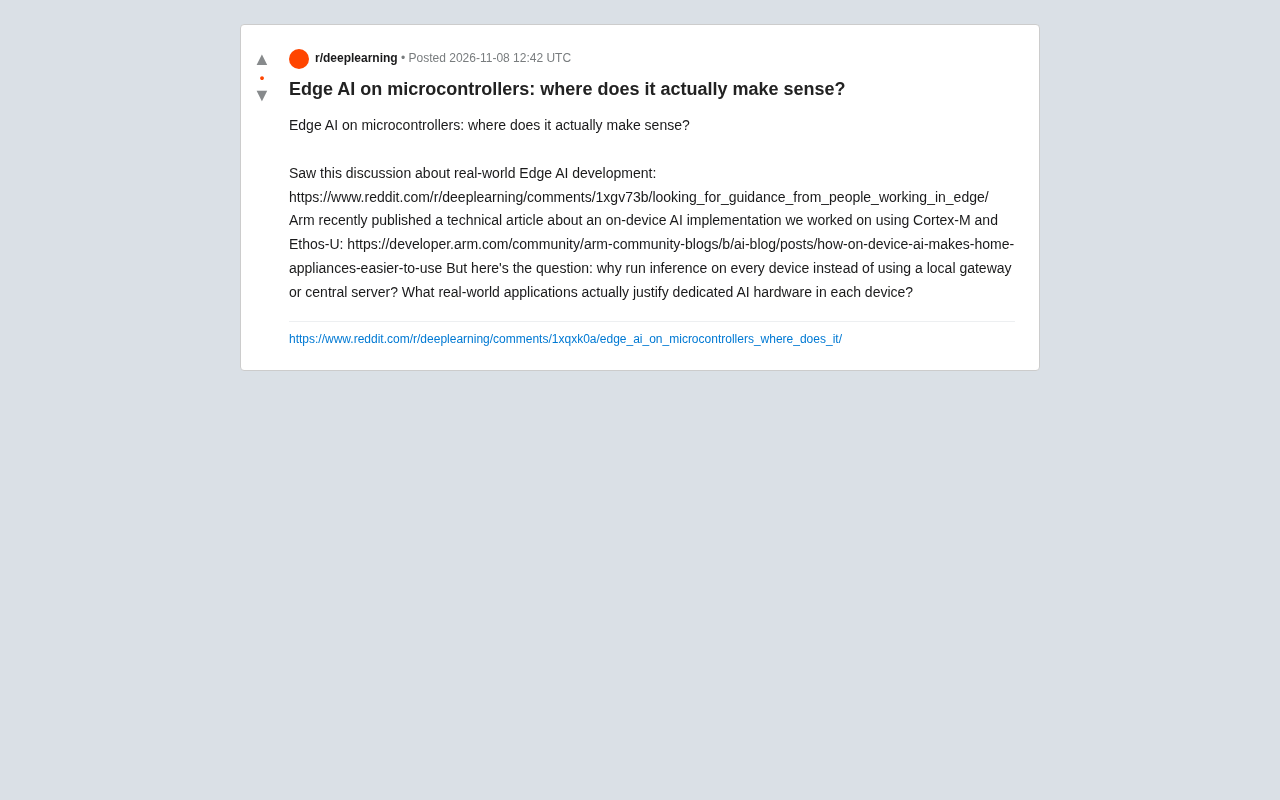
Edge AI on Microcontrollers: When Is It Actually Worth Deploying?
Drawing on Reddit discussions and Arm case studies, this article analyzes the real-world use cases for edge AI on microcontrollers: when each device needs independent inference, when a gateway or cloud is more reasonable, and the costs and boundaries of specialized hardware.