#AI compute monopoly
73 related articles

·3 min
Open Weight Models: The Strategic Game of AI Accessibility and American Competitiveness
Explore how open weight models simultaneously enable global AI accessibility and maintain U.S. competitiveness. Learn the differences between open weight, open source, and closed source models.
Read more →

·3 min
Why AI Companies Are Reluctant to Open Source: The Strategic Dilemma and Game Theory of Market Leaders
Deep analysis of why leading AI companies refuse to open-source core models. Exploring moat mentality, competitive game theory, and the open vs. closed source dialectic.
Read more →

·3 min
Why AI Companies Resist Open Source: The Strategic Dilemma and Game Theory of Market Leaders
Deep analysis of why leading AI companies resist open-sourcing core models. Exploring moat mentality, competitive game theory, and the evolving open vs. closed source dynamics in the AI industry.
Read more →

·3 min
Kemeny's 'Man and the Computer': Why the BASIC Creator's Tech Prophecies Still Haven't Expired
Revisiting BASIC creator Kemeny's 1972 'Man and the Computer' — how his predictions about universal computing, human-machine symbiosis, and data monopoly resonate powerfully in today's AI era.
Read more →

·2 min
Why Top AI Startups Are No Longer Publishing Research: The Deep Reasons Behind the Shift from Openness to Secrecy
Exploring why top AI startups shifted from open research to secrecy, analyzing how commercial competition and talent pressure drive this change, and its impact on academia, innovation, and open source.
Read more →

·3 min
Altman Warns of AI Monopoly Risk: A Few Companies Controlling AI Would Be Extremely Dangerous
OpenAI CEO Sam Altman warns that AI controlled by a few companies would be very dangerous. We analyze the real threats, his complex motivations, and paths to breaking AI monopoly.
Read more →

·3 min
Altman Warns of AI Monopoly Risk: A Few Companies Controlling AI Would Be Extremely Dangerous
OpenAI CEO Sam Altman warns that AI controlled by a few companies would be extremely dangerous. This article analyzes the real threats of AI monopoly, Altman's complex motivations, and paths to breaking concentration through open source, compute democratization, and regulation.
Read more →
·3 min
The Open-Weights Model Debate: Balancing Safety and Openness
An in-depth analysis of the open-weights model debate: public release brings transparency and innovation, but raises safety and misuse risks. Exploring tiered release, red-teaming, and governance challenges.
Read more →
·3 min
The Open-Weights Model Debate: Balancing Safety and Openness
An in-depth analysis of the open-weights model debate: publicly releasing model weights enables transparency and innovation but raises safety risks. Explores tiered release, red-teaming, and the industry dynamics behind open AI governance.
Read more →

·3 min
Chinese Open-Source AI Conquers Silicon Valley: The Industry Upheaval Behind a 58% Compute Share
Chinese open-source AI models surged from under 10% to 58% of U.S. AI consumption. Kimi K3, DeepSeek, and Qwen are reshaping AI cost structures as DoorDash, Airbnb, and other Silicon Valley giants adopt them at scale.
Read more →

·3 min
DeepSeek Ignites Open Source vs. Closed Source Debate in Silicon Valley, Splitting Tech Giants into Rival Camps
DeepSeek's open source model shakes Silicon Valley. OpenAI defends closed source while Microsoft, NVIDIA, and Meta back open ecosystems. Analysis of the AI open/closed source debate, Apple-Micron chip tensions, and AI-driven historical disinformation.
Read more →

·4 min
Jensen Huang Joins 50 Silicon Valley Giants to Champion Open-Source Models: How Capital Logic Overrides Political Correctness
Jensen Huang's first-ever tweet backs open-weight AI. 50 Silicon Valley giants oppose banning Chinese open-source models. Deep analysis of the interests behind closed vs. open AI ecosystems.
Read more →

·3 min
Fields Medal Winner Joins OpenAI: A Triple Signal of Talent, Capital, and Capability
Fields Medal winner Jacob Tsimerman joins OpenAI's safety team on award day, saying math careers won't survive. NVIDIA finances a $250B data center. Kimi K3 opens a 2.8T-parameter model.
Read more →

·3 min
The Circular Investment Concerns Behind NVIDIA's $750 Billion in Deals
Deep analysis of circular financing in NVIDIA's $750B partnership deals, examining real AI compute demand, self-reinforcing valuations, and key investor signals.
Read more →
·3 min
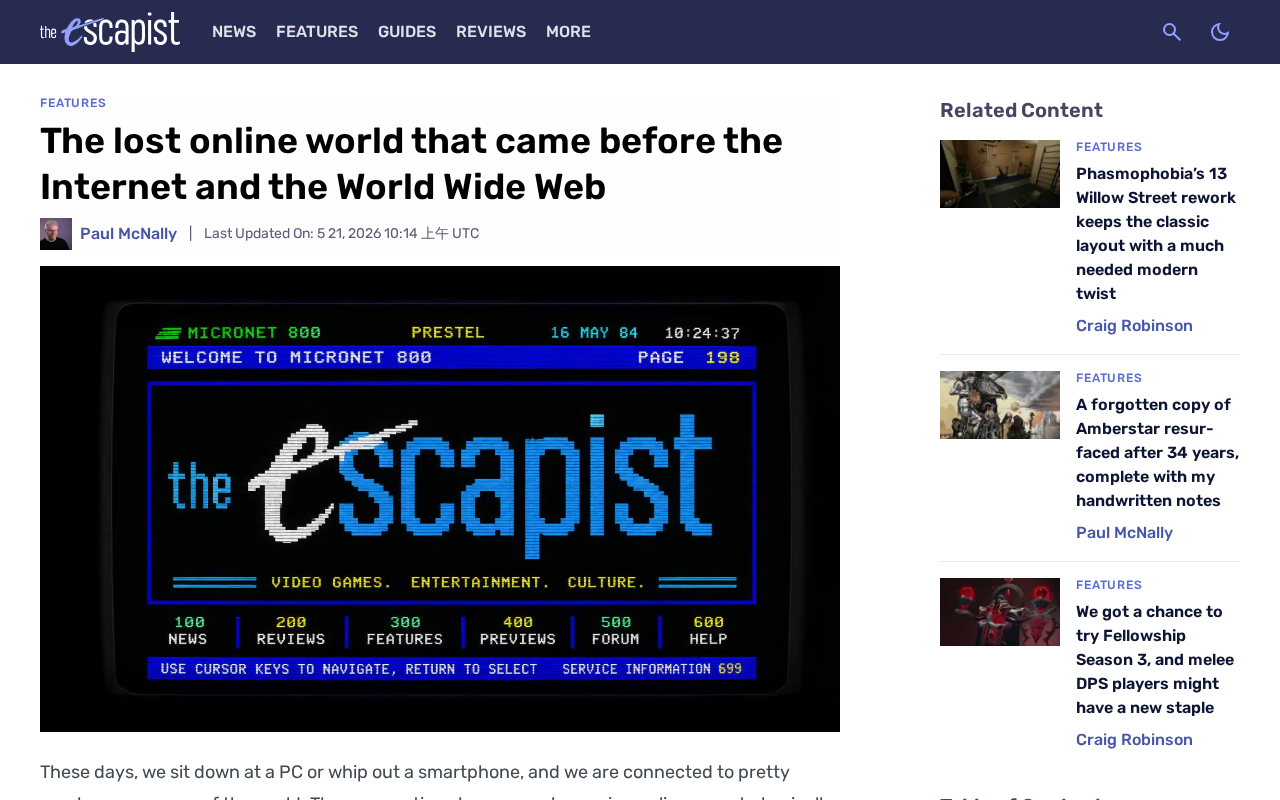
Prestel and Micronet: Britain's Lost Proto-Internet
Explore Britain's 1979 Prestel Viewdata system and its community platform Micronet 800 — an interactive online service that predated the World Wide Web by a decade, and why it lost to the open internet.
Read more →
·3 min
Jensen Huang's First X Post Backs Open AI: Why the Computing Power King Sides with Open Source
NVIDIA CEO Jensen Huang's first X post champions open AI access. We analyze the business logic, policy dynamics, and the open vs. closed AI debate shaping the industry.
Read more →

·5 min
Will Chinese Open-Source Models Burst the US AI Bubble? A Deep Dive into the Transmission Chain
Chinese open-source models like Kimi K3 and DeepSeek approach US closed-source performance at a fraction of the cost. This deep dive analyzes the transmission chain from price competition to valuation reassessment.
Read more →
·3 min
Chinese Open-Source AI Conquers Silicon Valley: The Industry Upheaval Behind a 58% Compute Share
Chinese open-source AI models surged from under 10% to 58% of U.S. market share. Kimi K3, DeepSeek, and Qwen are being adopted by DoorDash, Airbnb, and other Silicon Valley giants, reshaping AI costs and competition.
Read more →

·4 min
Chinese AI Accounts for 58% of US Compute Consumption: How Open-Source LLMs Are Disrupting Silicon Valley
OpenRouter data shows Chinese AI models now account for 58% of US AI consumption. Silicon Valley giants like DoorDash and Airbnb adopt Kimi, DeepSeek, and Qwen for their low cost and open-weight advantages.
Read more →

·3 min
Prestel and Micronet: Britain's Lost Proto-Internet
Explore the history of Britain's Prestel Viewdata system (1979) and its community platform Micronet 800 — an interactive online service that predated the World Wide Web by a decade, and why it lost to the open internet.
Read more →