#AutoGen
706 related articles

·3 min
Buzz Open-Source Group Chat Platform: A New Choice for Human-AI Agent Collaboration
Buzz is an open-source decentralized group chat platform for human-AI agent collaboration—model-agnostic, self-sovereign, and designed to replace the fragmented Slack/GitHub experience.
Read more →

·3 min
From Linear Pipelines to State Machines: A Practical Guide to Advanced Agent Architecture
Learn how to advance from linear pipeline to state machine Agent architecture through a YouTube script-to-storyboard case study, covering fault tolerance, LLM evaluation frameworks, and LangGraph vs AutoGen selection.
Read more →

·3 min
Numbat Open Source: A Cross-Framework AI Agent Security Detection and Response Solution Explained
Numbat is an open-source AI Agent security detection and response tool supporting cross-framework deployment with Agent behavior visibility and pre-execution interception capabilities.
Read more →

·4 min
Infrastructure Architecture for Agent Applications: Four Core Patterns Explained
A deep dive into infrastructure architecture patterns for production-grade Agent applications, covering state persistence, sandbox isolation, LLM observability, and cost control.
Read more →

·4 min
Infrastructure Architecture for Agent Applications: Four Core Patterns Explained
Deep dive into infrastructure architecture patterns for production-grade Agent applications, covering state persistence, sandbox isolation, LLM observability, and cost control.
Read more →

·3 min
Verification Browser for AI Agents: How 13ms Ultra-Fast Validation Solves the Trust Problem in Automation
Deep dive into the verification browser for AI agents: how 13ms verification windows and one-call checks solve hallucination problems in browser automation, enabling the leap from capability to trustworthiness.
Read more →

·3 min
Long Documents Don't Work: Why AI Agents Can't Follow Your Rules
Analysis of why AI Agents can't reliably follow long policy documents, covering context dilution, rule conflicts, and soft constraint limitations, with more reliable governance architectures.
Read more →

·2 min
agent-manager: An Open-Source Tool for Managing Multiple AI Coding Assistants with tmux
agent-manager is a lightweight tmux-based TUI tool that helps developers manage multiple AI coding assistants like Claude Code, Codex, and OpenCode from a unified interface for status monitoring, interaction, and code review.
Read more →

·2 min
Agenta: A Detailed Look at the Open-Source Self-Hosted Claude Cowork Alternative
Agenta is an open-source AI Agent collaboration platform supporting self-hosted models and any Agent framework, positioned as an open-source Claude Cowork alternative.
Read more →

·3 min
Gemini Managed Agents API Update: Environment Hooks and Free Tier Fully Explained
Google Gemini Managed Agents API introduces environment hooks, model selection, free tier support, and default model upgrades—empowering AI Agent developers with stronger execution control and lower barriers to entry.
Read more →
·3 min
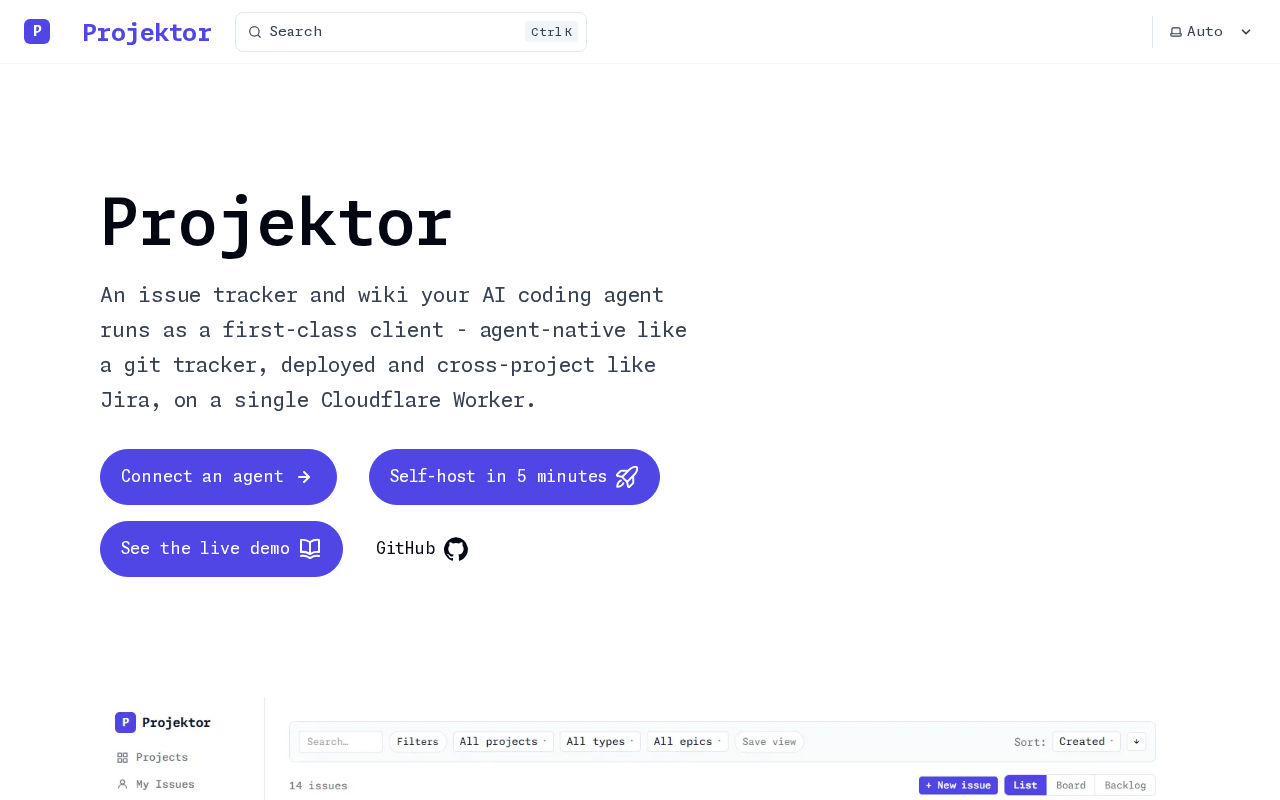
Open-Source Agent-Native Task Management: A Deep Dive into Cloudflare Edge Deployment
Deep dive into an open-source Agent Native task management and Wiki project deployed on Cloudflare, exploring Agent-native architecture, edge computing benefits, and serverless deployment for the AI Agent era.
Read more →
·3 min
Open-Source Agent-Native Task Management: A Deep Dive into Cloudflare Edge Deployment
Deep dive into an open-source Agent Native task management and Wiki project deployed on Cloudflare, exploring Agent-native architecture, edge computing advantages, and serverless deployment for AI Agents.
Read more →
·4 min
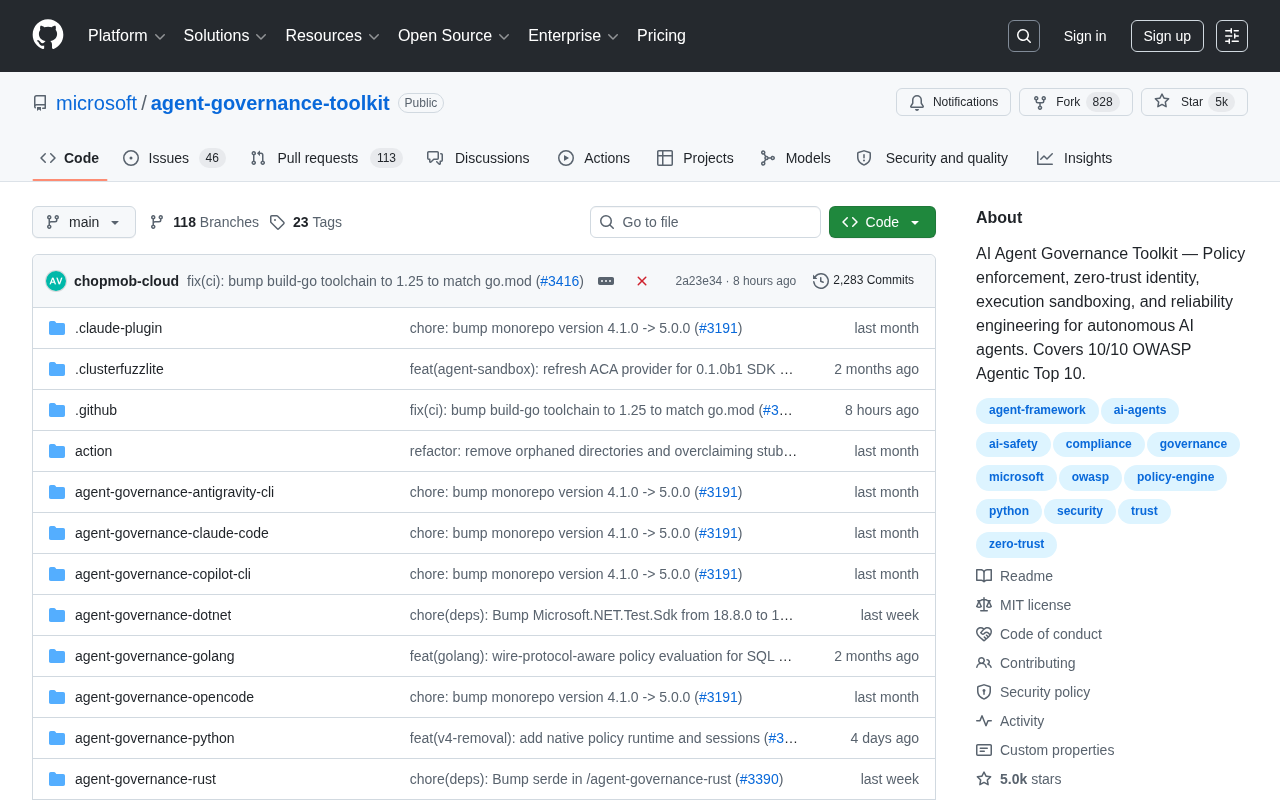
Microsoft Open-Sources AI Agent Governance Toolkit: Comprehensive Coverage of OWASP Top 10 Risks
Microsoft open-sources agent-governance-toolkit covering all OWASP Agentic Top 10 risks through policy enforcement, zero-trust identity, execution sandboxing, and reliability engineering for production AI Agent deployment.
Read more →

·2 min
Three Major Updates to Gemini API Managed Agents: Free Tier, Cost Controls, and Scheduled Triggers
Google Gemini API Managed Agents launches three key updates: Free Tier for universal access, Cost Controls for budget safety, and Scheduled Triggers for automated execution.
Read more →

·5 min
Loop Engineering Explained: The New Programming Paradigm Where AI Prompts Itself
Loop Engineering is a paradigm shift in AI usage. Learn how to build automated loops where agents explore, execute, and verify tasks autonomously, with a hands-on e-commerce case study.
Read more →

·5 min
Opus 5 Builds a No Man's Sky-Style Exploration Game in One Day: MCP and Sub-Agent Architecture Explained
A developer used Anthropic's Opus 5 model to build a No Man's Sky-style space exploration game in one day using Blender MCP and sub-agents. Deep dive into the technical architecture and industry implications.
Read more →

·3 min
Learning AI Large Language Models: A Complete Roadmap from Beginner to Practitioner
A systematic breakdown of the AI LLM learning roadmap covering prompt engineering, AI Agent development, RAG knowledge bases, model fine-tuning, and hands-on projects for beginners.
Read more →
·3 min
Practical Guide to Agent Development: The Complete Path from Zero to Commercial Deployment
A systematic guide to AI Agent development from beginner to deployment, covering task planning, tool calling, memory management, learning paths, and realistic commercial monetization considerations.
Read more →

·5 min
Learn AI Agent Development from Scratch: A 3-Step Practical Path to Get Started Quickly
How to learn AI Agent development from scratch? This article outlines a clear 3-step path: Python crash course, LLM theory & practice, and LangChain framework project implementation.
Read more →

·3 min
How to Choose an AI Agent Platform for Your Team: 5 Evaluation Dimensions and a Decision Framework
Choose the right AI Agent platform by evaluating model flexibility, observability, tool integration, security compliance, and total cost. A complete decision framework to help technical leaders avoid vendor lock-in.
Read more →