#Codex vs Copilot
398 related articles

·5 min
Getting Started with Codex: Four Product Forms Explained & How to Choose Between Cursor, Claude Code, and Codex
In-depth analysis of OpenAI Codex's four forms (CLI, web, plugin, app), comparing Codex, Claude Code, and Cursor on price, stability, and use cases to help developers choose the right tool.
Read more →
·2 min
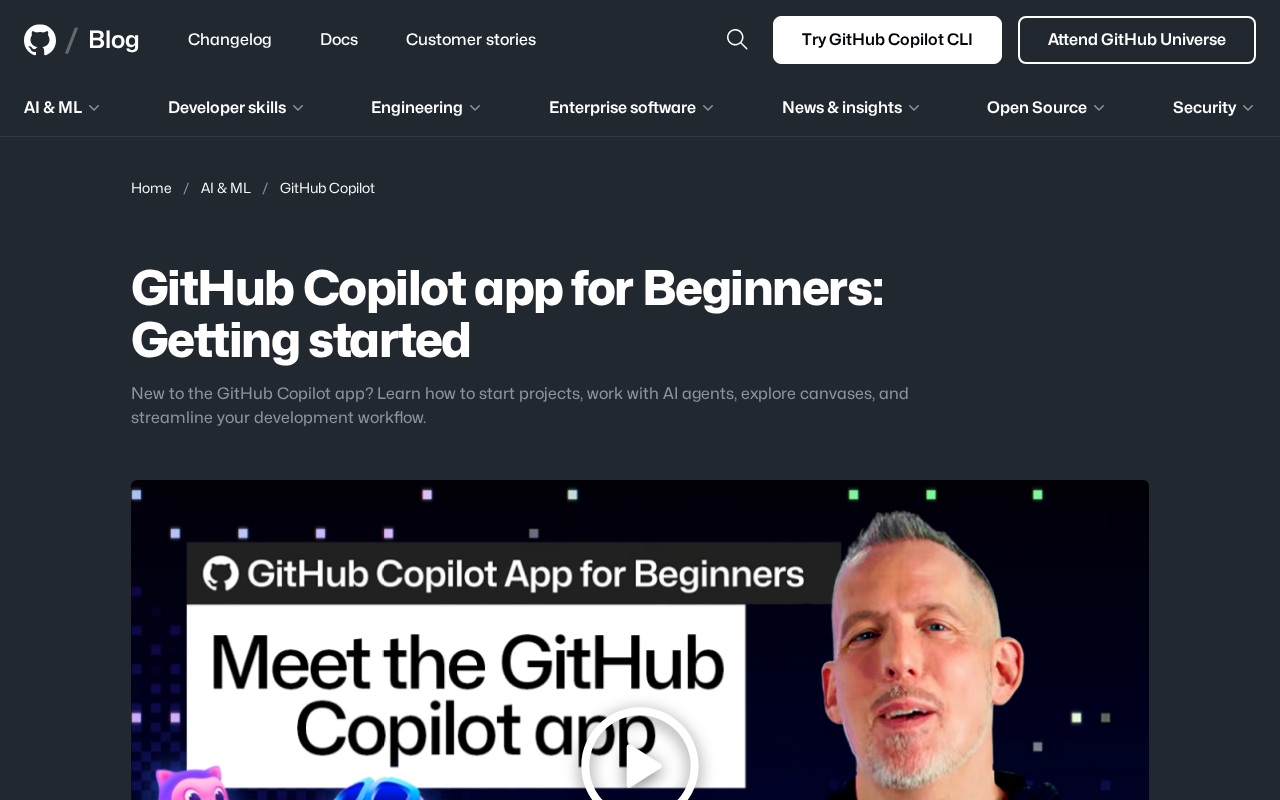
Getting Started with GitHub Copilot App: A Beginner's Guide to AI-Assisted Development
A detailed guide to GitHub Copilot's standalone app covering project creation, AI agent collaboration, canvas features, and tips to help developers get started with AI-assisted development.
Read more →

·2 min
Qoder vs Cursor: A Hands-On Comparison of AI Coding Tools
Which is better, Qoder or Cursor? This article compares both AI coding tools through real development scenarios across context understanding, code quality, and Agent autonomy to help you choose the best fit.
Read more →

·2 min
Grimoire Launches Codex Pet Feature: A Gamified Twist on AI Programming Assistants
Grimoire launches its new Codex Pet feature, combining AI code generation with gamified pet interactions to create an engaging programming experience for beginners and creators alike.
Read more →

·2 min
Codex Voice Mode Hidden Trick: Tap the Circle to Instantly Show Subtitles
Discover a hidden trick in Codex iOS voice mode: tap the central circle to show subtitles, solving pain points like unclear code names and hard-to-distinguish technical content in voice interactions.
Read more →

·2 min
Canvas Technology Explained: How AI Is Moving from Chat Mode to Interactive Workspaces
Explore how Canvas technology transforms AI from traditional Q&A into interactive workspaces, covering visualization, workflow exploration, and actionable collaboration for developers.
Read more →

·2 min
Canvas Technology Explained: AI Moves from Chat Mode to Interactive Workspaces
A deep dive into how Canvas technology upgrades AI from traditional Q&A into interactive workspaces, covering visualization, workflow exploration, and actionable AI — plus its impact on developer workflows via GitHub Copilot.
Read more →

·3 min
Understand Anything: The AI Skill That Turns Code into Interactive Knowledge Graphs
Understand Anything is a high-star open-source GitHub skill that runs static analysis on any codebase and generates interactive knowledge graphs. It supports Claude Code, Cursor, Copilot and other agents, letting engineers ask questions in natural language with path references.
Read more →

·3 min
Understand Anything: The AI Skill That Turns Code into an Interactive Knowledge Graph
Understand Anything is a high-star open-source GitHub skill that performs static analysis on any codebase to generate interactive knowledge graphs, supporting Claude Code, Cursor, Copilot and more.
Read more →
·3 min
Understand Anything: The AI Skill That Turns Code into an Interactive Knowledge Graph
Understand Anything is a high-star open-source GitHub skill that performs static analysis on any codebase to generate an interactive knowledge graph, supporting Claude Code, Cursor, Copilot and more.
Read more →

·3 min
The Vibe Coding Trap: You're Just Producing Garbage Faster
Vibe Coding lets non-coders build apps and websites fast with AI, but efficiency gains don't equal value gains. This article dissects the core trap and offers the right order: needs first, code later.
Read more →

·3 min
The Trap of Vibe Coding: You're Just Making Garbage Faster
Vibe Coding lets non-coders build apps and sites fast with AI, but faster isn't better. This piece dissects its core trap—building isn't succeeding—and offers the right "demand first, code later" order plus three questions to gauge a project's value.
Read more →

·2 min
OpenCode: The Complete Guide to the Open-Source Coding Agent Chosen by 8 Million Developers
OpenCode has become the world's most popular open-source coding agent—8M monthly active developers, 75+ model providers, and custom sub-agent routing. This deep dive covers its core features, config tips, and business model.
Read more →
·2 min
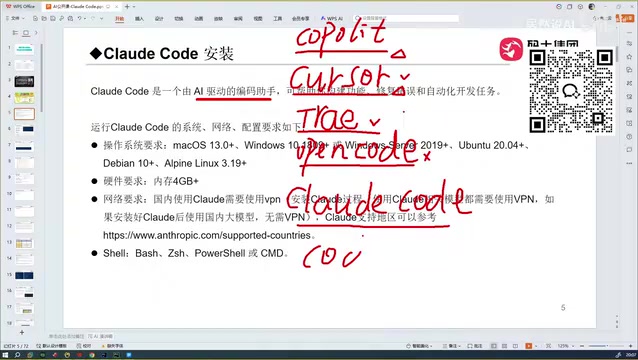
Getting Started with Claude Code: A Beginner's Guide to Installation, Configuration, and Model Selection
A complete guide to installing and configuring Claude Code, comparing tools like Cursor and Trae, and analyzing the cost and performance of models like Sonnet and DeepSeek V4 Pro.
Read more →

·2 min
Getting Started with Claude Code: A Beginner's Guide to Installation, Configuration, and Model Selection
A detailed walkthrough of the full Claude Code setup process, comparing AI coding tools like Cursor and Trae, and analyzing the cost and performance of models like Sonnet and DeepSeek V4 Pro.
Read more →

·3 min
The AI Coding Landscape: Model Tiers, Tool Camps, and a Deep Dive into MCP/Skills/CLI
A systematic map of today's AI coding landscape: the evolution from ChatGPT to Claude Code, LLM capability tiers, tool camps like Cursor/Copilot, and the three key weapons of the Agent era — MCP, Skills, and CLI.
Read more →

·4 min
Complete Guide: Connecting DeepSeek and Other Chinese LLMs to Codex
No ChatGPT account? No problem. Learn how to connect DeepSeek and other Chinese LLMs to Codex using the Codex++ management tool — including Base URL setup, API Key creation, and token top-up.
Read more →

·7 min
Getting Started with Codex: Installation and Usage Guide for OpenAI's AI Coding Agent
A comprehensive guide to OpenAI's new AI coding agent Codex: from concept and comparison of its four forms, to installing Git/Node.js/VS Code, configuring the API Key, and creating a workspace.
Read more →

·6 min
Making Money with AI Coding Gigs: A Sober Breakdown and Honest Assessment of the Four-Week Learning Path
Can beginners really earn over 10,000 yuan in their first month with AI coding gigs? This article breaks down the four-week AI coding learning path week by week and objectively assesses the real monetization barriers.
Read more →

·3 min
The Complete Beginner's Guide to Vibe Coding: Core Logic and Practical Learning Path
Vibe Coding is the new AI-era programming paradigm. Describe what you want in plain language; let AI generate the code. Learn the 3-stage path: mindset, quality, and real projects.
Read more →