#Figma to code
262 related articles

·3 min
Figma Code Context: Open-Source MCP Tool That Converts Design Files to Frontend Code in 30 Seconds
Figma Code Context is an open-source MCP tool that fetches structured design data via Figma API, enabling AI to generate high-fidelity frontend code in seconds.
Read more →

·2 min
Complete Tutorial: Image2 + Codex to Generate Editable Figma Design Files
Learn how to use ChatGPT Image2 to generate high-quality UI mockups and OpenAI Codex to convert them into editable Figma vector files in three steps.
Read more →

·2 min
v0 Figma Integration: One-Click Conversion from Design Files to High-Fidelity Functional UI Code
Vercel's AI tool v0 launches a new Figma integration that parses layouts, typography, components, icons, and more to convert static designs into high-fidelity, runnable frontend code.
Read more →
 Tutorials
·3 min
Andrew Ng Recommends Claude Code: From Getting Started to Figma-to-Web App in Practice
Andrew Ng and Anthropic launch a Claude Code course covering RAG chatbots, data analysis, and Figma-to-web apps, with MCP server integration and parallel session best practices.
Read more →
 Tutorials
·2 min
Claude Code + PRD + Figma: A Complete Method for One Person to Build Enterprise-Level Frontend Prototypes
A complete guide to using Claude Code Plan mode, PRD five key elements, and Figma client to build enterprise-level frontend prototypes solo — no MCP required.
Read more →
 Tutorials
·3 min
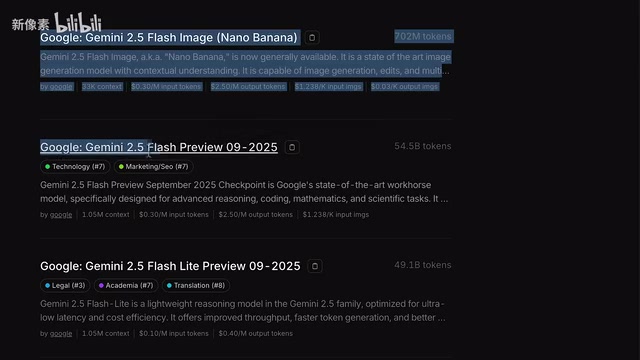
Figma MCP in Practice: Complete Tutorial for Connecting Design Files Directly to an AI Code Editor
Step-by-step tutorial on connecting Figma design files to the Antigravity AI code editor via Figma MCP, covering MCP setup, Access Token config, and verification.
Read more →
 Tutorials
·2 min
TRAE Editor + Figma MCP Hands-On Tutorial: Convert Design Files to Web Code in One Click
Step-by-step tutorial: Install TRAE editor, configure Figma MCP, and auto-generate HTML web code from Figma designs with OpenRouter API setup included.
Read more →

·2 min
BackdropKit: A Privacy-First Tool for Generating Launch Assets Locally in Your Browser
BackdropKit is a privacy-first local tool for creating launch assets. It supports screenshot beautification, demo videos, and data redaction—all running in your browser with no file uploads.
Read more →

·4 min
Tiling Window Management: A New Interaction Paradigm for Multi-Agent Conversations
Exploring tiling window management for multi-agent AI conversations: how it solves parallel monitoring and observability challenges, real-world limitations, and the evolution from chat boxes to control consoles.
Read more →

·3 min
MiniMax H3 Deep Dive: How 2K Video Generation + Native Stereo Sound Are Reshaping Brand Marketing
Deep dive into MiniMax H3 multimodal model: 2K video generation, native stereo audio-visual integration, and precise text rendering designed for motion design and brand marketing.
Read more →

·3 min
VulX Watch: A Standalone Security Audit Tool Built Specifically for AI-Generated Code
VulX Watch is a security audit tool for AI-generated code that connects read-only to GitHub repos, independently reviews vulnerabilities, and provides line-level evidence for every finding.
Read more →

·3 min
Modulify 2.0 Deep Dive: How a Full-Lifecycle AI Website Platform Keeps Sites Growing
Deep analysis of Modulify 2.0's full-lifecycle AI website platform — from design and publishing to management and optimization. Exploring its core differences from traditional AI builders.
Read more →

·2 min
Lottie Creator 2.0: After Effects in the Browser — Animation Design Says Goodbye to Desktop Apps
Lottie Creator 2.0 is a browser-based professional vector animation tool with Motion Copilot AI and state machine interactions, exporting production-ready Lottie files without After Effects.
Read more →

·2 min
RecipeBook: A New Paradigm for Buying AI Video Training Data by the Hour
RecipeBook is a video data marketplace with 25M+ clips, featuring semantic search and preference learning, letting developers buy AI training data at $3/hour in a self-service, pay-as-you-go experience.
Read more →

·2 min
RecipeBook: A New Paradigm for Buying AI Video Training Data by the Hour
RecipeBook is a video data marketplace with 25M+ clips, offering semantic search and preference learning, letting developers buy AI training data at $3/hour in a self-service, pay-as-you-go model.
Read more →

·3 min
Notate: An Annotation Tool for Humans and AI Agents That Freezes Dynamic UI States
Notate is a new annotation tool that freezes fleeting UI states like hover effects and open menus, enables frame-by-frame animation debugging, and provides structured context for AI agents.
Read more →

·5 min
Opus 5 Builds a No Man's Sky-Style Exploration Game in One Day: MCP and Sub-Agent Architecture Explained
A developer used Anthropic's Opus 5 model to build a No Man's Sky-style space exploration game in one day using Blender MCP and sub-agents. Deep dive into the technical architecture and industry implications.
Read more →
·4 min
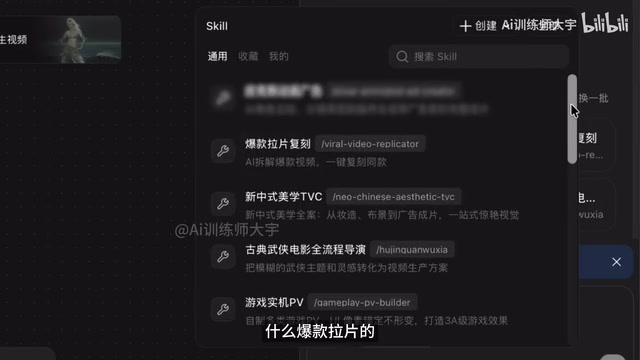
LibTV Hands-On: A Full Breakdown of How an AI Agent Produces an Animated Short in One Day
Hands-on test of LibTV's AI Agent: from script and storyboarding to video compositing, one person completes an animated short in a day. Full breakdown of the Skill library, node workflow, and Story Board features.
Read more →

·5 min
Getting Started with Codex: Four Product Forms Explained & How to Choose Between Cursor, Claude Code, and Codex
In-depth analysis of OpenAI Codex's four forms (CLI, web, plugin, app), comparing Codex, Claude Code, and Cursor on price, stability, and use cases to help developers choose the right tool.
Read more →

·2 min
Hands-On with the CodeWorld Plugin: An AI Photo-Editing Tool Where You Point and It Changes
CodeWorld is a Codex-native infinite canvas plugin that lets you edit photos directly by drawing annotated leader lines. In our test, editing three spots at once only changed the marked areas while preserving overall detail—beginner-friendly, one line to install.
Read more →