#LangGraph comparison
102 related articles
 Tutorials
·3 min
Getting Started with LangChain: Core Concepts and Hands-On Guide for LLM and Agent Development
A systematic guide to LangChain's core features, covering LLM vs. Agent concepts, unified interface design, multi-provider support, environment setup, and hands-on code examples for AI app development.
Read more →
 Product Reviews
·3 min
Warp 2.0 Deep Dive: An AI Development Environment with Multi-Agent Parallelism
Deep dive into Warp 2.0's Agent Development Environment (ADE): multi-agent parallel orchestration, terminal editor, AI coding platform, hands-on SaaS app building, and comparison with Cursor and Claude Code.
Read more →
 Deep Dives
·3 min
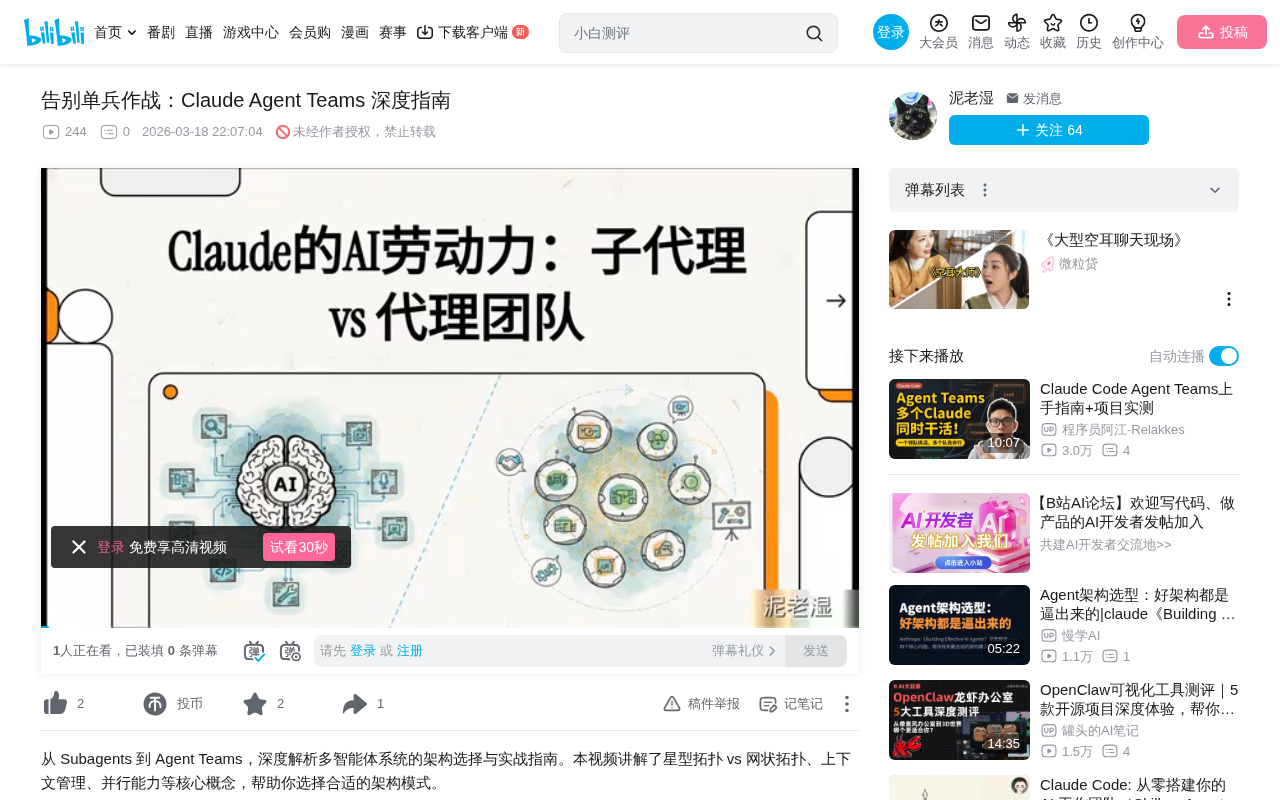
Claude Sub-agents vs Agent Teams: How to Choose Between Two AI Multi-Agent Collaboration Patterns
Deep comparison of Claude sub-agents vs agent teams: architecture differences, use cases, and real-world results. A Pokémon RPG case study shows how agent teams achieve 95%+ feature completeness.
Read more →
 Tutorials
·3 min
LangGraph + MCP: A Practical Guide to Building Enterprise-Grade ChatBI Data Analysis Agents
Learn how to build a ChatBI data analysis Agent from scratch using LangGraph + multi-MCP architecture, covering centralized-to-decentralized evolution, NL2SQL, agent orchestration, and enterprise deployment.
Read more →
 Tutorials
·2 min
LangGraph vs LangChain: How to Choose Your Agent Development Framework
In-depth comparison of LangGraph vs LangChain: controllability, extensibility, and FastAPI-powered performance. Covers storage, enterprise private deployment, and migration guidance for agent developers.
Read more →
 Deep Dives
·2 min
Agents Need Control Flow, Not More Prompts
Why do longer Prompts make AI Agents less stable? This article explains the control flow first architecture, replacing natural language control flow with code orchestration to boost multi-step reliability from 40% to over 90%.
Read more →
 Tutorials
·3 min
From Traditional RAG to Agentic RAG: Principles Compared and Enterprise-Grade Implementation Guide
Deep dive into traditional RAG limitations and Agentic RAG upgrades, with ChatBox source code analysis covering core tool design, intelligent decision flows, and LangGraph implementation for enterprise deployment.
Read more →
 Tutorials
·3 min
Frontend Engineers Leveling Up to AI Agents: LangGraph.js Architecture Design & Practical Guide
How can frontend engineers advance into AI Agent development? This guide covers LangGraph.js core architecture (state, nodes, edges), LangChain comparison, and workflow agent design with practical examples.
Read more →
 Tutorials
·3 min
Enterprise Multi-Agent Development: Low-Code Platforms vs. Hand-Written Code — An In-Depth Comparison
In-depth comparison of two enterprise multi-agent development approaches: low-code platforms like Dify vs. hand-written code with LangGraph. Covers efficiency, flexibility, security, and prompt injection defense strategies.
Read more →
 Tutorials
·3 min
Deep Agents: Enterprise-Grade Agent Engineering and Deep Research Implementation Guide
Learn how the Deep Agents framework solves enterprise AI Agent challenges like tool sprawl and context pollution, with a complete Deep Research implementation guide covering task decomposition, multi-source integration, and structured report generation.
Read more →
 Tutorials
·3 min
Enterprise AI Agent Four-Layer Architecture Design and PDCA Continuous Optimization Practical Guide
Deep dive into enterprise AI Agent four-layer architecture design (User, Gateway, Agent Service, Capability layers) with PDCA optimization methodology and dual manual+automated evaluation for production-grade Agent systems.
Read more →
 Tutorials
·2 min
Frontend to AI Full-Stack: Complete Skill Tree & Learning Roadmap
A complete skill tree for frontend developers transitioning to AI full-stack engineers, covering TypeScript, NestJS, LangChain JS, RAG, vector databases, and Tauri 2 with a clear learning roadmap.
Read more →
 Tutorials
·1 min
Claude Code Workflow Practical Guide: Multi-Agent Workflow Orchestration Driven by JS Scripts
A detailed guide to Claude Code's new Workflow feature: use JavaScript scripts for precise multi-Agent orchestration. Covers setup, workflow patterns, SubAgents comparison, and reusable scripts.
Read more →
 Tutorials
·2 min
500 Million Tokens Per Day: Real-World AI Programming Experience with DeepSeek Powering a UE5 Project
A UE5 developer shares hands-on AI programming with 500M tokens/day: DeepSeek V4 Pro multi-agent architecture, 95%+ cache hit rate cost control, and documentation-first workflow at just $3-8/day.
Read more →
 Tutorials
·2 min
Beginner's Guide to AI Large Language Models: GPU Requirements & Core Tech Stack Explained
2025 complete guide to AI LLMs: local deployment GPU/VRAM requirements (RTX 4090/24GB) and core tech stack including Prompt Engineering, Agents, MCP, LangGraph, and WorkFlow orchestration.
Read more →
 Tutorials
·4 min
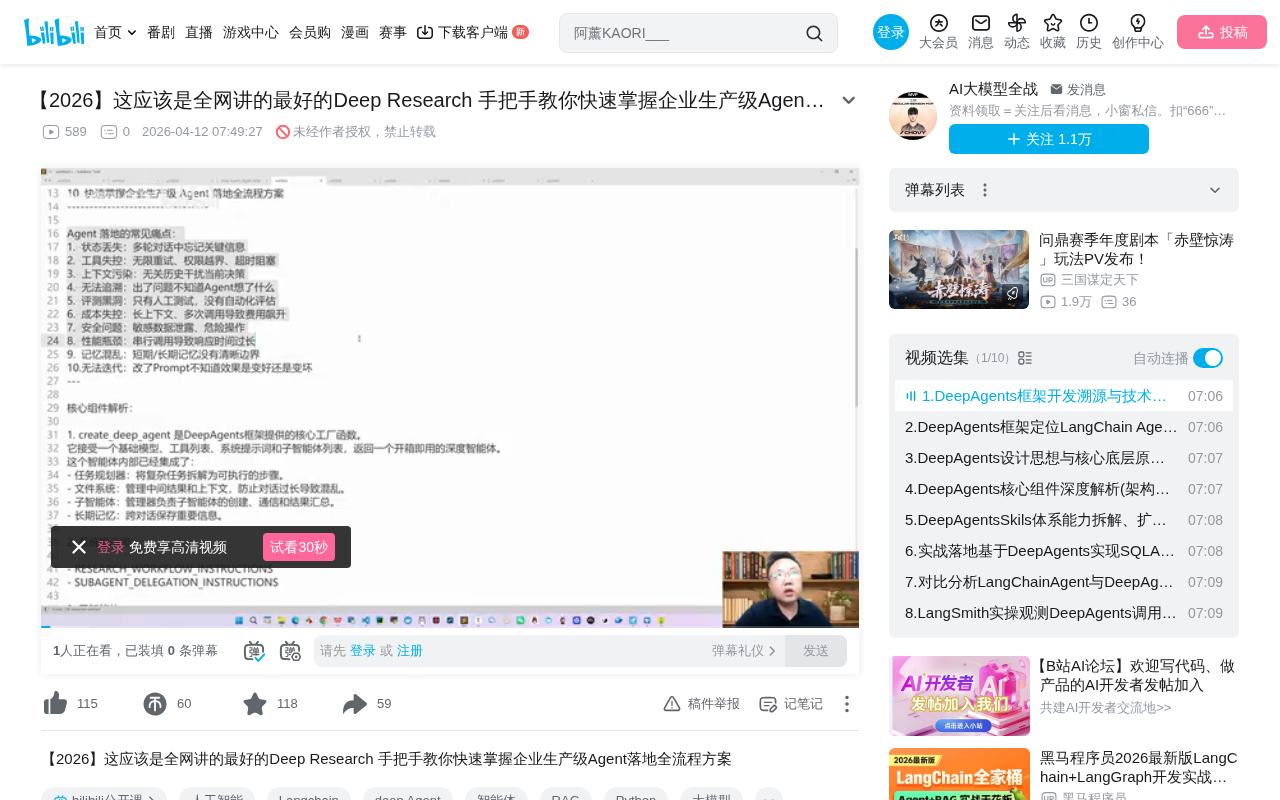
Enterprise Deep Research Agent Implementation Guide: Architecture Design and Core Pain Points
A deep dive into enterprise Deep Research Agent deployment: architecture design, LangChain framework, and solutions to the top 10 pain points including tool chaos, context contamination, and cost control.
Read more →
 Tutorials
·3 min
Building an AI Workstation: A Layered Tool Strategy and Physical Isolation Guide
A practical guide to building an AI workstation: physical isolation with vertical screens, pyramid tool layering (Doubao/Trae/Claude/GPT-4), and real Token cost breakdowns to maximize AI workflow efficiency on a budget.
Read more →
 Tutorials
·3 min
Commercial AI Agent Development Guide: 7 Key Steps to Build from Scratch
A complete guide to building commercial AI Agents in 7 steps: requirements analysis, model selection, prompt engineering, Dify/Coze platform comparison, data storage, testing, and deployment.
Read more →
 Deep Dives
·3 min
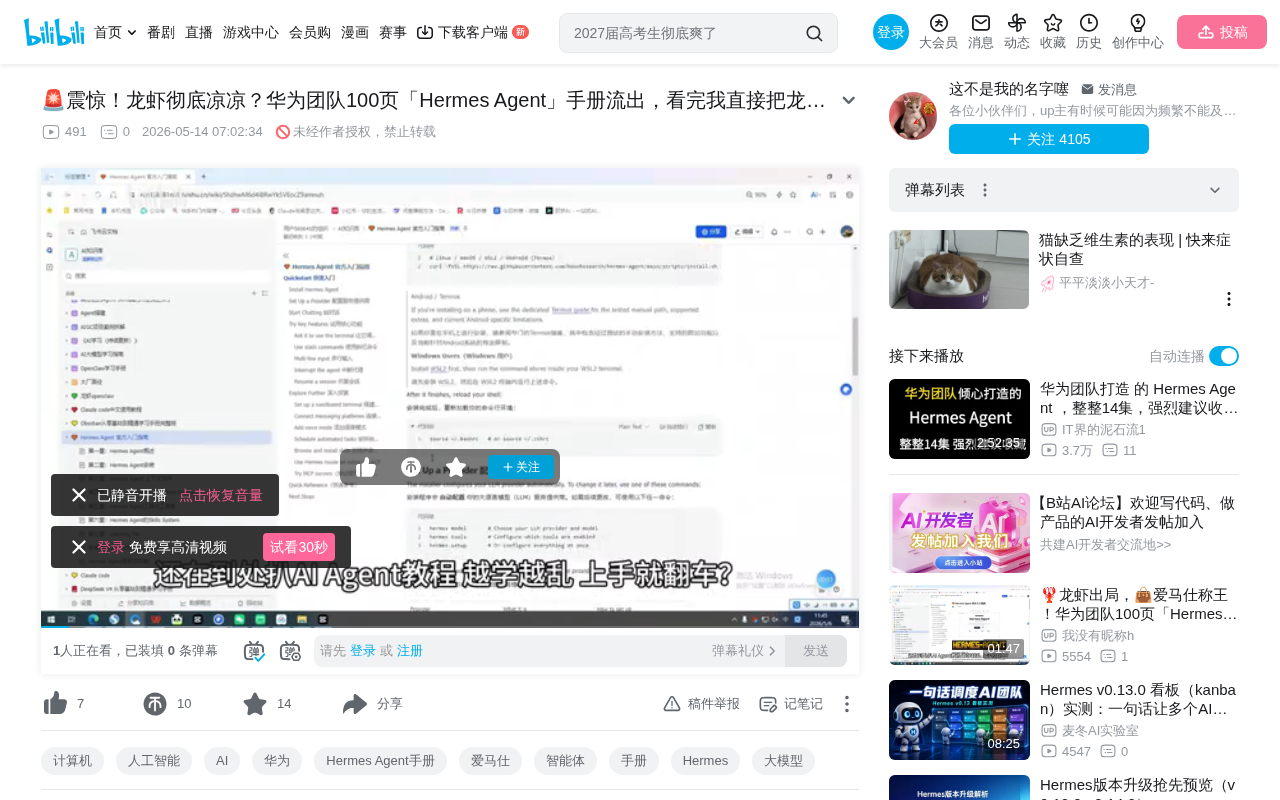
Hermes Agent Deep Dive: Five-Layer Memory Architecture and Self-Evolution Mechanism Fully Explained
A deep dive into Huawei's open-source Hermes Agent framework: five-layer memory architecture, self-evolution loop, multi-agent collaboration, and comparison with Open Manus.
Read more →
 Product Reviews
·3 min
How to Choose an AI Agent Framework in 2026? Pros and Cons of Four Leading Solutions
Compare four leading AI Agent frameworks in 2026: Coze, AutoGen, CrewAI, LangChain, and AutoGen Studio — covering coding requirements, private deployment, and commercialization.
Read more →