#MCP协议
91 related articles
The Five-Step Breakdown of MCP Tool Ca…
The Five-Step Breakdown of MCP Tool Calls: How AI Actually Executes Actions
Breaking down the five steps of MCP tool calls: client fetches the tool list, host injects descriptions, model selects and fills parameters, human authorization precedes the call, and the server executes and returns. Explaining why the model only writes text, why real execution happens in client and server, and how tool description quality determines Agent reliability.

AI Agent Controls Graphic Editor via MCP: Codex + PhotoCraft in Practice
Codex agent uses MCP to operate the PhotoCraft graphic editor, enabling precise layer-level editing of local design files: adjusting text position, case conversion, and turning screenshots into layered designs—all processed locally for privacy, with the ability to chain Word, Excel, and video tools into a creative workflow.

Will the MCP Protocol Replace APIs? The Essential Difference in Two Minutes
What's the difference between MCP and traditional APIs? This article uses a vending machine analogy to explain the division of labor: APIs handle deterministic software-to-software calls, while MCP lets AI models dynamically select tools—collaboration across layers, not replacement.

SAP Meets MCP: 5 Architecture Patterns for AI Agents Connecting to S/4HANA
An in-depth look at five MCP integration architecture patterns in the SAP ecosystem: ABAP toolchain, Integration Suite MCP gateway, zero-code OData proxy, operations server, and in-stack ABAP, covering identity propagation and pre-launch checklist.

Understand MCP in 40 Seconds: 5 Core Concepts Every AI Engineer Should Know
Understand MCP (Model Context Protocol) through five core concepts: MCP Host, MCP Client, MCP Server, Tools, and the protocol itself—ideal for AI engineer interview prep and technical onboarding.

MCP Official Servers v2.0.0 Released: Full Compatibility with the New Protocol
MCP official servers v2.0.0: four TypeScript npm packages and three Python servers fully support the 2026-07-28 modern spec while staying compatible with legacy clients. Node baseline raised to 24, unknown-tool errors now JSON-RPC -32602, plus a documented known issue with git branch names literally "null".

The MCP Stateless Revolution: A Deep Dive into the 2026-07-28 Spec and Hands-On Migration
MCP 2026-07-28 removes the initialize handshake and session IDs for a fully stateless protocol. Spec changes, server/discover, requestState signing, MRTR, and a full TypeScript SDK v2 migration checklist with pitfalls.

How MCP Quietly Became the AI Agent Standard: A Deep Dive into 17,000+ Servers
How MCP became the de facto standard for connecting AI agents to tools, with 17,000+ servers—its N+M architecture, runtime discovery, security risks, and production best practices.

Meta Advertising MCP Server Comes to Databricks: Direct Path from Customer Data to Ad Delivery
Meta brings its advertising MCP server to Databricks, enabling enterprises to connect customer intelligence directly to ad delivery. Here's what it means for your marketing tech stack.
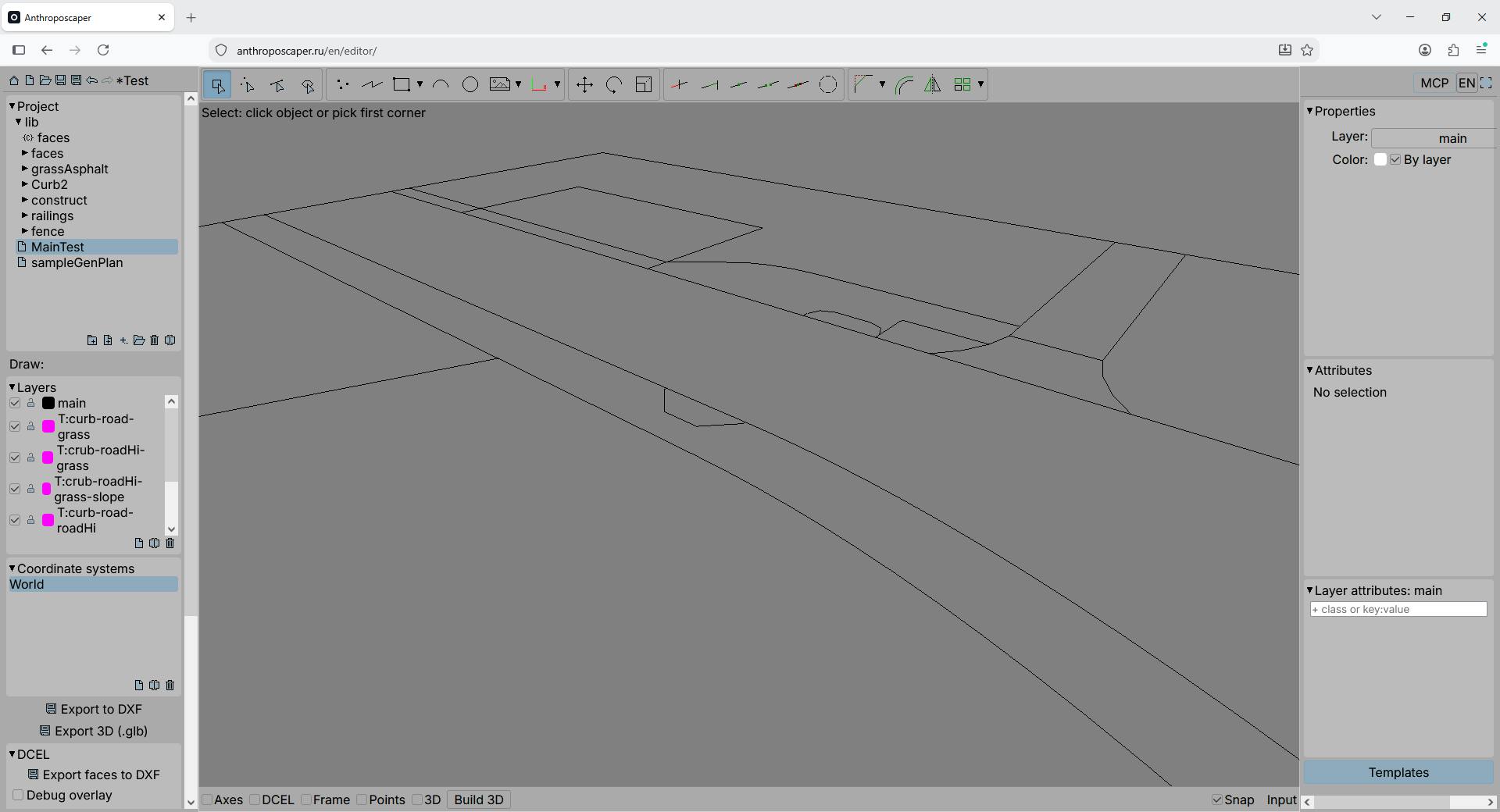
Anthroposcaper: Label Your 2D Floor Plan, Generate a 3D City Scene in One Click
Anthroposcaper converts 2D floor plans into 3D city scenes via labels. Supports DXF import, GLB templates, auto corner handling, MCP-based AI agent integration, and GLB export for game engines.

Clueso MCP: An AI Tool for Generating and Editing Videos Through Chat
Clueso MCP topped Product Hunt by letting you create and edit videos through Claude or ChatGPT via the MCP protocol — covering storyboarding, voiceover, music, and editing, with all outputs staying editable.

WeWeb MCP: Let AI Agents Build Your App While You Stay in Control
WeWeb MCP lets AI agents like Claude Code and Cursor auto-build app pages, workflows, and data models — all changes land in a visual editor for human review and control.
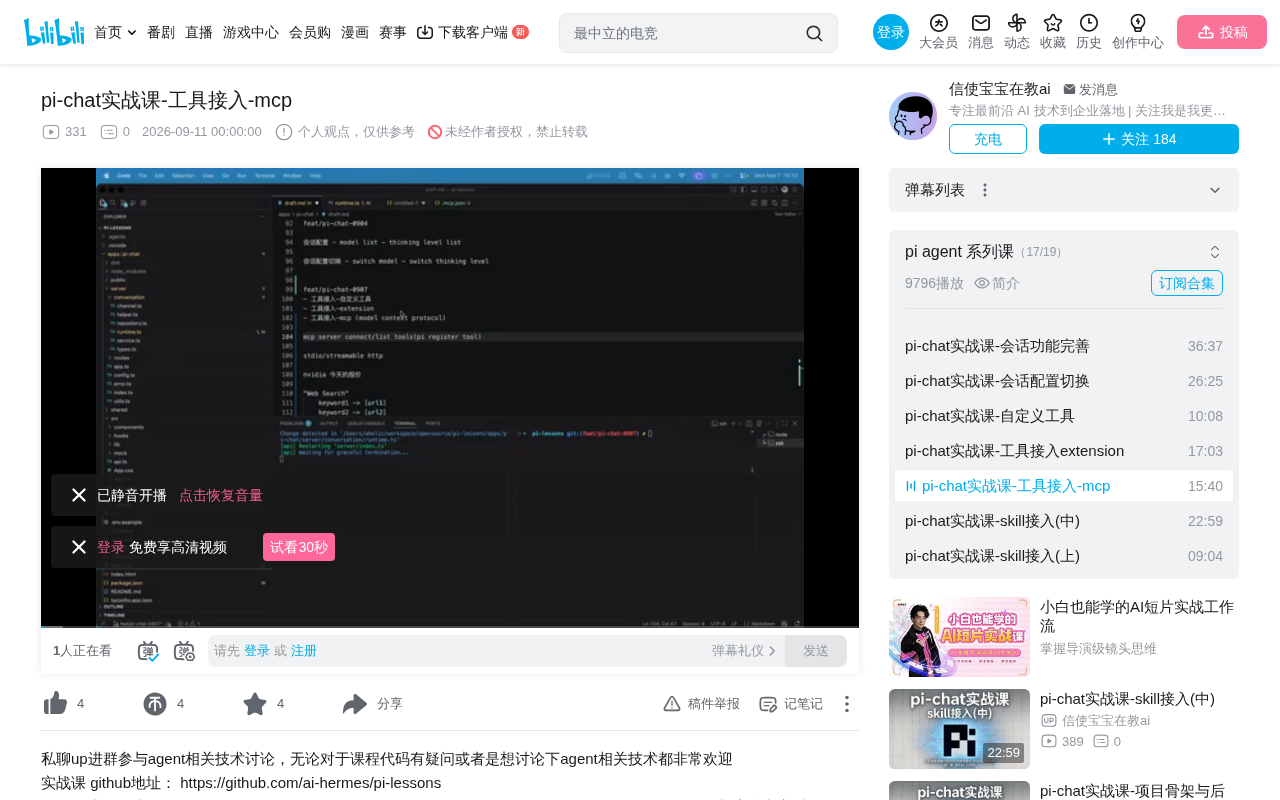
Pi-chat in Practice: Connecting External Tools to AI Agents via MCP Protocol
Learn how to integrate external tools into AI Agents using MCP protocol with Pi framework. Covers pi-mcp-adapter setup, .mcp.json config, Extension Factory initialization, and a live 12306 train ticket query demo.
 Tutorials
MCP Protocol in Practice: Building an AI Investment Analysis Agent with TradingView + Notion
A detailed guide on MCP protocol vs Skills, integrating TradingView and Notion MCPs to build an automated investment analysis Agent with market scanning, backtesting, and report generation.
 Deep Dives
MCP and A2A Protocols Explained: The USB Era of Agent Interoperability
A deep dive into MCP (Model Context Protocol) and A2A (Agent-to-Agent Protocol) — their architecture, core features, and how they work together to enable plug-and-play agent interoperability.
 Tutorials
MCP vs CLI: 40x Token Cost Difference — How AI Engineers Should Choose
In-depth comparison of MCP vs CLI architecture, Token costs (CLI ~1400 vs MCP ~54600), security mechanisms, and use cases with practical selection guidance for AI engineers.
 Tutorials
MCP Service Hybrid Deployment in Practice: Integrating Tools, Resources, and Prompts into a Single Service
Learn how to integrate Tools, Prompts, and Resources into a single MCP service. A practical guide to hybrid deployment that breaks the single-responsibility misconception for production environments.
 Tutorials
MCP Protocol Explained: Differences from Function Calling and Agent Tool Development in Practice
Deep dive into MCP (Model Context Protocol): its principles, communication architecture, and practical applications. Compare MCP vs Function Calling, explore client-server communication and security.
 Tutorials
Anthropic's Official MCP Tutorial: From Protocol Principles to Production Deployment
Deep dive into Anthropic's open-source MCP protocol, covering client-server architecture, tool calling mechanisms, MCP server development, and remote deployment for standardized AI integration.
 Deep Dives
MCP Protocol Explained: The Unified Standard and Complete Workflow for LLM Tool Calling
Deep dive into MCP (Model Context Protocol): core concepts, role definitions, and complete workflow. Learn how MCP Server, Client, and Host work together to standardize LLM tool calling.