#OpenAI sign up guide
901 related articles

·3 min
Why You Shouldn't Ask LLMs for Confidence Scores: The Pitfalls of Self-Reported Reliability
Asking LLMs to self-report confidence scores is a common mistake. Learn why it fails and discover reliable alternatives like logprobs, self-consistency sampling, and RAG.
Read more →

·3 min
Why You Shouldn't Ask LLMs for Confidence Scores: The Pitfalls of LLM Self-Assessed Reliability
Asking LLMs for self-reported confidence scores is a common mistake. Learn why it fails, and discover reliable alternatives like logprobs, self-consistency sampling, and RAG for uncertainty estimation.
Read more →

·4 min
Getting Started with AI Agent Development: A Complete Guide from Concept to Practice
A comprehensive guide to AI Agent architecture and development, covering automated marketing, intelligent customer service, and investment analysis scenarios with single and multi-agent collaboration.
Read more →

·3 min
Three Essential Hard Skills Traditional Product Managers Need to Transition into AI PM
How can traditional product managers transition to AI PM? This article analyzes the essential differences and details three must-have skills: AI product cognition, advanced Prompt engineering, and large model technical logic.
Read more →
·3 min
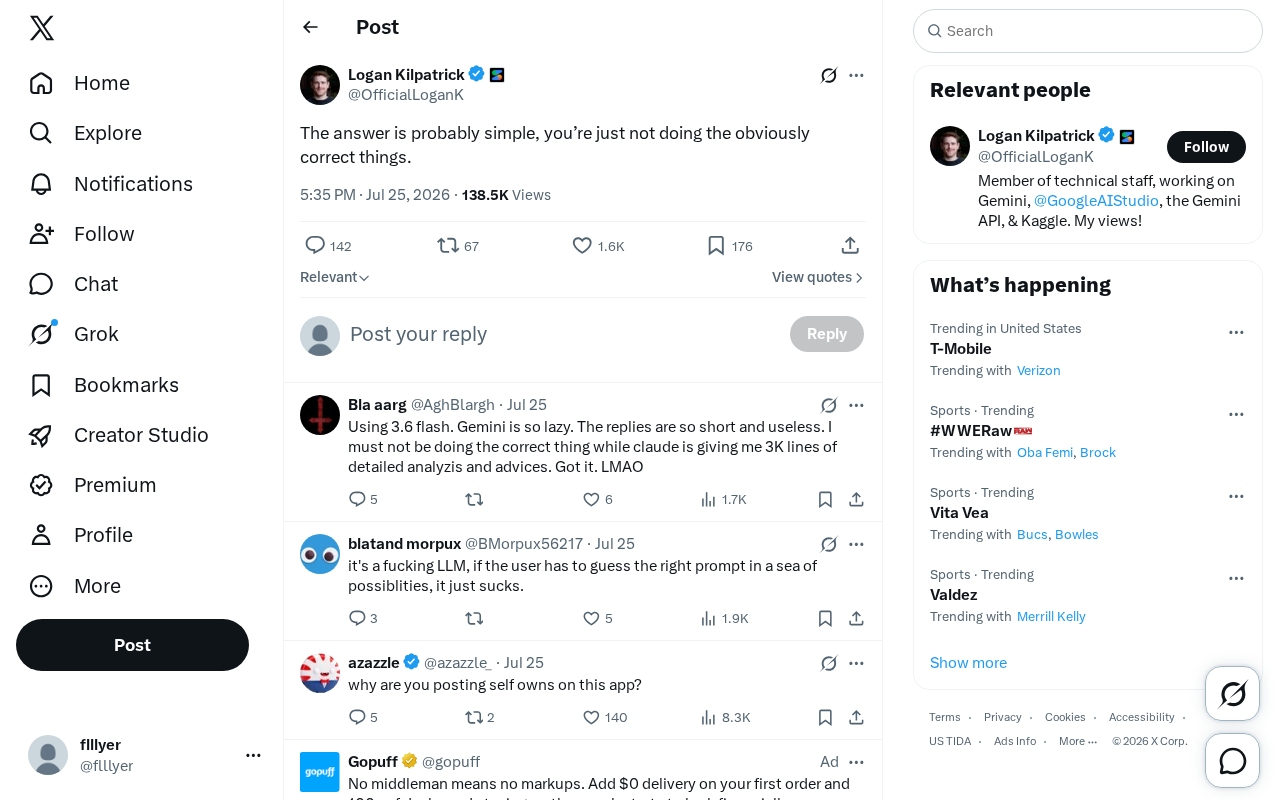
AI Not Performing Well? Start by Getting These Simple but Often Overlooked Things Right
When your AI system underperforms, the problem is often not the model or algorithm — it's basic work like data cleaning, prompt writing, and evaluation that hasn't been done right.
Read more →
·3 min
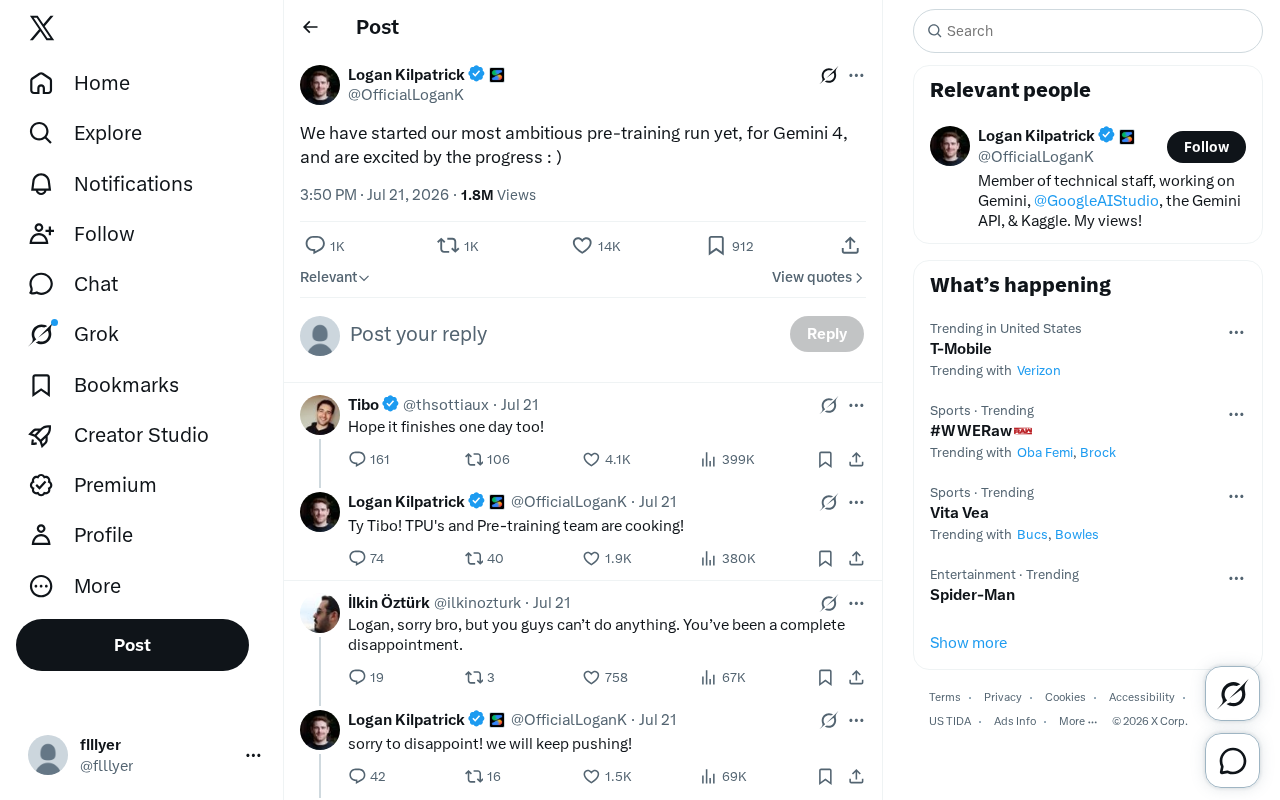
Google Launches Gemini 4 Pre-training: Its Most Ambitious AI Model Training Yet
Google DeepMind announces Gemini 4 pre-training has begun, calling it their most ambitious training yet. A deep dive into its technical direction, compute scale, multimodal breakthroughs, and competitive impact.
Read more →
·2 min
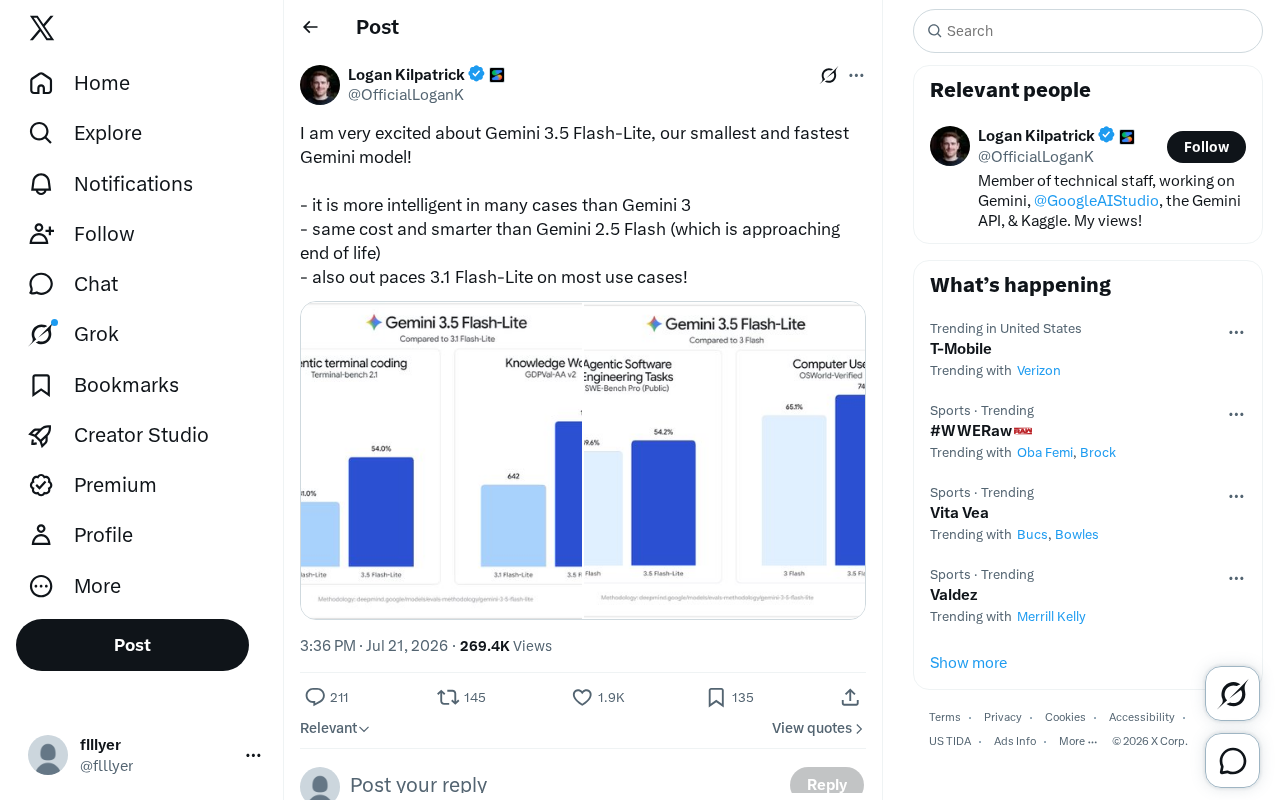
Gemini 3.5 Flash-Lite Released: The Smallest, Fastest Model Outperforms Gemini 3
Google launches Gemini 3.5 Flash-Lite, its smallest and fastest AI model that outperforms Gemini 3 in most scenarios. Learn about its key advantages, cost benefits, and impact on developers.
Read more →
·3 min
AI Not Working Well? Start by Getting These Simple but Often Overlooked Things Right
When AI systems underperform, the problem often isn't the model or algorithm — it's that basics like data cleaning, prompt writing, and evaluation aren't done right. Learn the simple fixes that matter most.
Read more →

·3 min
Grok 4.5 Feels Weaker in Cursor? A Deep Dive into AI Coding Tool Integration Differences
Users report Grok 4.5 underperforms in Cursor vs. the official terminal. We analyze how system prompts, context management, parameters, and tool calling create AI coding tool integration gaps.
Read more →

·3 min
Deconstructing Agents: Task Decomposition, Context Compression, and the Case Against Heavy Frameworks
A deep engineering analysis of Agent internals: how LLMs decompose tasks via tool calling, why context compression and memory are essential, and why solo developers should avoid heavy frameworks.
Read more →

·3 min
DeepSeek Ignites Open Source vs. Closed Source Debate in Silicon Valley, Splitting Tech Giants into Rival Camps
DeepSeek's open source model shakes Silicon Valley. OpenAI defends closed source while Microsoft, NVIDIA, and Meta back open ecosystems. Analysis of the AI open/closed source debate, Apple-Micron chip tensions, and AI-driven historical disinformation.
Read more →

·3 min
Open Source vs. Closed Source: Who Will Win the US-China AI Battle?
Chinese open-source models DeepSeek and Kimi K3 are challenging OpenAI's closed-source dominance. Analyzing the business logic, chip ecosystems, and US-China strategic dynamics behind the open vs. closed AI debate.
Read more →

·3 min
Codex Beginner's Guide: Hands-On Review of OpenAI's Programming Assistant with Practical Tips
A detailed guide to OpenAI Codex's core features, real-world usage, comparison with Claude Code, and DeepSeek configuration tips for developers choosing AI programming tools.
Read more →

·2 min
Getting Started with Codex: A Practical Guide to OpenAI's AI Programming Assistant with Tips to Avoid Common Pitfalls
A detailed guide to OpenAI Codex's core features and setup, comparing it with Claude Code, plus practical tips for configuring DeepSeek and avoiding common pitfalls.
Read more →

·3 min
Agent Skills Explained: Solving the MCP Context Bloat Problem
Deep dive into Anthropic's Agent Skills mechanism, explaining how Progressive Disclosure solves MCP context bloat and tool calling accuracy issues in AI agents.
Read more →

·2 min
The AI Model Race Heats Up: Reasoning Becomes the New Battleground — A Deep Dive into Flagship Model Showdowns
Deep analysis of the AI model race: from parameter competition to reasoning competition, examining tiered reasoning mechanisms, benchmark limitations, and how to rationally interpret model rankings.
Read more →

·5 min
The Complete Guide to AI Agent Development: A Four-Stage Progressive Roadmap
A systematic guide to AI Agent development across four stages: LLM fundamentals, ReAct paradigm, memory & tools, and multi-agent collaboration for developers.
Read more →

·3 min
Jensen Huang's First Tweet Backs AI Open Source — But It's Really About NVIDIA's Ecosystem Anxiety
Jensen Huang's first tweet backs AI open source, but behind it lies NVIDIA's deep anxiety over CUDA ecosystem displacement. We analyze why open-source models matter and what's really at stake.
Read more →

·2 min
DeepSeek V4 Official Release Imminent: What 1.6 Trillion Parameters Really Means
DeepSeek V4 official release is imminent. V4 Pro features 1.6 trillion parameters with million-character context. Explore the D-SPARK acceleration framework, dynamic pricing, and V4's leap to production-grade AI.
Read more →

·4 min
The Dao of DeepSeek: Liang Wenfeng on Vision, Restraint, and the Philosophy of Open Source
Analysis of DeepSeek founder Liang Wenfeng's rare investor dialogue, exploring the company's vision-driven culture, strategic restraint toward AGI, and open-source philosophy in the US-China AI race.
Read more →