#Perplexity
191 related articles

·6 min
AMD Ryzen AI Halo Dev Kit: A $4,000 Local LLM Powerhouse Taking on Apple and NVIDIA
AMD officially unveils the Ryzen AI Halo local AI dev kit, priced around $4,000 with 128GB unified memory, capable of running 70B LLMs locally. An in-depth look at its specs, pricing, and market competition.
Read more →

·3 min
How Zhuque AI Detection Works: A Guide for Content Creators on Reducing Traffic Restrictions
Zhuque is Tencent's AI content detection tool integrated into WeChat and Toutiao. This article explains how Zhuque works, why AI articles get flagged, and what creators should know about trace-removal tools and their risks.
Read more →

·6 min
The Complete Guide to GLM-5.2: Hands-On Review of an Open-Source Long-Context Model
An in-depth hands-on review of Zhipu AI's flagship GLM-5.2: 1M-token context, strong coding, mature agent workflows—at one-fifth the price of top frontier models. Covers website testing, Cursor integration, MCP tooling, and production migration.
Read more →

·7 min
The Trap of AI Visibility Dashboards: Why Most Metrics Are Meaningless
Can a brand's "visibility" in AI answers really be quantified? This article deeply dissects the methodological flaws of AI visibility dashboards—from LLM output randomness and black-box mechanisms to vanity metric traps.
Read more →

·4 min
5 Google Search AI Features That Transform Thrift and Vintage Shopping
Google Search and Google Shopping integrate AI features including semantic search, visual recognition, price comparison, and personalized recommendations to help users discover secondhand and vintage items more efficiently.
Read more →

·7 min
The C Readability Crisis: Engineering Reflections Behind Clever Tricks
Why do C programmers keep creating readability disasters? An in-depth look at macro abuse, fancy pointer tricks, and over-nesting—and how coding standards, static analysis, and code review protect maintainability.
Read more →

·7 min
Andrew Ng Teams Up with LangChain: Core Principles of LangGraph Agent Development
Andrew Ng and LangChain CEO Harrison Chase present AI Agents in LangGraph, covering five core agent design patterns and LangGraph's graph-based framework for building cyclical agentic workflows.
Read more →
·7 min
Andrew Ng Teams Up with LangChain: Core Concepts of LangGraph Agent Development
Andrew Ng and LangChain CEO Harrison Chase's AI Agents in LangGraph course covers five agent design patterns and LangGraph's graph-based framework for building cyclical AI workflows.
Read more →

·7 min
Inside the AI Fraud Industry Chain: Deepfakes and Identity Deception Revealed Through the Lily Jay Incident
The Lily Jay incident exposes the AI fraud industry chain: how deepfakes, image synthesis, and content automation create fake identities. Practical methods for identifying false content in the AI era.
Read more →

·7 min
Claude Sonnet 5 Released: The Most Powerful Agent-Capable Mid-Tier AI Model
Anthropic releases Claude Sonnet 5, its most agentic mid-tier model with planning, browser/terminal tool use, and autonomous execution—bringing flagship Agent capabilities at significantly lower cost.
Read more →

·7 min
Claude Sonnet 5 Released: The Most Capable Agent Model at Mid-Tier Pricing
Anthropic releases Claude Sonnet 5, its most agentic Sonnet model yet. With planning, browser/terminal tool use, and autonomous execution, it brings flagship Agent capabilities to mid-tier pricing.
Read more →

·3 min
AI Tool Power Rankings: Which AI Is Best for Each Task?
After testing hundreds of AI tools, here are the best picks for 8 core tasks: Claude Opus for writing, Perplexity for research, NotebookLM for learning, Gamma AI for presentations, and more.
Read more →

·2 min
Anthropic Build Day Hackathon: How Top Developers Build AI Applications with Claude
Anthropic hosted a Build Day hackathon in Cerebral Valley, inviting top developers to demo AI apps built on Claude. Analysis of developer ecosystem strategy and industry competition.
Read more →

·4 min
How to Choose Among 10 AI Tools? A Practical Guide Organized by Use Case
A detailed guide to choosing among ChatGPT, Gemini, Claude, Perplexity, NotebookLM and other AI tools by use case, helping you decide which tool fits each task in seconds.
Read more →

·2 min
Superhuman Acquires GPTZero: AI Email Tools and AI Detection Are Converging
Superhuman acquires AI detection startup GPTZero, signaling the convergence of AI generation and detection tools. Analysis of the deal's strategy and impact on education and content industries.
Read more →

·2 min
DiffusionGemma: Google's Text Diffusion Model Achieves 4x Inference Speedup
Google launches DiffusionGemma, a text diffusion language model achieving 4x faster inference than Gemma 4 series. Learn how text diffusion works and its impact on AI.
Read more →

·3 min
Four Prompts to Remove the AI Smell from Your Articles, Plus Detection Tools and a Complete Workflow
Four tested prompts to fix AI-generated articles: remove clichés, simplify structure, add conversational tone, and adjust voice. Includes detection tools and a complete workflow.
Read more →
·2 min
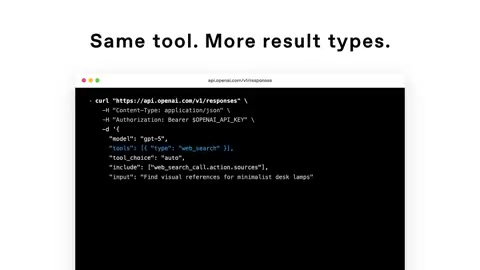
OpenAI Responses API Image Search Feature Explained: A Practical Guide to Multimodal Search Development
OpenAI Responses API adds image search capability, letting developers get text and image results via a single interface. Learn the feature details, use cases, and impact on AI development.
Read more →
·2 min
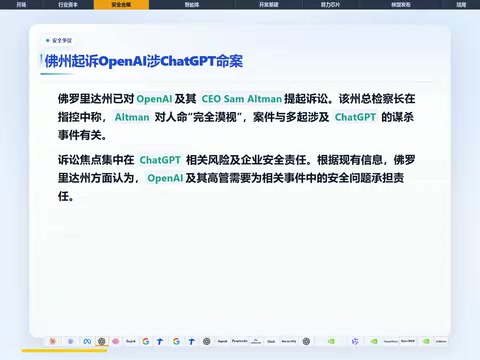
June 2 AI Industry Roundup: NVIDIA's 550B Model, xAI's Coding Model, and More Major Releases
June 2, 2025 AI roundup: NVIDIA's 550B Nimitron 3 Ultra, xAI Composer 2.5, Anthropic & ZhiPu IPOs, OpenAI's agentic OS prototype, and key advances in agents, compute infrastructure, and open source.
Read more →
·4 min
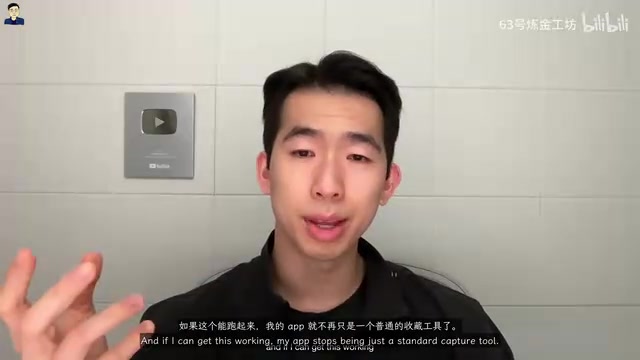
The Complete AI Programming Workflow: An Efficiency Revolution from Codex to Ghost
A deep dive into an indie developer's AI programming workflow, covering Codex, Ghost database management, Create Skills context system, and MCP servers for maximum efficiency.
Read more →