#SuperPower
61 related articles

·3 min
Claude Code vs. Codex: A Practical Guide to Enterprise-Grade AI Programming
A deep dive into enterprise AI programming with Claude Code and Codex — from Vibe Coding limitations to SuperPower engineering workflows, model selection, and AI aggregation platforms.
Read more →

·3 min
AI Engineering in Practice: From Vibe Coding to Enterprise-Grade Development
Explore three AI programming modes — Vibe Coding, Plan Mode, and AI Engineering — with practical comparisons of Claude Code, Codex, and domestic LLMs, plus SDD-driven enterprise development workflows.
Read more →

·4 min
From Vibe Coding to AI-Engineered Programming: A Practical Guide to Three Levels of Mastery
A deep dive into three levels of AI programming: Vibe Coding for rapid prototyping, Plan Mode for structured development, and AI-engineered programming for enterprise-grade projects with SDD and Claude Code SuperPower.
Read more →

·3 min
6 Practical Prompt Techniques to 10x the Quality of AI Responses
6 proven prompt techniques — role-playing, deep questioning, adversarial critique, failure pre-mortem, reverse engineering, and dual-version explanation — to dramatically improve AI output quality.
Read more →

·3 min
AI Engineering in Practice: The Progression Path from Vibe Coding to Enterprise-Level Development
Deep dive into AI engineering methodology, comparing Vibe Coding vs enterprise development, covering Claude Code, Codex tool selection, SuperPower plugin practices, and the path from prototype to production.
Read more →

·3 min
Codex vs Claude Code in Practice: A Complete Guide to AI-Engineered Programming for Enterprise Projects
In-depth comparison of Codex and Claude Code for enterprise AI development, covering Vibe Coding limitations, multi-Agent workflows, OpenRouter platform architecture, and programmer learning paths.
Read more →

·3 min
The Ultimate Guide to Squeezing Every Drop from Mythos/Fable: Burning Through $8,000 in Inference Credits in 10 Days
Deep dive into maximizing Anthropic's Fable/Mythos model: 5-hour limit workarounds, dual account rotation, multi-Agent orchestration, and Mac Mini remote deployment to get $8,000 of inference from a $200 subscription.
Read more →

·3 min
Codex CLI vs. Desktop App: Choosing the Right Dev Mode by Task Type
In-depth comparison of Codex CLI vs. desktop app capabilities, analyzing the best choice for large projects, multi-file refactoring, quick bug fixes, and more.
Read more →

·2 min
How Nextdoor's Engineering Team Uses Codex to Enable Single-Engineer Full-Stack Delivery
Nextdoor's engineering lead shares how OpenAI Codex is reshaping development for their 105M-user platform: single-engineer full-stack delivery, solving tough technical problems, and deep cultural integration.
Read more →

·3 min
Must-Have Claude Code Plugins: 10 Plugins to Build a Complete Development Environment
10 curated Claude Code plugins covering automation, real-time docs, browser testing, design implementation, and security scanning, with installation order and configuration tips.
Read more →

·1 min
Antigravity SDK Hands-On: The Google Agent Runtime Behind 20 Lines of Python
Deep dive into Google's Antigravity SDK: its binary runtime architecture, key differences from Pydantic AI and LangGraph, installation pitfalls, and practical edge-case recommendations.
Read more →

·2 min
The Right Way to Use Claude Code Sub-Agents: 3-5 Beat 100 Every Time
Deep dive into Claude Code Sub-Agent mechanics: from 5 built-in Agents to custom configs, comparing ECC, Superpowers, and GizTech community solutions.
Read more →
 Tutorials
·3 min
Practical Guide: Karpathy's Four Principles for Fixing Claude Code's Three Major Pain Points
How Karpathy's four LLM programming principles fix Claude Code's false assumptions, over-complexity, and out-of-scope modifications, with installation methods and framework comparisons.
Read more →
 Tutorials
·3 min
Claude Code Hooks Configuration & Plugin Recommendations: Cross-Session Memory and Automation in Practice
In-depth guide to Claude Code Hooks event-driven mechanism and configuration, featuring CloudMemory, Everything Claude Code, and other popular plugins for automated dev workflows.
Read more →
 Tutorials
·3 min
The Right Way for Beginners to Build Products with AI: The Iterative Build Loop Explained
Vibe Coding isn't just chatting with AI. Learn the Iterative Build Loop: Discuss, Document, Develop, Learn — with VS Code and Claude Code to build products from scratch.
Read more →
 Product Reviews
·3 min
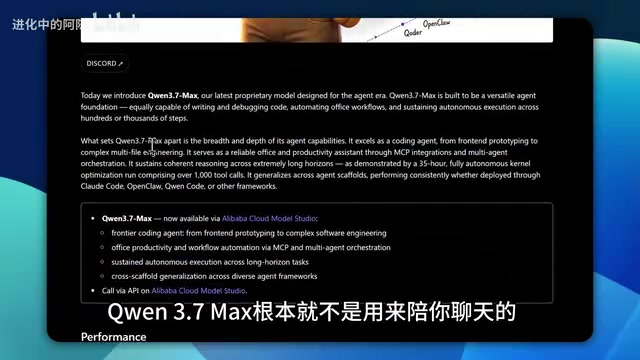
Deep Dive into Qwen3.7 Max: One-Tenth the Cost of GPT, Purpose-Built for AI Agents
Alibaba's Qwen3.7 Max targets AI agents with coding tasks at just $1.30 (one-tenth of GPT-5), supporting 35 hours of continuous execution. Deep analysis of its cost advantages, front-end capabilities, and three key limitations.
Read more →
 Product Reviews
·2 min
SuperAntigravity: An Enhancement Solution Integrating SuperClaude into Google Antigravity IDE
SuperAntigravity is an open-source project integrating SuperClaude and Superpowers into Google Antigravity IDE via Shell scripts for an enhanced AI coding experience. 446 GitHub stars.
Read more →
 Tutorials
·2 min
AgentSpan in Practice: Building Persistent AI Agents in Python with Crash Recovery and Human Approval
Learn how AgentSpan enables AI Agent state persistence with crash recovery, human approval workflows, and seamless LangGraph integration. Full Python examples included.
Read more →
 Product Reviews
·1 min
Codex Claude Plugin Deep Dive: Impressive Code Review, But Four Critical Flaws You Can't Ignore
Deep hands-on review of OpenAI's Codex Claude Plugin covering code review accuracy, adversarial security scanning, and four critical flaws including plugin conflicts, chaotic output, and data security concerns.
Read more →
 Tutorials
·2 min
Build an AI App with Codex from Scratch: A Complete Guide from Idea to Deployment
A hands-on guide to building and deploying an AI image generation website using OpenAI Codex with zero coding — covering planning, Supabase setup, and Vercel deployment.
Read more →