#cloud-native CI/CD
89 related articles

·2 min
Claude Code Templates: A CLI Guide for One-Click Configuration and Real-Time Monitoring
davila7/claude-code-templates is an open-source CLI tool built for Claude Code, supporting template-based configuration and usage monitoring, with nearly 30K GitHub stars. Learn its core features and how to get started.
Read more →
·4 min
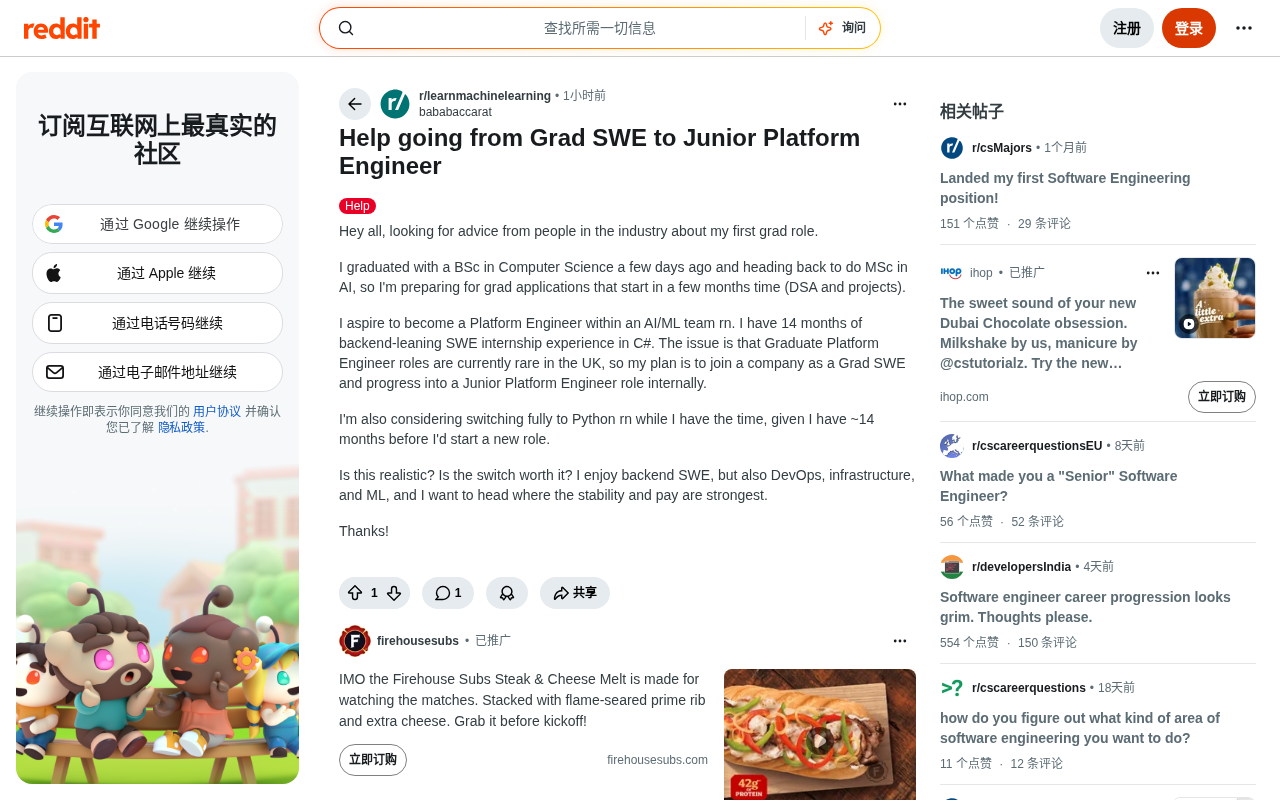
From New Grad SWE to Platform Engineer: Career Paths and Tech Stack Choices in the AI Era
How can new graduates transition from software engineer to platform engineer? This article breaks down the path of joining as a Grad SWE first, then transferring internally, analyzes C# vs Python trade-offs, and offers a 14-month prep plan for AI/ML infrastructure.
Read more →

·7 min
GitHub Copilot in Practice: The Capability Boundaries of AI Programming and the Irreplaceable Value of Humans
A developer's real case of building a dental clinic management system with GitHub Copilot and Azure SQL, revealing AI coding limits in cloud security config and how Human-in-the-Loop breaks through.
Read more →

·4 min
AI Coding Tool Security Governance: How Policy Enforcement Guardrails Ensure Enterprise Compliance
As Claude Code, Cursor, and Codex enter enterprises at scale, policy enforcement guardrails are becoming critical. A deep dive into AI coding tool security governance, cross-platform compliance, and enforcement mechanisms.
Read more →
·6 min
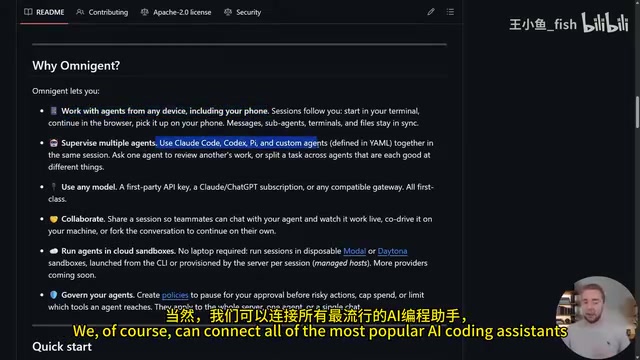
Omnigent Open-Sourced: A Meta-Harness for AI Coding Agents Built by Databricks
Databricks open-sources Omnigent, a Meta-Harness for orchestrating Claude Code, Codex, and more AI coding assistants together—with built-in guardrails, cross-model workflows, and real-time collaboration. Get started in 10 minutes.
Read more →

·6 min
AutoScout24's AI-Native Journey: How Codex and Agents Are Reshaping Enterprise Efficiency
As one of the world's largest car marketplaces, AutoScout24 is going AI-native with OpenAI Codex and agents. It built a CapEx agent in 48 hours, saving ~$1M/year, and explores hands-off coding.
Read more →

·5 min
Git Hash Chain Malleability: How Fragile Is the Immutability You Trust?
Are Git hash chains truly immutable? This article dives into Git hash chain malleability, SHA-1 collision risks, and security boundaries, offering practical tips like GPG signing and SHA-256 migration to build a correct Git security trust model.
Read more →

·7 min
LangSmith Engine: An Intelligent Operations Tool That Automatically Diagnoses and Fixes Agent Failures
LangChain's LangSmith Engine is an intelligent agent tool for tracking Agent failures, prioritizing issues, and auto-drafting fixes. Deep dive into its core capabilities, sandbox isolation, sub-Agent architecture, and continuous evaluation challenges.
Read more →

·7 min
A Complete Guide to LangGraph's Core Concepts: The Framework of Choice for Enterprise Agent Development
An in-depth analysis of LangGraph's core concepts: short-term and long-term storage mechanisms, its differences from LangChain, the MIT open-source license, and private deployment solutions for enterprise Agent development.
Read more →

·5 min
Why Speed Is the Most Important Quality of Software
Software speed isn't just a performance metric — it's a core feature shaping user experience and trust. Learn how responsiveness drives creativity, flow, and lasting competitive advantage.
Read more →

·6 min
Getting Started with LangChain: Unified Interfaces and Agent Development Explained
A beginner's guide to the LangChain open-source framework: explaining how to use the init_chat_model unified interface, tips for disabling DeepSeek's thinking mode, and core essentials of Agent development.
Read more →

·6 min
Gas Town: A Multi-Agent Workspace Manager Built in Go
Gas Town is an open-source multi-agent workspace manager built in Go with 16,000+ GitHub Stars. This article analyzes its architecture, Go language advantages, and typical multi-agent collaboration scenarios.
Read more →

·3 min
Building Your Own AI Studio: Full Automation from Code Generation to Deployment
A developer built Manifest Studio to automate the full pipeline from AI code generation to app deployment, using a Skill mechanism for one-sentence publishing.
Read more →
Software Factories Will Reshape Progra…
·2 min
Software Factories Will Reshape Programming Paradigms — A Deep Analysis from Warp's CEO
Warp CEO Zach Lloyd introduces the "software factory" concept: AI agents will take over repetitive coding tasks, shifting engineers from code executors to system architects.
Read more →

·7 min
A New Core Skill for Programmers: How to Effectively Lead Your AI Agent Dev Squad
Coding alone isn't enough anymore. Learn the 5 key steps to commanding AI Agents—define outcomes, split tasks, provide context, iterate small, and keep humans in the loop.
Read more →

·7 min
AI Agent Code Execution Sandbox Selection Guide: In-Depth Comparison of E2B and Four Other Solutions
In-depth comparison of five AI Agent code execution sandbox solutions—E2B, Daytona, Modal, Cloudflare Sandbox, and Vercel Sandbox—across isolation, cold start latency, state management, and pricing.
Read more →

·3 min
OpenHands Agent Canvas: The Central Control Console for Managing All AI Agents
Deep dive into OpenHands Agent Canvas: not another AI coding assistant, but a unified control plane for managing Claude Code, Codex, and other AI Agents with automated workflows and self-hosted deployment.
Read more →
·4 min
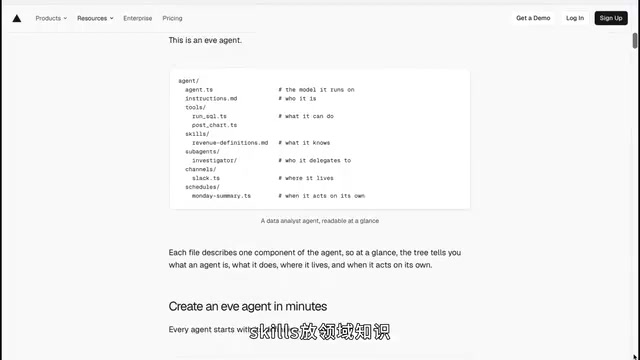
Deep Dive into Six AI Development Tools: Loop Recipe Library, Vercel Agent Framework, and More
Deep analysis of Loop workflow recipes, Vercel's open-source Agent framework, Pyker AI-native project management, Arrow P2P tool, DBX database client, and NVIDIA's Skill Spectre security tool.
Read more →

·3 min
Claude Code Installation Guide & The Five Stages of AI Programming Tools Explained
Complete Claude Code installation guide with the five stages of AI programming tools, from manual coding to agents. Learn 0-to-1 project building and 1-to-100 iteration challenges.
Read more →

·3 min
The Evolution of AI Coding Tools: Five Stages from Manual Coding to Claude Code
An in-depth analysis of five stages in AI coding tool evolution, from manual coding to Claude Code and Cursor, exploring the 0-to-1 vs 1-to-100 challenge and future trends like interrogative programming.
Read more →