#data contracts
300 related articles

·5 min
Will Chinese Open-Source Models Burst the US AI Bubble? A Deep Dive into the Transmission Chain
Chinese open-source models like Kimi K3 and DeepSeek approach US closed-source performance at a fraction of the cost. This deep dive analyzes the transmission chain from price competition to valuation reassessment.
Read more →

·4 min
Chinese AI Accounts for 58% of US Compute Consumption: How Open-Source LLMs Are Disrupting Silicon Valley
OpenRouter data shows Chinese AI models now account for 58% of US AI consumption. Silicon Valley giants like DoorDash and Airbnb adopt Kimi, DeepSeek, and Qwen for their low cost and open-weight advantages.
Read more →
·4 min
Chinese AI Accounts for 58% of US Compute Consumption: How Open-Source LLMs Are Disrupting Silicon Valley
OpenRouter data shows Chinese AI models now account for 58% of US AI consumption. Silicon Valley giants like DoorDash and Airbnb adopt Kimi, DeepSeek, and Qwen, leveraging low cost, high performance, and open weights.
Read more →

·4 min
Underrated Self-Hosting Gems: A Roundup of Niche but Powerful Open-Source Tools
Discover underrated niche self-hosted open-source tools across bookmarks, passwords, document archiving, knowledge bases, and dashboards, with deployment tips.
Read more →

·4 min
How Should Legal Education Transform in the AI Era? A Complete Guide from Curriculum Reform to Talent Development
Generative AI is profoundly disrupting the legal profession. This article explores AI's impact on law, law school curriculum reform, and the core competencies future lawyers need, including critical judgment, AI proficiency, and ethical literacy.
Read more →

·5 min
30+ Free AI & Machine Learning Classic Textbooks: All in One GitHub Repository
Awesome Free AI Books is an open-source repo with 30+ legally free AI & ML classic textbooks covering deep learning, reinforcement learning, NLP, LLMs, and more — all linking to official sources with weekly automated link checks.
Read more →
·4 min
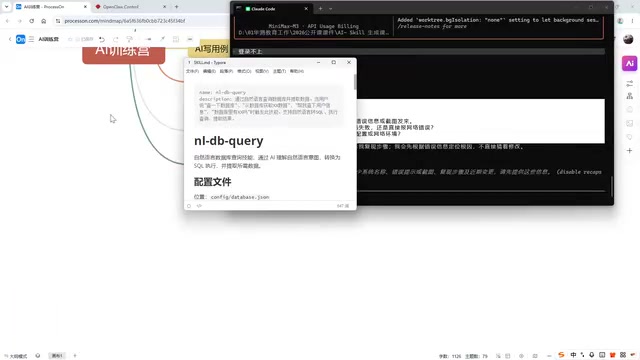
Hands-On Skill Writing and Agent Testing: A Guide to AI Testing Transformation
An in-depth look at AI testing challenges. Learn to write reusable Skill packs and master Agent testing and LLM evaluation—covering the SKILL.md six-dimensional rule, skill-creator, EvalScope, and dataset selection.
Read more →

·2 min
Agent Skills Explained: Giving AI Plug-and-Play Capability Packs
Agent Skills is a lightweight open-source format that lets AI agents extend professional capabilities on demand, like loading plugins. Learn what Agent Skills are, the problems they solve, and their modular advantages.
Read more →

·3 min
Jensen Huang Backs Chinese Open-Source AI: Great Models Deserve to Be Widely Used
NVIDIA CEO Jensen Huang says US companies should absolutely be allowed to use Chinese open-source AI models like DeepSeek and Kimi, calling backdoor fears a misunderstanding and arguing great models drive more compute demand.
Read more →
·7 min
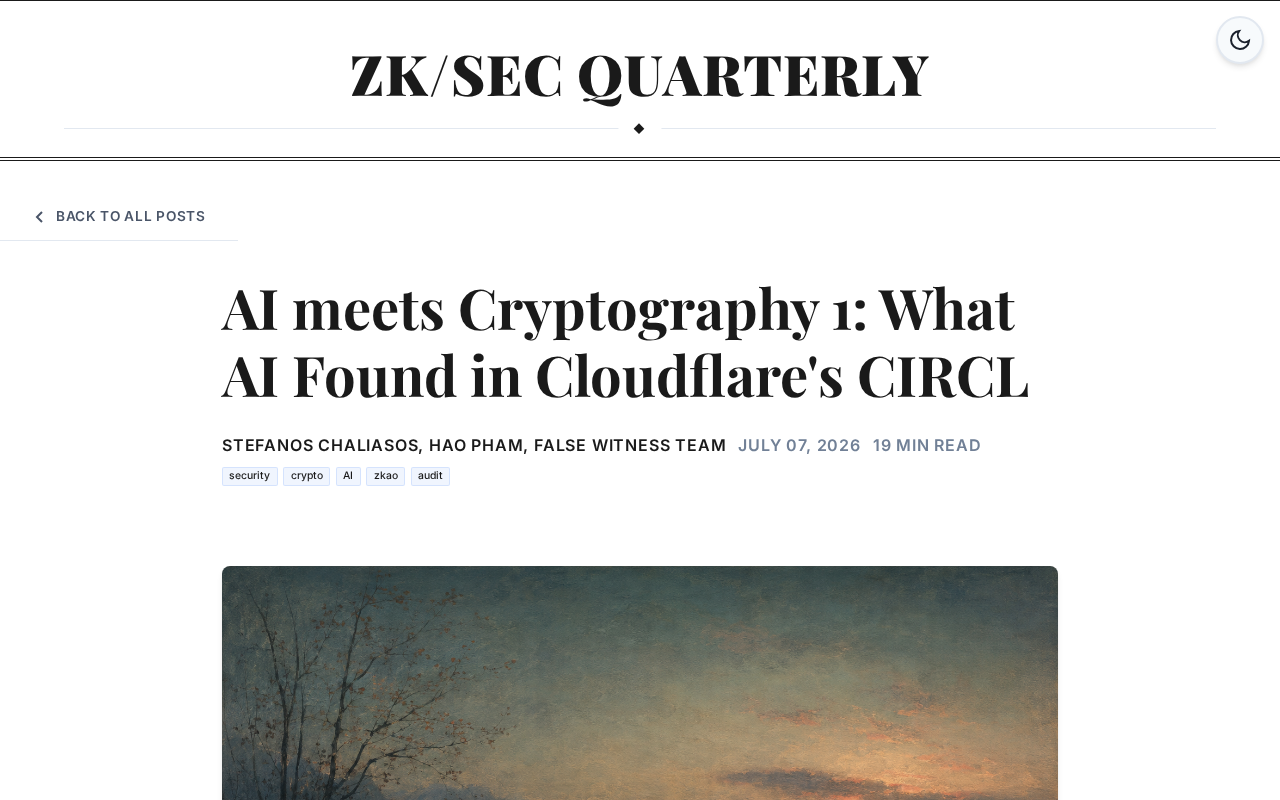
Auditing Cryptographic Libraries with AI: What We Found in Cloudflare's CIRCL
An in-depth look at using AI LLMs to audit Cloudflare's open-source cryptographic library CIRCL, covering constant-time detection, side-channel vulnerabilities, and human-AI collaboration.
Read more →

·5 min
From Vibe Coding to AI Engineering: A Complete Guide to Enterprise-Grade Development
In the AI programming era, Vibe Coding alone can only build toys. This article deeply analyzes the complete engineering path from Vibe Coding to SDD spec-driven development, covering Claude Code and Codex tool selection, the SuperPower plugin, and domestic LLM comparisons.
Read more →

·4 min
Beyond Vibe Coding: A Complete Guide to Enterprise-Grade AI Engineering
Hit the Vibe Coding ceiling? This guide covers the three-stage AI coding progression path, Claude Code vs. Codex, SuperPower SDD, and how to go from vibe coding to enterprise-grade AI engineering.
Read more →
GitHub Daily · July 23: The Duet of Ru…
·3 min
GitHub Daily · July 23: The Duet of Rust's Dominance and the AI Agent Collaboration Paradigm
GitHub Trending July 23: block/buzz tops the chart with 3,252 stars, Rust dominates system tools, and AI Agents shift from tools to parallel collaborators.
Read more →
croc: Open-Source CLI File Transfer To…
·2 min
croc: Open-Source CLI File Transfer Tool — Secure, Cross-Platform, Zero Config
croc is an open-source Go-based CLI file transfer tool with PAKE end-to-end encryption. Cross-platform, resumable, zero config — send files securely with one command.
Read more →

·4 min
UK Sovereign AI: How Cosine AI Is Punching Above Its Weight Against American Compute Dominance
Cosine AI founder reveals how the UK's first sovereign LLM is being built — from government compute grants and RL credit attribution to multi-agent orchestration and synthetic data pipelines.
Read more →
·3 min
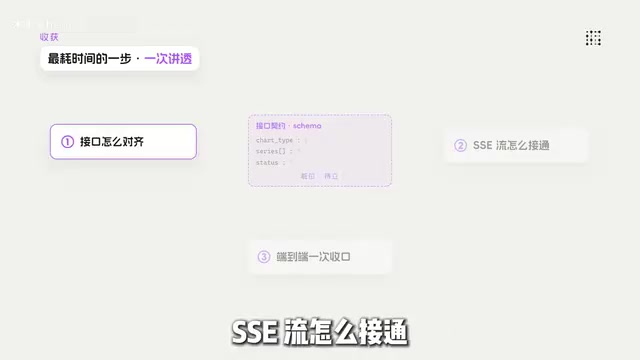
Building an Intelligent Data Analysis Agent: A Complete Guide to Interface Alignment and SSE Streaming Response Integration
A practical guide to interface alignment, SSE streaming integration, and end-to-end testing for enterprise AI Agent projects — eliminate wasted debugging and ship faster.
Read more →

·3 min
Vibe Coding in Practice: Building Your Core Competitive Edge with AI-Assisted Development
Vibe Coding is a new AI-era programming paradigm focused on logic over syntax. Use Claude Code, Cursor, and LangChain to ship products solo and 10x your productivity.
Read more →

·3 min
Deutsche Telekom's AI Customer Service Revolution: How 40 Million Interactions Are Reshaping the Service Experience
Deutsche Telekom partners with OpenAI to embed generative AI across the full call lifecycle — live translation, in-call assistance, and post-call summaries. Containment rate hits 50%, costs drop. A deep dive into telecom AI transformation.
Read more →

·4 min
Complete Guide to Running Claude Code on Amazon Bedrock
Complete guide to deploying Claude Code on Amazon Bedrock: environment setup, cross-region inference, prompt caching, cost attribution, Guardrails, and the Mantle endpoint for enterprise compliance.
Read more →

·3 min
Andrew Ng's Prompting Course: 4 Key Differences Between AI Beginners and Power Users
Andrew Ng's AI prompting course: 4 key differences between beginners and power users — from context input to iterative writing workflows and beating sycophancy.
Read more →