#declarative configuration
232 related articles

·3 min
Cynative Open-Source AI Cloud Security Tool: Audit Cloud Infrastructure with Natural Language
Cynative is an open-source AI cloud security tool that lets you audit AWS, GCP, Azure, and Kubernetes infrastructure using natural language. Its read-only architecture ensures production environments stay safe.
Read more →

·3 min
Datastar Framework Deep Dive: A New Paradigm for Hypermedia-Driven State Management
Deep dive into Datastar hypermedia framework's core philosophy and implementation. Learn how putting state in the right place simplifies frontend architecture.
Read more →

·3 min
Datastar Framework Explained: A New Hypermedia-Driven Paradigm for State Management
Deep dive into the Datastar hypermedia framework: its core philosophy, technical implementation, HTMX comparison, and how putting state in the right place simplifies frontend architecture.
Read more →

·3 min
Taming Dependabot: Three Strategies to Reduce Noise Without Sacrificing Security
Learn GitHub's official Dependabot optimization strategies: grouped updates, slower cadence, and security fast lanes to reduce PR noise while keeping vulnerabilities fixed instantly.
Read more →

·3 min
SpecJudge: A Locally-Run AI Model Selection CLI Tool
SpecJudge is a fully local CLI tool that reads project spec documents to automatically recommend the best-fit AI model, avoiding costly overuse of frontier models. Supports Ollama, MIT licensed.
Read more →

·3 min
Ollama Template Silently Overridden After GGUF Import: A Troubleshooting Guide for Custom TEMPLATE Being Ignored
Analysis of Ollama silently overriding custom TEMPLATE with GGUF-embedded templates after import. Learn to verify active templates via /api/show to prevent evaluation failures.
Read more →

·3 min
Hammer: An Offline-First Open-Source Novel Writing App with Docker Self-Hosted Sync
Hammer is an offline-first open-source novel writing app using Markdown plain text. Deploy a self-hosted sync server in minutes with Docker for cross-device sync and web publishing.
Read more →

·3 min
Hammer: An Offline-First Open-Source Novel Writing App with Docker Self-Hosted Sync
Hammer is an offline-first open-source novel writing app using Markdown plain text storage with multi-platform support. Deploy a self-hosted sync server in five minutes via Docker.
Read more →

·3 min
Gemini Managed Agents API Update: Environment Hooks and Free Tier Fully Explained
Google Gemini Managed Agents API introduces environment hooks, model selection, free tier support, and default model upgrades—empowering AI Agent developers with stronger execution control and lower barriers to entry.
Read more →

·3 min
Cynative: A Read-Only CLI Tool Written in Go That Makes Infrastructure Explainable
Cynative is a read-only CLI tool written in Go focused on explaining live infrastructure state. This article analyzes its safety-first design, explainability philosophy, and implications for cloud-native operations tooling trends.
Read more →

·3 min
Cynative: A Read-Only CLI Tool Written in Go That Makes Infrastructure Explainable
Cynative is a read-only CLI tool written in Go that focuses on explaining live infrastructure state. This article analyzes its safety-first design, explainability philosophy, and cloud-native tooling implications.
Read more →

·4 min
What It Feels Like When Production Actually Runs Like Localhost
Why does production never match local? This article analyzes root causes like config gaps and dependency drift, and explores how Docker, Twelve-Factor App, and IaC practices bridge the dev-prod divide.
Read more →
·4 min
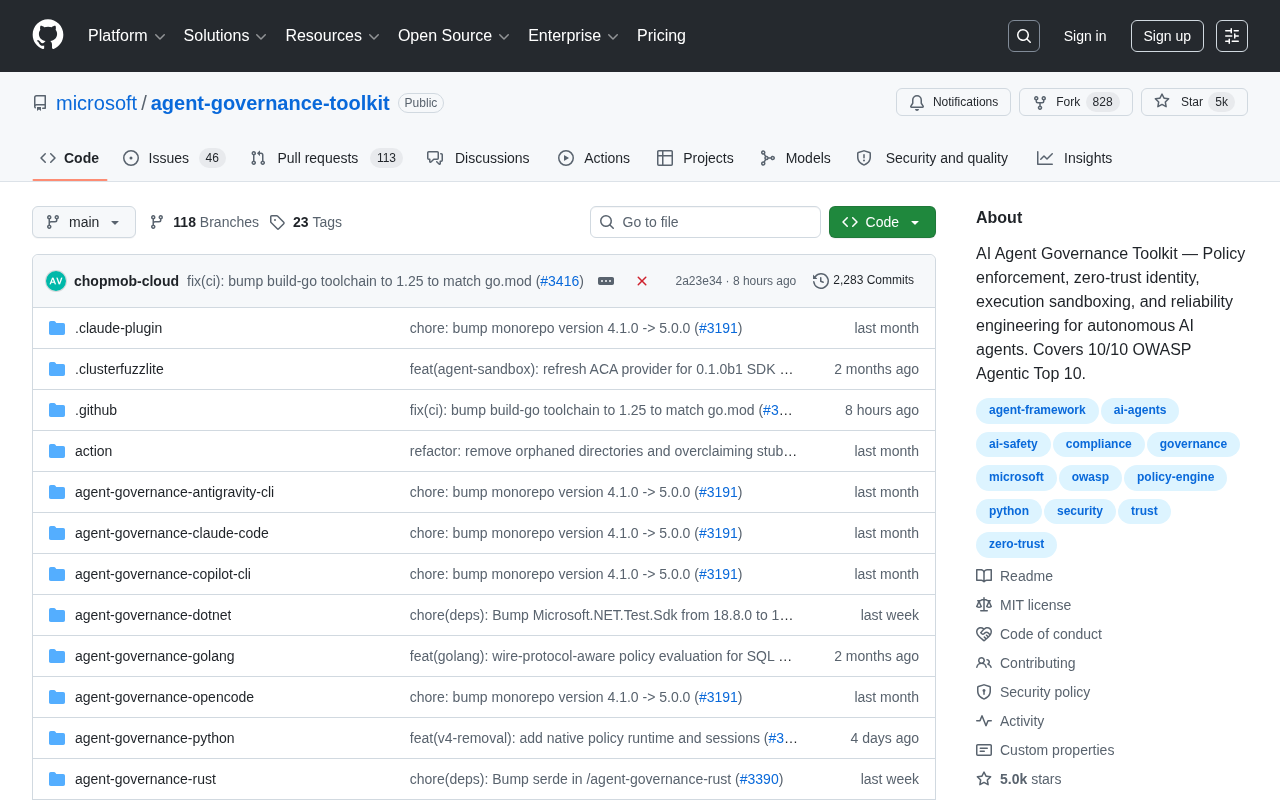
Microsoft Open-Sources AI Agent Governance Toolkit: Comprehensive Coverage of OWASP Top 10 Risks
Microsoft open-sources agent-governance-toolkit covering all OWASP Agentic Top 10 risks through policy enforcement, zero-trust identity, execution sandboxing, and reliability engineering for production AI Agent deployment.
Read more →

·6 min
Harness Engineering: From Context Engineering to the Third Phase of AI Programming
Explore Harness Engineering: the next evolution beyond context engineering for AI programming. Learn how to build enterprise-grade Skill systems and deliver real projects with mid-tier models.
Read more →

·4 min
LangChain Guardrails Explained: Building Safe and Controllable AI Agents
A detailed guide to LangChain Guardrails covering layered ecosystem architecture, middleware implementation, deterministic and model-driven protection for building production-grade secure AI Agents.
Read more →

·5 min
WebMCP in Practice: Building Browser AI Agent Tools & DevTools Debugging Guide
A detailed guide to Google's WebMCP standard proposal, covering imperative and declarative tool building, smart home and car configuration demos, and Chrome DevTools debugging for AI agent tools.
Read more →

·2 min
Chrome Web Store Review Approval Guide: Dead Code Cleanup and Packaging Best Practices
Chrome Web Store submission rejected? Learn how to pass review by cleaning dead code, removing node_modules from builds, and ensuring compliance with store policies.
Read more →
·3 min
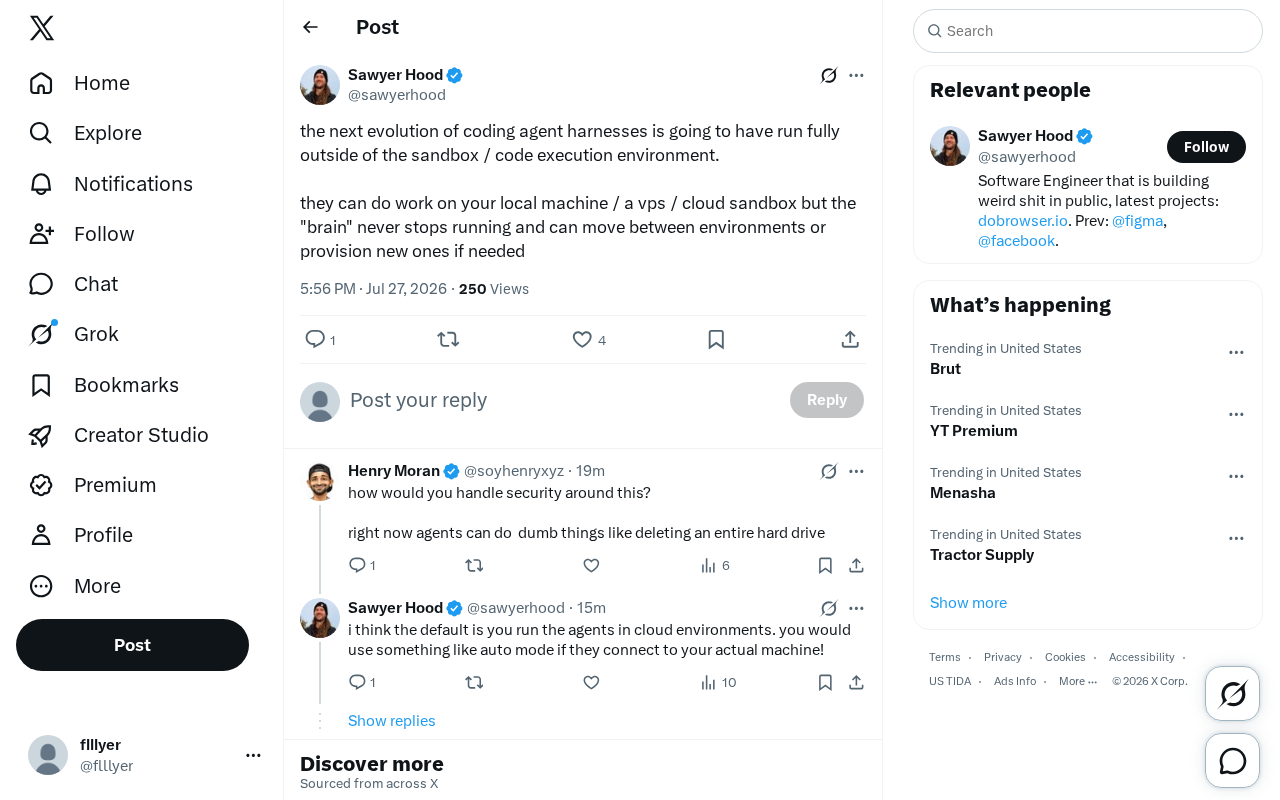
The Next Evolution of Coding Agents: Letting the Brain Break Free from the Sandbox
Exploring the key evolution in coding agent architecture: separating the reasoning core from code execution environments to decouple control and execution planes.
Read more →

·3 min
Docker Containers vs Virtual Machines for Home Servers: How to Choose the Best Architecture
Docker containers vs VMs for home servers: compare resource usage, management, security isolation, and TrueNAS considerations to find the optimal Home Lab architecture.
Read more →

·3 min
Self-Hosting Hardware Upgrade Guide: From an Old NUC to a Game Server and Beyond
A detailed guide to self-hosting hardware upgrades: analyzing NUC bottlenecks, comparing used enterprise Mini PCs and ITX builds for Jellyfin, Immich, and Minecraft servers.
Read more →