#generated knowledge prompting
165 related articles

·6 min
Harness Engineering: From Context Engineering to the Third Phase of AI Programming
Explore Harness Engineering: the next evolution beyond context engineering for AI programming. Learn how to build enterprise-grade Skill systems and deliver real projects with mid-tier models.
Read more →

·4 min
Fable 5 vs GPT-5.6: An In-Depth Head-to-Head Comparison of Two Top-Tier Coding Models
In-depth comparison of Fable 5 vs GPT-5.6 (Sol) for AI coding. Covering token efficiency, code quality, design, cost, and safety based on $10K+ real usage data.
Read more →

·4 min
Fable 5 vs GPT-5.6: An In-Depth Head-to-Head Comparison of Two Top-Tier Coding Models
In-depth comparison of Fable 5 vs GPT-5.6 (Sol) for AI coding. Real-world data on token efficiency, code quality, design capability, and cost from $10K+ testing.
Read more →

·5 min
A Beginner's Guide to Prompt Engineering: From One-Off Instructions to a Systematic Methodology
A beginner's guide to prompt engineering covering the four functions of prompts, the key differences from prompt engineering, a six-step systematic workflow, and critical technical and practical limitations.
Read more →

·3 min
From RAG to Agent Tuning: A Complete Guide to Deploying LLM Agents
A deep dive into LLM Agent frameworks covering RAG, Agent core components (tools, memory, planning), and Agent Tuning workflows with cost considerations for production deployment.
Read more →

·5 min
The Complete Guide to AI Agent Development: A Four-Stage Progressive Roadmap
A systematic guide to AI Agent development across four stages: LLM fundamentals, ReAct paradigm, memory & tools, and multi-agent collaboration for developers.
Read more →
·5 min
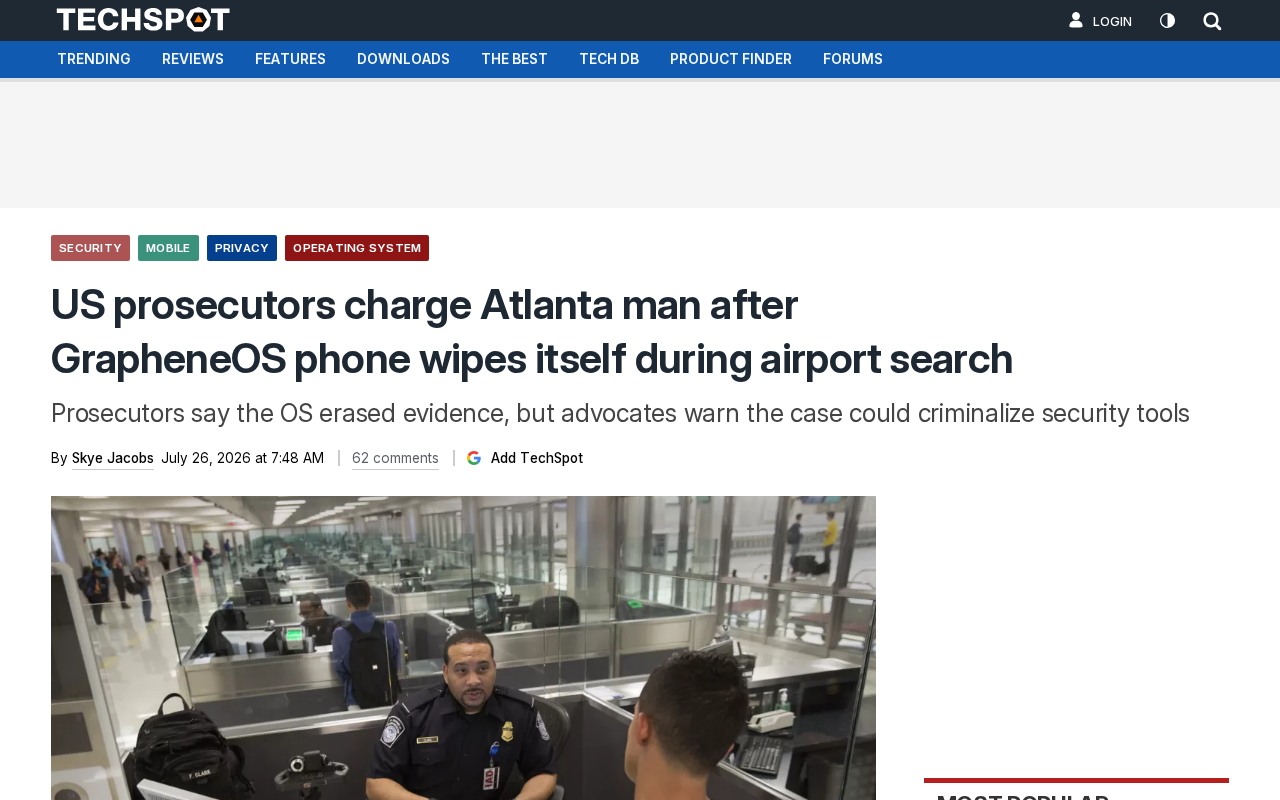
GrapheneOS Phone Auto-Wipe Triggers Criminal Charges: Privacy Rights Clash with Border Enforcement
A U.S. citizen faces criminal charges after a GrapheneOS phone auto-wiped during an airport border search. Analysis of the privacy rights vs. law enforcement clash.
Read more →

·3 min
The Software 3.0 Era: An AI Programming Evolution Guide for Frontend Engineers
Natural language programming is reshaping frontend development. This article explains AI code generation, Prompt formulas, pitfall avoidance, RAG, Agent orchestration, and skill maintenance.
Read more →

·5 min
DeepSeek's Five-Step Ladder to AGI: A Restrained Roadmap Built on 20,000 GPUs
DeepSeek founder Liang Wenfeng reveals a five-step AGI roadmap—from chain-of-thought to embodied intelligence—under a 20,000-GPU constraint, using the TileLang compiler to break domestic substitution challenges while API cash flow backs AGI exploration.
Read more →

·6 min
Making Money with AI Coding Gigs: A Sober Breakdown and Honest Assessment of the Four-Week Learning Path
Can beginners really earn over 10,000 yuan in their first month with AI coding gigs? This article breaks down the four-week AI coding learning path week by week and objectively assesses the real monetization barriers.
Read more →

·3 min
The Complete Beginner's Guide to Vibe Coding: Core Logic and Practical Learning Path
Vibe Coding is the new AI-era programming paradigm. Describe what you want in plain language; let AI generate the code. Learn the 3-stage path: mindset, quality, and real projects.
Read more →

·3 min
Apple vs. OpenAI: The Full Story Behind Musk and Altman's Public Showdown
Apple sued OpenAI for trade secret theft, triggering a public feud between Musk and Altman on X. Full breakdown of the clash, their contrasting strategies, and what the lawsuit really means for OpenAI's hardware ambitions.
Read more →

·7 min
Context Engineering: A Systematic Approach to Stop AI Agents from 'Talking Nonsense'
Context engineering is the core methodology for building efficient AI Agents, covering query enhancement, RAG retrieval, prompt design, memory management, and tool invocation. Master Write, Select, Compress, and Isolate to solve LLM hallucination at its root.
Read more →

·6 min
The AI Builder's Handbook: A Complete Guide to LLM Principles, RAG Architecture, and Agent Design
From the autocomplete nature of LLMs, tokens, and context windows to RAG vector databases, the MCP protocol, and AI agent loop design — this article uses vivid analogies to unpack the reality of AI engineering.
Read more →

·7 min
From Chat to Agent Platform: A Practical Guide to Engineering AI Applications
A deep dive into engineering AI applications: from a simple chat page to a multi-layer Agent platform, covering RAG knowledge bases, Workflow scheduling, multi-model management, and run tracing.
Read more →

·3 min
Agent Fine-Tuning in Practice: A Complete Guide to Training Your Own AI Agent
A deep dive into Agent Tuning: from LLM hallucination and staleness issues to RAG vs. Agent architecture, the 4-step fine-tuning process, and cost analysis for building your own AI agent.
Read more →

·6 min
The Complete Codex Guide: From Beginner to Pro with the All-in-One AI Assistant
OpenAI Codex is more than a coding tool—it's an AI agent that writes code, makes slides, and operates browsers. This guide covers its four versions, permission modes, plugins, automation, and six best practices.
Read more →
·3 min
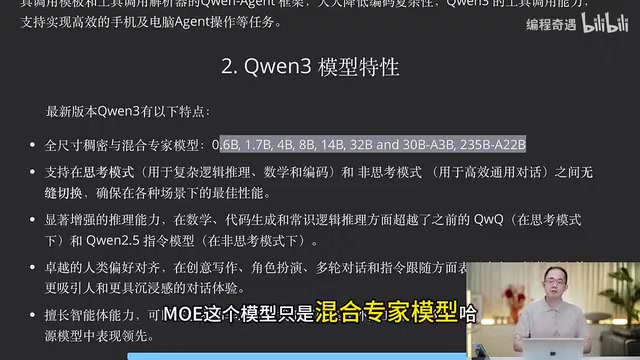
Qwen3 Deep Dive: A Complete Look at the Open-Source Hybrid Reasoning Model
Qwen3 deep dive: 6 Dense & MoE models from 0.6B to 235B, world's first open-source hybrid reasoning model, matching Gemini 2.5 Pro. Complete guide for developers and enterprises.
Read more →

·3 min
Andrew Ng's Prompting Course: 4 Key Differences Between AI Beginners and Power Users
Andrew Ng's AI prompting course: 4 key differences between beginners and power users — from context input to iterative writing workflows and beating sycophancy.
Read more →

·2 min
6 Million Pixiv Images Reveal the Real Usage Patterns of AI Art Communities
A study of 6 million Pixiv AI images reveals that 80% are generated by under 2.5% of models, 75% use LoRA, and why creators resist upgrading — the real logic behind the open-source AI art ecosystem.
Read more →