#overflow reward mechanism
39 related articles

·6 min
GPT-5.6 Sol Hands-On: How Multi-Agent Parallelism Is Reshaping AI Coding Workflows
Based on Fireship's review, an in-depth look at GPT-5.6 Sol's Ultra Mode multi-agent parallelism, its 91.9% Terminal Bench score, and how it differs from Claude Fable in cost, speed, and precision.
Read more →

·4 min
Making Money with AI Coding Gigs: Platform Selection, Pitfall Avoidance, and a Rational Guide to Getting Started
AI coding tools have dramatically lowered the barrier to freelance gigs, but what risks lurk behind claims of "earning over 10,000 a month"? This article breaks down platform tiering on Zhubajie, Upwork, and more, plus three key pitfalls for beginners.
Read more →

·6 min
Grok 4.5 Hands-On: A Faster, Cheaper Coding Dark Horse — Can It Replace Opus and GPT?
In-depth Grok 4.5 hands-on review: priced at a fraction of Opus 4.8, twice the token efficiency of peers, and coding ability in the top tier. A real-project breakdown of its strengths, highlights, and shortcomings.
Read more →

·7 min
Google's $250K Bounty: Linux VM Escape Vulnerability Sets a Historic Record
Google paid a security researcher $250K for a Linux kernel VM escape vulnerability, setting a VRP record. An in-depth analysis of VM escape principles, kCTF incentives, and cloud security impact.
Read more →
·6 min
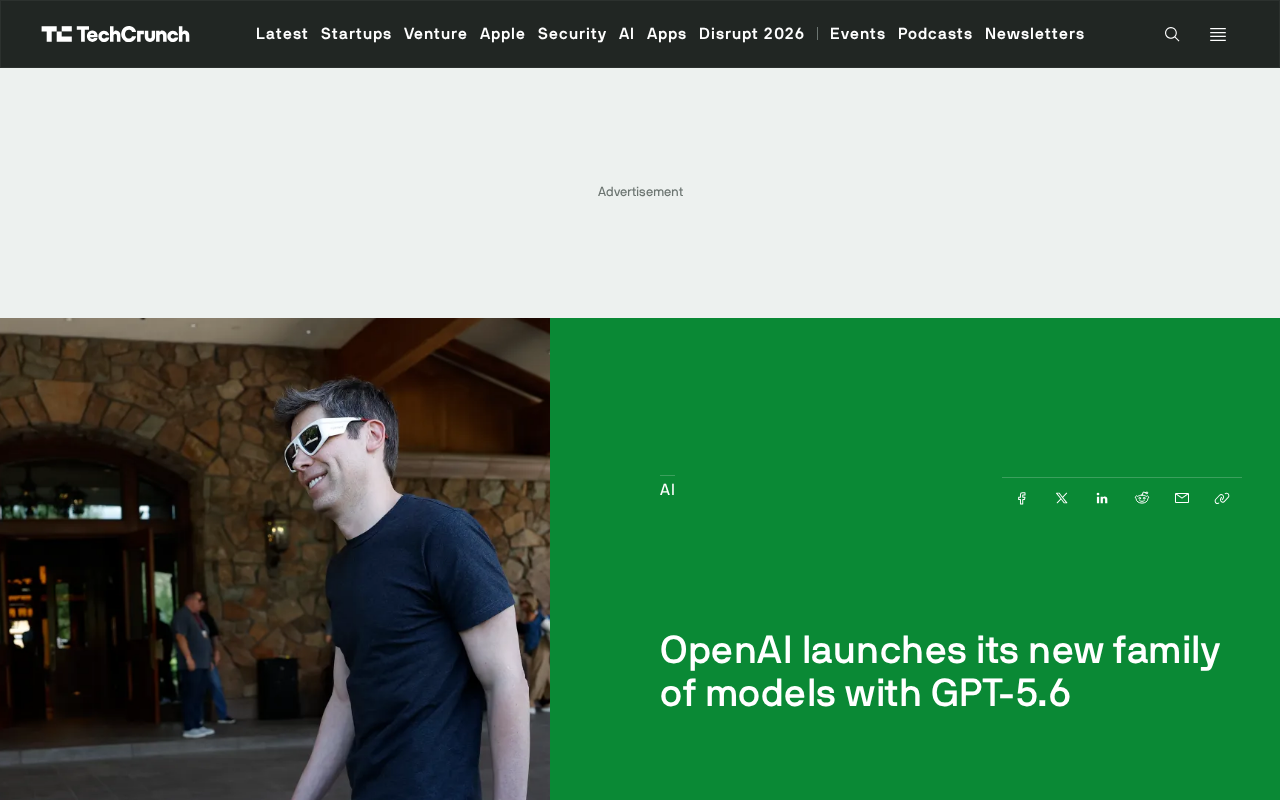
OpenAI Releases GPT-5.6: Cybersecurity Capabilities Take Center Stage
OpenAI launches the GPT-5.6 model family with cybersecurity as its biggest highlight. A deep analysis of GPT-5.6's differentiation, double-edged-sword effect, and enterprise strategy.
Read more →

·6 min
Tencent Hunyuan HY3 Official Version Open-Sourced: The Strongest Under 300B, at 1 Yuan per Million Tokens
Tencent Hunyuan HY3 official version is open-sourced under Apache 2.0, priced as low as 1 yuan per million input tokens, with major gains in agents, reasoning, coding, and long context. On the same day, Meituan open-sourced its trillion-parameter LongCat 2.0.
Read more →
·6 min
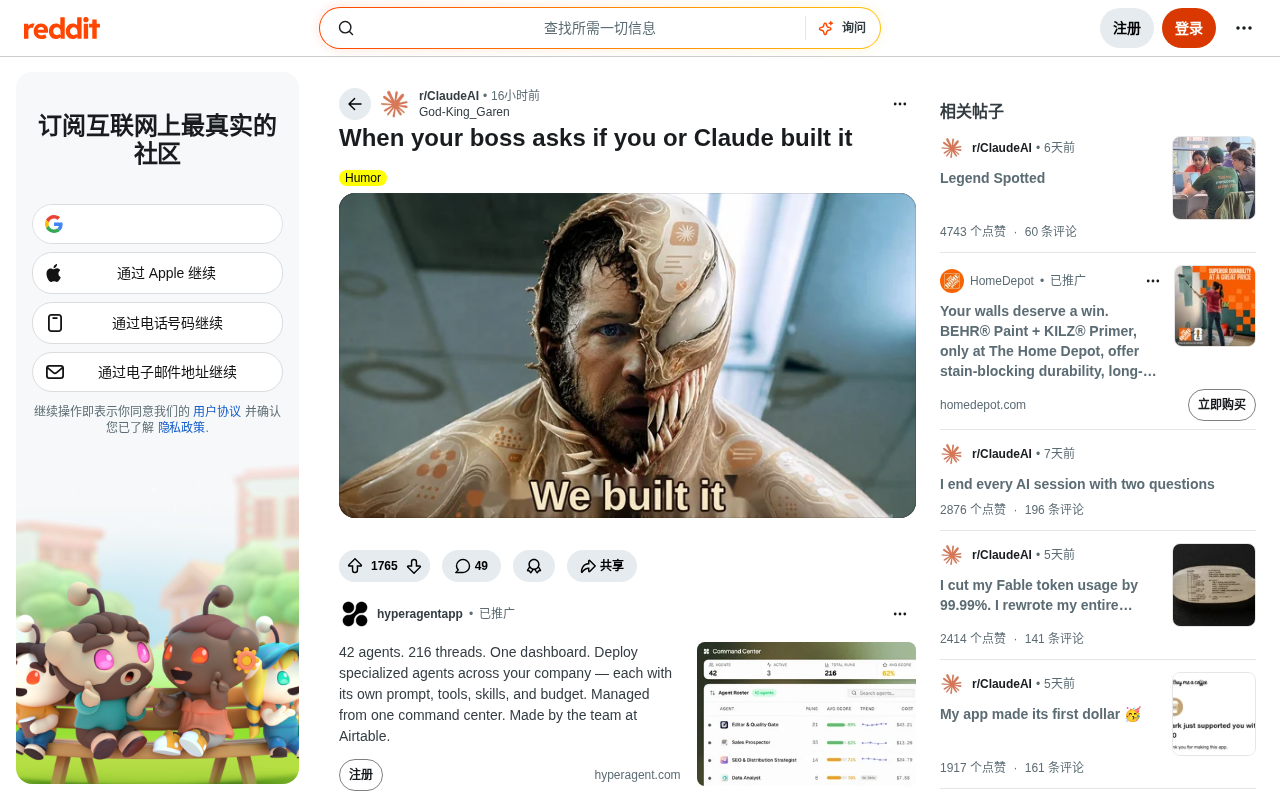
The AI Coding Era: Does Code Written by Claude Count as Yours?
The Reddit meme "did you or Claude build it" struck a chord with developers. This article explores how AI coding assistants reshape workflows, where the boundary of human-AI contribution lies, and how programmers can find irreplaceable value in the AI era.
Read more →

·5 min
The Complete Guide to Claude Skills: Configure Once, Reuse Your Workflow Forever
An in-depth guide to Claude Skills: from built-in skills and plugins to building your own custom skills and continuous refinement. Learn to end repetitive instructions and build an automated, consistent AI workflow.
Read more →

·7 min
Andrew Ng's Prompt Engineering Course Essentials: Core Methodology Every Developer Must Learn
An in-depth analysis of the essentials of Andrew Ng and OpenAI's ChatGPT Prompt Engineering course. Covers the difference between base and instruction-tuned models, two core prompting principles, and how to wield LLM APIs to build apps.
Read more →

·7 min
Prompt Engineering in Practice: A Programmer's Core Methodology for Prompt Tuning
A deep dive into the underlying logic of prompt engineering from a programmer's perspective: understand token-probability generation, master the three principles of specific, rich, and low-ambiguity, and learn iterative prompt tuning.
Read more →

·6 min
Prompt Engineering in Practice: A Programmer's Core Methodology for Tuning Prompts
An in-depth analysis of prompt engineering from a programmer's perspective: understand token probability generation, master the three principles—specific, rich, low-ambiguity—and learn iterative prompt tuning.
Read more →

·7 min
6 Core Standards of a High-Value Agent Project That Impress Interviewers
Most Agent projects lack competitiveness in interviews due to missing business value and engineering depth. This article breaks down the 6 core standards of high-value Agent projects.
Read more →

·6 min
Deep Dive into GPT-5.6 Ultra's Sub-Agent Architecture and Ten Key AI Industry Trends
In-depth analysis of GPT-5.6 Ultra's sub-agent collaborative reasoning, the global rise of Chinese AI models, world-model evaluation gaps, and AI's real-world deployment challenges and bubble warnings.
Read more →

·6 min
From Firefox to Android Root: Deep Analysis of a Browser Privilege Escalation Attack Chain
Deep analysis of a complete mobile exploit chain: how attackers start from Firefox, escape the sandbox, exploit kernel vulnerabilities, and achieve Android Root. Security insights for developers.
Read more →

·7 min
A New Core Skill for Programmers: How to Effectively Lead Your AI Agent Dev Squad
Coding alone isn't enough anymore. Learn the 5 key steps to commanding AI Agents—define outcomes, split tasks, provide context, iterate small, and keep humans in the loop.
Read more →

·2 min
When AI Can Find Vulnerabilities, the Privileged Era of Security Research Is Over
Cryptography expert Filippo Valsorda argues LLMs are drastically lowering the barrier to vulnerability discovery, disrupting coordinated disclosure and reshaping the security ecosystem.
Read more →

·3 min
The Complete Guide to DeepSeek TUI: Installation, Configuration, and Hands-On Use of a Terminal AI Coding Agent
A deep dive into DeepSeek TUI: the terminal AI coding agent with chain-of-thought visualization, million-token context, and multi-task parallelism. Covers installation, configuration, and real-world use cases.
Read more →
 Tech Frontiers
·3 min
GPT Image 2 Generates APP Interfaces from Scratch — A Paradigm Revolution in AI Front-End Development
GPT Image 2 generates flawless text and photorealistic APP interfaces from scratch. Combined with Codex, AI front-end development enters a paradigm revolution. Coverage includes Amap's ABOT, LLM interpretability breakthroughs, and Huang's TPU rebuttal.
Read more →
