#quantitative research
292 related articles

·3 min
How to Choose an AI Agent Platform for Your Team: 5 Evaluation Dimensions and a Decision Framework
Choose the right AI Agent platform by evaluating model flexibility, observability, tool integration, security compliance, and total cost. A complete decision framework to help technical leaders avoid vendor lock-in.
Read more →

·3 min
How to Choose an AI Agent Platform for Your Team: 5 Evaluation Dimensions & Decision Framework
Choose an AI Agent platform by evaluating model flexibility, observability, tool integration, security compliance, and total cost. A complete decision framework to avoid vendor lock-in.
Read more →

·3 min
Why You Shouldn't Ask LLMs for Confidence Scores: The Pitfalls of Self-Reported Reliability
Asking LLMs to self-report confidence scores is a common mistake. Learn why it fails and discover reliable alternatives like logprobs, self-consistency sampling, and RAG.
Read more →
·3 min
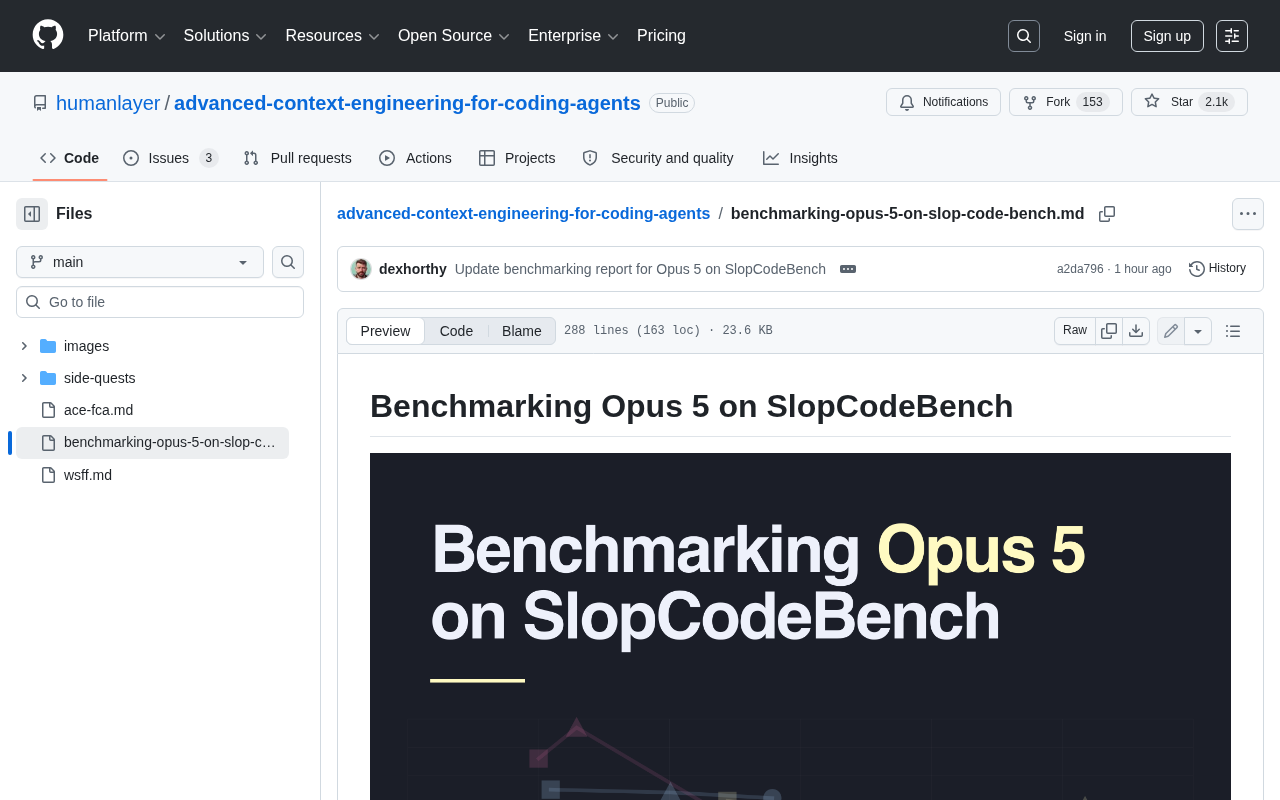
SlopCodeBench: Why AI Code Benchmarks Are Failing
SlopCodeBench sparks deep reflection on AI code evaluation. From benchmark contamination to pass-rate pitfalls, exploring why current benchmarks fail to measure real code quality.
Read more →
·3 min
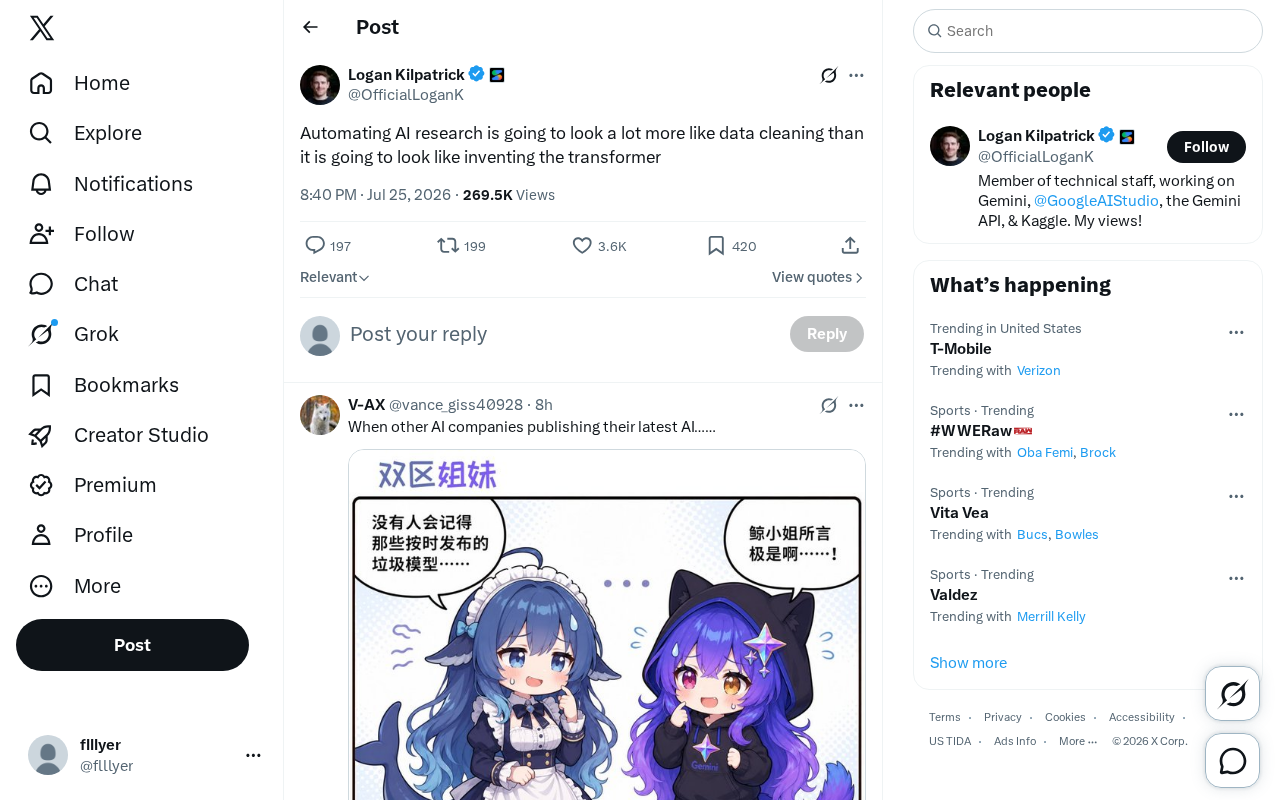
AI Research Automation: More Like Data Cleaning Than Inventing the Transformer
AI research automation will look more like data cleaning than inventing the Transformer. Explore how automating 60%-80% of repetitive research work reshapes the AI research paradigm.
Read more →
·3 min
AI Research Automation: More Like Data Cleaning Than Inventing the Transformer
Why AI research automation looks more like data cleaning than inventing the Transformer. Exploring the value of automating 60%-80% of repetitive research work and how human-AI collaboration reshapes the research paradigm.
Read more →
·3 min
The Open-Weights Model Debate: Balancing Safety and Openness
An in-depth analysis of the open-weights model debate: public release brings transparency and innovation, but raises safety and misuse risks. Exploring tiered release, red-teaming, and governance challenges.
Read more →
·3 min
The Open-Weights Model Debate: Balancing Safety and Openness
An in-depth analysis of the open-weights model debate: publicly releasing model weights enables transparency and innovation but raises safety risks. Explores tiered release, red-teaming, and the industry dynamics behind open AI governance.
Read more →

·4 min
What Is the True Nature of Large Language Models? A Super Compressor Analogy to Help You Fully Understand
Large models aren't search engines — they're more like super compressors. This article explains how LLMs compress data to learn semantic patterns, and explores the phenomenon of intelligent emergence.
Read more →

·5 min
Complete Breakdown of Core Competencies for AI Agent Engineers: From Demo to Production-Grade Systems
Deep breakdown of 4 core AI Agent engineer competencies: business decomposition, multi-Agent architecture, quantitative evaluation, and engineering delivery—bridging the gap from Demo to production.
Read more →

·4 min
What Is the True Nature of Large Language Models? A Super Compressor Analogy That Makes Everything Click
LLMs aren't search engines — they're more like super compressors. This article explains how large models compress corpora to learn semantic patterns, and explores the principles and limitations of emergent intelligence.
Read more →

·3 min
Ollama Prepares for Trillion-Parameter Open-Source Models as the Open-Source Ecosystem Heats Up
Ollama scales up for trillion-parameter open-source models like Kimi K3 and Qwen 3.8. Hugging Face demands $100M from OpenAI, Alibaba Coder goes mobile, and DeepSeek pauses fundraising.
Read more →

·4 min
The Dao of DeepSeek: Liang Wenfeng on Vision, Restraint, and the Philosophy of Open Source
Analysis of DeepSeek founder Liang Wenfeng's rare investor dialogue, exploring the company's vision-driven culture, strategic restraint toward AGI, and open-source philosophy in the US-China AI race.
Read more →

·2 min
Jensen Huang Champions Open-Source AI: Distillation Is Not Plagiarism, DeepSeek and Kimi Are Excellent
NVIDIA CEO Jensen Huang defends open-source AI, calls distillation legitimate learning, praises DeepSeek and Kimi, and co-signs open letter with 20+ companies while OpenAI and Google stay silent.
Read more →

·4 min
Chinese AI Accounts for 58% of US Compute Consumption: How Open-Source LLMs Are Disrupting Silicon Valley
OpenRouter data shows Chinese AI models now account for 58% of US AI consumption. Silicon Valley giants like DoorDash and Airbnb adopt Kimi, DeepSeek, and Qwen, leveraging low cost, high performance, and open weights.
Read more →
·4 min
Chinese AI Accounts for 58% of US Compute Consumption: How Open-Source LLMs Are Disrupting Silicon Valley
OpenRouter data shows Chinese AI models now account for 58% of US AI consumption. Silicon Valley giants like DoorDash and Airbnb adopt Kimi, DeepSeek, and Qwen for their low cost and open-weight advantages.
Read more →

·3 min
Liang Wenfeng on AGI Strategy: Team Stability Is DeepSeek's Only Core Interest
DeepSeek raises over 50B RMB at a 350B valuation. Founder Liang Wenfeng explains why team stability is the only core interest on the path to AGI.
Read more →

·3 min
MediaCrawler: Deep Dive into an Open-Source Crawler Framework Covering Seven Major Platforms
Deep analysis of MediaCrawler, a popular GitHub open-source project using Playwright browser automation for multi-platform crawling across Xiaohongshu, Douyin, Kuaishou, Bilibili, Weibo, Tieba, and Zhihu.
Read more →

·3 min
last30days: A Cross-Platform AI Research Tool and the Agent Skill with 50K+ Stars
last30days-skill is a GitHub AI Agent skill with 50K+ Stars, enabling cross-platform research across Reddit, X, YouTube, Hacker News, and Polymarket to generate grounded 30-day summary reports.
Read more →

·3 min
Facial Recognition Training Data: The Real-World Dilemma of Consent and Bias
Exploring the consent and bias challenges in facial recognition training data, analyzing the ethical and cost tradeoffs of scraping, licensing, and self-collection approaches.
Read more →