#reflect feature
2076 related articles
·4 min
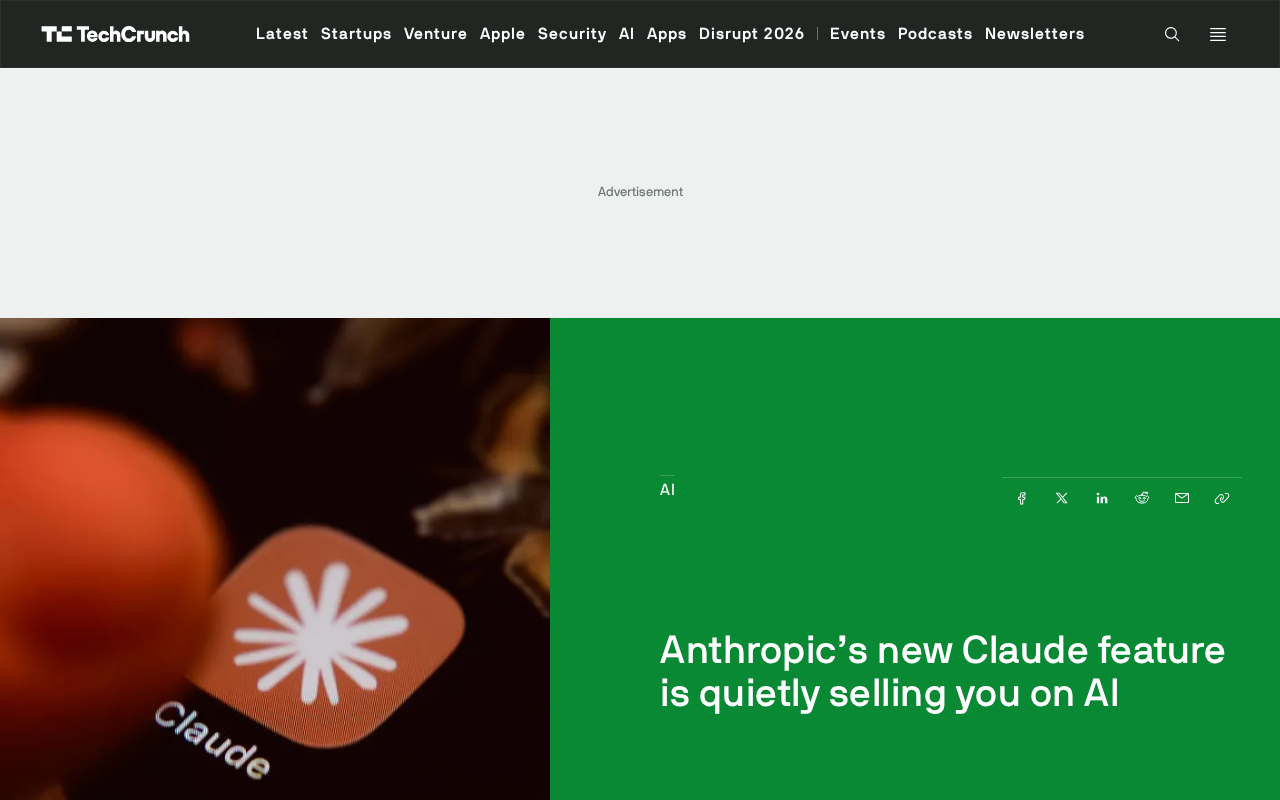
Claude's New Reflect Feature: Visualizing the AI Dependency Loop Behind Your Data
Anthropic's Reflect feature visualizes Claude usage data — but it's also quietly building dependency and driving paid conversion. A deep dive into the design ethics and psychology behind it.
Read more →

·3 min
Claude's 'Usage Reflection' Feature: How AI Can Help You Examine Your Own Habits
Anthropic launches 'Usage Reflection' for Claude, helping users examine AI interaction patterns and identify over-reliance risks. A look at the product logic, privacy considerations, and why AI literacy matters.
Read more →

·4 min
AI Companies Buy Books, Scan Them, Then Destroy Them: Pulping of Rare Books Sparks Cultural Preservation Debate
Some AI companies are mass-purchasing physical books for destructive scanning and pulping to obtain training data, even targeting rare antiquarian volumes. This article analyzes the technical motivations, legal gray areas, and cultural preservation controversies.
Read more →

·4 min
Deep Dive into the EYG Programming Language: A New Portable Programming Paradigm Designed for Humans
Deep analysis of the EYG programming language's core design, including algebraic effects, program state persistence, and cross-platform portability, exploring how it addresses modern software fragmentation.
Read more →

·4 min
Deep Dive into AI Short Drama "Nido de Villanas": How AIGC Mass-Produces Binge-Worthy Content
Using AI-generated Spanish short drama Nido de Villanas as a case study to analyze AIGC script generation, character consistency, multilingual dubbing, and the commercial logic of scaled AI drama production.
Read more →

·4 min
Deep Dive into AI Short Drama "Nido de Villanas": How AIGC Mass-Produces Binge-Worthy Content
Using AI-generated Spanish short drama "Nido de Villanas" as a case study, this deep dive analyzes AIGC script generation, character consistency, multilingual dubbing, and the industry trends of scaled AI drama production.
Read more →

·3 min
Replacing spaCy's Sentencizer with yasbd: Accuracy Jumps from 55% to 98.9%
spaCy's default Sentencizer achieves only 55.4% accuracy on edge cases, while open-source library yasbd reaches 98.9%. Analysis of limitations and integration code examples.
Read more →

·3 min
Gemini 3.1 Pro Rate Limiting Exposed: Why Paying Users Can't Actually Use Their Full Quota
Deep analysis of Google Gemini 3.1 Pro's rolling window rate limiting, revealing the massive gap between paper quotas and actual usability for paying subscribers.
Read more →

·3 min
Gemini 3.1 Pro Rate Limiting Exposed: Why Paid Users Can Never Use Their Full Quota
Deep analysis of Google Gemini 3.1 Pro's rolling window rate limiting, revealing the gap between paper quotas and real usability for paid AI subscribers.
Read more →

·2 min
Antigravity Subscription Bug: PRO Paying Users Hit with Quota Limits and Unable to Use the Service
A Google AI PRO subscriber reports Antigravity coding tool subscription issues, hitting quota limits despite paying. We analyze possible causes and offer fixes.
Read more →

·4 min
Getting Started with AI Agent Development: A Complete Guide from Concept to Practice
A comprehensive guide to AI Agent architecture and development, covering automated marketing, intelligent customer service, and investment analysis scenarios with single and multi-agent collaboration.
Read more →

·3 min
A Beginner's Guide to AI Agents: Two Learning Paths for Developers and Practitioners
How to learn AI Agents from scratch? This guide covers two clear paths: developers go from Python to LLMs to open-source framework source code; practitioners use Claude Code or similar tools to get results fast.
Read more →
·3 min
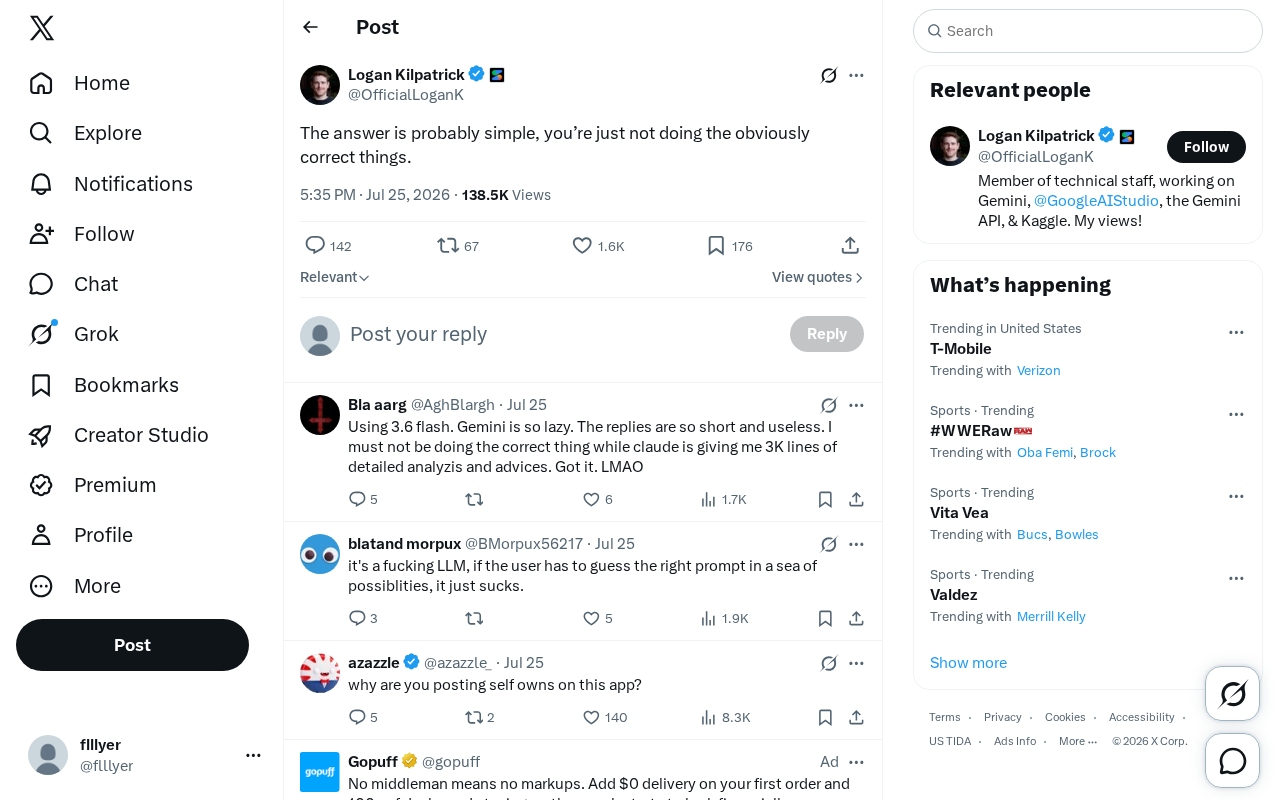
AI Not Performing Well? Start by Getting These Simple but Often Overlooked Things Right
When your AI system underperforms, the problem is often not the model or algorithm — it's basic work like data cleaning, prompt writing, and evaluation that hasn't been done right.
Read more →

·2 min
Complete Tutorial: Installing MCP Connector in WorkBuddy and Syncing Skills Across AI Workstations
Step-by-step guide to installing MCP connector in WorkBuddy and syncing Skills across Cursor and other AI workstations via AI conversation.
Read more →

·4 min
Drug Interdiction on the U.S.-Mexico Border: CBP's Multi-Layered Interception System and Technical Analysis
In-depth analysis of CBP drug interdiction operations in the San Diego sector, covering behavioral recognition, K-9 units, portable spectroscopic detection, air cargo inspection, and highway pursuit techniques.
Read more →

·3 min
Netflix Trust Exercise Turns Into a Firing Trap: Where Are the Boundaries of Corporate Trust?
A Netflix employee was fired after sharing personal information in a team trust exercise. This article analyzes the risks of corporate trust exercises and how employees can balance candor with self-protection.
Read more →
·3 min
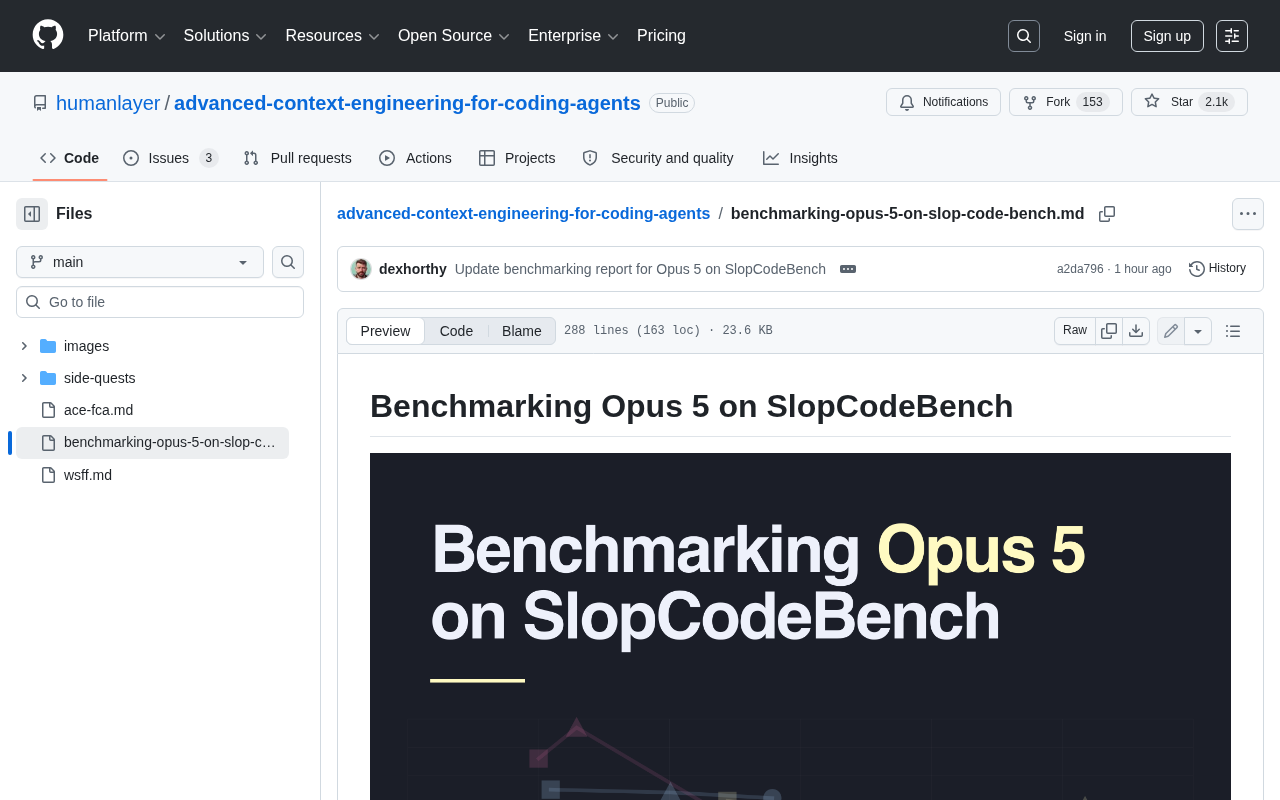
SlopCodeBench: Why AI Code Benchmarks Are Failing
SlopCodeBench sparks deep reflection on AI code evaluation. From benchmark contamination to pass-rate pitfalls, exploring why current benchmarks fail to measure real code quality.
Read more →
·3 min
AI Not Working Well? Start by Getting These Simple but Often Overlooked Things Right
When AI systems underperform, the problem often isn't the model or algorithm — it's that basics like data cleaning, prompt writing, and evaluation aren't done right. Learn the simple fixes that matter most.
Read more →
·3 min
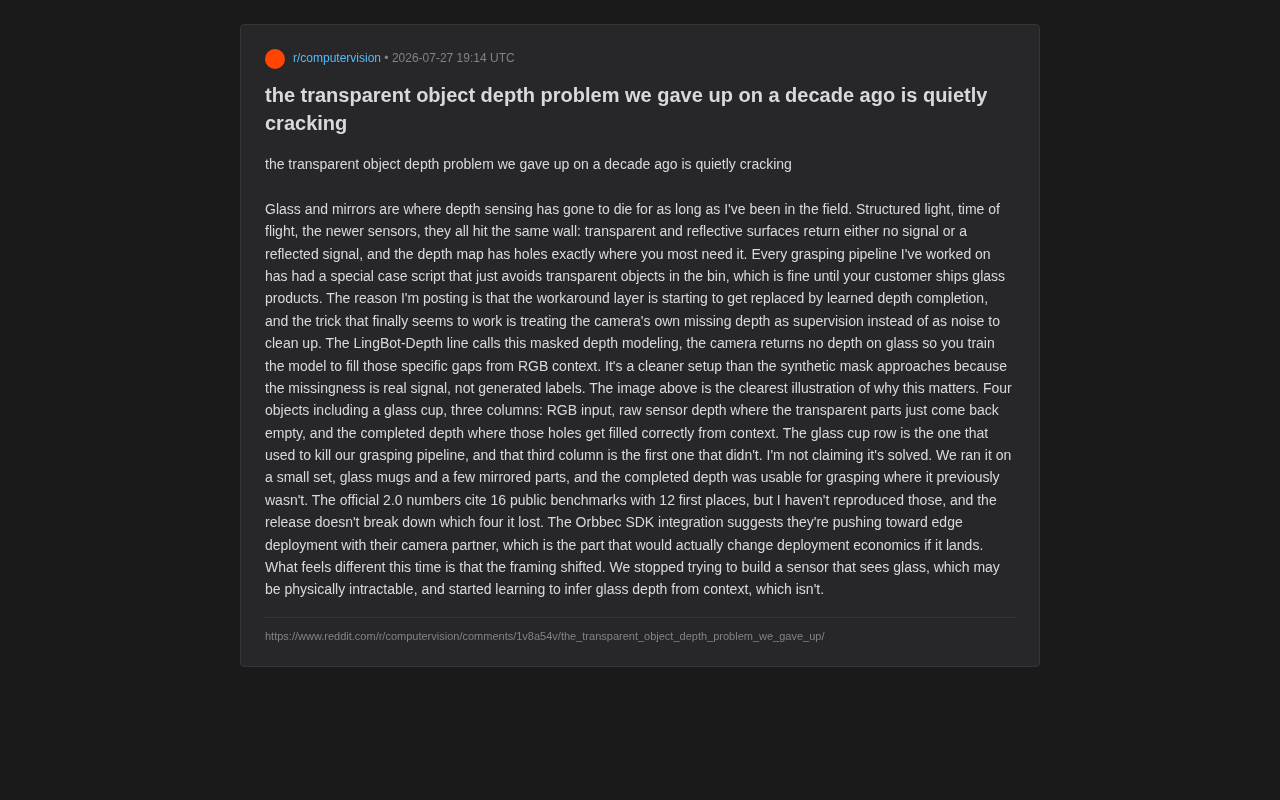
The Depth Perception Challenge for Transparent Objects: How LingBot-Depth Breaks Through with Masked Depth Modeling
Depth perception for transparent and reflective objects has long been a core challenge in robotic grasping. LingBot-Depth uses masked depth modeling to turn sensor failure into supervisory signals, inferring glass depth from RGB context.
Read more →
·2 min
The Invisible Prompt Trap: How a Professor Caught 32 Students Cheating with AI in One Move
A professor embedded invisible prompts in assignments, catching 32 of 35 students using AI to cheat. Learn how this prompt injection trap works and what it means for education.
Read more →