#AI IDE custom model
2793 related articles

·2 min
The Complete Guide to Custom Software Development: AI Large Model Applications & Full-Stack Development, All in One Place
15-year full-stack engineering team offering custom development for mini programs, apps, enterprise systems, RAG knowledge bases, and AI agents — no middlemen, no subcontracting, full one-on-one ownership.
Read more →

·3 min
AMD CDNA5 Architecture Deep Dive: Technical Evolution and the AI Computing Competition Landscape
Deep analysis of AMD's CDNA5 architecture covering Chiplet packaging upgrades, HBM memory evolution, and low-precision compute optimization, examining how AMD challenges NVIDIA's AI chip dominance.
Read more →
·3 min
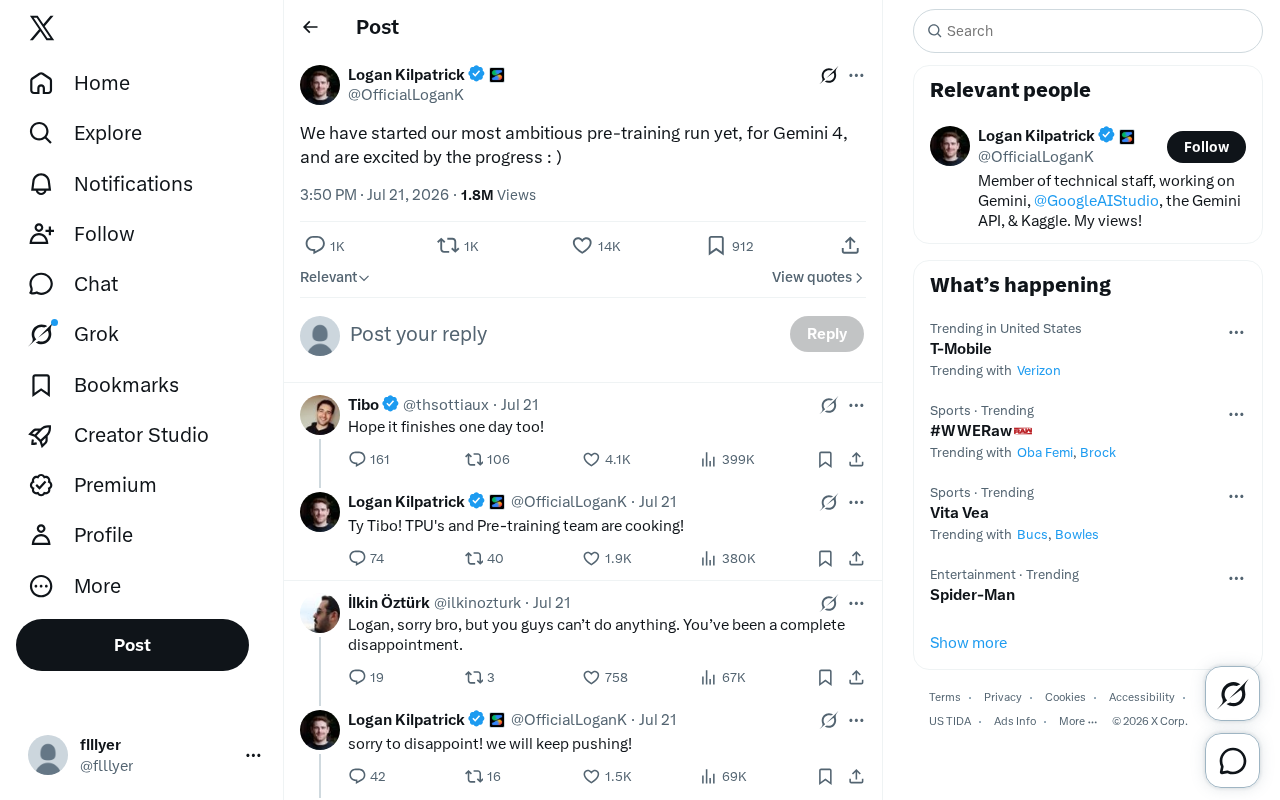
Google Launches Gemini 4 Pre-training: Its Most Ambitious AI Model Training Yet
Google DeepMind announces Gemini 4 pre-training has begun, calling it their most ambitious training yet. A deep dive into its technical direction, compute scale, multimodal breakthroughs, and competitive impact.
Read more →
·2 min
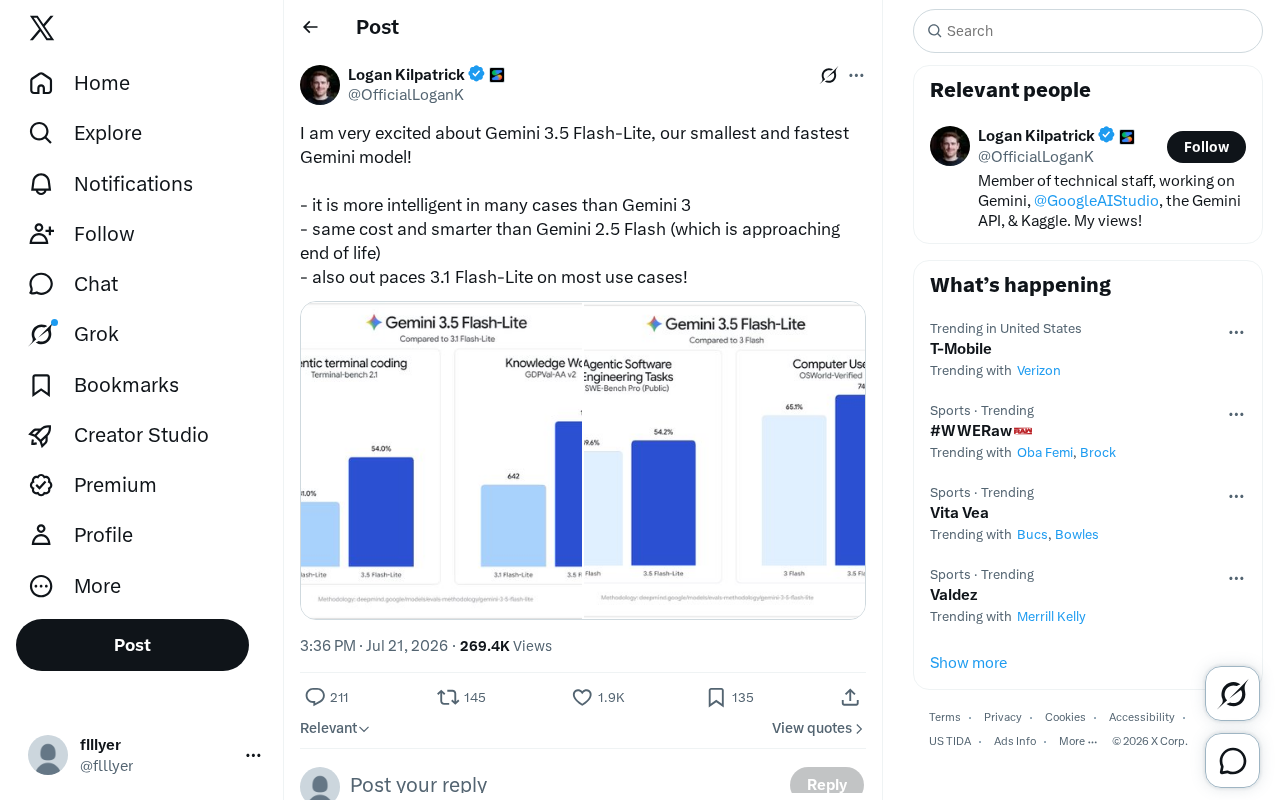
Gemini 3.5 Flash-Lite Released: The Smallest, Fastest Model Outperforms Gemini 3
Google launches Gemini 3.5 Flash-Lite, its smallest and fastest AI model that outperforms Gemini 3 in most scenarios. Learn about its key advantages, cost benefits, and impact on developers.
Read more →
·3 min
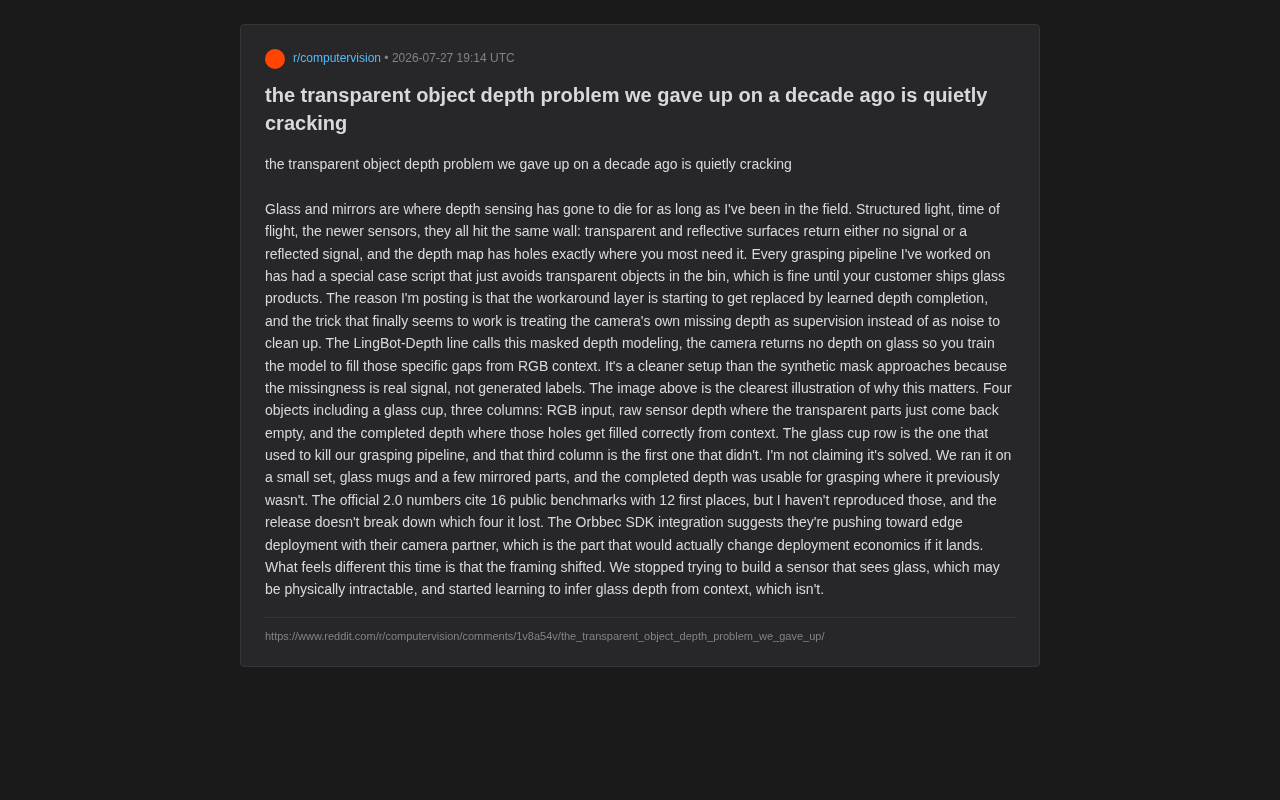
The Depth Perception Challenge for Transparent Objects: How LingBot-Depth Breaks Through with Masked Depth Modeling
Depth perception for transparent and reflective objects has long been a core challenge in robotic grasping. LingBot-Depth uses masked depth modeling to turn sensor failure into supervisory signals, inferring glass depth from RGB context.
Read more →

·3 min
From RAG to Agent Tuning: A Complete Guide to Deploying LLM Agents
A deep dive into LLM Agent frameworks covering RAG, Agent core components (tools, memory, planning), and Agent Tuning workflows with cost considerations for production deployment.
Read more →

·3 min
From Frontend to Agent Development: A Complete 6-Week Systematic Learning Path
A 6-week systematic learning path for frontend engineers transitioning to AI Agent development, covering core architecture, ReAct, multi-agent collaboration, RAG integration, and deployment.
Read more →
·3 min
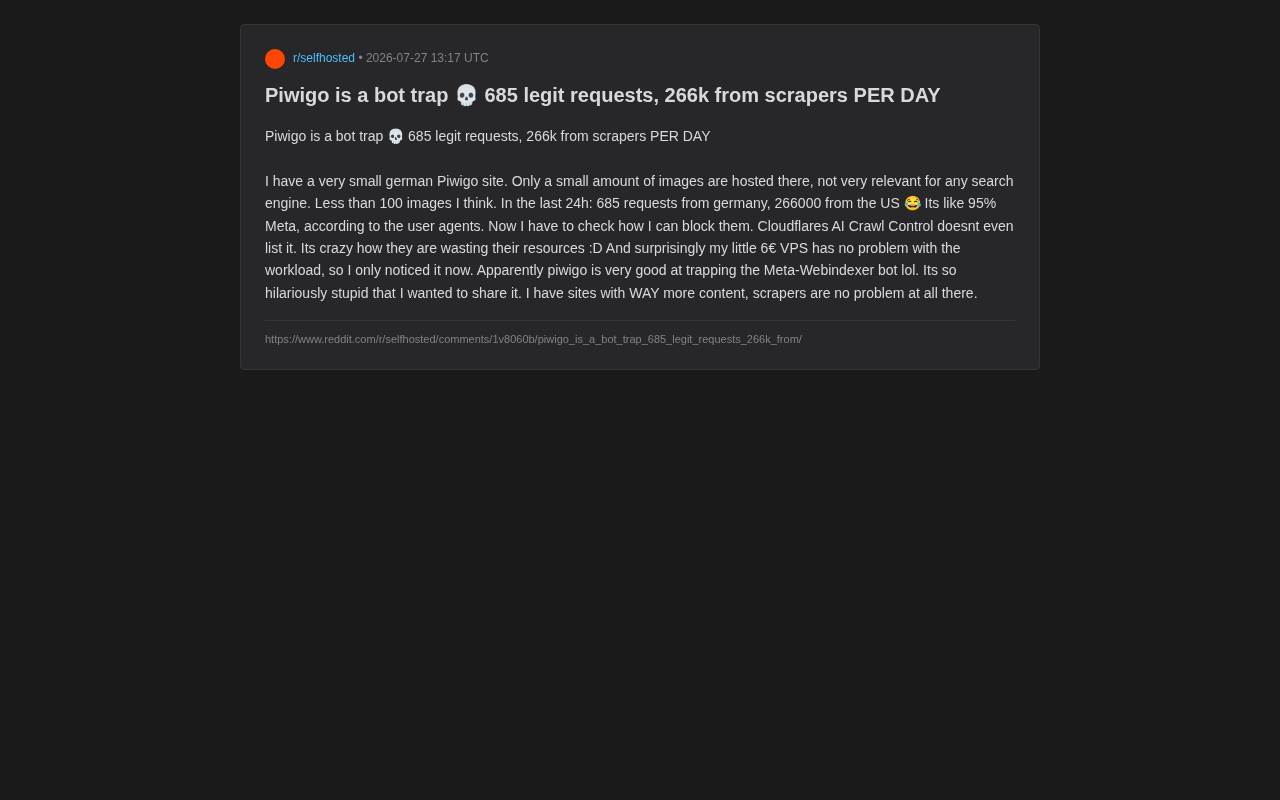
Small Site Besieged by AI Crawlers: Under 100 Images, 266K Crawl Requests
A Piwigo gallery with under 100 images received 266K AI crawler requests in 24 hours. Analysis of why gallery CMS becomes a bot trap and how to defend against it.
Read more →

·3 min
Poolside Laguna Model Launch: Can Silicon Valley's Open-Source Push Catch Up to China's AI?
Poolside launches Laguna open-weight model after 18 months of silence, pitting 118B parameters against Kimi K3's 2.8 trillion. Can Silicon Valley's open-source push close the gap with Chinese AI?
Read more →

·3 min
Claude Opus 5 Officially Released: Performance Approaching the Top Tier as the Open-Weight Debate Heats Up Again
Anthropic releases Claude Opus 5 with near-frontier performance at lower prices. Same day, Jensen Huang co-signs open-weight letter with 20+ companies while DeepSeek fundraising rumors surface.
Read more →

·3 min
Chinese Open-Source AI Conquers Silicon Valley: The Industry Upheaval Behind a 58% Compute Share
Chinese open-source AI models surged from under 10% to 58% of U.S. AI consumption. Kimi K3, DeepSeek, and Qwen are reshaping AI cost structures as DoorDash, Airbnb, and other Silicon Valley giants adopt them at scale.
Read more →

·3 min
DeepSeek Ignites Open Source vs. Closed Source Debate in Silicon Valley, Splitting Tech Giants into Rival Camps
DeepSeek's open source model shakes Silicon Valley. OpenAI defends closed source while Microsoft, NVIDIA, and Meta back open ecosystems. Analysis of the AI open/closed source debate, Apple-Micron chip tensions, and AI-driven historical disinformation.
Read more →

·4 min
Jensen Huang Joins 50 Silicon Valley Giants to Champion Open-Source Models: How Capital Logic Overrides Political Correctness
Jensen Huang's first-ever tweet backs open-weight AI. 50 Silicon Valley giants oppose banning Chinese open-source models. Deep analysis of the interests behind closed vs. open AI ecosystems.
Read more →

·3 min
FeyNoBg: A Deep Dive into the Open-Source Background Removal Model and Training Library
Deep analysis of FeyNoBg, an open-source background removal project with pre-trained models and training library, compared to remove.bg and rembg solutions.
Read more →

·3 min
Gemini Can Generate a PDF One Moment but Claims It Can't the Next? Here's Why
Analysis of why Gemini and other AI LLMs exhibit capability drift, including tool-calling mechanisms, context window limits, and safety policy triggers, plus practical strategies for PDF generation failures.
Read more →

·3 min
Fields Medal Winner Joins OpenAI: A Triple Signal of Talent, Capital, and Capability
Fields Medal winner Jacob Tsimerman joins OpenAI's safety team on award day, declaring math careers won't survive. Meanwhile, NVIDIA finances a $250B data center and Kimi K3 open-sources 2.8T parameters.
Read more →

·3 min
Fields Medal Winner Joins OpenAI: A Triple Signal of Talent, Capital, and Capability
Fields Medal winner Jacob Tsimerman joins OpenAI's safety team on award day, saying math careers won't survive. NVIDIA finances a $250B data center. Kimi K3 opens a 2.8T-parameter model.
Read more →

·3 min
After 6 Billion Tokens, Here's What I've Learned About AI Agents
A power user who consumed over 6 billion Tokens shares real insights on AI Agents, exploring spending money, investing time, and managing life changes with AI.
Read more →

·3 min
How to Fix AI Tool Error 1076? Root Cause Analysis and Solutions
Getting "Something went wrong 1076" from an AI service? This article analyzes common causes including server overload and session issues, with practical troubleshooting steps to restore normal usage.
Read more →

·2 min
LLM Agent Long-Term Memory Security: A Six-Stage Attack Surface and Defense Framework
Deep analysis of LLM agent long-term memory security threats, covering persistence, statefulness, and propagation of memory poisoning, with a six-stage lifecycle defense framework.
Read more →