#AI operating system
2135 related articles

·5 min
Reach: The Marketing Operating System Helping Brands Win AI Search Recommendations
Reach is a marketing OS built for the AI search era, helping brands gain visibility in ChatGPT, Perplexity, and other generative AI recommendations through discovery, execution, and attribution.
Read more →

·4 min
OpenAI Employee Shares How to Build an AI Work Operating System with Codex
OpenAI's Jason Liu shares how he uses ChatGPT Workbench and Codex to build an AI work OS: Chief of Staff automation, persistent threads, Skills/Plugins, browser control, and app-building methodology.
Read more →
·7 min
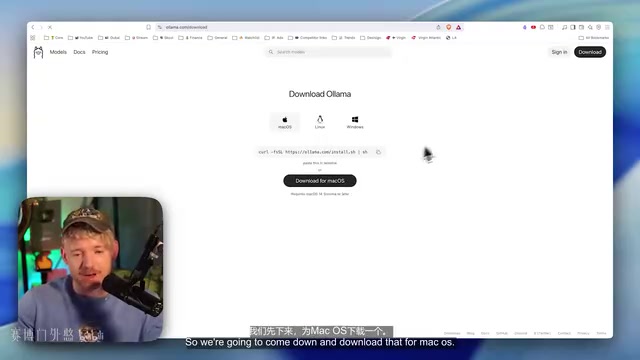
Ollama + Hermes Local AI Deployment: Building a 100% Private Personal AI Operating System
Build a fully private local AI system with Ollama + Hermes: zero cost, no rate limits, data stays local. Learn deployment steps, model selection tips, and private/cloud hybrid workflows.
Read more →

·4 min
Guide to Building a Second Brain with Claude AI: The Four-C Framework for Your Personal AI Operating System
Learn how to build an AI second brain with Claude using the Four-C Framework (Context, Connection, Capability, Cadence) to create a personal AI operating system with practical examples.
Read more →

·2 min
Perplexity Computer: An AI-Powered Startup Operating System to Create and Run Companies from Scratch
Perplexity CEO announces Perplexity Computer will integrate all business connectors, enabling users to create and run companies from scratch with AI.
Read more →

·2 min
Claude Code's Seven-Layer Architecture: A Complete Guide to Building an AI Operating System from a Chat Tool
A detailed guide to Claude Code's seven-layer architecture including memory, agent, and feedback loop layers, plus five pitfalls to avoid and four expert tips for building your AI operating system.
Read more →
 Tech Frontiers
·2 min
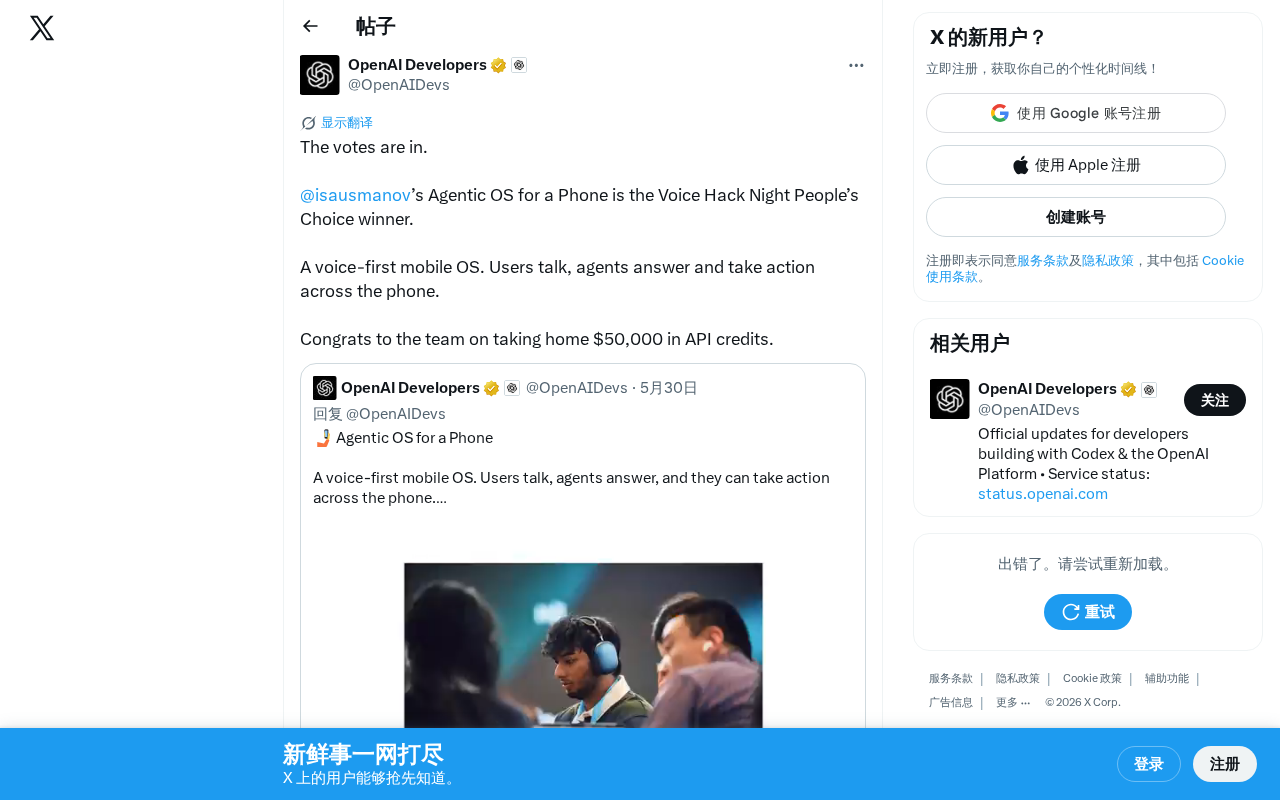
Voice-First AI Phone Operating System: A Deep Dive into the Voice Hack Night Hackathon Grand Prize Project
Deep dive into Voice Hack Night's People's Choice winner Agentic OS: a voice-first AI phone OS using multi-Agent cross-app collaboration to replace touch with natural language conversation.
Read more →
 Product Reviews
·1 min
ECC: A Unified AI Programming Operating System for Claude Code, Codex, and Cursor
ECC (Enhanced Claude Code) is an open-source AI programming OS that unifies Claude Code, Codex, and Cursor through a five-layer architecture with 246 skills, 61 Agents, and selective installation.
Read more →
 Product Reviews
·2 min
TalentOS Deep Dive: How an Enterprise AI Talent Development Operating System Works
Deep dive into TalentOS, the enterprise AI talent platform that uses personalized projects to build, grade, and verify employee AI capabilities for real business impact.
Read more →
 Research
·2 min
Google Antigravity Uses 93 AI Agents to Build a Complete Operating System from Scratch
Google Antigravity built a complete OS from scratch using 93 AI agents and a single prompt—including kernel, drivers, and all components—for under $1,000.
Read more →
 Deep Dives
·2 min
The Rise of AI Operating Systems: How Large Models Are Evolving from Tools to OS
AI is evolving from a single tool into a complete operating system. This article analyzes AI OS core architecture, MCP/A2A protocol standardization, and how Agents are becoming the next OS paradigm.
Read more →
 Product Reviews
·1 min
Echo Agent Deep Dive: A Self-Hosted AI Agent Operating System
Deep dive into Echo Agent, a self-hosted AI Agent OS featuring four-role collaboration, cognitive memory systems, LLM-driven security approval, and A2A/MCP protocol support.
Read more →
 Deep Dives
·3 min
Microsoft Magentic-UI Explained: A Human-AI Collaborative Agent Operating System
Deep dive into Microsoft's open-source Magentic-UI: a human-AI collaborative Agent platform built on AutoGen. Explore its five core capabilities, system architecture, and Human-in-the-Loop design.
Read more →

·2 min
Amazon's $50 Billion Investment in OpenAI: The AWS Cloud War Escalates
Amazon reportedly invests $50B in OpenAI, breaking Microsoft's exclusive lock-in. Deep analysis of this deal's impact on AWS cloud competition, the AI compute arms race, and multi-cloud trends.
Read more →

·2 min
Tempest Open-Source Tool: Reduces Token Consumption by 64% for Parallel AI Coding Agents
Tempest is an open-source developer tool that reduces token consumption by up to 64% for parallel AI coding agents through shared code understanding and isolated workspaces.
Read more →

·3 min
Flock License Plate Surveillance Network: Is Long Island Becoming an Open-Air Prison?
Deep analysis of Flock Safety's dense ALPR camera deployment on Long Island, examining how indiscriminate surveillance threatens civil privacy and how to balance public safety with personal freedom.
Read more →

·3 min
AI-Assisted Analysis Costs Drop 10x: The Tipping Point for Data Analytics Democratization
AI-assisted data analysis costs drop 10x: the technical logic and industry impact. From Text-to-SQL to compute cost declines, analyzing democratization trends, analyst role shifts, and deployment risks.
Read more →

·2 min
Lighthouse: A Deep Dive into HarbourMasters' Open-Source Classic Game Porting Engine
A deep dive into the Lighthouse open-source game porting engine by HarbourMasters, exploring its C-based architecture, role in the decompilation porting ecosystem, and digital game preservation.
Read more →

·2 min
The Deeper Meaning Behind Cursor Giving Free Credits to FFmpeg Developers
Cursor gave free credits to FFmpeg open-source developers, sparking tech community debate. This article analyzes the dynamics between AI coding tools and open-source ecosystems.
Read more →

·3 min
Converting an Old Phone into a 24/7 Server: Safety Risks and Practical Guide
Is it safe to convert an old phone with a detached back cover into a 24/7 server? This guide analyzes lithium battery risks, thermal management, and charging control with a complete safety checklist.
Read more →