#AI research paradigm
1836 related articles

·2 min
Perplexity Computer Integrates Deep Research as a Native Skill: A New Paradigm for AI Agent Capability Fusion
Perplexity integrates Deep Research as a native skill in Computer, enabling automatic invocation without manual mode switching. Analyzing the Agent Harness design philosophy and AI capability fusion trends.
Read more →

·4 min
AI Companies Buy, Scan, and Destroy Books: Pulping Rare Volumes Sparks Cultural Preservation Debate
Some AI companies are mass-purchasing physical books for destructive scanning and pulping—even rare and antiquarian volumes—to obtain training data, sparking heated cultural preservation debates.
Read more →

·4 min
Deep Dive into the EYG Programming Language: A New Portable Programming Paradigm Designed for Humans
Deep analysis of the EYG programming language's core design, including algebraic effects, program state persistence, and cross-platform portability, exploring how it addresses modern software fragmentation.
Read more →

·3 min
The Real Daily Life of MLE and MLOps Engineers: Key Differences Between Three Roles and Career Paths
An in-depth look at the real daily work of data scientists, MLEs, and MLOps engineers — covering responsibilities, essential tools, and career paths to help you find your direction in AI.
Read more →

·4 min
Getting Started with AI Agent Development: A Complete Guide from Concept to Practice
A comprehensive guide to AI Agent architecture and development, covering automated marketing, intelligent customer service, and investment analysis scenarios with single and multi-agent collaboration.
Read more →
·3 min
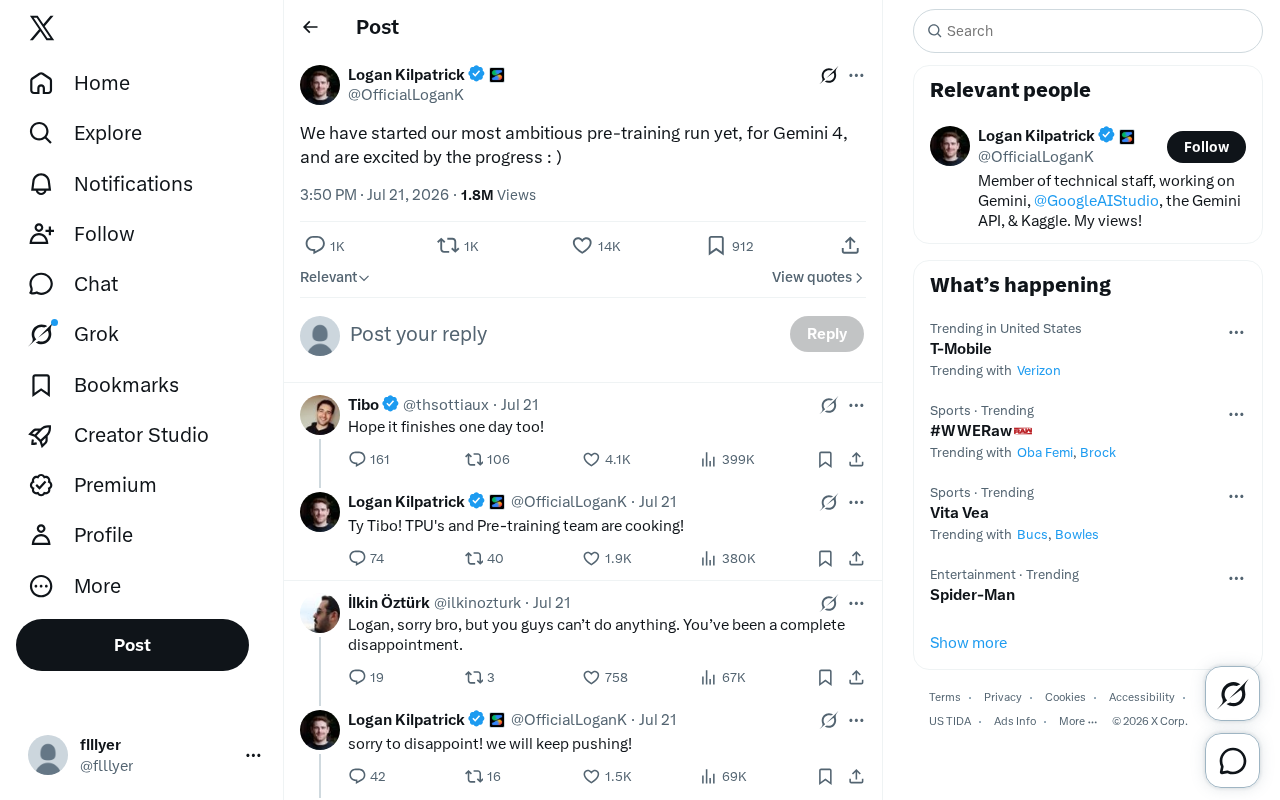
Google Launches Gemini 4 Pre-training: Its Most Ambitious AI Model Training Yet
Google DeepMind announces Gemini 4 pre-training has begun, calling it their most ambitious training yet. A deep dive into its technical direction, compute scale, multimodal breakthroughs, and competitive impact.
Read more →

·4 min
LiDAR Reveals Ancient Cities: How Laser Technology Is Rewriting the History of Lost Civilizations
Discover how LiDAR laser technology penetrates deserts and jungles to reveal Sela's underground cistern system and Nan Madol's hidden structures, rewriting the history of lost civilizations.
Read more →
·3 min
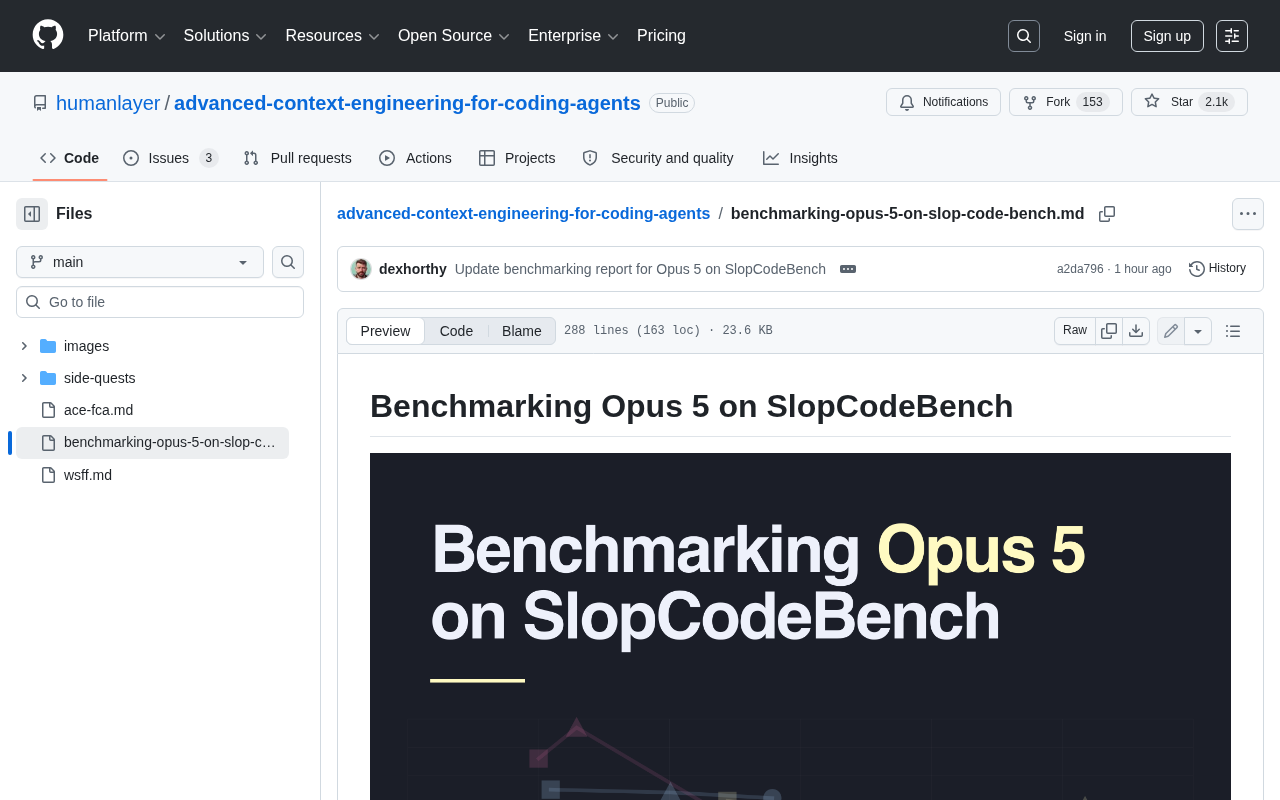
SlopCodeBench: Why AI Code Benchmarks Are Failing
SlopCodeBench sparks deep reflection on AI code evaluation. From benchmark contamination to pass-rate pitfalls, exploring why current benchmarks fail to measure real code quality.
Read more →

·3 min
AI Research Automation: More Like Data Cleaning Than Inventing the Transformer
AI research automation will look more like data cleaning than inventing the Transformer. Explore how automating 60%-80% of repetitive research work reshapes the AI research paradigm.
Read more →
·3 min
AI Research Automation: More Like Data Cleaning Than Inventing the Transformer
Why AI research automation looks more like data cleaning than inventing the Transformer. Exploring the value of automating 60%-80% of repetitive research work and how human-AI collaboration reshapes the research paradigm.
Read more →

·3 min
From RAG to Agent Tuning: A Complete Guide to Deploying LLM Agents
A deep dive into LLM Agent frameworks covering RAG, Agent core components (tools, memory, planning), and Agent Tuning workflows with cost considerations for production deployment.
Read more →

·4 min
What Is the True Nature of Large Language Models? A Super Compressor Analogy to Help You Fully Understand
Large models aren't search engines — they're more like super compressors. This article explains how LLMs compress data to learn semantic patterns, and explores the phenomenon of intelligent emergence.
Read more →

·3 min
From Frontend to Agent Development: A Complete 6-Week Systematic Learning Path
A 6-week systematic learning path for frontend engineers transitioning to AI Agent development, covering core architecture, ReAct, multi-agent collaboration, RAG integration, and deployment.
Read more →

·3 min
Chinese Open-Source AI Conquers Silicon Valley: The Industry Upheaval Behind a 58% Compute Share
Chinese open-source AI models surged from under 10% to 58% of U.S. AI consumption. Kimi K3, DeepSeek, and Qwen are reshaping AI cost structures as DoorDash, Airbnb, and other Silicon Valley giants adopt them at scale.
Read more →
·3 min
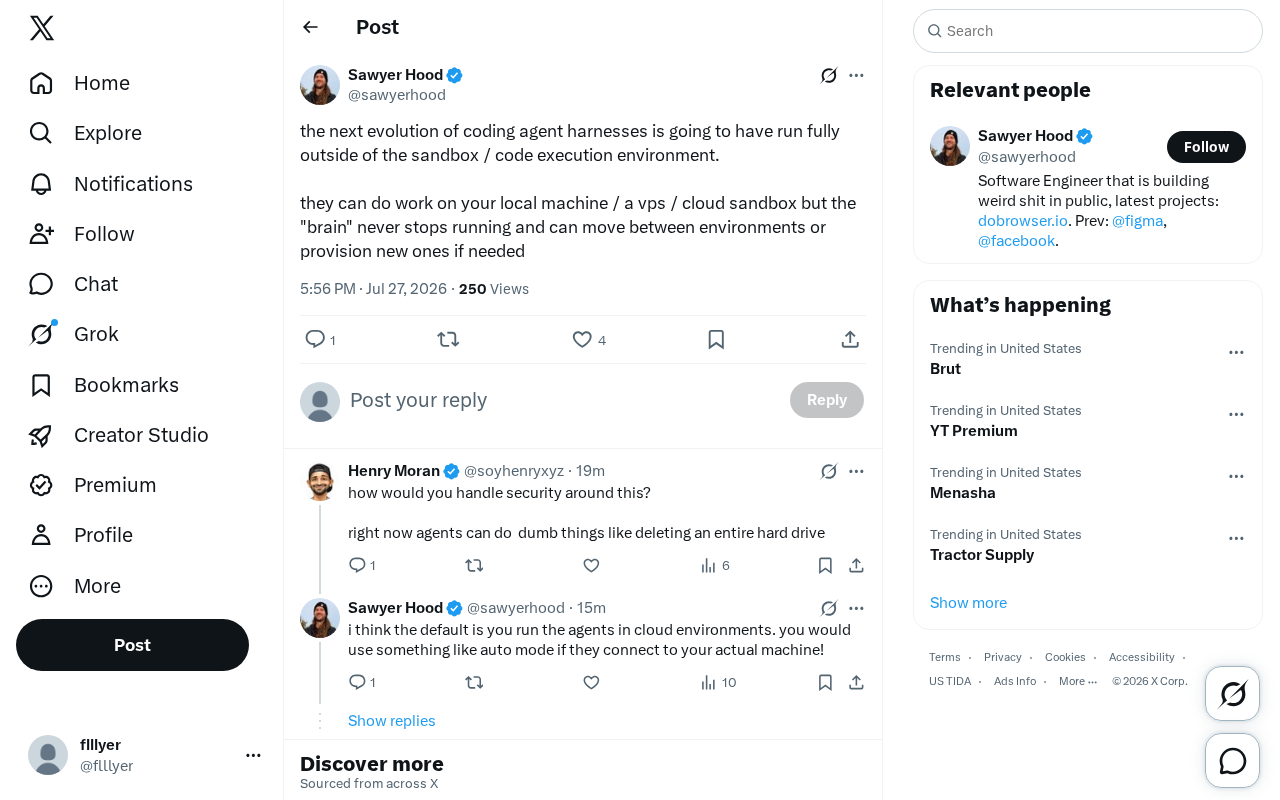
The Next Evolution of Coding Agents: Letting the Brain Break Free from the Sandbox
Exploring the key evolution in coding agent architecture: separating the reasoning core from code execution environments to decouple control and execution planes.
Read more →
·3 min
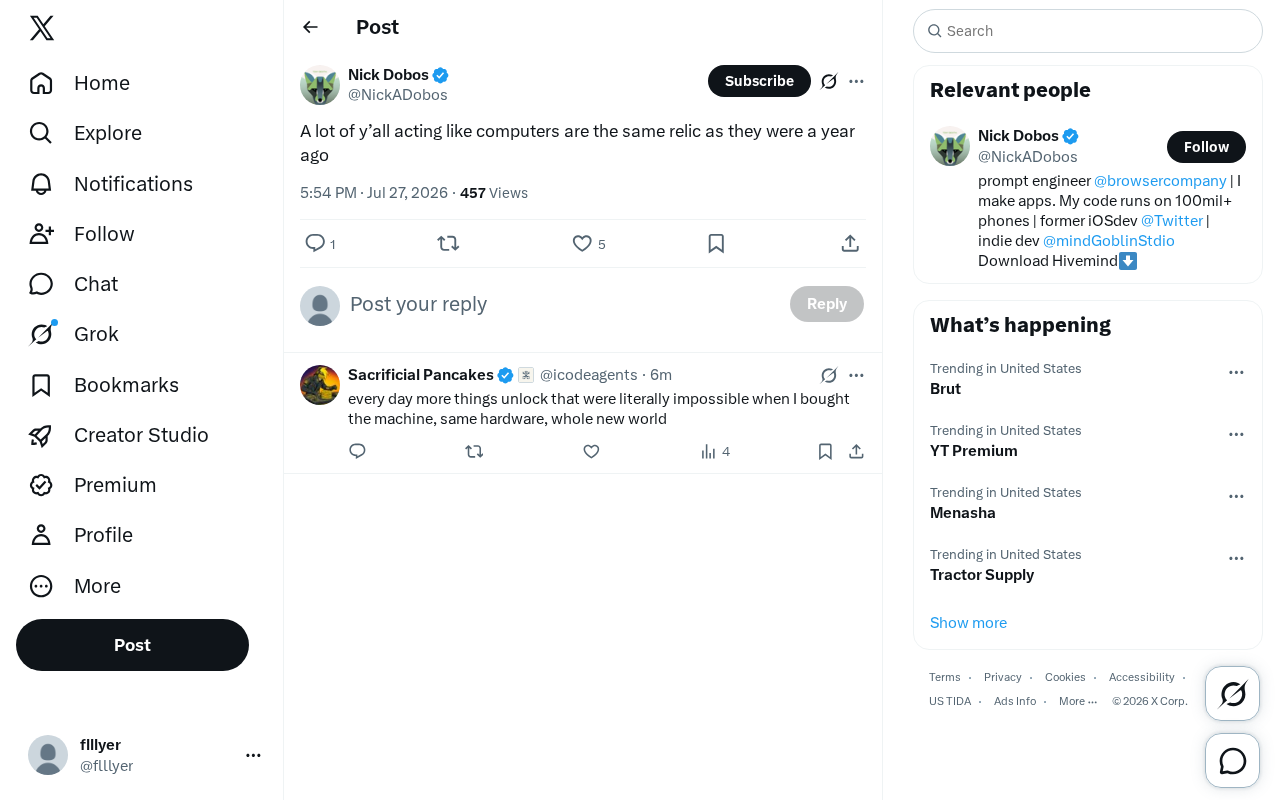
The Computer Is Being Redefined in the AI Era — Has Your Understanding Kept Up?
Generative AI is profoundly redefining the personal computer — from passive tool to intelligent collaborator. This article examines the core shifts of the AI PC era and the productivity gap created by cognitive lag.
Read more →

·3 min
FeyNoBg: A Deep Dive into the Open-Source Background Removal Model and Training Library
Deep analysis of FeyNoBg, an open-source background removal project with pre-trained models and training library, compared to remove.bg and rembg solutions.
Read more →

·3 min
Gemini Can Generate a PDF One Moment but Claims It Can't the Next? Here's Why
Analysis of why Gemini and other AI LLMs exhibit capability drift, including tool-calling mechanisms, context window limits, and safety policy triggers, plus practical strategies for PDF generation failures.
Read more →

·3 min
Fields Medal Winner Joins OpenAI: A Triple Signal of Talent, Capital, and Capability
Fields Medal winner Jacob Tsimerman joins OpenAI's safety team on award day, declaring math careers won't survive. Meanwhile, NVIDIA finances a $250B data center and Kimi K3 open-sources 2.8T parameters.
Read more →

·3 min
Fields Medal Winner Joins OpenAI: A Triple Signal of Talent, Capital, and Capability
Fields Medal winner Jacob Tsimerman joins OpenAI's safety team on award day, saying math careers won't survive. NVIDIA finances a $250B data center. Kimi K3 opens a 2.8T-parameter model.
Read more →