#AI-native DevOps
30 related articles

·3 min
Local Merge Queues: Solving Code Conflicts for Parallel AI Programming Agents
Deep dive into how local merge queues solve code conflict challenges when multiple AI programming agents work in parallel, covering merge queue principles and multi-agent development trends.
Read more →

·3 min
Local Merge Queues: Solving Code Conflicts from Parallel AI Coding Agents
Deep dive into how local merge queues solve code conflict challenges when multiple AI coding agents work in parallel, covering merge queue principles and multi-agent development trends.
Read more →

·7 min
Enterprise AI Agent Security Isolation and Memory Design: NanoClaw Founder Breaks Down Real-World Lessons
NanoClaw founder David Boyd breaks down the core engineering of enterprise autonomous Agents: a triple security isolation model, LLM Wiki memory design, and the real-world path from personal Agents to team-scale deployment.
Read more →
GitHub Copilot SDK Released: Embed AI …
·2 min
GitHub Copilot SDK Released: Embed AI Agent Capabilities Directly Into Your Applications
GitHub open-sources copilot-sdk, enabling developers to embed Copilot Agent capabilities into their own apps. Explore its strategic significance, core features, and enterprise adoption considerations.
Read more →

·2 min
MasterGo AI + Cursor: A New Paradigm for AI Full-Stack Development and Developer Capability Reinvention
Discover how MasterGo AI and Cursor are reshaping full-stack development — from prompt-to-design to natural language coding — and what it means for developer skills.
Read more →

·2 min
Getting Started with Claude Code: AI Programming Has Entered Its Fifth Stage
Explore the five stages of AI programming evolution — from handwritten code to Claude Code and Codex enabling autonomous debugging and commits. Understand AI's limits from 0-to-1 vs 1-to-100, and what skills developers need next.
Read more →
·7 min
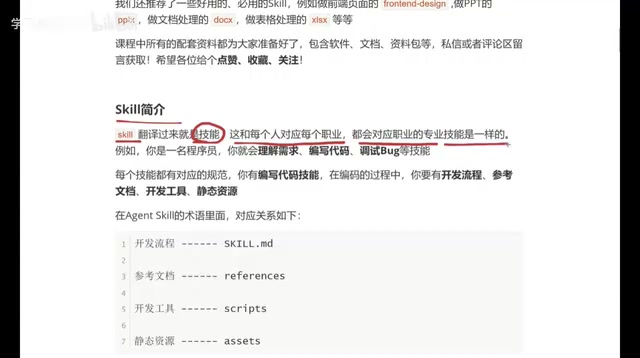
The Complete Guide to Agent Skills: Principles, Structure & Practical Applications
Deep dive into AI Agent Skills: SKILL.md file structure, four component modules, differences from prompts, and practical scenarios for frontend generation, PPT creation, and more.
Read more →

·3 min
Why AI Coding Tools Haven't Delivered Real Productivity Gains: Redesigning the Software Development Lifecycle
Research shows AI coding tools actually decreased developer productivity by 20%. The issue isn't AI's coding ability—it's that the entire delivery process hasn't been redesigned around AI.
Read more →

·3 min
Vibe Coding: The New AI Programming Paradigm for Full-Stack Development with Zero Coding Experience
Explore Vibe Coding's core concepts and practical applications across frontend UI generation, backend APIs, and one-click deployment, with a zero-to-hero guide for non-programmers.
Read more →
·4 min
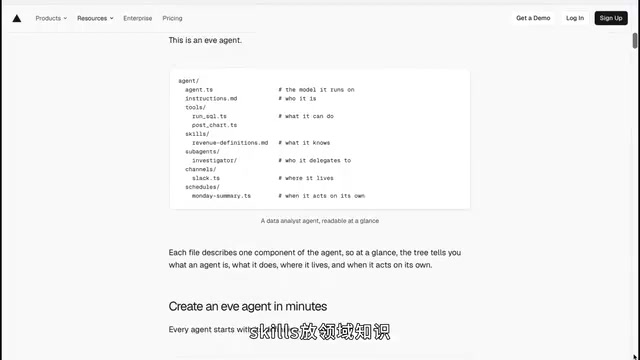
Deep Dive into Six AI Development Tools: Loop Recipe Library, Vercel Agent Framework, and More
Deep analysis of Loop workflow recipes, Vercel's open-source Agent framework, Pyker AI-native project management, Arrow P2P tool, DBX database client, and NVIDIA's Skill Spectre security tool.
Read more →

·4 min
Claude Code Practical Guide: From Installation & Configuration to Production-Ready Business Projects
Complete guide to Claude Code + Opus setup via CCSwitch for unified model management. Real-world case: payment system built in 4 hours with zero hand-written code, covering installation, Prompt engineering, and model selection.
Read more →

·4 min
Harness Engineering in Practice: Integrating AI-Driven Development into Enterprise Workflows
A deep dive into Harness Engineering methodology — from Prompt Engineering to Context Engineering to Harness Engineering — covering enterprise setup, Skill systems, and pipeline-style AI programming.
Read more →

·2 min
The 4-Stage Roadmap for AI Application Development: A Career Transition Guide from Beginner to Senior Engineer
A 4-stage roadmap for AI application development: from Python and RAG basics to Agent cluster architecture, covering the core skills needed for career growth.
Read more →

·3 min
Codex CLI vs. Desktop App: Choosing the Right Dev Mode by Task Type
In-depth comparison of Codex CLI vs. desktop app capabilities, analyzing the best choice for large projects, multi-file refactoring, quick bug fixes, and more.
Read more →

·3 min
The Evolution of AI Coding Tools: Five Stages from Manual Coding to Claude Code
An in-depth analysis of five stages in AI coding tool evolution, from manual coding to Claude Code and Cursor, exploring the 0-to-1 vs 1-to-100 challenge and future trends like interrogative programming.
Read more →

·2 min
Cursor Code Review Agent Upgrade: 3x Faster, 22% Cheaper
Cursor's code review Agent (Bugbot) gets a major upgrade: 3x faster, 22% cheaper, 10% better bug detection. Explore the improvements, the /review command, and the AI code review landscape.
Read more →
 Tutorials
·3 min
InsForge in Practice: A Lightweight Open-Source Backend Platform That Unleashes AI Programming
A hands-on guide to InsForge, the open-source backend platform. See how Claude Code builds a complete web app with zero backend knowledge, comparing advantages over Supabase.
Read more →
 Expert Opinions
·3 min
The Hotter AI Gets, the More We Need Tech-Savvy People: Embrace the Tool, Don't Fear the Replacement
Jensen Huang advises everyone to embrace AI rather than fear it. As AI advances, demand for tech talent grows. Those who get displaced are people who refuse to use new tools. Learn strategies for thriving in the AI era.
Read more →
 Tutorials
·4 min
Deep Dive into Claude Code's Agent Architecture: From Principles to Minimal Implementation
Deep analysis of Claude Code's four core agent modules: Agent Loop, Tool System, Skills, and Memory, with a TypeScript minimal implementation guide for frontend engineers transitioning to AI development.
Read more →
 Industry Insights
·3 min
Can't Code but Uses AI to Build Websites for Clients — Nearly ¥10,000 Earned from Just 3 Videos: A Full Breakdown
A product manager with 10 years of experience who can't code uses Cursor AI to freelance website projects, earning nearly ¥10,000 from just 3 videos. Full breakdown of his model and industry impact.
Read more →