#ASE
10152 related articles
 Product Reviews
·3 min
Bailing: Open-Source Voice Assistant with 800ms Low Latency, Rivaling GPT-4o Conversation Experience
Bailing is an open-source voice assistant using ASR+LLM+TTS architecture with DeepSeek R1 integration, achieving 800ms end-to-end latency with barge-in support, running smoothly on Mac and low-spec devices.
Read more →
 Product Reviews
·2 min
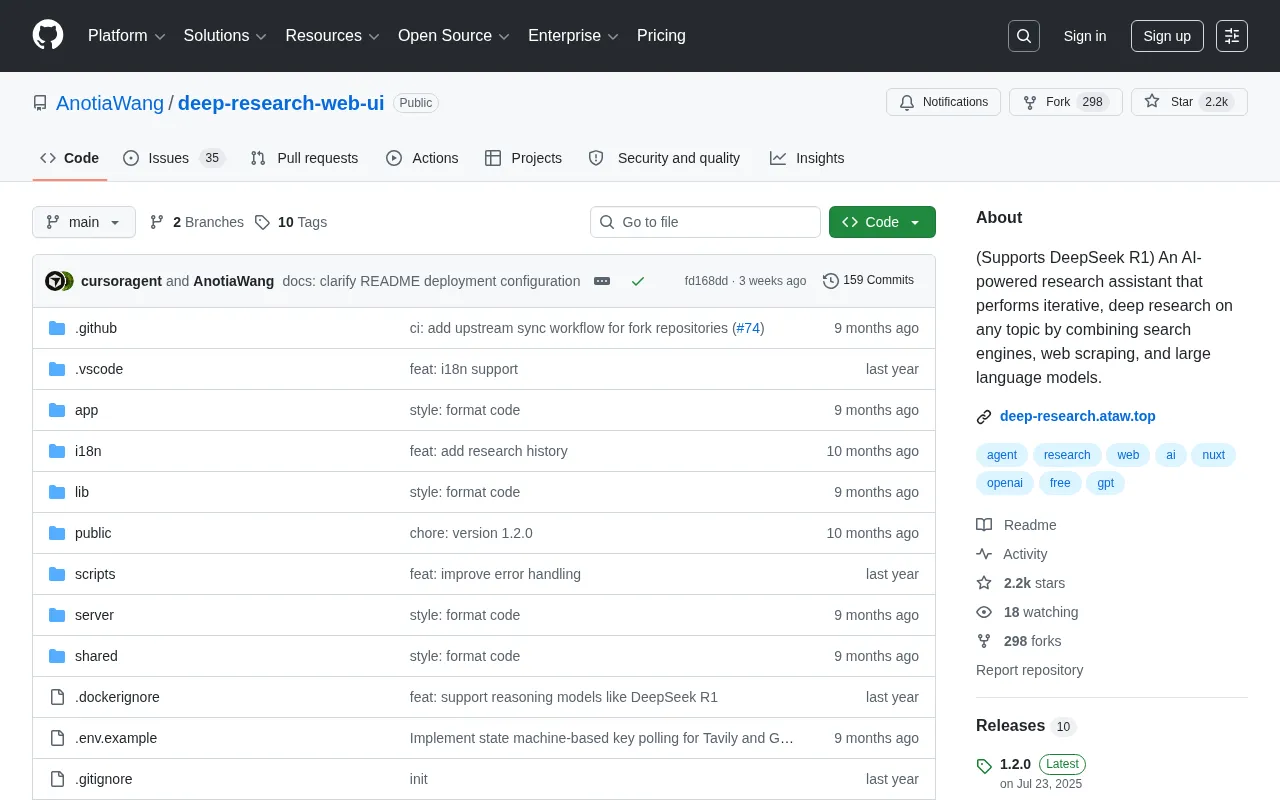
Deep Research Web UI: An Open-Source AI Deep Research Assistant with DeepSeek R1 Support
Deep Research Web UI is an open-source AI research assistant supporting DeepSeek R1, enabling automated deep research through iterative search, web scraping, and LLM reasoning. 2100+ Stars on GitHub.
Read more →
 Product Reviews
·2 min
DeepSeek-Reasonix: A Terminal AI Coding Agent Optimized with Prefix Cache Stability
DeepSeek-Reasonix is an open-source terminal AI coding agent natively designed for DeepSeek models, achieving lower latency and API costs through prefix cache stability optimization.
Read more →
 Deep Dives
·3 min
Why WebRTC Is a Poor Fit for AI Voice: The Fatal Flaw of Latency-First Design
Analysis of WebRTC's design flaws for AI voice: its packet-dropping strategy corrupts user prompts and degrades LLM responses. Exploring how MoQ better balances data integrity with low latency.
Read more →
 Deep Dives
·3 min
Open-Source Replication of OpenAI Operator: Building a Computer-Controlling AI Agent in 48 Hours
A developer open-source replicated OpenAI's $200/month Operator in 48 hours using Anthropic Computer Use, building a full-stack Dockerized computer-controlling AI Agent with deep analysis of architecture and industry trends.
Read more →
 Deep Dives
·2 min
Claude-Claw Open Source Project Analysis: The Brain + Hands AI Agent Orchestration Architecture
Deep analysis of the Claude-Claw open-source project: how it combines Claude Code reasoning with OpenClaw GUI automation to build a brain + hands AI Agent orchestration architecture for autonomous computer control.
Read more →
 Deep Dives
·3 min
AI-Assistant Open Source Project Analysis: Building a Local AI Agent with the Anthropic API
Deep analysis of the open-source AI-Assistant project built on Anthropic Claude API for local AI Agents, covering architecture, use cases, security, and agentic AI trends.
Read more →
 Deep Dives
·3 min
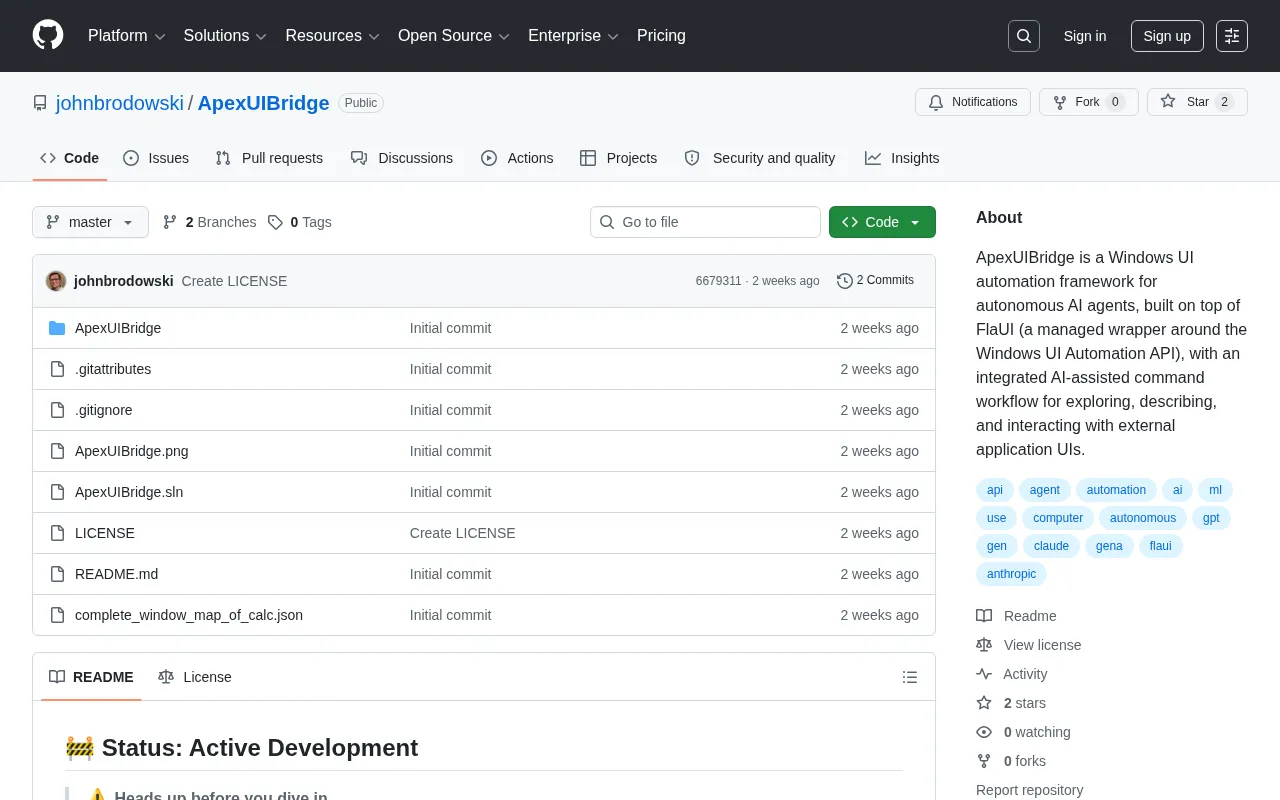
ApexUIBridge: A UI Automation Framework That Lets AI Agents Control Windows Desktop Applications
Deep dive into ApexUIBridge, an open-source AI agent automation framework built on FlaUI and Windows UI Automation API, enabling UI exploration, semantic description, and interaction with desktop apps.
Read more →
 Deep Dives
·3 min
WKAppBot SDK: Open-Source AI Agent Framework for Windows Desktop Automation
Deep dive into WKAppBot SDK, an open-source AI Agent automation framework for Windows. Features Computer Use, focusless operation, multi-AI model support, and self-healing capabilities for AI-driven RPA.
Read more →
 Deep Dives
·3 min
Open Computer Use: An Open-Source Framework for AI Agents to Autonomously Control Computers
Open Computer Use is an open-source TypeScript AI agent framework enabling automated computer control via browser, terminal, and desktop. Learn about its features, architecture, and comparison with Claude Computer Use.
Read more →
 Deep Dives
·2 min
application-use: A Native macOS Desktop Automation CLI Tool Rivaling Anthropic Computer Use
application-use is a Go-based macOS desktop automation CLI tool designed for AI Agents. It rivals Anthropic Computer Use with a native API approach for faster, more precise app control.
Read more →
 Deep Dives
·2 min
best-agent: A Self-Evolving Multi-Agent Framework Built on Claude Code
Deep analysis of best-agent, a self-evolving AI Agent framework built on Claude Code with 94+ skills, 14 specialized agents, and Computer Use capabilities.
Read more →
 Deep Dives
·3 min
Auto-Use Open Source Project Explained: One AI Agent to Handle Your OS, Browser, and Code
Deep dive into the Auto-Use open source project—an end-to-end AI Computer Use Agent that unifies OS control, browser automation, and coding. Analysis of architecture, competitors, and industry trends.
Read more →
 Deep Dives
·2 min
computer-use-windows: An Open-Source Framework for Building AI Desktop Agents on Windows
An open-source project based on Anthropic's Computer Use API, computer-use-windows enables AI agents to directly control the Windows desktop for automation tasks including office workflows and software testing.
Read more →
 Deep Dives
·3 min
Factifai: A Deep Dive into the Visual AI-Powered Open-Source Tool for CI/CD Automated Testing
Deep dive into how Factifai Agent Suite uses vision LLMs like Claude and GPT-4o to replace DOM selectors for natural language-driven automated testing with seamless CI/CD integration.
Read more →
 Deep Dives
·2 min
Deep Dive into open-computer-use: An Open-Source Computer Control Agent with 82% Accuracy
Deep dive into the open-source project open-computer-use, a computer control agent achieving 82% accuracy on OSWorld benchmark. Covers its TypeScript stack, remote/local deployment, and RPA applications.
Read more →
 Deep Dives
·2 min
Computer Agent: An Open-Source Rust AI Desktop Agent That Automatically Controls Mouse, Keyboard, and Browser
Computer Agent is an open-source AI desktop agent built in Rust that controls terminals, browsers, mice, and keyboards via natural language. Explore its features, architecture, and security.
Read more →
 Deep Dives
·2 min
OS AI Computer Use: A Cross-Platform Open-Source AI Desktop Automation Tool Explained
OS AI Computer Use is an open-source AI desktop automation tool supporting Windows, macOS, and Linux with OpenAI and Anthropic API compatibility. Learn about its features, architecture, and safety tips.
Read more →
 Industry Insights
·3 min
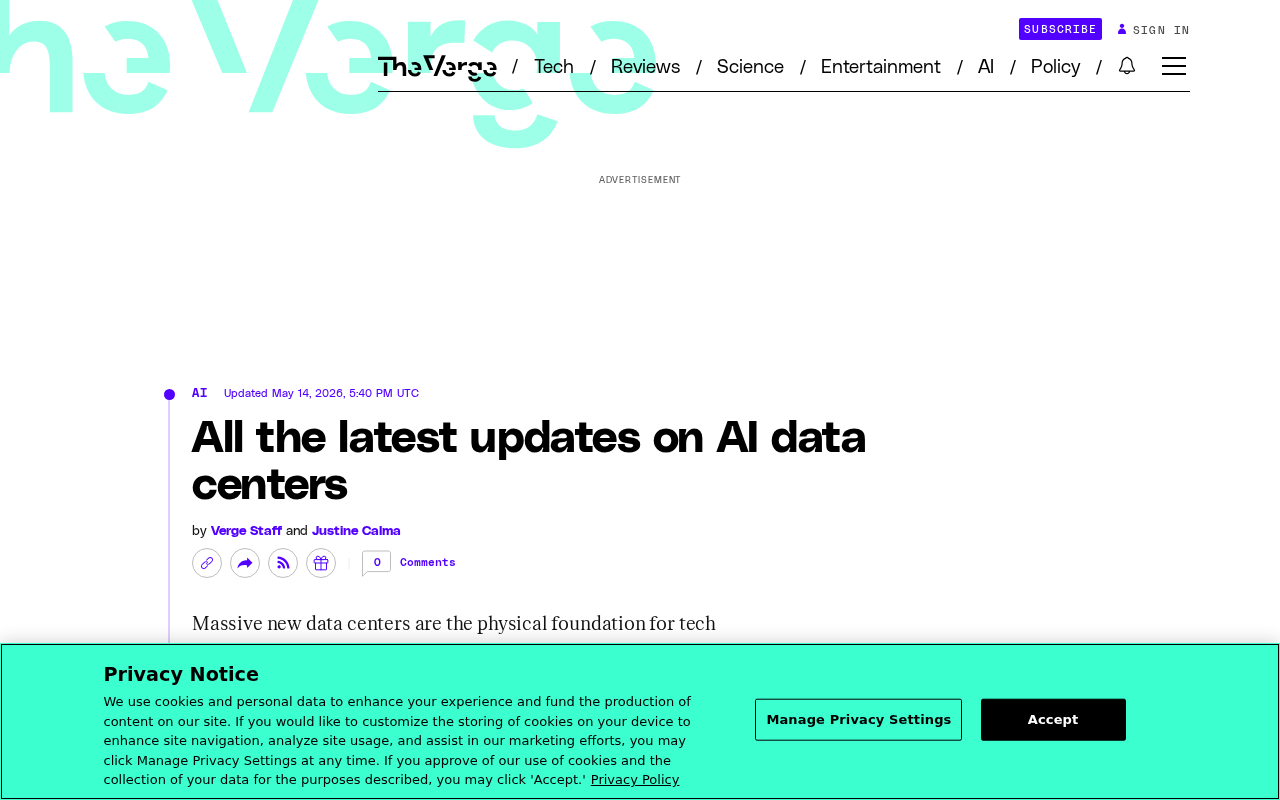
The Global Expansion of AI Data Centers Triggers an Energy Crisis: Grid Strain, Environmental Costs, and Mitigation Strategies
The AI data center building boom is sweeping the globe as tech giants invest tens of billions in computing infrastructure. This deep dive analyzes the impact on power grids, water resources, and communities, plus cutting-edge solutions like nuclear energy and liquid cooling.
Read more →
 Tech Frontiers
·2 min
DOGE's Use of ChatGPT to Review Grants Ruled Unconstitutional: The Legal Red Line for AI in Government Decision-Making
A U.S. federal judge ruled DOGE's use of ChatGPT to review and cancel over $100M in federal grants unconstitutional. Analysis of the ruling and its implications for AI in government.
Read more →