#Alibaba Tongyi Lab
240 related articles

·5 min
The Complete Guide to AI Agent Development: A Four-Stage Progressive Roadmap
A systematic guide to AI Agent development across four stages: LLM fundamentals, ReAct paradigm, memory & tools, and multi-agent collaboration for developers.
Read more →

·4 min
Chinese AI Accounts for 58% of US Compute Consumption: How Open-Source LLMs Are Disrupting Silicon Valley
OpenRouter data shows Chinese AI models now account for 58% of US AI consumption. Silicon Valley giants like DoorDash and Airbnb adopt Kimi, DeepSeek, and Qwen, leveraging low cost, high performance, and open weights.
Read more →
·4 min
Chinese AI Accounts for 58% of US Compute Consumption: How Open-Source LLMs Are Disrupting Silicon Valley
OpenRouter data shows Chinese AI models now account for 58% of US AI consumption. Silicon Valley giants like DoorDash and Airbnb adopt Kimi, DeepSeek, and Qwen for their low cost and open-weight advantages.
Read more →
·2 min
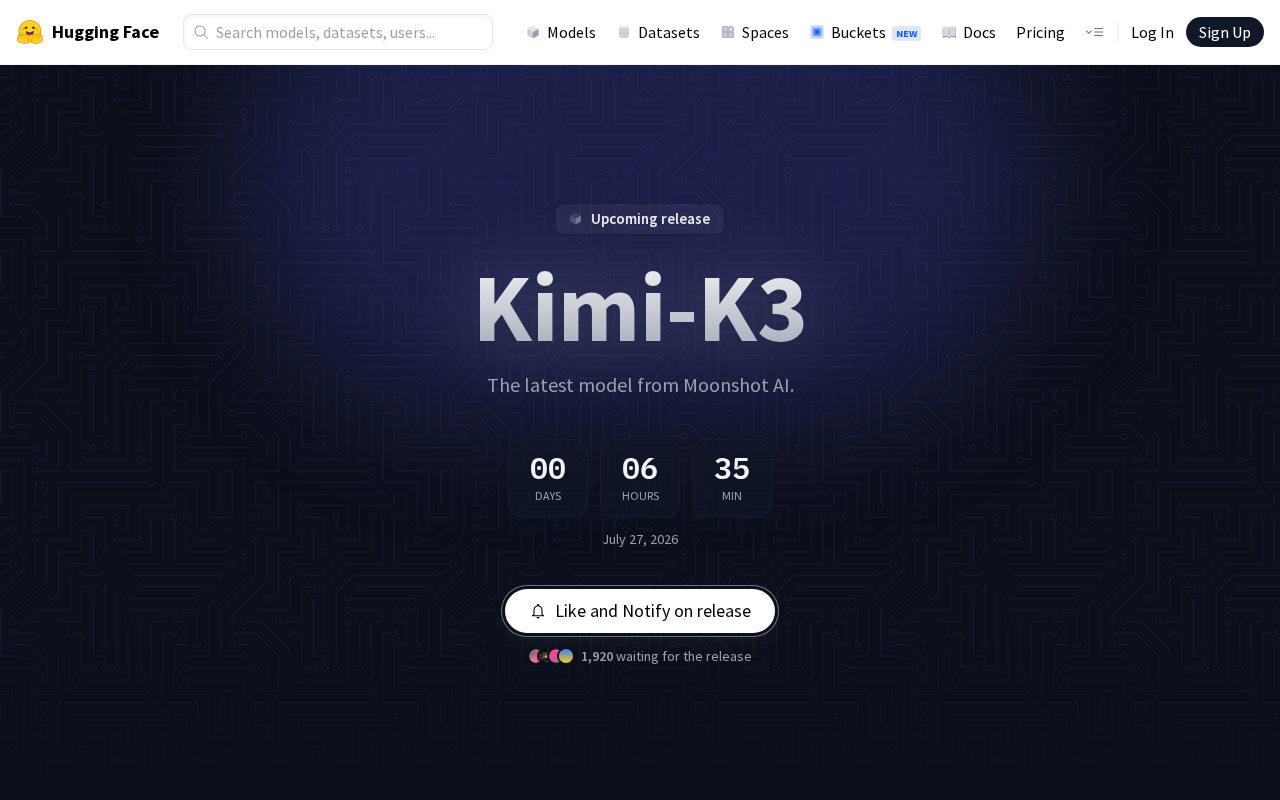
Kimi-K3 Lands on HuggingFace: A Full Breakdown of Moonshot AI's Open-Source Strategy
Moonshot AI's Kimi-K3 model is set to launch on HuggingFace. A deep dive into its architecture, licensing, community reactions, and strategic implications for the global open-source AI landscape.
Read more →
·4 min
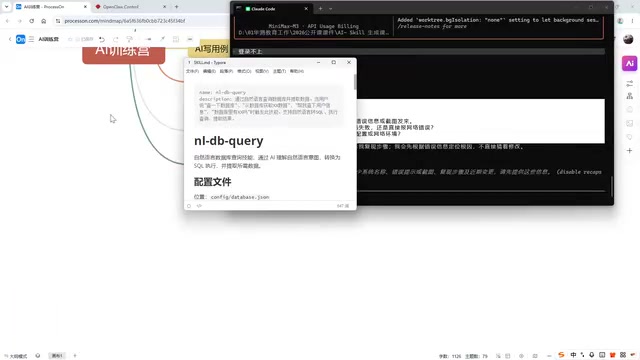
Hands-On Skill Writing and Agent Testing: A Guide to AI Testing Transformation
An in-depth look at AI testing challenges. Learn to write reusable Skill packs and master Agent testing and LLM evaluation—covering the SKILL.md six-dimensional rule, skill-creator, EvalScope, and dataset selection.
Read more →

·4 min
Claude Code from Scratch: A Complete Guide from Installation to Enterprise-Grade Development
A complete guide to Claude Code from beginner to enterprise practice: covering CLI installation, connecting domestic LLMs via CC Switch, basic commands, Git workflow integration, automated bug fixing, and engineering capabilities like MCP and SubAgents.
Read more →

·4 min
Spring AI 2.0: Five Key Updates Explained — Marching Toward the Age of AI Agents
Spring AI 2.0 brings five core updates: mandatory upgrade to Spring Boot 4, Tools parsing moving up, a built-in Agentic mechanism, MCP switching to Streamable HTTP, and an on-demand tool Advisor.
Read more →

·4 min
Spring AI 2.0 Explained: Five Key Updates Ushering in the Age of AI Agents
Spring AI 2.0 brings five core updates: mandatory Spring Boot 4 upgrade, Tools parsing moved up, built-in Agentic mechanism, MCP switch to Streamable HTTP, and on-demand tool-loading Advisor.
Read more →

·4 min
Spring AI 2.0: Five Key Updates Explained — Stepping into the Agent Era
Spring AI 2.0 brings five core updates: mandatory upgrade to Spring Boot 4, lifted Tools parsing, built-in Agentic mechanism, MCP switch to Streamable HTTP, and an on-demand tool-loading Advisor.
Read more →

·3 min
A Survival Guide for Java Developers in the AI Era: From Writing Code to Directing AI
AI is reshaping the career landscape of Java development: junior CRUD roles are the first to go, but demand rises for engineers who understand business, architecture, and can command AI. A deep dive into the transformation path for Java developers.
Read more →
Alibaba Open-Sources Code Review Tool …
·5 min
Alibaba Open-Sources Code Review Tool open-code-review: Deterministic Pipeline + LLM Dual-Engine Analysis
Alibaba open-sources code review tool open-code-review, using a hybrid architecture of deterministic rule pipelines and LLM Agents. Supports line-level comments, OpenAI/Anthropic APIs, battle-tested at Alibaba scale, written in Go, fully free and open-source.
Read more →

·3 min
LoRA Fine-tuning or Prompt Engineering? Two Paths to Solving LLM Long-Conversation Memory
A developer fine-tunes a small model with LoRA to extract conversation state, tackling the LLM long-conversation memory problem. A deep dive into the technical approach, dataset design, and the real trade-offs between fine-tuning and prompt engineering.
Read more →

·5 min
China Weighs Restricting Top AI Model Exports as DeepSeek Develops Its Own Inference Chip
China's Commerce Ministry weighs restricting overseas access to top open-weight AI models from Alibaba, ByteDance, and DeepSeek, while DeepSeek develops its own inference chip amid a US-China AI export standoff.
Read more →

·5 min
From Vibe Coding to AI Engineering: A Complete Guide to Enterprise-Grade Development
In the AI programming era, Vibe Coding alone can only build toys. This article deeply analyzes the complete engineering path from Vibe Coding to SDD spec-driven development, covering Claude Code and Codex tool selection, the SuperPower plugin, and domestic LLM comparisons.
Read more →

·4 min
Java Developer to AI Architect: A Three-Layer Capability Upgrade Roadmap
How can Java engineers transition to AI Architect? This article breaks down three core capability layers — AI app development, production RAG, and AI Agent orchestration — using Spring AI Alibaba and LangChain4j to turn your Java foundation into a competitive edge.
Read more →

·4 min
Beyond Vibe Coding: A Complete Guide to Enterprise-Grade AI Engineering
Hit the Vibe Coding ceiling? This guide covers the three-stage AI coding progression path, Claude Code vs. Codex, SuperPower SDD, and how to go from vibe coding to enterprise-grade AI engineering.
Read more →

·8 min
LangChain Crash Course: A Complete Roadmap from Zero to Agent Development
A systematic roadmap from LangChain and LangGraph to multi-agent development, covering RAG, Tool Calling, MCP, and more, helping developers break into AI app development.
Read more →

·3 min
Alibaba's 2.4 Trillion Parameter Qwen Model: Separating Technical Substance from Marketing Hype
Alibaba's Qwen releases a 2.4T parameter MoE model claiming to be 'second only to Gemini 2.5.' We break down what's real—and what's just hype.
Read more →
·7 min
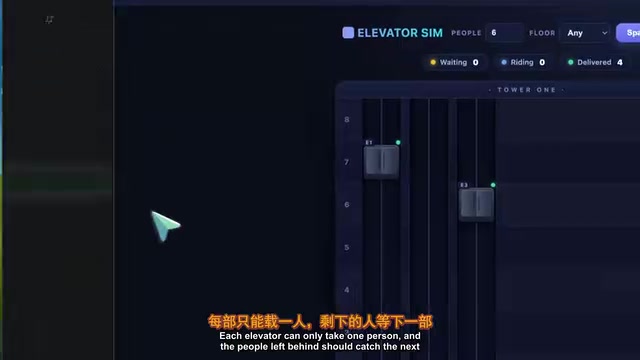
Qwen3 235B A22B in Practice: A 2.4-Trillion-Parameter Open Model Surpasses Claude Opus
Hands-on with Alibaba Tongyi Qianwen's strongest Qwen3: a 2.4-trillion-parameter open weight model scoring 81.25% on KingBench, ranking second and beating Claude Opus 4.8 with perfect scores in game dev, math, and agent tasks.
Read more →

·7 min
The Complete AI Character LoRA Training Workflow: Hands-On Multi-Character Consistency Generation with Local Deployment
A detailed guide to a complete local AI character generation workflow: from the five golden rules of LoRA training and automated ComfyUI dataset construction to hands-on comparisons of Crea2, Ideogram4, and Wan for multi-character same-frame interaction—all running free on personal hardware.
Read more →