#Draw Things
452 related articles

·4 min
AI Agent Development in Practice: A Complete Path from Zero to Production
A systematic guide to AI Agent development covering core modules, framework selection, tool calling, data preparation, and production deployment to help developers build production-ready Agent applications.
Read more →

·4 min
The Dao of DeepSeek: Liang Wenfeng on Vision, Restraint, and the Philosophy of Open Source
Analysis of DeepSeek founder Liang Wenfeng's rare investor dialogue, exploring the company's vision-driven culture, strategic restraint toward AGI, and open-source philosophy in the US-China AI race.
Read more →

·3 min
After 6 Billion Tokens, Here's What I've Learned About AI Agents
A power user who consumed over 6 billion Tokens shares hard-won insights on AI Agents: the real costs, the time investment, and maintaining healthy boundaries.
Read more →

·5 min
Is the Self an Illusion? Neuroscience Reveals the True Nature of Identity
Emory neuroscientist Gregory Burns argues the self is a story the brain weaves. From the Ship of Theseus to memory confabulation, explore how identity is shaped by narrative and how we can rewrite it.
Read more →

·3 min
Why Anthropic Never Open-Sources Claude: Safety Concerns or Commercial Moat?
Anthropic has never open-sourced Claude's model weights. As OpenAI, Meta, and Google embrace open source, is Anthropic's AI safety stance genuine caution or a commercial moat? A deep dive into the debate.
Read more →

·3 min
Info Diet Guide: How to Build a Personal Information System for Cognitive Advantage
Learn how to build a personal information system through active Info Diet design, using curiosity-driven filtering and network effects to attract quality insights and gain cognitive advantage.
Read more →
·4 min
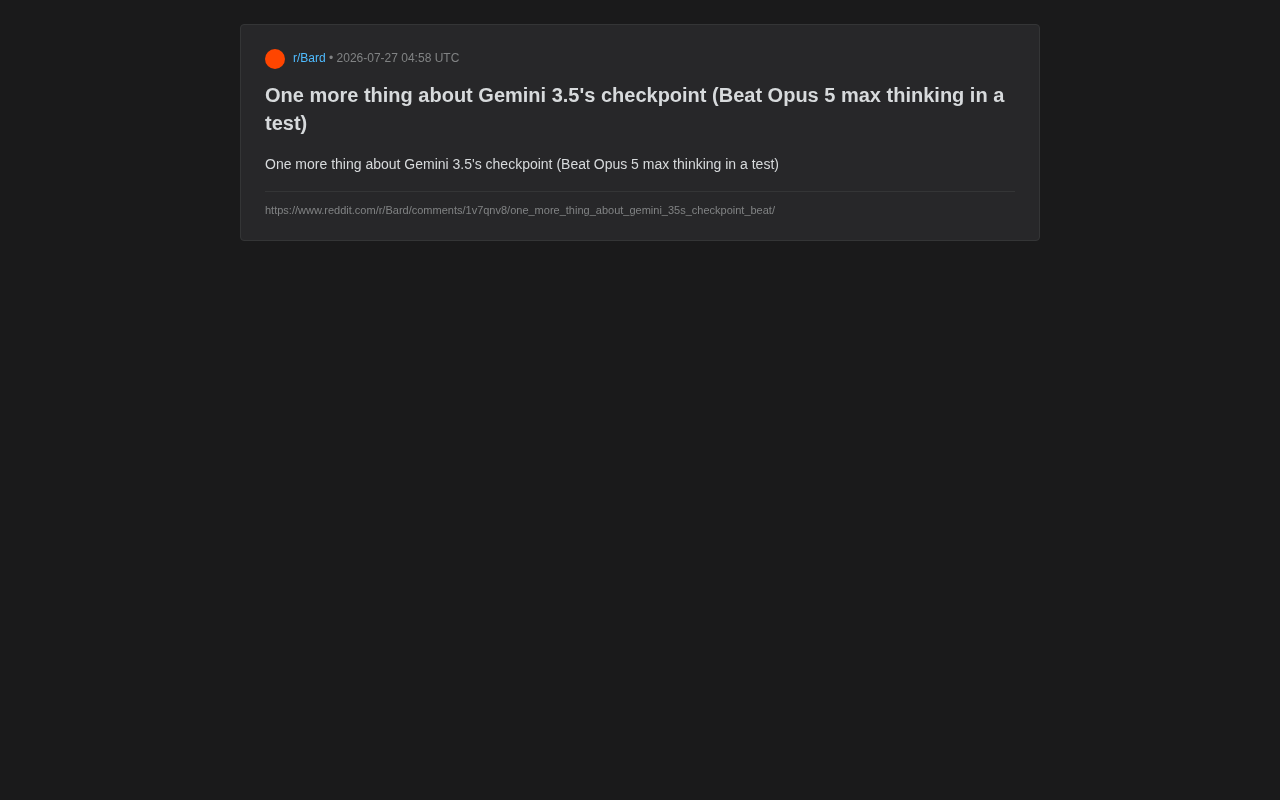
Gemini 3.5 Checkpoint Leaked: Intermediate Version Reportedly Outperforms Opus 5 in Testing
Reddit leaks suggest a Google Gemini 3.5 intermediate checkpoint outperformed Claude Opus 5 max thinking in testing. We analyze what checkpoints mean, benchmark credibility, and the LLM competition landscape.
Read more →
·5 min
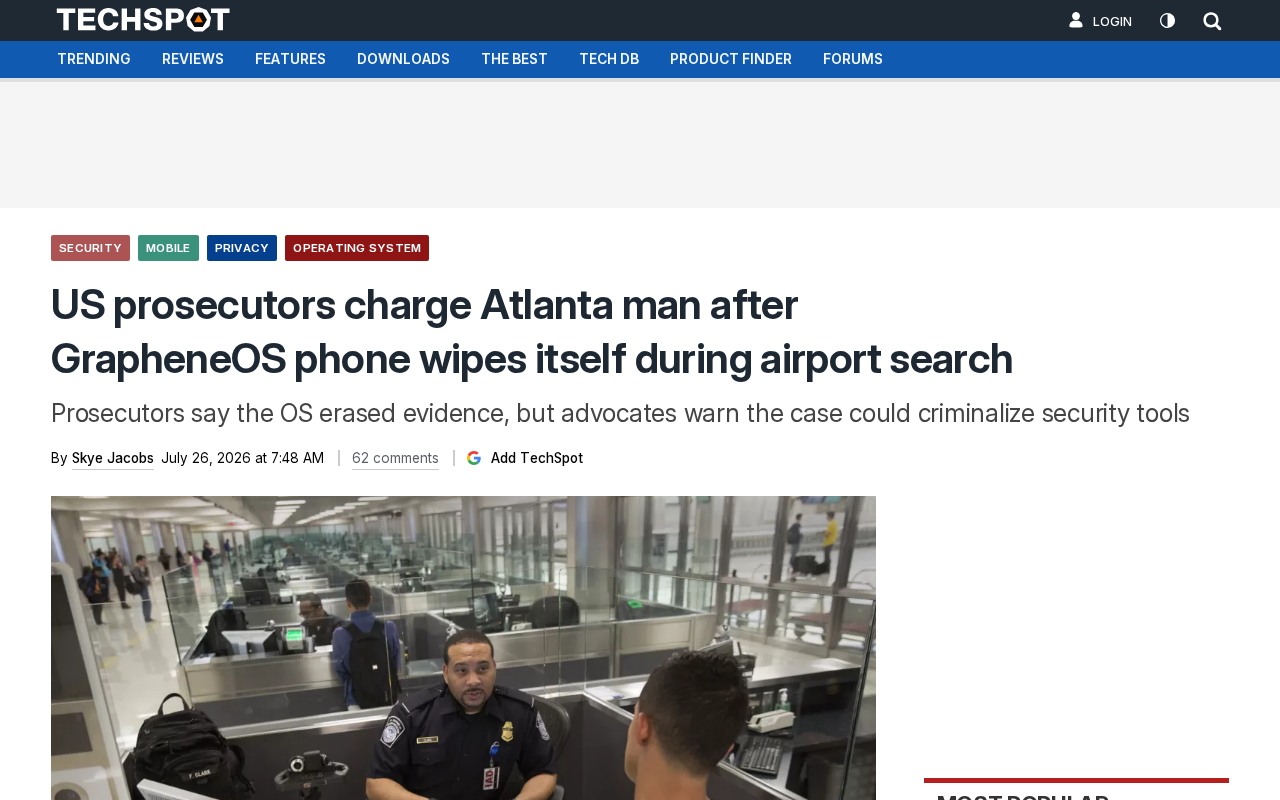
GrapheneOS Phone Auto-Wipe Triggers Criminal Charges: Privacy Rights Clash with Border Enforcement
A U.S. citizen faces criminal charges after a GrapheneOS phone auto-wiped during an airport border search. Analysis of the privacy rights vs. law enforcement clash.
Read more →

·3 min
Herder: The Open-Source Terminal Tool for Unified Management of Multiple AI Coding Agents
Herder is an open-source terminal multiplexer for macOS and Windows that unifies management of Claude Code, Codex, OpenCode, and other AI coding agents—with persistence and remote reconnection.
Read more →

·3 min
The Software 3.0 Era: An AI Programming Evolution Guide for Frontend Engineers
Natural language programming is reshaping frontend development. This article explains AI code generation, Prompt formulas, pitfall avoidance, RAG, Agent orchestration, and skill maintenance.
Read more →

·3 min
Pi Agent Configuration Guide: Building Your Own AI Coding Assistant
A step-by-step Pi Agent configuration tutorial covering installation, LLM connection, extension ecosystem, MCP setup, and Token-saving tips. Learn to build a truly controllable AI coding assistant.
Read more →

·4 min
Vibe Coding in Practice: AI-Assisted Refactoring of a Unity Game's SO Architecture
Learn how to use Vibe Coding to collaborate with AI in refactoring a Unity game, introducing ScriptableObject (SO) data architecture, with hands-on tips.
Read more →

·4 min
Vibe Coding in Practice: Refactoring a Unity Game's SO Architecture with AI
A deep dive into refactoring a Unity game with Vibe Coding and AI, introducing ScriptableObject (SO) architecture—covering visual map editors, Codex remote control, and collaboration pitfalls.
Read more →

·3 min
AI Agent in Action: Building a Local Netlist Analysis Plugin for JLCEDA from Scratch
How a Bilibili creator used AI Agent, MCP, and Playwright to build a JLCEDA local netlist analysis plugin from scratch—covering features, setup, and the full Agent-driven dev process.
Read more →

·3 min
The Vibe Coding Trap: You're Just Producing Garbage Faster
Vibe Coding lets non-coders build apps and websites fast with AI, but efficiency gains don't equal value gains. This article dissects the core trap and offers the right order: needs first, code later.
Read more →

·4 min
AI Testing in Practice: A Complete Guide to Three Types of AI Tools and the New Paradigm of Test Development
A comprehensive guide to three core AI tool types (personal assistant, CLI geek, AI IDE) in the testing era. Uncover the real challenges of AI test case generation and the new AI test development paradigm.
Read more →

·3 min
In-Depth Analysis of Three AI Test Automation Approaches: Code Scripting, DOM Parsing, and Visual Models
A systematic breakdown of the three mainstream test automation approaches in the AI era: AI-generated code scripts, DOM parsing driven, and LVM visual model driven. In-depth comparison of principles, pros/cons, and use cases.
Read more →

·3 min
Anthropic's Hands-On Guide: How to Scientifically Choose and Evaluate AI Models
Anthropic's Applied AI team breaks down a methodology for choosing AI models: building custom evals, avoiding three common pitfalls, measuring value by cost per success, and cutting costs with prompt caching and context engineering.
Read more →
·2 min
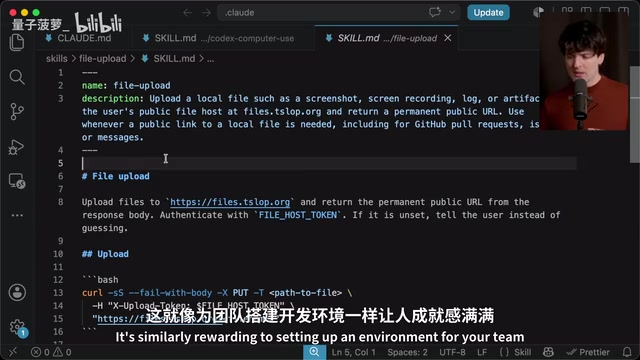
The Age of AI Coding: Why Tinkering Engineers Are Worth More Than Ever
Claude Code creator Boris and developer Theo reveal: in the AI Agent era, tinkering habits like automation, building small tools, and writing CLAUDE.md are becoming the core edge for reaching Staff engineer level.
Read more →

·2 min
DSpark: DeepSeek Partners with Peking University to Open-Source Inference Acceleration, Boosting Speed by Up to 85%
DeepSeek partners with Peking University to open-source DSpark, an inference acceleration tech boosting single-user speed by 57%-85% under high concurrency. Learn its three core designs and the DSpec framework.
Read more →