#FP8 FP4 computing
281 related articles

·5 min
TensorRT Multi-Device Inference: Engineering Practices for Breaking Through Single-GPU Memory Bottlenecks
NVIDIA TensorRT now supports multi-device inference via pipeline and tensor parallelism, distributing large models across multiple GPUs to break through single-card memory limits.
Read more →

·2 min
GPT-5.6 Sol Series Coming Soon: A Deep Dive into the Three-Model Architecture
OpenAI may release the GPT-5.6 series this Thursday, featuring three models: Sol, Terra, and Luna. A deep dive into the naming logic, product strategy, and competitive implications.
Read more →

·3 min
Muse Spark 1.1 Released: Competing Through Ultra-Low Cost in a Crowded AI Tool Market
Muse Spark 1.1 launches with an ultra-low cost focus. We break down the pricing strategy, technical approaches behind it, and its real value for developers and small teams.
Read more →

·7 min
Complete Guide to Training Small Models on Kaggle's Free Compute: GPU Quotas and Practical Tips
In-depth guide to Kaggle's free-tier compute: P100/T4 GPU with 30 hours/week quota, 12-hour sessions, suitable models like CNN and BERT fine-tuning, plus tips like mixed precision and checkpointing to start deep learning at zero cost.
Read more →

·6 min
Samsung's Chip Profit in a Single Year Exceeds 40 Years Combined: The AI Wave Triggers a Memory Price Crisis
Samsung's chip division is set to earn more profit in one year than in its past 40 years combined, with quarterly profit surging 19x YoY, surpassing NVIDIA. AI data centers are seizing HBM and DRAM capacity, driving up DDR5 and SSD prices.
Read more →
·6 min
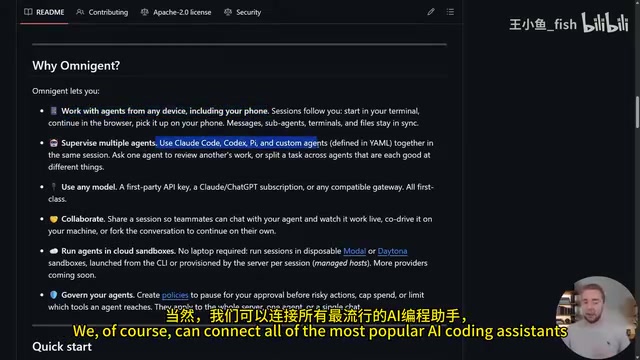
Omnigent Open-Sourced: A Meta-Harness for AI Coding Agents Built by Databricks
Databricks open-sources Omnigent, a Meta-Harness for orchestrating Claude Code, Codex, and more AI coding assistants together—with built-in guardrails, cross-model workflows, and real-time collaboration. Get started in 10 minutes.
Read more →

·6 min
Grok 4.5 Deep Dive: Coding on Par with Top Models, at a Fraction of the Cost
A senior developer's 24-hour deep test of Grok 4.5: a 1.5T-param MoE model at $2/M input tokens, with coding benchmarks rivaling GPT-5.5. Real performance, token efficiency, and limits explained.
Read more →

·3 min
Running LLMs Locally: The Illusion vs. the Real Value of Open-Weight Models
Open weight ≠ runnable locally. This article breaks down the hardware barriers, VRAM limits, electricity costs, and parallelism constraints of models like GLM 5.2 and DeepSeek — revealing where open-weight models truly add value: driving cloud competition, not home replication.
Read more →

·2 min
Unsloth v0.1.462-beta: Keyboard Navigation and Accessibility Improvements for Model Picker
Unsloth v0.1.462-beta adds full keyboard navigation to the Studio Model Picker, fixes Tab focus order, and improves accessibility for LLM fine-tuning workflows.
Read more →

·4 min
AI Weekly: GPT-5.6 Launches in Three Tiers, Open-Source Inference Frameworks and Robot Safety Break Through Across the Board
This week in AI: OpenAI launches GPT-5.6 in three tiers (Sol/Terra/Luna) hitting 91.9% on coding benchmarks; DeepSeek and PKU open-source DSpark for 85% faster inference; Prime Intellect trains trillion-param models on just 28 H200s; Anthropic Claude enters Slack.
Read more →

·4 min
Unsloth v0.1.463-beta: Fixes Studio Crash and llama-server Permission Issue
Unsloth v0.1.463-beta fixes a Studio crash caused by access-denied errors during llama-server service discovery. Improves stability for multi-user servers and Windows environments.
Read more →

·5 min
Is AI Inference Really Profitable? Deconstructing the Cost Economics of Inference vs. Training
Are AI companies really losing money? This article deconstructs the fundamental differences between training and inference costs, revealing why pure AI inference services have structural profitability.
Read more →

·7 min
The Agent Engineer Transition Roadmap: A Deep Dive into Three Core Skill Systems
Want to become an Agent engineer? This article systematically covers three core skill tracks—LLM fundamentals, LangChain architecture development, and enterprise deployment—to help you avoid detours.
Read more →

·6 min
Why Can't AI Understand British Political Farce? The Cultural Comprehension Dilemma of Algorithms
A political news story about British satirical candidate 'Count Binface' sparked debate in the tech community: why does AI struggle to understand sarcasm, contrast humor, and cultural context? An in-depth analysis of LLM limitations.
Read more →

·5 min
GPT-5.6 Explained: Sol, Terra & Luna — Tiered Positioning and Capability Comparison
OpenAI releases the GPT-5.6 series with flagship Sol, balanced Terra, and lightweight Luna. An in-depth look at each model's positioning, use cases, pricing, and the multi-agent Ultra architecture.
Read more →

·5 min
Embedded Linux vs. AI Agent Development: A Comprehensive Comparison of Salary, Job Availability, and Career Stability
Embedded Linux or AI Agent development? This in-depth comparison covers salary, job availability, and career stability to help developers pick the right path.
Read more →

·6 min
AMD Ryzen AI Halo Dev Kit: A $4,000 Local LLM Powerhouse Taking on Apple and NVIDIA
AMD officially unveils the Ryzen AI Halo local AI dev kit, priced around $4,000 with 128GB unified memory, capable of running 70B LLMs locally. An in-depth look at its specs, pricing, and market competition.
Read more →
·5 min
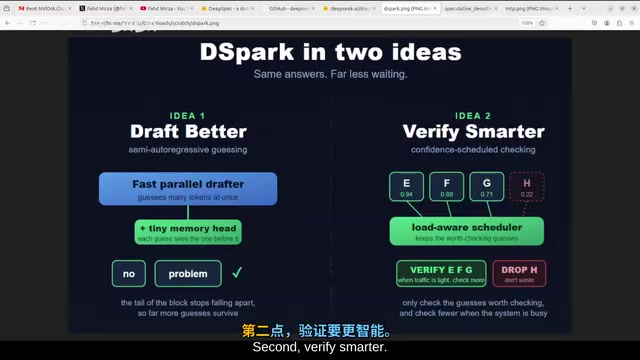
DeepSeek DSpec Hands-On: How Speculative Decoding Accelerates LLM Inference by 6x
Hands-on report on DeepSeek's open-source inference acceleration toolkit DSpec: draft model + smart scheduling delivers lossless speedup, hitting acceptance length 6 on GSM8K and reproducing official data.
Read more →

·6 min
Doubao and Qwen Retire AI Agents: How Compute Costs Are Reshaping AI's Commercial Boundaries
Doubao and Qwen have retired their AI Agent features. The real reason isn't regulation—it's that companion-chat users don't pay, making compute costs unrecoverable. A deep dive into AI's cost dilemma.
Read more →
·7 min
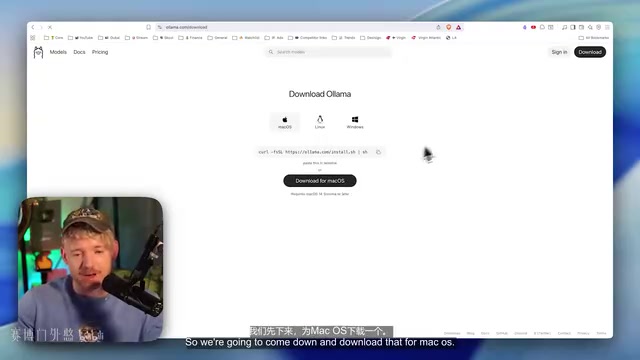
Ollama + Hermes Local AI Deployment: Building a 100% Private Personal AI Operating System
Build a fully private local AI system with Ollama + Hermes: zero cost, no rate limits, data stays local. Learn deployment steps, model selection tips, and private/cloud hybrid workflows.
Read more →