#Intent Debt
132 related articles
·6 min
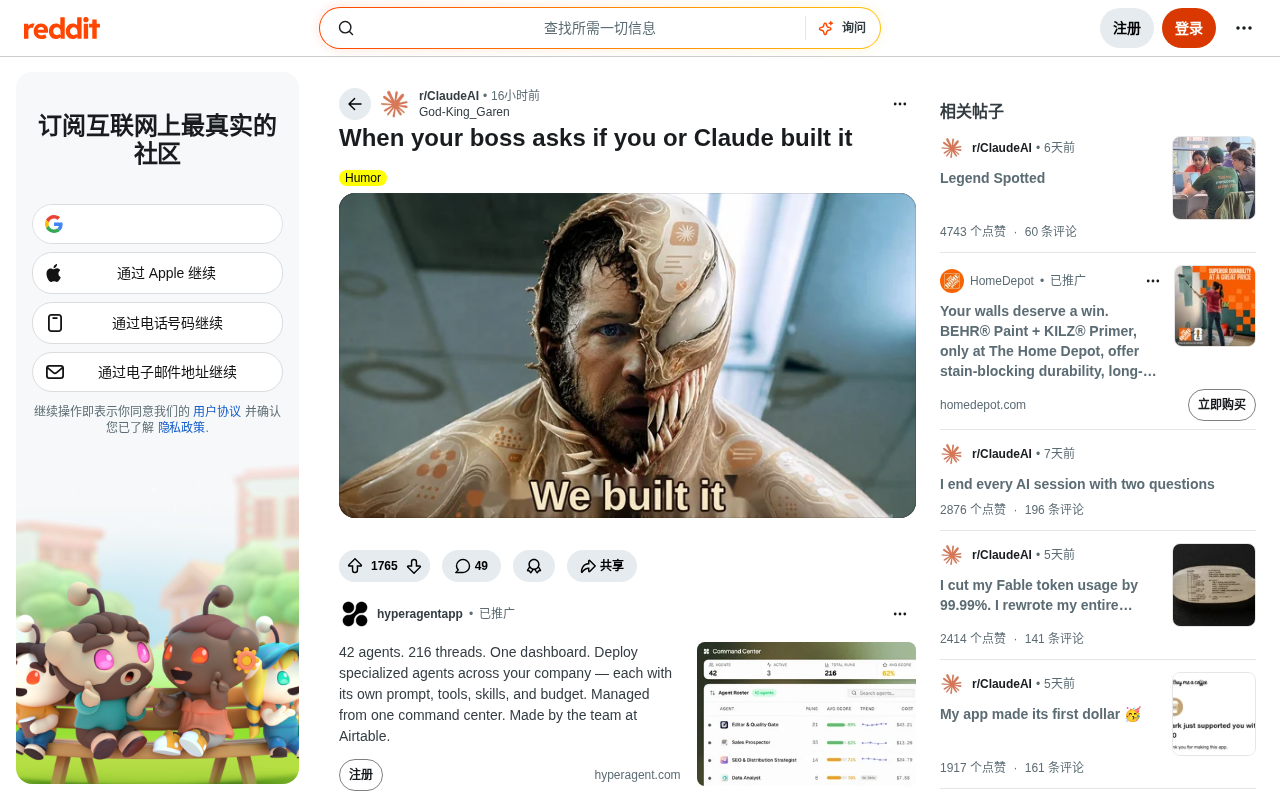
The AI Coding Era: Does Code Written by Claude Count as Yours?
The Reddit meme "did you or Claude build it" struck a chord with developers. This article explores how AI coding assistants reshape workflows, where the boundary of human-AI contribution lies, and how programmers can find irreplaceable value in the AI era.
Read more →

·6 min
Rereading The Mythical Man-Month in the AI Era: Can the Strongest Copper Bullet Break Brooks's Law?
Does The Mythical Man-Month still hold 50 years on? A deep analysis of Brooks's Law, the second-system effect, and conceptual integrity in the AI coding era.
Read more →
·6 min
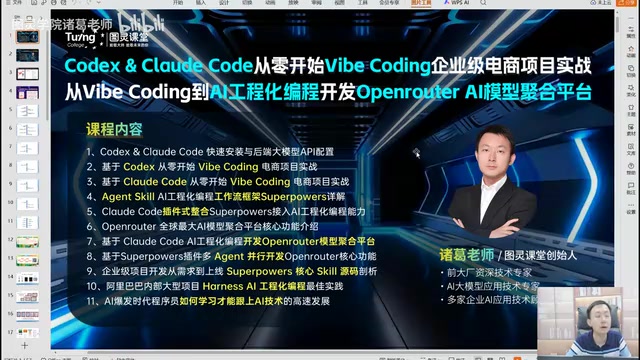
Understanding the Limits of Vibe Coding: A Practical Guide to AI Engineering-Grade Programming
An in-depth look at the difference between Vibe Coding and AI engineering-grade programming. Can AI replace programmers? From Claude Code and Codex to Cursor, revealing the real limits, enterprise pain points, and engineering solutions of AI coding tools.
Read more →

·7 min
Fable AI Coding in Practice: Optimizing Reasoning Levels and Multi-Model Collaboration to Cut Costs
How developer Theo used Anthropic's Fable model to rebuild his AI coding workflow — controlling reasoning levels, multi-model routing with Codex, and sub-agent orchestration to cut costs from thousands to $150.
Read more →

·7 min
Fable AI Coding in Practice: Optimizing Reasoning Levels and Multi-Model Collaboration to Save Money
Hands-on guide: Use Anthropic's Fable model to optimize AI coding workflows — control reasoning levels, leverage Claude-Codex multi-model collaboration, and cut costs from thousands to $150.
Read more →

·6 min
AutoScout24's AI-Native Journey: How Codex and Agents Are Reshaping Enterprise Efficiency
As one of the world's largest car marketplaces, AutoScout24 is going AI-native with OpenAI Codex and agents. It built a CapEx agent in 48 hours, saving ~$1M/year, and explores hands-off coding.
Read more →

·6 min
Not Everything Is Worth a Token: When to Use AI and When to Use Deterministic Code
Over-reliance on LLMs is an overlooked pitfall in AI development. Explore the hidden costs of Token economics, the boundaries between LLMs and deterministic code, and how hybrid architectures balance flexibility and reliability.
Read more →

·6 min
From Vibe Coding to AI Engineering: A Complete Practical Guide to Codex and Claude Code
An in-depth analysis of the practical use of Codex and Claude Code, comparing Vibe Coding and AI engineering, covering Super Power plugins, Spec-Driven Development, and Chinese LLM integration strategies.
Read more →

·5 min
Claude Drives the sqlite-utils 4.0 Release: The Real Cost and Collaboration Methodology of AI-Assisted Refactoring
Developer Simon Willison used Claude to ship sqlite-utils 4.0: 37 prompts, 34 commits, $149 API cost — revealing coding agents' real capabilities, cross-model review, and agentic engineering best practices.
Read more →

·5 min
Why Speed Is the Most Important Quality of Software
Software speed isn't just a performance metric — it's a core feature shaping user experience and trust. Learn how responsiveness drives creativity, flow, and lasting competitive advantage.
Read more →

·5 min
OfficeCLI: A Command-Line Tool for AI Agents to Read and Write Office Documents
OfficeCLI is a command-line office suite for AI agents, supporting reading and writing of Word, Excel, and PowerPoint files—enabling efficient Office document automation without complex glue code.
Read more →

·7 min
The C Readability Crisis: Engineering Reflections Behind Clever Tricks
Why do C programmers keep creating readability disasters? An in-depth look at macro abuse, fancy pointer tricks, and over-nesting—and how coding standards, static analysis, and code review protect maintainability.
Read more →

·6 min
Escaping AI Agent Skill Hell: A Complete 4-Step Guide to Writing High-Quality Skills
Matt Pocock's 4-step framework for AI Agent Skill design: Trigger, Structure, Steering, Pruning. Escape skill hell, tell good skills from bad, and master leading words to make Agents follow your intent.
Read more →

·6 min
Escaping AI Agent Skill Hell: A Complete 4-Step Guide to Writing High-Quality Skills
Matt Pocock's 4-step framework for AI Agent Skill design: Trigger, Structure, Steering, Pruning. Escape skill hell and learn to write high-quality skills.
Read more →

·7 min
Harness Engineering: Core Methodology and Practical Guide for Enterprise-Level AI Programming
Can AI really replace programmers? This article explains Harness Engineering principles and its three evolutionary stages, revealing real pain points of enterprise AI programming.
Read more →

·3 min
JavaScript Clean Code in Practice: Core Principles from clean-code-javascript
A deep dive into clean-code-javascript (94k+ GitHub Stars), covering variable naming, function design, SOLID principles, DRY, and more for writing maintainable JS.
Read more →

·2 min
OpenCQRS 2.0: Write Tests in Business Domain Language and Let the Code Speak for Itself
OpenCQRS 2.0 introduces a testing DSL that aligns with business domain language. Explore how Given-When-Then maps to CQRS/Event Sourcing and enables living documentation.
Read more →
sqlite-utils 4.0rc2 Released: Major Ve…
·2 min
sqlite-utils 4.0rc2 Released: Major Version Built with $150 in AI Costs
Simon Willison releases sqlite-utils 4.0rc2, with most code written by Claude at just $149.25 in API costs. A deep dive into AI-assisted development costs and human-AI collaboration.
Read more →

·3 min
Spec-Driven Development: Moving Beyond Vibe Coding for More Reliable AI-Generated Code
Spec-Driven Development solves inconsistent AI coding quality: generate requirements and design docs before writing code, giving AI a clear blueprint. Covers core workflow, three key practices, and AWS's Kiro tool.
Read more →

·3 min
Codex CLI Practical Guide: From Setup to Enterprise-Level AI Development
Master OpenAI Codex CLI from setup to enterprise use: slash commands, AGENTS.md, MCP protocol, multi-agent coordination, plugin development, and RAG project implementation.
Read more →