#Intent Debt
124 related articles

·3 min
Cynative: A Read-Only CLI Tool Written in Go That Makes Infrastructure Explainable
Cynative is a read-only CLI tool written in Go that focuses on explaining live infrastructure state. This article analyzes its safety-first design, explainability philosophy, and cloud-native tooling implications.
Read more →

·2 min
If AI Writes All the Code, What's Left for Programmers?
AI coding tools are spreading fast—so where does programmer value lie? This article analyzes three key role shifts: from writer to reviewer, implementer to designer, and lone wolf to coordinator.
Read more →
·3 min
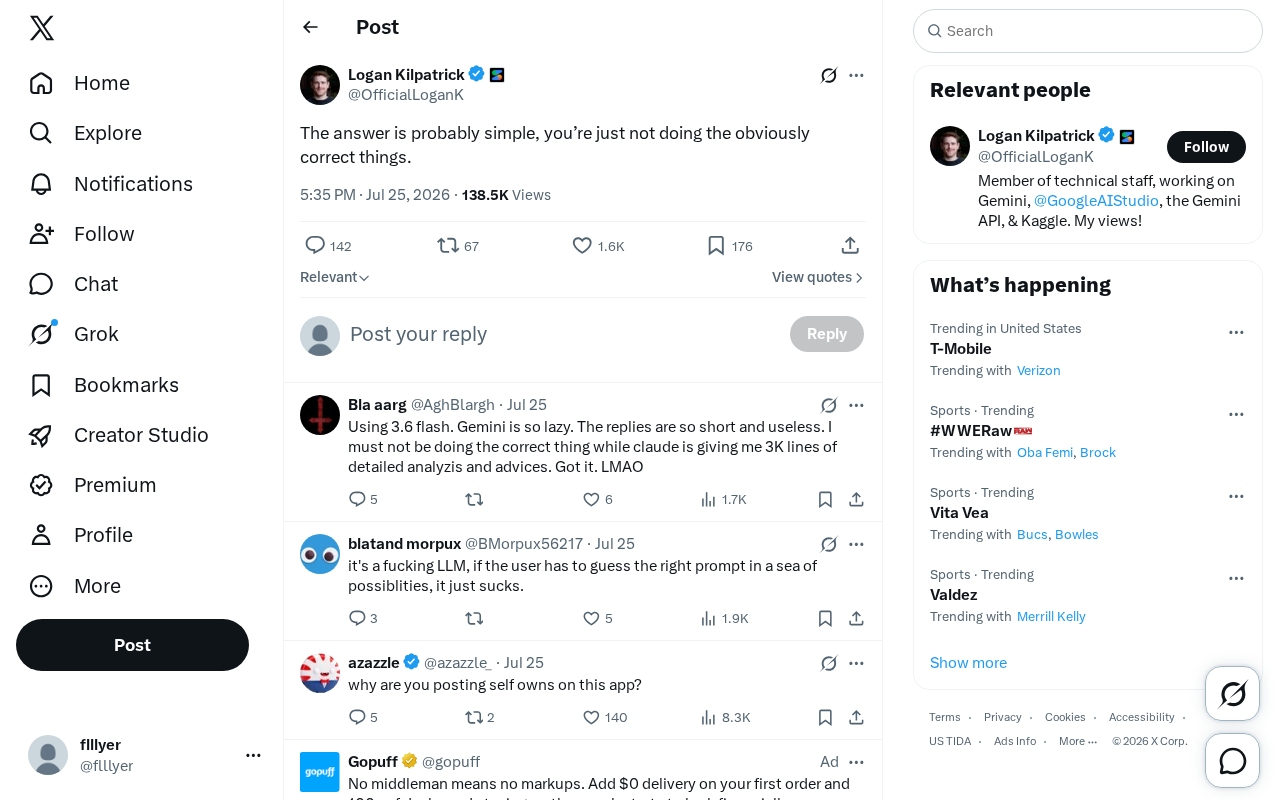
AI Not Performing Well? Start by Getting These Simple but Often Overlooked Things Right
When your AI system underperforms, the problem is often not the model or algorithm — it's basic work like data cleaning, prompt writing, and evaluation that hasn't been done right.
Read more →
·3 min
AI Not Working Well? Start by Getting These Simple but Often Overlooked Things Right
When AI systems underperform, the problem often isn't the model or algorithm — it's that basics like data cleaning, prompt writing, and evaluation aren't done right. Learn the simple fixes that matter most.
Read more →

·2 min
Why 'Clean Code' Author Uncle Bob No Longer Reviews AI-Generated Code Line by Line
Clean Code author Robert C. Martin no longer reviews AI-generated code line by line, shifting to test-driven verification. We explore the logic, debate, and implications.
Read more →

·3 min
Peek: An Open-Source Android Tool for Viewing Instagram and Other Social Media Links Without Logging In
Peek is an open-source Android app that lets users view Instagram Reels, posts, and other social media links without logging in, bypassing login walls and pop-up interruptions.
Read more →

·6 min
The Three-Layer GTM Agent Architecture: Enabling AI to Truly Recognize Buyer Intent and Identity
An in-depth analysis of the three-layer GTM Agent architecture—the Signal, Buyer Intelligence, and Action layers—revealing how context graphs identify anonymous visitors and capture purchase intent.
Read more →

·6 min
Making Money with AI Coding Gigs: A Sober Breakdown and Honest Assessment of the Four-Week Learning Path
Can beginners really earn over 10,000 yuan in their first month with AI coding gigs? This article breaks down the four-week AI coding learning path week by week and objectively assesses the real monetization barriers.
Read more →

·6 min
The Boundaries of AI Coding: When Should You Show Yourself a Red Card?
As AI coding assistants like Codex become standard, the risks of overreliance grow too. Learn when developers should "show a red card," reclaim control, and safeguard code quality and responsibility.
Read more →

·4 min
Vibe Coding vs. AI-Assisted Engineering: An In-Depth Look at Enterprise-Level Development
Can AI coding tools let non-developers replace programmers? This deep dive examines Vibe Coding's real limits, compares Claude Code vs. Codex, and reveals the methodology behind enterprise-grade AI-assisted software engineering.
Read more →
Windows Terminal: A Modern Command-Lin…
·2 min
Windows Terminal: A Modern Command-Line Experience Guide for Microsoft's Open-Source Terminal
A deep dive into Windows Terminal, Microsoft's open-source project featuring GPU-accelerated rendering, multi-tab panes, JSON customization, and WSL integration.
Read more →

·3 min
Opal: A Designer Built an AI Pet Assistant on Raspberry Pi Using OpenClaw
Microsoft designer Tua Nguyen built Opal, an AI rabbit assistant on Raspberry Pi using OpenClaw — capable of browsing the web, finding recipes, and operating GitHub.
Read more →

·3 min
Claude Code Practical Guide: Environment Setup, Git Workflows, and Engineering in Production
A complete guide to Claude Code: environment setup, switching to domestic LLMs, CLI commands, Git workflows, MCP, Subagents, and enterprise project walkthroughs.
Read more →
·2 min
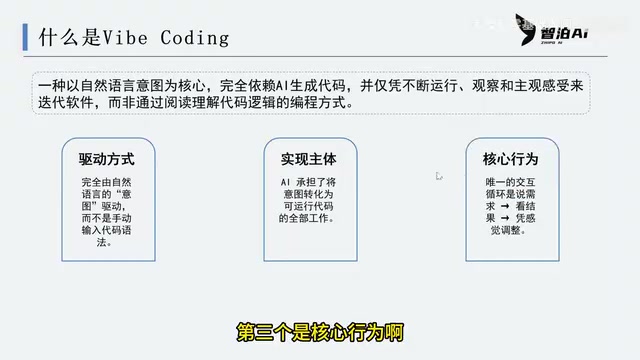
Vibe Coding Beginner's Guide: Build Real Apps with AI — No Coding Experience Required
Vibe Coding lets anyone build apps using AI and natural language — no coding required. Learn the core concepts, real success stories (including a $1M app), and why Tencent, Alibaba & ByteDance are hiring for it.
Read more →

·3 min
Modern Web Guidance: Getting AI to Generate Better Front-End Code
Google Developer Expert Raudy shares Modern Web Guidance at Google I/O Connect Berlin: a framework steering AI coding assistants to use native HTML/CSS over outdated JavaScript patterns.
Read more →

·3 min
Codex Practical Guide: A Complete Roadmap from Beginner to Advanced AI Programming
Master Codex AI programming assistant with this complete guide: CLI setup, slash commands, agents.md governance, MCP protocol, multi-agent systems, and enterprise plugin development.
Read more →

·3 min
Vibe Coding: Enterprise-Level Practices and a Skill Progression Guide for AI-Driven Frontend Development
A deep dive into Vibe Coding: how AI-led development workflows are reshaping frontend engineers' value. From interview hot topics to a three-tier competency model for the AI era.
Read more →

·3 min
One-Prompt Apps: Demos Are Easy, Shipping Is the Real Test
Is one-prompt app generation really that powerful? We break down three tiers of AI dev tools, expose the gap between demo and production, and compare top domestic platforms including Baidu Miaoda and Ant Lingguan.
Read more →

·4 min
Agent Loop in Practice: A Guide to Building Self-Improving Automation with Guardrails
A deep dive into building verifiable, self-evolving Agent automation loops with Claude Code and Codex — covering Loop Contracts, four trigger types, three-phase execution architecture, and Evolve Loops.
Read more →

·2 min
GPT-5.6 Launch Triggers Industry Chain Reactions: The New Competition Landscape of Compute, Energy, and Open Source
GPT-5.6 raises frontier model expectations, Anthropic extends Fable 5; data center power bottlenecks emerge; open-source GLM5.2 rivals top closed models; AI review burden overlooked.
Read more →