#Kaggle
53 related articles

·3 min
Zer0Fit: Connecting Google's TabFM and TimesFM to LLM Chat Interfaces via MCP
Zer0Fit wraps Google's TabFM and TimesFM foundation models as MCP servers, letting users run classification, regression, and time series forecasting through a local LLM chat interface — no ML code required.
Read more →

·3 min
How to Systematically Learn Machine Learning After Mastering Math and Python
Already know math and Python? Learn the complete machine learning roadmap: from data science tools and classical algorithms to deep learning frameworks and specialization.
Read more →

·2 min
A Beginner's Guide to Grokking Machine Learning: Self-Study Paths and Resource Recommendations
Why Grokking Machine Learning is a top pick for ML beginners — covering the author, content, legal access options, and an effective self-study roadmap.
Read more →

·2 min
P2P Student GPU Sharing Network: A Full Breakdown of Technical Feasibility and Real-World Challenges
A deep dive into the technical feasibility and real-world challenges of P2P student GPU sharing networks, covering distributed computing, latency, security, and incentive design.
Read more →

·3 min
Linguistics to NLP Engineer: Comparing Three Pathways and Finding the Optimal Strategy
How can linguistics or translation majors transition into NLP engineering? This article compares three pathways and offers a phased strategy covering core skills, project building, and job hunting tips.
Read more →

·3 min
AI/ML Internship Red Flags: How to Spot and Land Internships That Actually Matter
Is paying for an internship worth it? This deep dive into AI/ML "internship commodification" exposes the real problems with pay-to-intern schemes and offers actionable alternatives — open source, cold outreach, and technical fundamentals.
Read more →

·2 min
15-Year-Old Trains 200M MoE Language Model from Scratch: Full Architecture & Hands-On Breakdown
A 15-year-old trained Tiny-MoE, a 200M-parameter MoE language model from scratch using free Kaggle GPUs, featuring MLA attention, RoPE+YaRN, and native PyTorch.
Read more →

·2 min
How to Choose a Machine Learning Video Course: From Language Barriers to an Efficient Learning Guide
Struggling to choose an ML course? This guide covers language fit, instructor style, and platform resources to help you find the right machine learning learning path.
Read more →

·4 min
Deep Learning Data Normalization: Global Statistics vs. Per-Image Normalization — A Practical Guide
A deep dive into global vs. per-image normalization in deep learning, with remote sensing segmentation case studies covering data leakage, Min-Max vs. Z-score, and best practices for multi-channel satellite imagery.
Read more →

·1 min
A Growth Guide for Independent AI Researchers: Opportunities, Challenges, and Core Strategies
How can independent AI researchers grow without institutional support? This article analyzes the three core challenges—compute, mentorship, and recognition—and offers practical growth strategies.
Read more →

·4 min
A Deep Dive into Claude Cookbooks: A Guide to the Official 47K-Star Hands-On Code Repository
Anthropic's open-source Claude Cookbooks project offers runnable Jupyter Notebook examples covering RAG, Tool Use, multimodal processing, and more—helping developers master Claude API best practices.
Read more →
·4 min
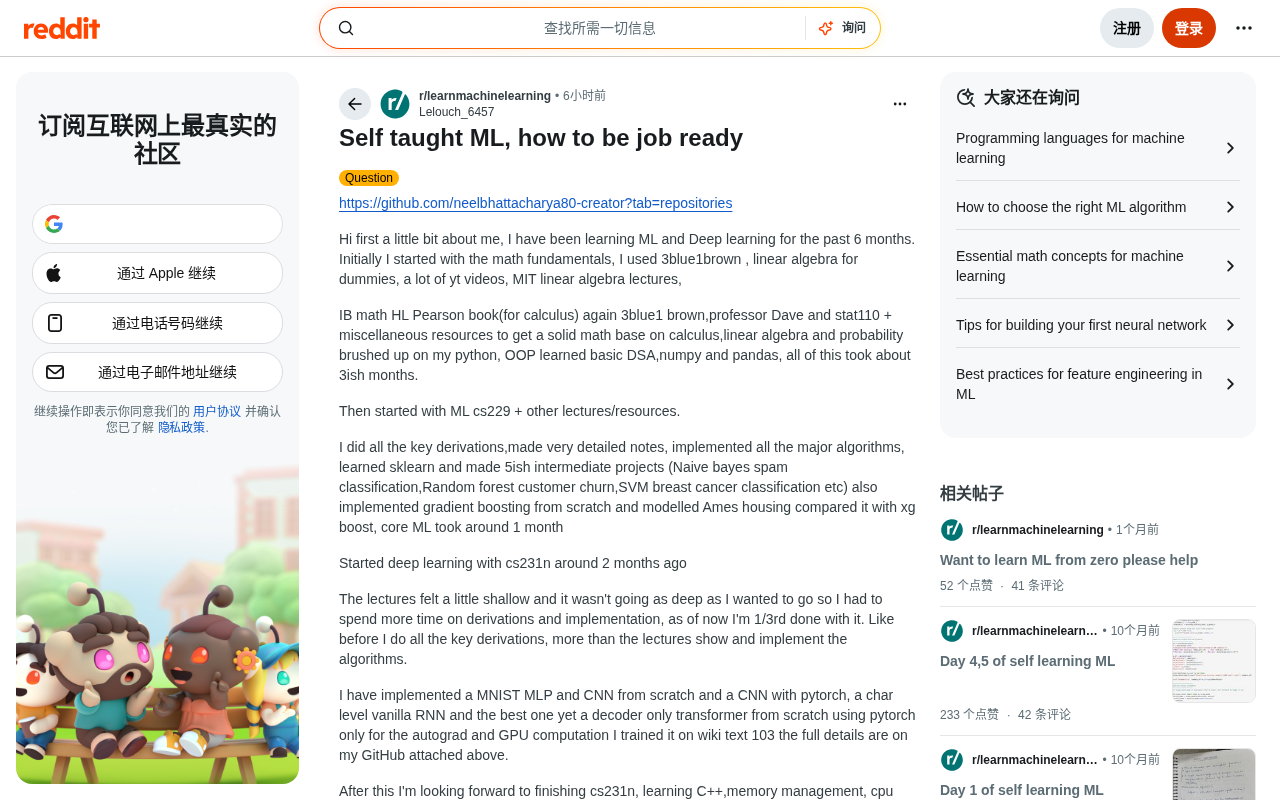
6 Months of Self-Taught Machine Learning: A Complete Roadmap from Zero to Job-Ready
A self-learner completed a full progression from math foundations and core ML to deep learning in 6 months—hand-writing a Transformer and implementing gradient boosting from scratch. This article breaks down the highlights and blind spots of this real roadmap.
Read more →
·3 min
Career Switch to AI Engineer Without a CS Degree: A Self-Study Roadmap from Scratch
A real case study of an agriculture student breaking into AI: how to start with CS50 and systematically master Python, machine learning, and MLOps skills, with a three-phase transition plan for self-learners.
Read more →

·6 min
GPT-5.6 Sol Hands-On: How Multi-Agent Parallelism Is Reshaping AI Coding Workflows
Based on Fireship's review, an in-depth look at GPT-5.6 Sol's Ultra Mode multi-agent parallelism, its 91.9% Terminal Bench score, and how it differs from Claude Fable in cost, speed, and precision.
Read more →

·3 min
TabFM: A Zero-Shot Foundation Model for Tabular Data That Disrupts Traditional Modeling
TabFM is a zero-shot foundation model designed for tabular data, enabling direct prediction without retraining on new datasets. This article analyzes TabFM's positioning, its relationship to TabPFN, key strengths, and real-world challenges.
Read more →

·6 min
An Efficient Learning Guide for Data Science: Study Partnerships and Hands-On ML in Practice
Struggling to learn data science alone? This article explores the value of study partnerships and pairs them with the classic Hands-On ML textbook to offer a phased learning plan from math foundations to deep learning.
Read more →
·4 min
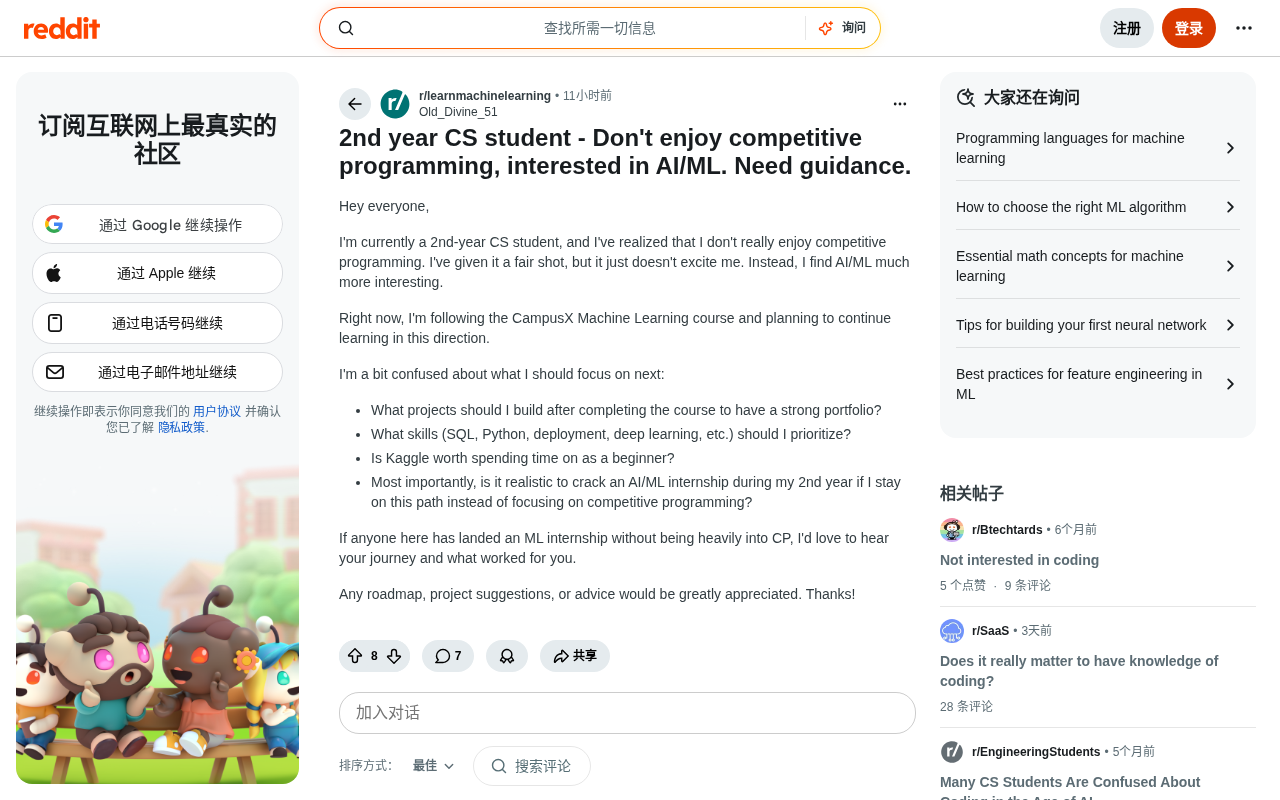
No Competitive Programming Required: How CS Students Can Pivot to AI/ML and Land Internships
How can CS students who dislike competitive programming systematically pivot to AI/ML? This guide covers skill priorities (Python/SQL/ML/deployment), portfolio strategy, Kaggle tips, and real paths to landing AI/ML internships.
Read more →

·3 min
Getting Started with Pandas: How to Choose Tutorials and Efficient Practice Resources
Struggling to pick a Pandas tutorial? This article breaks down the logic for choosing new vs. old versions, recommends hands-on resources like Kaggle and GitHub, and offers a 'tutorial + practice + projects' method to master data processing.
Read more →

·7 min
Training Machine Learning Models from Scratch: A Complete Beginner's Guide
A complete walkthrough of training machine learning models from scratch—covering problem definition, data preprocessing, algorithm selection, hyperparameter tuning, and evaluation, with tool recommendations for beginners.
Read more →

·4 min
How to Choose a Machine Learning Course for Beginners: A Complete Roadmap
Not sure where to start with machine learning? This guide covers the community-approved ML roadmap: from math and Python basics to Andrew Ng, fast.ai, Kaggle, and CS229.
Read more →