#LLM agent production deployment
714 related articles

·3 min
Gemini Managed Agents API Update: Environment Hooks and Free Tier Fully Explained
Google Gemini Managed Agents API introduces environment hooks, model selection, free tier support, and default model upgrades—empowering AI Agent developers with stronger execution control and lower barriers to entry.
Read more →

·4 min
Getting Started with Claude Code: Environment Setup, Common Commands, and Git Workflow in Practice
A detailed guide to Claude Code installation, domestic model switching, project analysis commands, and Git workflow practice to help developers quickly master this AI programming collaboration tool.
Read more →
·3 min
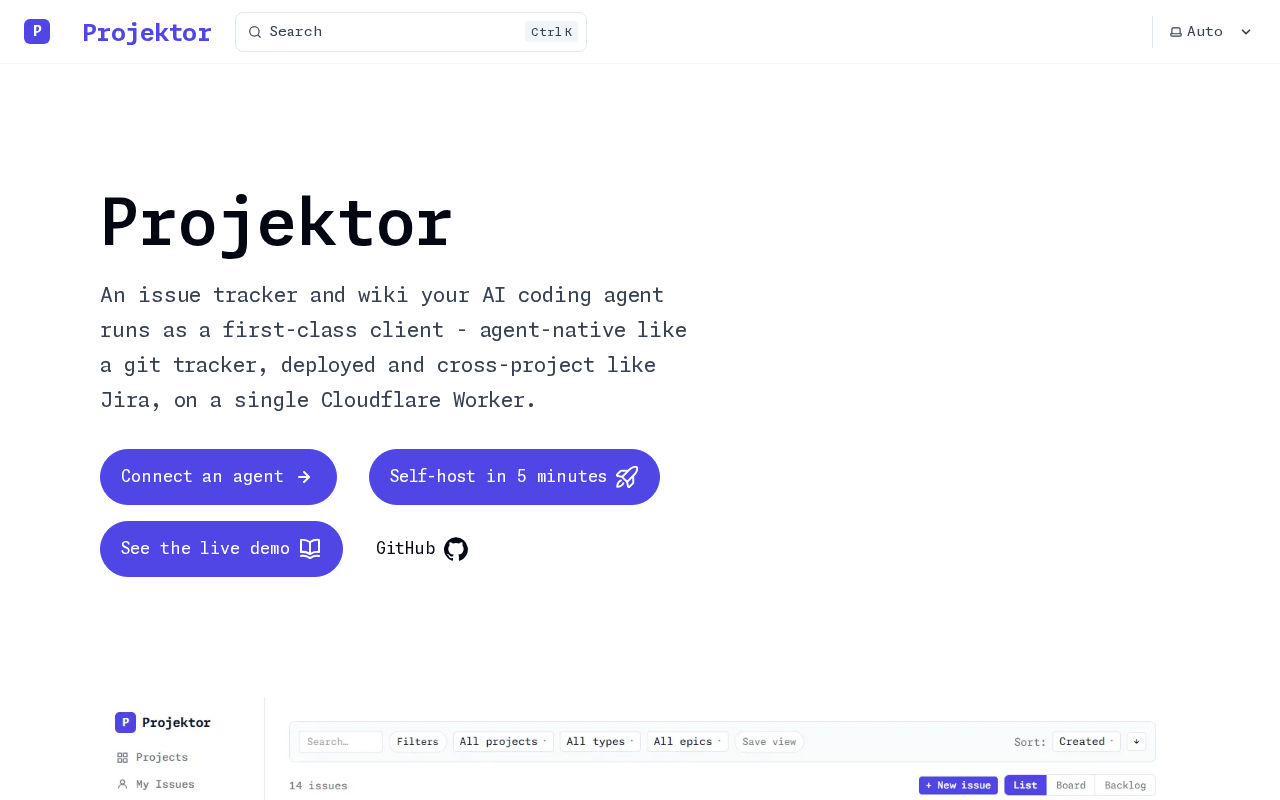
Open-Source Agent-Native Task Management: A Deep Dive into Cloudflare Edge Deployment
Deep dive into an open-source Agent Native task management and Wiki project deployed on Cloudflare, exploring Agent-native architecture, edge computing benefits, and serverless deployment for the AI Agent era.
Read more →
·3 min
Open-Source Agent-Native Task Management: A Deep Dive into Cloudflare Edge Deployment
Deep dive into an open-source Agent Native task management and Wiki project deployed on Cloudflare, exploring Agent-native architecture, edge computing advantages, and serverless deployment for AI Agents.
Read more →

·2 min
HuggingFace Open-Source Voice Assistant: A Complete Guide to Local Deployment
A deep dive into HuggingFace's speech-to-speech open-source project, covering its modular VAD, STT, LLM, and TTS pipeline architecture and the advantages of local deployment for privacy, cost, and latency.
Read more →
·4 min
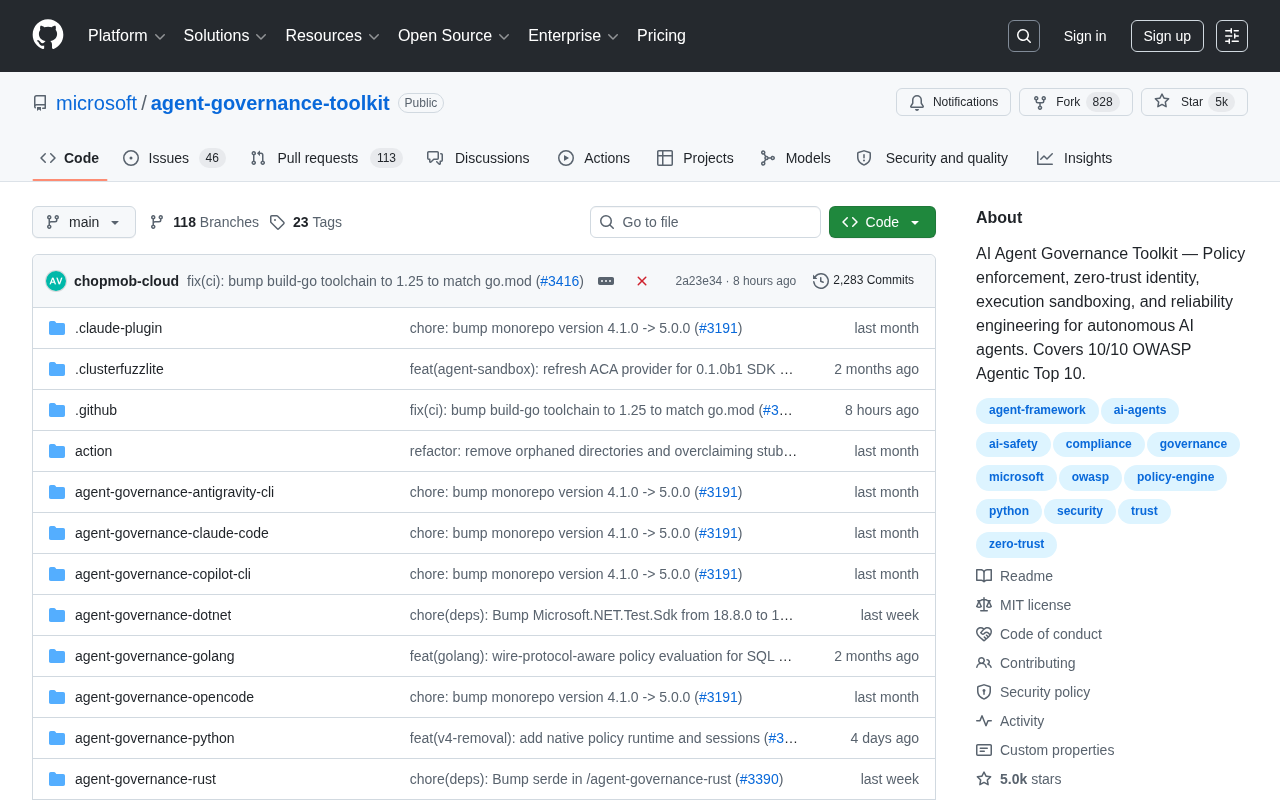
Microsoft Open-Sources AI Agent Governance Toolkit: Comprehensive Coverage of OWASP Top 10 Risks
Microsoft open-sources agent-governance-toolkit covering all OWASP Agentic Top 10 risks through policy enforcement, zero-trust identity, execution sandboxing, and reliability engineering for production AI Agent deployment.
Read more →

·3 min
GitHub Daily · July 28: From Claude Code Skill-ification to AI Agent Governance, the Toolchain Matures
GitHub Trending July 28: Microsoft's agent-governance-toolkit covers OWASP Agentic Top 10, book-to-skill gains 366 stars showing Claude Code skill ecosystem potential, plus browser-based 3D and GIS tools.
Read more →

·2 min
Three Major Updates to Gemini API Managed Agents: Free Tier, Cost Controls, and Scheduled Triggers
Google Gemini API Managed Agents launches three key updates: Free Tier for universal access, Cost Controls for budget safety, and Scheduled Triggers for automated execution.
Read more →

·6 min
Harness Engineering: From Context Engineering to the Third Phase of AI Programming
Explore Harness Engineering: the next evolution beyond context engineering for AI programming. Learn how to build enterprise-grade Skill systems and deliver real projects with mid-tier models.
Read more →

·3 min
Learning AI Large Language Models: A Complete Roadmap from Beginner to Practitioner
A systematic breakdown of the AI LLM learning roadmap covering prompt engineering, AI Agent development, RAG knowledge bases, model fine-tuning, and hands-on projects for beginners.
Read more →
·3 min
Practical Guide to Agent Development: The Complete Path from Zero to Commercial Deployment
A systematic guide to AI Agent development from beginner to deployment, covering task planning, tool calling, memory management, learning paths, and realistic commercial monetization considerations.
Read more →

·5 min
Learn AI Agent Development from Scratch: A 3-Step Practical Path to Get Started Quickly
How to learn AI Agent development from scratch? This article outlines a clear 3-step path: Python crash course, LLM theory & practice, and LangChain framework project implementation.
Read more →

·3 min
Backend Developer Transition to AI/LLM: 4 Core Skills and a Practical Learning Roadmap
Complete guide for backend developers transitioning to AI/LLM engineering. Covers the 4 core skills—Python, RAG, Fine-tuning, and Agents—with a phased learning roadmap and practical project advice.
Read more →

·3 min
Spring AI Explained: Unified API, RAG, and Enterprise AI Development Guide
Deep dive into Spring AI framework's core features including provider-agnostic unified API abstraction, RAG retrieval-augmented generation, and structured output to help Java developers build enterprise AI apps.
Read more →

·3 min
Spring AI Explained: Unified API, RAG, and Enterprise AI Development Practical Guide
Deep dive into Spring AI framework's core features including provider-agnostic unified API abstraction, RAG retrieval-augmented generation, and structured output to help Java developers build enterprise AI apps.
Read more →

·4 min
Spring AI 2.0 in Practice: Building an Enterprise RAG Knowledge Base Q&A System with Cursor
Build an enterprise RAG knowledge base Q&A system using Spring AI 2.0, Cursor AI programming, Ollama local deployment, and Redis vector storage. Runs on just 4GB VRAM.
Read more →

·2 min
A Beginner's Guide to Vibe Coding: Building Your Career Moat with AI Programming
A detailed guide to Vibe Coding with AI programming tools like Claude Code, Cursor, and Codex. Learn how to leverage AI-driven development to ship products independently and build lasting career value.
Read more →

·3 min
How to Choose an AI Agent Platform for Your Team: 5 Evaluation Dimensions and a Decision Framework
Choose the right AI Agent platform by evaluating model flexibility, observability, tool integration, security compliance, and total cost. A complete decision framework to help technical leaders avoid vendor lock-in.
Read more →

·3 min
How to Choose an AI Agent Platform for Your Team: 5 Evaluation Dimensions & Decision Framework
Choose an AI Agent platform by evaluating model flexibility, observability, tool integration, security compliance, and total cost. A complete decision framework to avoid vendor lock-in.
Read more →

·4 min
The New Coding Paradigm in the AI Era: Why You Should Generate More Code Instead of Reading Every Line
Explore the new code review mindset for the AI programming era: now that code is cheap, engineers should generate massive amounts of code to verify critical code rather than obsessing over reading every line.
Read more →