#LLM behavior editing
133 related articles

·2 min
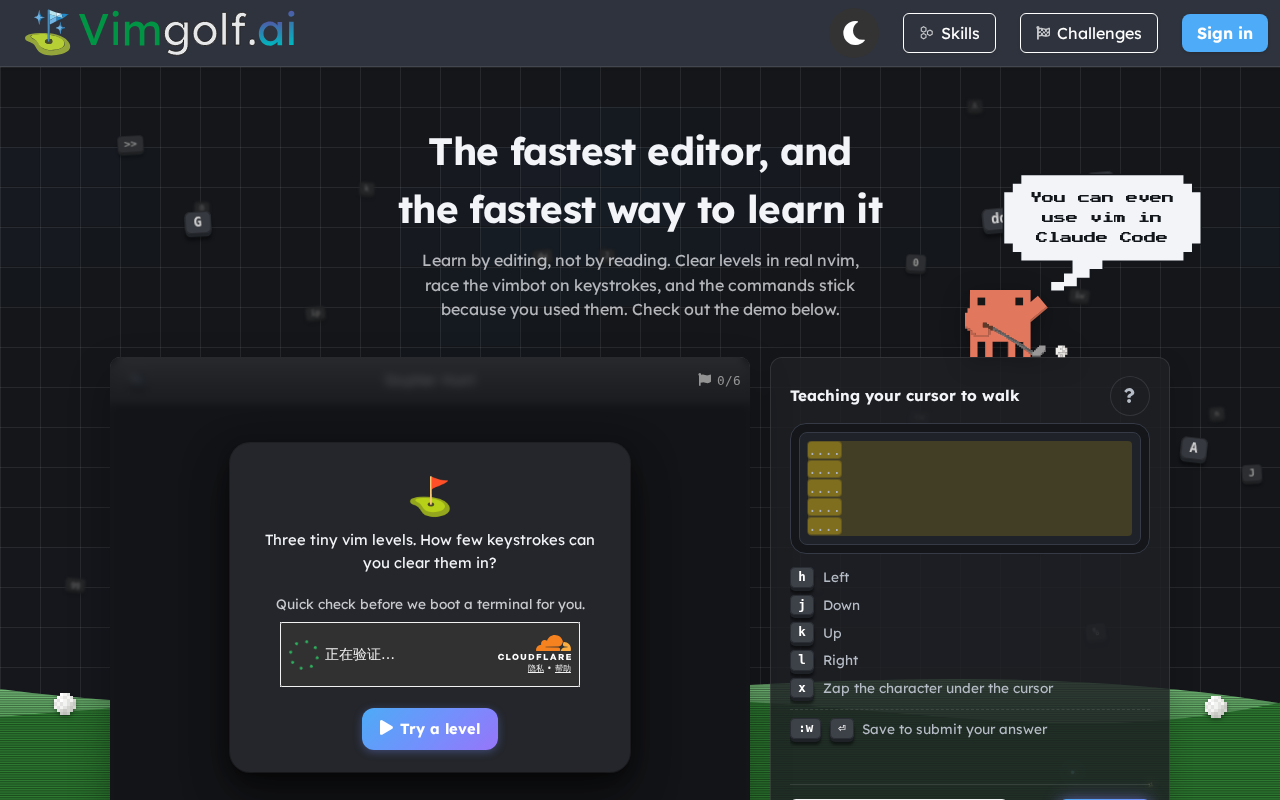
Vimgolf.ai: Learn Vim Through a Level-Based Game
Vimgolf.ai is a gamified Vim learning tool that helps users progressively master Vim commands through level-based challenges. We analyze its approach and compare it with VIM Adventures and similar tools.
Read more →
·2 min
Vimgolf.ai: Learn the Vim Editor Through a Level-Based Game
Vimgolf.ai is a gamified Vim learning tool that helps users progressively master Vim commands through level-based challenges. We explore its core philosophy, gamification advantages, and compare it with tools like VIM Adventures.
Read more →

·3 min
Can ChatGPT Read Unsent Text? The Technical Truth and Privacy Implications
A Reddit user claimed ChatGPT read their unsent input, sparking privacy fears. This article explains the technical architecture behind LLMs, revealing why AI appears to "read minds" through pattern matching, hallucination, and statistical inference.
Read more →

·3 min
Why Are Uncensored Open-Source LLMs More Optimistic? A Deep Dive into Alignment Side Effects
Research finds uncensored open-source LLMs are measurably more optimistic than base models. This article analyzes how uncensoring changes model personality and the coupling effects of alignment.
Read more →

·3 min
Claude Code vs Codex: Hands-On Comparison and Installation Guide for AI Programming Tools
In-depth comparison of Claude Code and Codex AI programming tools covering accuracy, installation, and network setup tips to help developers choose the best solution.
Read more →

·4 min
GPT-5.6 Value Maxing Practical Guide: From Token Stacking to Output Optimization Methodology
Deep dive into OpenAI GPT-5.6 Value Maxing strategies covering Sol/Terra/Luna model selection, KV cache optimization, Prompt compression, and programmatic tool calling to help developers achieve more output with fewer Tokens.
Read more →

·5 min
Running GPT-5.6 Inside Claude Code: Best Practices for Subagent Orchestration and System Prompts
Deep dive into running OpenAI GPT-5.6 inside Claude Code: comparing Codex vs Claude Code on subagent orchestration, workflow design, and system prompt quality, revealing how harness engineering determines model output.
Read more →

·4 min
AI Companies Buy Books, Scan Them, Then Destroy Them: Pulping of Rare Books Sparks Cultural Preservation Debate
Some AI companies are mass-purchasing physical books for destructive scanning and pulping to obtain training data, even targeting rare antiquarian volumes. This article analyzes the technical motivations, legal gray areas, and cultural preservation controversies.
Read more →

·2 min
AI-Generated Short Drama "Nido de Villanas": A New Form of Industrialized Short-Video Content
Deep analysis of the AI-generated Spanish short drama Nido de Villanas, exploring how generative AI is transforming short drama production and driving content industrialization.
Read more →

·4 min
Deep Dive into AI Short Drama "Nido de Villanas": How AIGC Mass-Produces Binge-Worthy Content
Using AI-generated Spanish short drama Nido de Villanas as a case study to analyze AIGC script generation, character consistency, multilingual dubbing, and the commercial logic of scaled AI drama production.
Read more →

·4 min
Deep Dive into AI Short Drama "Nido de Villanas": How AIGC Mass-Produces Binge-Worthy Content
Using AI-generated Spanish short drama "Nido de Villanas" as a case study, this deep dive analyzes AIGC script generation, character consistency, multilingual dubbing, and the industry trends of scaled AI drama production.
Read more →

·4 min
A Beginner's Guide to AI Agents: Core Principles and Learning Paths Explained
Learn AI Agent core principles from scratch: understand how Agents differ from LLMs, their execution mechanisms, why rule design matters, and find the right learning path for your goals.
Read more →
·4 min
A Beginner's Guide to AI Agents: Core Principles and Learning Paths Explained
A beginner's guide to AI Agents: understand core principles, how Agents differ from LLMs, their execution mechanisms, and get tailored learning path recommendations.
Read more →

·3 min
AI Companies Are Destroying Rare Books to Obtain Training Data
AI companies are using destructive scanning to shred physical books—including rare editions—for training data. This article examines the efficiency logic, cultural costs, and copyright gray areas.
Read more →
·4 min
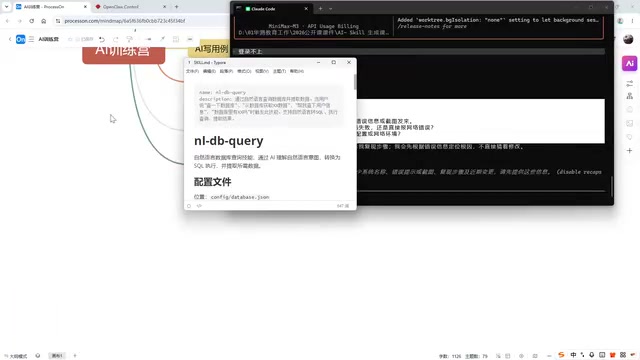
Hands-On Skill Writing and Agent Testing: A Guide to AI Testing Transformation
An in-depth look at AI testing challenges. Learn to write reusable Skill packs and master Agent testing and LLM evaluation—covering the SKILL.md six-dimensional rule, skill-creator, EvalScope, and dataset selection.
Read more →

·3 min
Beware of Cursor's Cheap Subscription Traps: Official Subscriptions Are the Right Way
Cursor Pro's cheap plans hide risks like account bans, dumbing down, device locks, and data leaks. This article dissects the three main scams and their real costs.
Read more →

·3 min
Multi-Agent AI Paper Writing System: A Full-Stack Breakdown of FastAPI + Vue3
A deep dive into an AI paper writing system built with FastAPI + Vue3, covering multi-agent collaboration, RAG, streaming output, and full academic workflow automation.
Read more →

·2 min
OfficeCLI Hands-On: AI Batch Read, Edit & Generate Word/Excel/PPT Without Installing Office
Hands-on test of open-source OfficeCLI: a single binary reads, edits, and generates Word/Excel/PPT. 1,000 cells rewritten in 0.37s, Chinese text supported. Covers XML internals, real failures, and AI Agent integration.
Read more →

·6 min
The Three-Layer GTM Agent Architecture: Enabling AI to Truly Recognize Buyer Intent and Identity
An in-depth analysis of the three-layer GTM Agent architecture—the Signal, Buyer Intelligence, and Action layers—revealing how context graphs identify anonymous visitors and capture purchase intent.
Read more →

·7 min
Getting Started with Claude Code: Five Dimensions That Show Why It Outperforms Ordinary AI
Claude Code isn't just a chat AI—it can directly read projects, modify code, and run commands. This article compares Claude Code with ordinary AI across five dimensions: interaction, context, execution, memory, and tool calling.
Read more →