#LangGraph Java
116 related articles

·7 min
Electron + LangGraph in Practice: Building an AI Agent Visual Orchestration App from Scratch
A hands-on guide to building an enterprise-grade AI Agent workflow orchestration app with Electron Forge and LangGraph, covering local LLM deployment (Qwen3-0.6B), node-based visual canvas design, and full Function Calling integration.
Read more →

·7 min
Building AI Agent Frameworks with TypeScript: The Core Development Paradigm for Full-Stack Developers
An in-depth look at why TypeScript is the top choice for AI Agent development: covering Zod structured output validation, LangGraph's graph state machine design, and a full learning path for front-end devs transitioning to full-stack AI.
Read more →

·3 min
OpenAI's Official Plugin codex-plugin-cc: Calling Codex Inside Claude Code for Dual-AI Collaboration
OpenAI's open-source codex-plugin-cc plugin lets developers call Codex inside Claude Code for code review and task delegation. 22K+ GitHub stars signal AI coding's multi-model era.
Read more →
·2 min
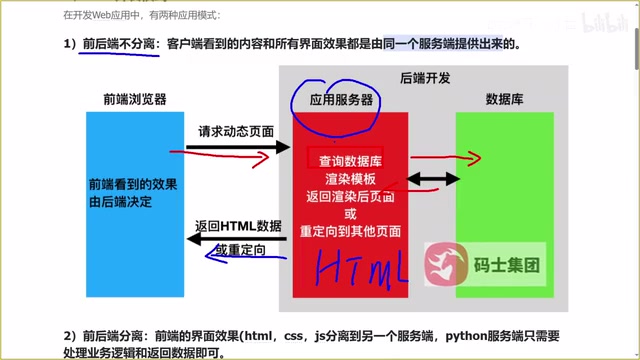
FastAPI Fundamentals: Frontend-Backend Separation and RESTful API Design Explained
A comprehensive introduction to FastAPI's core concepts: frontend-backend separation, RESTful API design, JSON data exchange, HTTP methods, and idempotency explained clearly.
Read more →

·6 min
GPT-5.6 Released: Three-Tier Soul/Terra/Luna Lineup, Orchestration Baked Into the Model
OpenAI releases the GPT-5.6 series with Soul, Terra, and Luna models. Ranked first on Terminal Bench coding evaluation, Ultra mode natively bakes agent orchestration into the model, while revealing Agentic Trace data as the core competitiveness of next-gen AI training.
Read more →

·6 min
GPT-5.6 Explained: Three Variants and OpenAI's First Government Review of an AI Model
OpenAI released GPT-5.6 with three variants—Soul, Terra, Luna—and for the first time notified and submitted the model to U.S. government review before full release. A deep dive into the variants, Max/Ultra upgrades, and cybersecurity defenses.
Read more →

·6 min
LangChain 1.0 Comprehensive Guide: Three Core Frameworks and Hands-On AI Application Development
Deep dive into LangChain 1.0's architecture: LangChain framework, LangGraph multi-Agent orchestration, and LangSmith observability platform, with hands-on RAG and intelligent customer service projects.
Read more →

·6 min
LangChain + MCP in Practice: A Pitfall-Avoidance Guide to LLM Selection and Local Deployment
DeepSeek R1 lacks Function Calling and JSON Output by default. Qwen3's programmable thinking modes make it the top open-source agent choice. Key LLM selection pitfalls and MCP protocol updates.
Read more →

·4 min
Frontend to Full-Stack AI: A Complete NestJS + LangChain Roadmap
Pure frontend roles are shrinking fast. Learn how mastering NestJS and LangChain AI agent development can unlock a 20–30% salary boost on your full-stack AI transition path.
Read more →

·7 min
AI Agent Development: A Four-Stage Competency Model from 15K to 40K RMB Salary Growth Path
A detailed four-stage competency model for AI Agent development: from Python/RAG basics (15K) to workflow orchestration (20K), inference optimization (30K), and Agent cluster governance (40K RMB).
Read more →

·6 min
Getting Started with LangChain: A Deep Dive into Model and Agent Core Concepts
Deep dive into LangChain's core Model and Agent concepts, covering unified model interfaces, agent tool calling, middleware mechanisms, and key principles for building LLM applications.
Read more →

·7 min
Cost Optimization for AI Agent Fleets: Why an Expensive Commander + Cheap Workers Is More Cost-Effective
Deep analysis of multi-agent system cost optimization: why the 'expensive commander + cheap workers' combination outperforms all-frontier fleets, covering decision-intent cost logic and Sonnet 5 tokenizer traps.
Read more →

·7 min
Cloudflare Natively Supports the x402 Protocol: How Micropayments Are Reshaping Web Monetization
Cloudflare announces native x402 HTTP payment protocol support, enabling developers to charge stablecoin micropayments for API calls without accounts or keys. Deep dive into how x402 works and its impact on AI Agent economics.
Read more →

·4 min
AI Agent Memory System Architecture Breakdown: A Practical Selection Guide from 16 Open-Source Projects
Deep analysis of memory system architectures across 16 open-source AI Agent projects including Hermes, Goose, NanoClaw, and Deerflow, covering FTS5 vs vector search, multi-tenant isolation, and LLM auto-extraction.
Read more →

·4 min
LangGraph.js Practical Guide: A Frontend Engineer's Path to AI Agent Development
A practical LangGraph.js guide for frontend engineers covering LangGraph vs LangChain comparison, workflow vs general-purpose agent types, and layered Agent architecture design.
Read more →

·4 min
Building an Enterprise Knowledge Base with RAG: A Complete Guide from Principles to Optimization
A comprehensive guide to building enterprise knowledge bases with RAG, covering vector database selection, text chunking, Embedding models, multi-strategy retrieval, re-ranking, and Agent integration for high-accuracy AI Q&A systems.
Read more →

·4 min
LLM Job Interviews: Multi-Agent and Harness Engineering Are Now Must-Know Topics
Deep analysis of LLM job interview essentials: Multi-Agent architecture, Harness engineering, Agent Loop, sandbox isolation, and memory management with career transition tips.
Read more →

·2 min
AI LLM Development Career Path: Four Stages from Zero to $60K+/Year
A four-stage learning path for AI LLM application development: from Python basics and RAG architecture to Agent cluster orchestration, helping developers transition into AI roles.
Read more →

·4 min
Spring AI Alibaba Agent in Practice: Building Enterprise-Grade AI Agents Natively in Java
Deep dive into Spring AI Alibaba Agent framework covering core architecture, tool calling, RAG integration, multi-agent collaboration, and production deployment for Java developers.
Read more →

·3 min
Agent Skills Architecture Explained: A New Paradigm for Modular AI Agent Development
A deep dive into Agent Skills architecture: core concepts, components, and how it works. Clarifies common misconceptions about Skills vs. MCP, and compares Skills with Multi-Agent architecture.
Read more →