#LangGraph Java
108 related articles

·3 min
Four Paths for Frontend Engineers to Level Up in AI: From RAG to Vertical Agents
How can frontend engineers transition into AI development? This guide covers four agent development directions: RAG, workflow agents, vertical agents, and general-purpose agents — with framework picks like LangChain.js.
Read more →

·2 min
GPT-5.6 Deep Dive: Tiered Models + Multi-Agent Architecture, LLMs Evolve into Workflow Engines
GPT-5.6 isn't just a capability upgrade — it's an architectural shift: tiered models, programmatic tool calling, and multi-agent collaboration turn LLMs into workflow engines for production systems.
Read more →

·4 min
LangChain in Practice: Mastering the Four Core Modules of the Agent Ecosystem
A deep dive into LangChain's four core modules: LangChain components, LangGraph orchestration, Deep Agents, and LangSmith. Build your first Agent from scratch.
Read more →
·3 min
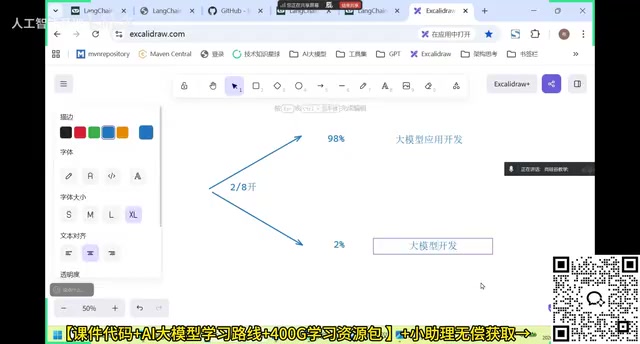
LangChain Practical Guide: From RAG Applications to Intelligent Agent Development
A comprehensive guide to LangChain: core concepts, RAG applications, Agent development, version selection (0.3/1.0), and career opportunities for Java/Python developers entering LLM development.
Read more →

·4 min
Getting Started with LangChain: LLM Limitations, Agent Principles, and Environment Setup in Practice
An in-depth look at LangChain's core value: the three limitations of LLMs, unified model interfaces, modular architecture, configuring the DeepSeek API, and understanding the SystemMessage/HumanMessage/AIMessage/ToolMessage system to build a foundation for Agent development.
Read more →
·3 min
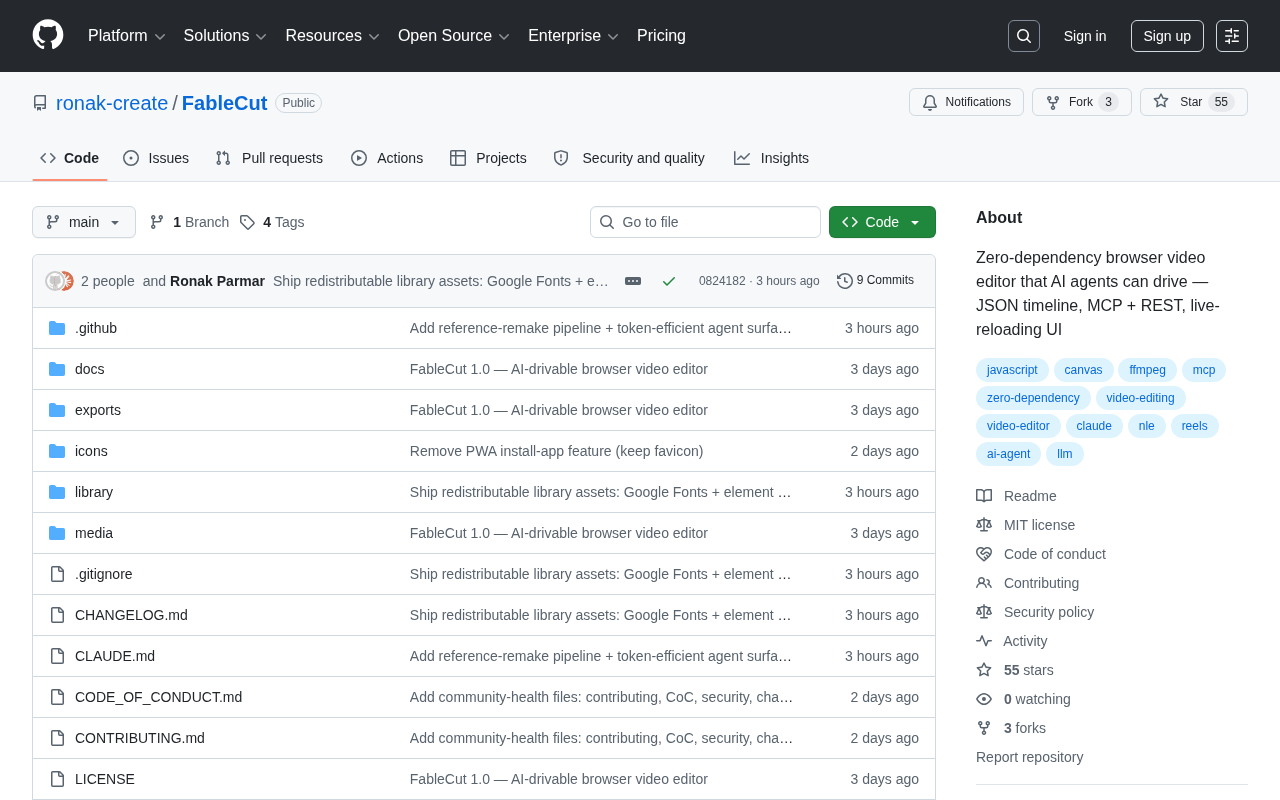
FableCut: A Zero-Dependency Browser Video Editor Built for AI Agents
FableCut is an open-source browser video editor built on a zero-dependency architecture and programmable AI-agent-driven design. A deep dive for AI automation developers.
Read more →

·4 min
Coze in Practice: A Complete Guide to Building Multi-Agent Collaboration Teams
A systematic guide to Coze's positioning and capabilities, covering Agent-building platform categories, Skill modules, workflow orchestration, and multi-Agent team building.
Read more →

·3 min
Getting Started with LangChain: The Core Framework for LLM Application Development and Its Three Key Components
LangChain is the leading open-source framework for LLM application development, supporting GPT-4, GLM, and other mainstream models. This article dives into its three core concepts: Components, Chains, and Agents.
Read more →

·5 min
Getting Started with LangChain: LLM Invocation, Agent Practice, and Environment Setup Guide
Starting from the three limitations of LLMs, this guide systematically explains LangChain's core positioning, environment setup, API key prep, model init, and the message system. Learn init_chat_model and AIMessage/HumanMessage/SystemMessage.
Read more →

·5 min
ECC: An Agent Enhancement Framework for AI Coding Assistants — Five Core Capabilities Explained
ECC is an agent optimization framework for AI coding assistants like Claude Code, Cursor, and Codex, enhancing them with skills, memory, security, and research-first development capabilities.
Read more →

·6 min
GPT-5.6 Now Widely Available: The Era of Three-Tier Models and Multi-Agent Orchestration Arrives
OpenAI releases GPT-5.6 (SOUL/TERRA/LUNA), with Ultra mode running four agents in parallel; Meta launches Muse Spark 1.1 with million-token context; ChatGPT desktop unifies Chat, Work, and Codex.
Read more →

·3 min
Java Developers Pivoting to AI: Why the Agent Direction Is the Best Choice
How can experienced Java and backend developers pivot to AI? This deep-dive explains why the Agent direction is the best fit — skills transfer well, market demand is high, and the path from "using frameworks" to "understanding source code" is clear.
Read more →

·4 min
Spring AI Alibaba Graph in Practice: HR Recruitment Workflow Agent Design and Core Technical Analysis
Build an HR recruitment workflow Agent with Spring AI Alibaba Graph, covering resume parsing, job matching, tiered question generation, HITL checkpointing, and time travel state rollback across 20 core technical points.
Read more →

·6 min
Getting Started with Coze Agents: Core Concepts, Platform Positioning, and a Practical Implementation Guide
A systematic guide to Coze's core positioning, its differences from Dify/n8n, and its full capability system covering agents, workflows, and multi-agent modes—helping beginners get started fast.
Read more →

·5 min
Security Swarm Evaluation in Practice: Validating AI Security Tools with Real Vulnerabilities
A deep dive into Security Swarm's evaluation methodology: building test sets from real, recent vulnerabilities to avoid training data contamination and validate its ability to find more bugs at lower cost.
Read more →
·7 min
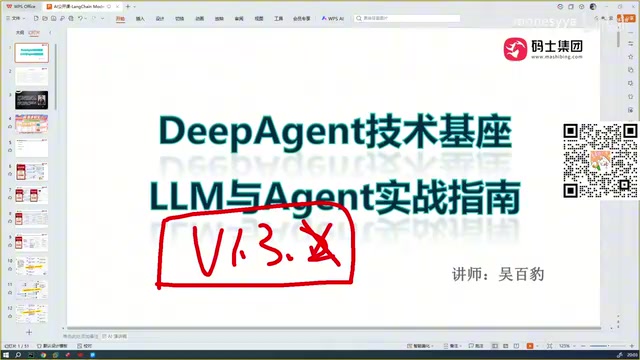
Getting Started with LangChain 1.3: Core Concepts of LLMs and Agents
An in-depth breakdown of LangChain 1.3's core concepts, covering the three major limitations of LLMs, Agent architecture, memory management, and a complete learning path. Master LangChain and LangGraph to quickly build AI development skills.
Read more →

·2 min
LangChain Fundamentals: A Deep Dive into Components, Chains, and Agents
LangChain is an open-source framework connecting LLMs with external data. This guide explains its three core components: Components, Chains, and Agents for enterprise AI development.
Read more →
·7 min
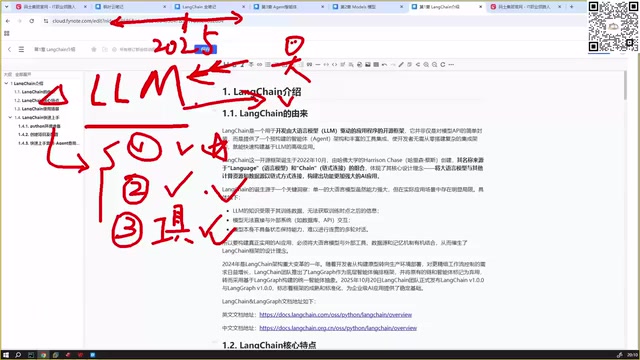
LangChain Hands-On Guide: From LLM Calls to Agent Development
Master LangChain from scratch: the three limitations of LLMs, init_chat_model unified interface config, the Message type system, and the path from LLM calls to Agent development.
Read more →

·7 min
TypeScript + Zod: Dual Insurance for Type Safety in AI Agent Development
An in-depth look at the division of labor between TypeScript and Zod in AI Agent development: TypeScript handles compile-time static type checking, Zod handles runtime validation, forming a dual defense.
Read more →

·3 min
Building LangGraph from Scratch in TypeScript: A Complete Agent Development Guide for Frontend Engineers
How can frontend developers get into AI Agent development with TypeScript? This guide covers a four-stage path from API calls to building LangGraph from scratch, including Zod, state management, and node-edge design.
Read more →