#Python SDK
226 related articles
PostHog Deep Dive: The Open-Source All…
·2 min
PostHog Deep Dive: The Open-Source All-in-One Platform for Product Analytics and AI Observability
PostHog is an open-source all-in-one platform combining product analytics, session replay, feature flags, A/B testing, and AI Observability. Supports self-hosting and MCP protocol.
Read more →

·2 min
Cursor + Appium: Building a Full Mobile Automation Testing Workflow with AI
Learn how to combine Cursor AI with Appium in a 4-step workflow—environment check, test planning, project generation, and reporting—to build mobile automation fast.
Read more →
·3 min
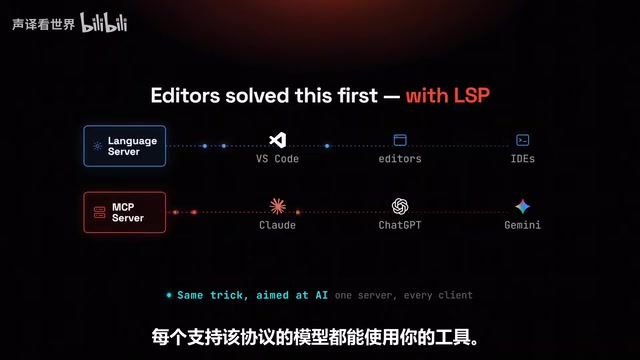
Build an MCP Server in 10 Minutes: Let AI Call Your Code Directly
MCP (Model Context Protocol) is the open standard for AI tool integration. Build your own MCP server with ~20 lines of Python. Learn tools, resources, prompts, and both local and remote deployment.
Read more →
GitHub Daily · July 17: AI Coding Infr…
·3 min
GitHub Daily · July 17: AI Coding Infrastructure Explodes — From Context Graphs to Vector Indexes
AI coding infrastructure explodes on GitHub: context management, code graphs, and vector indexes become the new battleground as the community shifts from apps to underlying capabilities.
Read more →

·4 min
Six Layers of Defense: Engineering Reliable Structured Output from LLMs
LLM JSON output unstable in your Agent? This guide covers 6 engineering layers: constrained decoding, validation retry, fake tool calls, Logit Masking, Schema contracts, and anti-pattern locking.
Read more →
There's No Best Agent Framework — Only…
·2 min
There's No Best Agent Framework — Only the Right One for Your Needs: A Deep Comparison of Leading Options
LangGraph, PydanticAI, OpenAI Agents SDK, CrewAI — a senior developer's practical guide to choosing the right AI Agent framework for your project.
Read more →

·2 min
From Beginner to Advanced AI Agent Development: A Deep Dive into One Essential Hands-On Book
A deep dive into a hands-on AI Agent development book covering component architecture, RAG, multi-agent systems, Function Calling, and production observability.
Read more →

·3 min
Getting Started with Agent Skills: Structure, Principles, and Practical Usage
A deep dive into Agent Skills: learn the file structure (SKILL.md, references, scripts, assets), core principles, and how they differ from prompts. Build your own AI skill bundle from scratch.
Read more →

·3 min
Local Gemma 3 12B as an AI Agent: A Practical Guide to Tool Calling and Framework Selection
Running Gemma 3 12B locally via Ollama and want to build an AI Agent? This guide covers tool calling, n8n/LangChain/CrewAI comparisons, context limits, and more.
Read more →
Meta Muse Spark 1.1 Released: A Deep D…
·4 min
Meta Muse Spark 1.1 Released: A Deep Dive into the First Spark Model with an Open API
Meta officially releases Muse Spark 1.1, the first model in the Spark series to offer an API, with a focus on strengthening agentic tool calling and computer use capabilities.
Read more →

·4 min
Getting Started with LangChain: LLM Limitations, Agent Principles, and Environment Setup in Practice
An in-depth look at LangChain's core value: the three limitations of LLMs, unified model interfaces, modular architecture, configuring the DeepSeek API, and understanding the SystemMessage/HumanMessage/AIMessage/ToolMessage system to build a foundation for Agent development.
Read more →

·5 min
How Can Working IT Professionals Learn AI Efficiently? A Practical Learning Path from Zero to Real-World Projects
Limited time but want to learn AI systematically? This guide maps out a practical learning path for working IT pros—from AI application engineering and prompt engineering to RAG and Agents.
Read more →

·3 min
ChatGPT Plus/Pro Plans: A Complete Comparison of Features and Payment Methods
A detailed breakdown of ChatGPT Plus ($20) vs Pro ($100/$200) plan features, comparing credit card, gift card, and Google Play top-up methods, plus an honest look at third-party top-up risks.
Read more →
·3 min
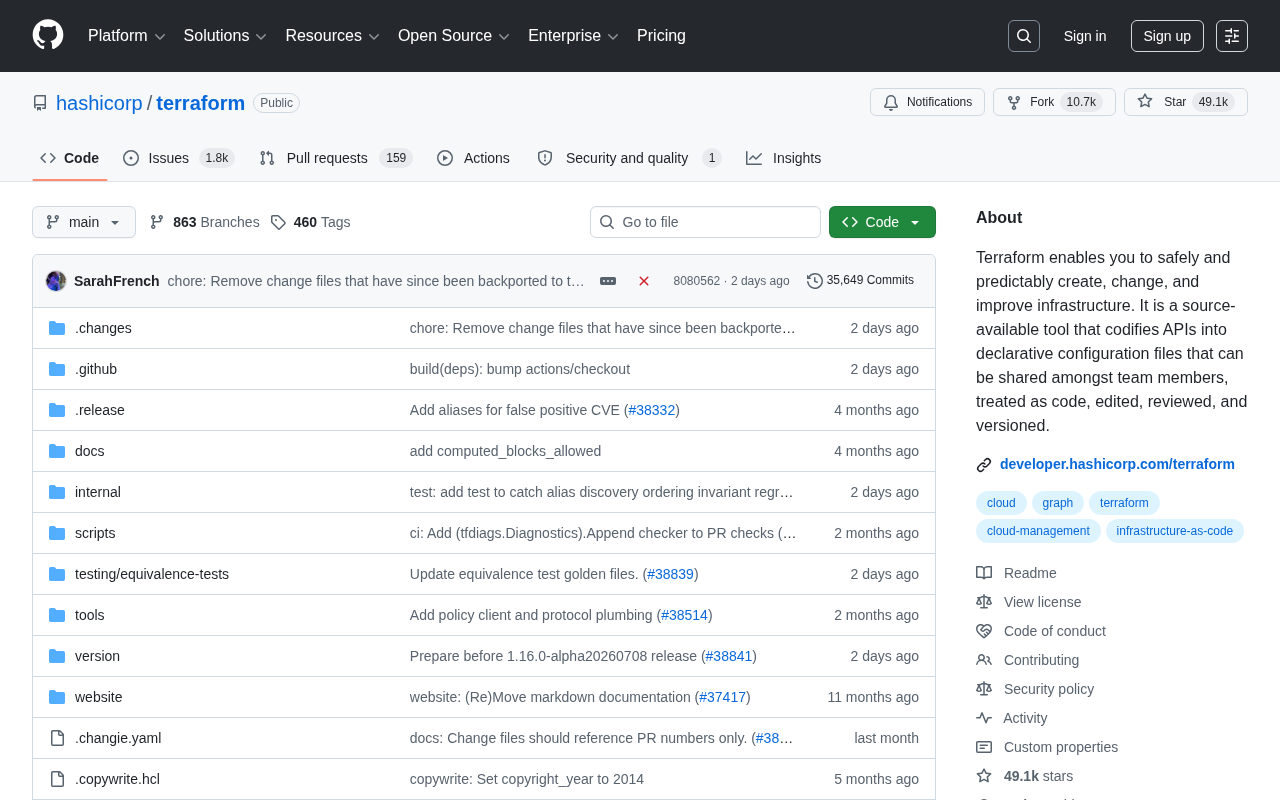
The Complete Guide to Terraform: The Core Tool and Practices of Infrastructure as Code
An in-depth look at Terraform's core principles and workflow, covering declarative configuration, the multi-cloud Provider ecosystem, IaC best practices, and license changes. Helps DevOps engineers master the industry-standard tool for infrastructure automation.
Read more →
·6 min
The Eight-Step Method for Agent Development: A Practical Path from Pitfalls to Production
Many enterprises fail at AI Agents due to choosing the wrong tools and lacking methodology. This article outlines an eight-step Agent development method—from cognitive foundations, scenario selection, hand-writing ReAct, and structured output to Tool Use, RAG, evaluation sets, and production fallback.
Read more →

·5 min
Multi-Model Tiered Deployment: Is an AI Gateway Worth Adopting?
More teams are adopting multi-model tiered scheduling. AI gateways solve cross-vendor API management, automatic fallback, and cost tracking — but add a new abstraction layer. Learn when a gateway is worth it.
Read more →

·5 min
Getting Started with LangChain: LLM Invocation, Agent Practice, and Environment Setup Guide
Starting from the three limitations of LLMs, this guide systematically explains LangChain's core positioning, environment setup, API key prep, model init, and the message system. Learn init_chat_model and AIMessage/HumanMessage/SystemMessage.
Read more →

·7 min
Complete Guide to Installing and Deploying Claude Code: Configure Your AI Coding Tool from Scratch
A detailed walkthrough of the full Claude Code installation process: environment setup, npm installation, proxy configuration for networks in China, API integration, and CC Switch provider management—helping beginners quickly get started with this AI coding tool.
Read more →

·4 min
Complete Guide: Connecting Claude Code to DeepSeek — Local Setup + VS Code Integration
A step-by-step guide to installing Claude Code locally on Windows and swapping its underlying model for the DeepSeek API—enabling low-cost AI coding with no VPN required. Covers Node.js setup, Claude Code config, and getting a DeepSeek API Key.
Read more →

·4 min
Tencent Open-Sources Agent Memory: A Fully Local AI Long-Term Memory Solution with Zero External Dependencies
Tencent Cloud open-sources TencentDB Agent Memory — a fully local AI Agent memory system with a 4-tier progressive pipeline, zero external API dependencies, and 8,100+ GitHub Stars. Ideal for finance, healthcare, and privacy-sensitive use cases.
Read more →