#Rust async concurrency
64 related articles

·3 min
Deep Dive into Cloudflare's Server State Synchronization Tool: A New Approach to Distributed Consistency
An in-depth analysis of Cloudflare's server state synchronization tool, exploring its technical implementation (CRDT, Gossip protocol), product synergies, and impact on edge computing competition.
Read more →

·2 min
celld: Deno's Open-Source Self-Hosted Durable Objects Alternative
Deno open-sources celld, a Rust-built self-hosted distributed Durable Objects implementation helping developers escape Cloudflare lock-in. Deep dive into its architecture and impact.
Read more →

·2 min
Deno Deep Dive: A Secure JavaScript Runtime Powered by Rust
Deep dive into Deno runtime's core features: secure-by-default sandbox, native TypeScript, Rust+V8 architecture, built-in toolchain & Web standard APIs.
Read more →

·3 min
Flyte 2 Goes GA: Goodbye DAG, Hello Pure Python-Native Orchestration in a Complete Rewrite
Flyte 2 goes GA with a complete architectural rewrite, removing DSL and DAG requirements for pure Python orchestration. Features environment abstractions and data lineage as a Kubeflow/Airflow alternative.
Read more →

·3 min
Python Flaky Test Diagnosis Tools: A Systematic Approach to Curing Unstable Tests
Deep analysis of common root causes of Python Flaky Tests and automated diagnosis tools, covering dependency detection, flakiness quantification, and isolation verification strategies.
Read more →

·3 min
System Design Primer: An In-Depth Analysis of the 360K-Star System Design Study Guide on GitHub
In-depth analysis of the 360K-Star System Design Primer on GitHub, covering distributed system design fundamentals, interview case studies, and Anki flashcards to help you master large-scale architecture design.
Read more →

·3 min
Nanocodex: Building High-Performance AI Agent Foundation Components with Rust
Deep dive into how Nanocodex uses Rust to build high-performance foundation components for OpenAI Agents, exploring Rust's advantages in performance, memory safety, and modular design for AI infrastructure.
Read more →

·4 min
Cursor Token-Saving in Practice: 8 Efficient Techniques to Reduce Usage
Learn 8 automatable techniques to reduce Cursor Token usage, including .cursorrules configuration, precise context control, model tiering, and more to cut AI coding costs.
Read more →

·3 min
Building a Streaming LLM Backend in Go: Deep Dive into the SDK and React Frontend Library
Deep dive into an open-source Go SDK for building streaming LLM backends, covering streaming responses, tool-calling architecture, and companion React library for end-to-end integration.
Read more →

·4 min
Deep Dive into the EYG Programming Language: A New Portable Programming Paradigm Designed for Humans
Deep analysis of the EYG programming language's core design, including algebraic effects, program state persistence, and cross-platform portability, exploring how it addresses modern software fragmentation.
Read more →

·4 min
The Cursor Swarm Experiment: What AI Rebuilding SQLite from Scratch in Rust Reveals About Cost
Cursor's swarm experiment had AI teams implement a SQLite engine in Rust from scratch using only 835 pages of docs. All-frontier models cost $10K+, hybrid role division just $1.3K—a 7.9x gap.
Read more →

·8 min
LangChain Crash Course: A Complete Roadmap from Zero to Agent Development
A systematic roadmap from LangChain and LangGraph to multi-agent development, covering RAG, Tool Calling, MCP, and more, helping developers break into AI app development.
Read more →
GitHub Daily · July 22: Financial Foun…
·3 min
GitHub Daily · July 22: Financial Foundation Model Kronos Leads, Architecture Visualization and the Claude Skills Ecosystem Soar
GitHub Trending July 22: Kronos brings the foundation model paradigm to finance, awesome-claude-skills tops with 70K stars, plus LikeC4 architecture-as-code and Rust-based Pumpkin.
Read more →

·6 min
The Evolution of Claude Code: From Manual Review to 65% Fully-Automated PRs
Anthropic engineers reveal Claude Code's 18-month evolution: system prompt cut by 80%, 65% of PRs shipped automatically by AI, Claude Tag collaboration, and the safety logic behind auto mode.
Read more →

·4 min
How Engineers Can Avoid Becoming Mere Code Reviewers in the AI Era: Addy Osmani's Answer
Google's Addy Osmani at AI Engineer conference: as AI agents outpace human review, engineers' core value lies in the "verdict" — deciding what's worth building and owning outcomes.
Read more →
jcode Deep Dive: Why Rust Is the Ideal…
·3 min
jcode Deep Dive: Why Rust Is the Ideal Foundation for a Coding Agent Framework
jcode is an open-source Coding Agent framework built in Rust, gaining nearly 200 GitHub Stars in a day. Explore its architecture, Rust advantages, and application potential.
Read more →
Why Tokio and Rayon Don't Mix Well: A …
·2 min
Why Tokio and Rayon Don't Mix Well: A Deep Dive into Rust's Async Blocking Pitfalls
Why mixing Tokio and Rayon in Rust async code causes performance traps, how spawn_blocking isolates blocking tasks, and the key difference between concurrency and parallelism.
Read more →

·3 min
SQLite STRICT Tables Explained: The Type Enforcement Debate and Best Practices
Deep dive into SQLite STRICT tables: is flexible typing a feature or flaw? Covers the author's stance, type vs. validation debate, Turso alternatives, and best practices for type-safe database design.
Read more →
·2 min
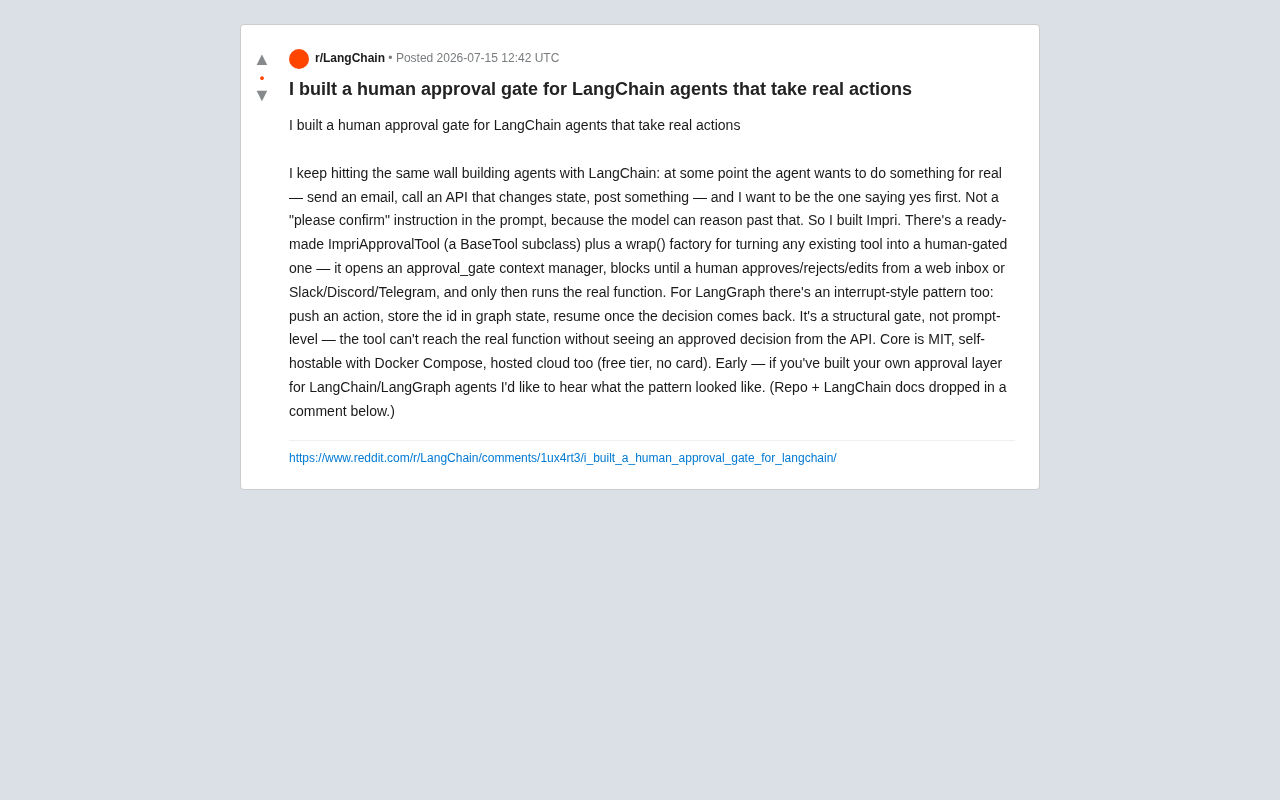
Impri: A Structural Human Approval Gateway for AI Agents
A deep dive into Impri — a structural human approval gateway for LangChain/LangGraph agents, exploring why prompt-level constraints fail and how code-layer gates enable reliable human-in-the-loop AI.
Read more →
·6 min
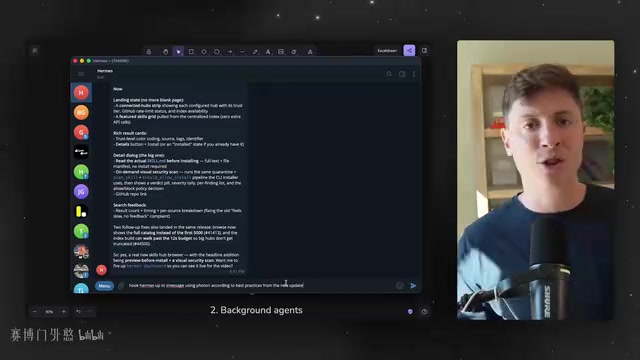
Hands-On With Hermes Agent's Eight Major Updates: A Complete Guide to AI Automation and Self-Evolution
The Hermes Agent gets a major upgrade with eight new features: native iMessage, parallel background sub-agents, Unreal Engine MCP support, a self-evolving Skill Hub, and more. A hands-on breakdown of the core changes and their real impact on personal AI automation workflows.
Read more →