#asynchronous coding
288 related articles

·2 min
OpenAI Codex Parallel Tasks in Practice: How to Run Multiple AI Coding Tasks Simultaneously
How OpenAI Codex Cloud runs multiple tasks in parallel using isolated containers, async workflows, and PR review. A practical guide to agentic coding efficiency.
Read more →

·2 min
OpenAI Codex Micro Review: A Deep Dive into the AI Coding Dedicated Hardware Controller
OpenAI and Work Louder launch the Codex Micro custom control panel with voice input, analog joystick, and programmable keys designed for AI-assisted coding workflows.
Read more →

·2 min
Give Claude Code a Warcraft Voice Pack: Turning AI Coding into a Gaming Experience
An open-source project adds 43 game voice packs to Claude Code, covering 500+ lines from StarCraft, Red Alert, and Portal, triggered on task completion, authorization prompts, and errors.
Read more →

·2 min
GPT-5.6 Launches With a Warning: Compute Capacity Is the Real Test for Large Language Models
Altman warned of possible GPT-5.6 service disruptions at launch, highlighting compute capacity as the true bottleneck for LLMs. Here's what it means for users.
Read more →

·3 min
GPT + Codex in Action: Building a Real-Time Typhoon Detection System in 20 Minutes
A developer used GPT and Codex to build a real-time typhoon detection system with 3D maps, timeline playback, and risk analysis — all in just 20 minutes.
Read more →

·2 min
Building a Slack-Native Coding Agent: Architecture Design and Engineering Methodology
A deep dive into embedding a coding agent in Slack: core architecture, permission design, async task handling, and RAG context management for AI-powered dev workflows.
Read more →

·2 min
Carmack and Sutton's First Paper: How Physical Atari Challenges Real-Time Reinforcement Learning
Keen Technologies releases its first paper, bringing classic Atari benchmarks into the physical world via robotic arms and cameras. A deep dive into the paper's core claims, sim-to-real challenges, and Carmack and Sutton's vision for embodied RL and AGI.
Read more →
·2 min
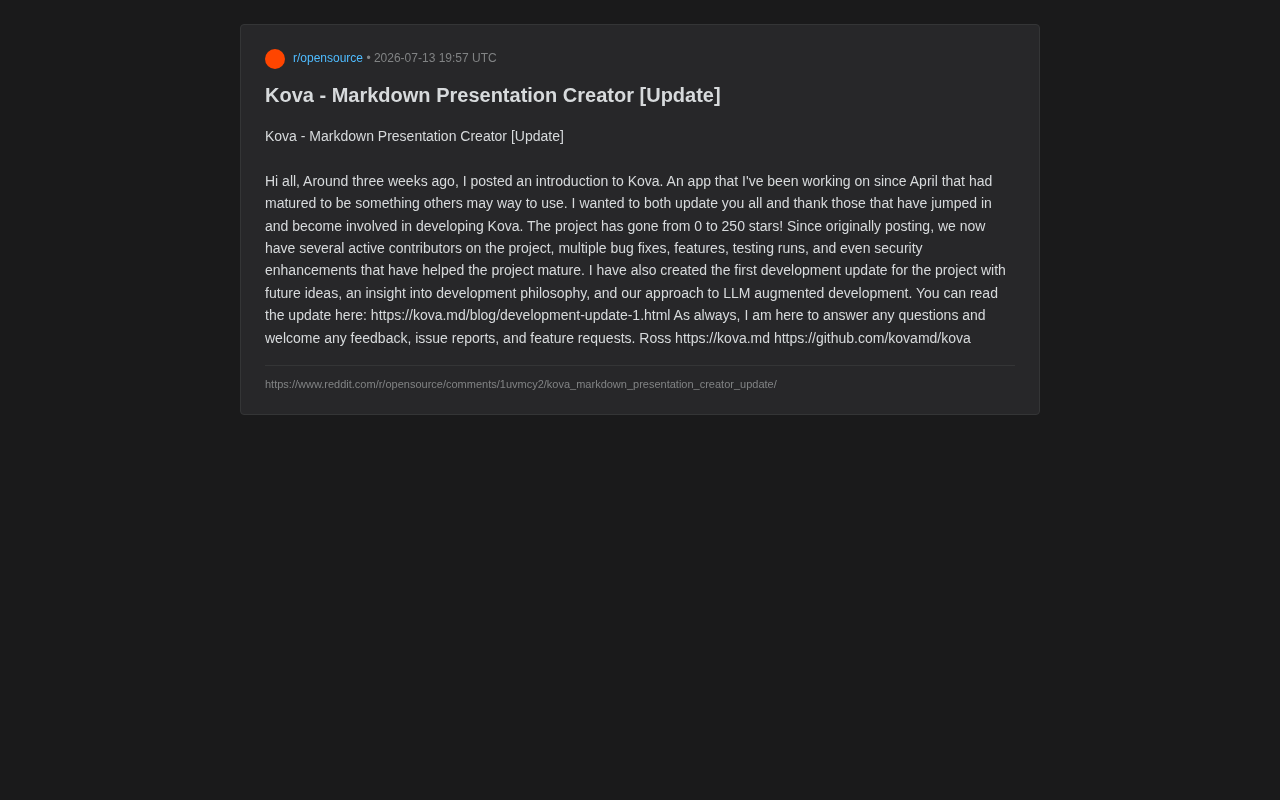
Kova: The Open-Source Tool for Building Presentations with Markdown
Kova is an open-source Markdown presentation tool for developers. With Git support and content-style separation, it hit 250 GitHub Stars in just three weeks.
Read more →

·4 min
Two Paths to Better AI Reasoning: Test-Time Scaling and Formal Verification
This article synthesizes two MSR India Summit talks, exploring two key paths to better AI reasoning: test-time scaling with variable granularity search, and a formal verification framework for trustworthy agent execution.
Read more →

·2 min
Codex Joins ChatGPT: How GPT-5.6 Is Redefining the AI Assistant Experience
OpenAI merges Codex into ChatGPT and launches GPT-5.6. Discover how proactive task planning, cross-device coordination, and autonomous agents are redefining AI assistants.
Read more →

·6 min
OpenAI Merges ChatGPT and Codex: The Super App for the AI Agent Era Is Here
OpenAI merges ChatGPT and Codex into a super app and releases three new GPT-5.6 models: Sol, Terra, and Luna. A deep dive into four hands-on workflows—Computer Use, Loops, and multi-threading—for the AI agent era.
Read more →

·4 min
Claude Code vs. Codex vs. Cursor: A Deep Comparison of Three AI Coding Tools
Claude Code, Codex, or Cursor? This in-depth comparison covers each tool's positioning, ideal users, and how to combine them for maximum productivity in your AI coding workflow.
Read more →

·3 min
Does Vim Still Matter in the AI Era? Three Strategies to Find Your Answer
As Cursor and GitHub Copilot redefine programming, where do Vim users go? This article analyzes the tension between AI tools and Vim, and three key strategies.
Read more →
·5 min
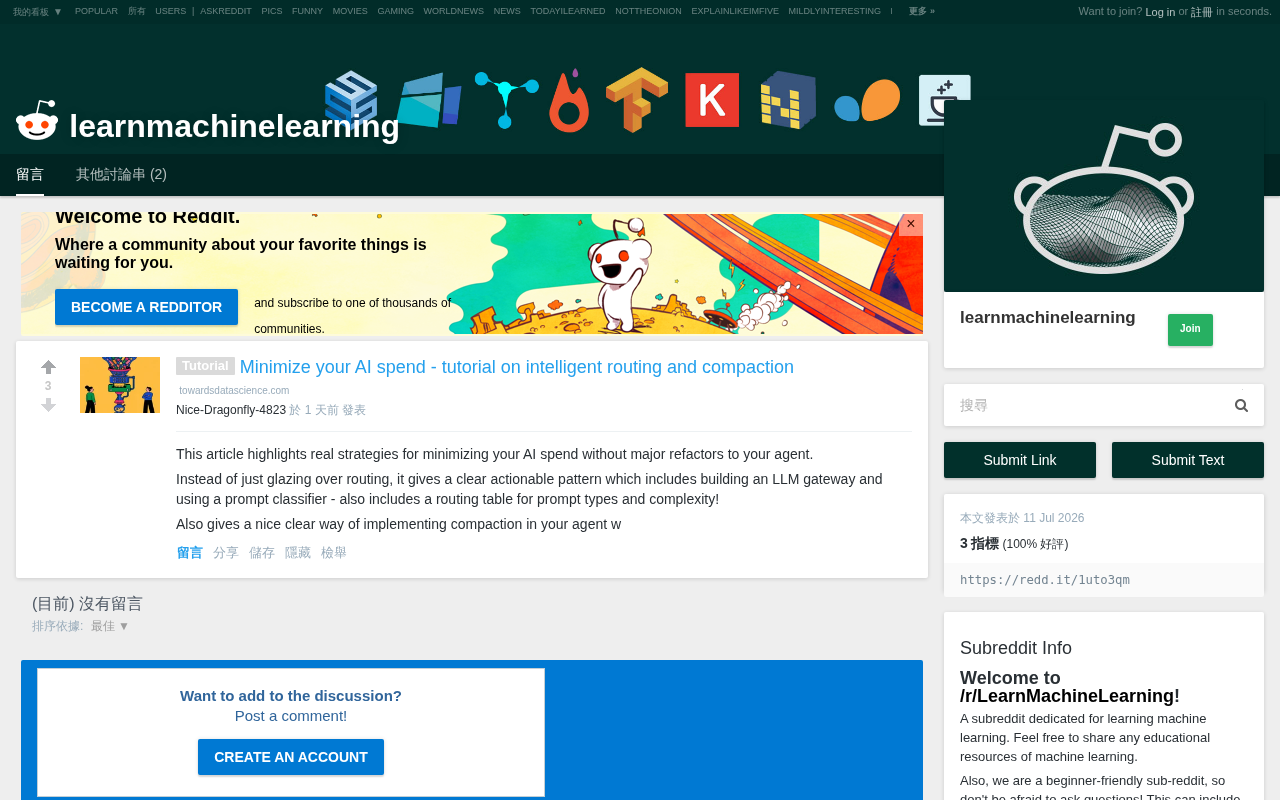
Practical AI Cost Optimization: A Deep Dive into Intelligent Routing and Context Compaction
AI bills keep soaring? This article breaks down two core cost-reduction strategies: intelligent routing via an LLM Gateway, and context compaction to cut Token usage—no major refactoring needed.
Read more →

·6 min
A Deep Dive into AI Agent Harnesses: The Core Engineering Behind Agent Frameworks
What is an AI Agent's harness? This article systematically dissects the core components of agent frameworks: context management, tool use, control loops, and caching strategies—revealing why the same model performs so differently across harnesses.
Read more →
·4 min
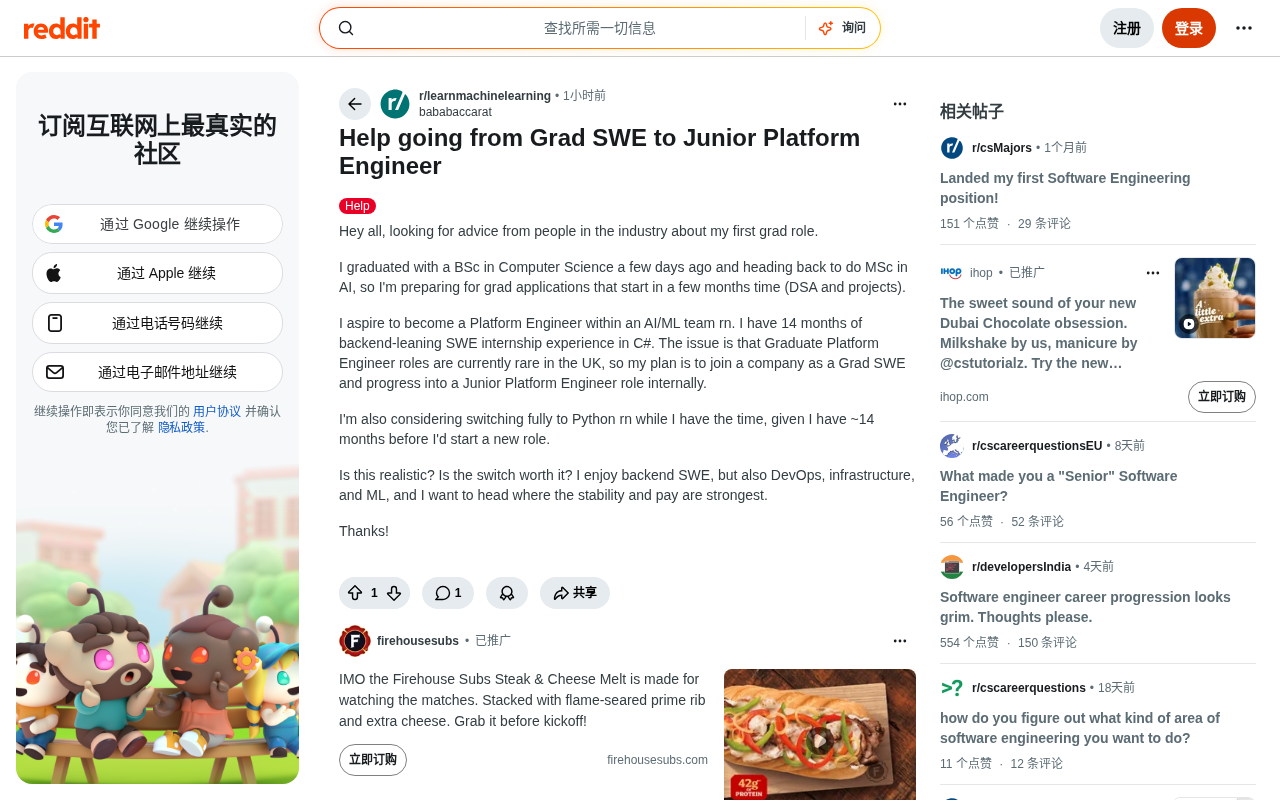
From New Grad SWE to Platform Engineer: Career Paths and Tech Stack Choices in the AI Era
How can new graduates transition from software engineer to platform engineer? This article breaks down the path of joining as a Grad SWE first, then transferring internally, analyzes C# vs Python trade-offs, and offers a 14-month prep plan for AI/ML infrastructure.
Read more →

·5 min
OpenAI GPT-Live Full-Duplex Voice Model: Reshaping the Human-Computer Interaction Gateway
OpenAI unveils GPT-Live, a full-duplex voice model with real-time interruption, tiered compute routing, and dynamic UI rendering—surpassing Siri and targeting the OS-level voice gateway.
Read more →

·4 min
100,000 Lines of Code in 7 Days: A Solo Developer's Hands-On Guide to AI-Assisted iOS Development
A solo developer iterated an iOS app to 100,000 lines of code in 7 days and shipped it. This article breaks down the core methodology: delegate the frontend to AI, control the backend by hand.
Read more →

·5 min
Getting Started with LangChain: LLM Invocation, Agent Practice, and Environment Setup Guide
Starting from the three limitations of LLMs, this guide systematically explains LangChain's core positioning, environment setup, API key prep, model init, and the message system. Learn init_chat_model and AIMessage/HumanMessage/SystemMessage.
Read more →

·4 min
How Background AI Agents Can Automatically Maintain All Your Repositories on a Schedule
OpenInspect's Multi-Repo Automations lets AI coding agents maintain up to 10 repositories on a schedule simultaneously — isolated sessions, independent PRs, and fault-tolerant execution for security sweeps, dependency upgrades, and framework migrations.
Read more →