#declarative programming AI
234 related articles

·6 min
MCP Brings Power Apps Data Seamlessly into M365 Copilot: A Complete Implementation Guide
A Power Platform MVP demonstrates how to use MCP to securely expose Power Apps business data to M365 Copilot. Covers declarative agent creation, custom tool development, and VS Code setup.
Read more →

·3 min
Spending $200K to Test GPT-5.6: Have AI Coding Assistants Reached a Tipping Point?
Developer Theo spent ~$200K over 6 weeks testing GPT-5.6 across 67 projects — from 20-hour autonomous coding runs to fixing boot partitions and Rust rewrites.
Read more →

·5 min
Prismata Analysis: How to Defend Web Agents Against Cross-Site Prompt Injection Attacks
Cross-site prompt injection is becoming the trickiest security threat for Web agents. This article analyzes the Prismata project's 'confining defense' approach—controlling injection's blast radius via context isolation, permission boundaries, and trust grading.
Read more →

·7 min
Base44 in Practice: How Claude Code Powered Rapid Scaling from 1 to 80 People
How Base44's product team scaled from a single founding engineer to an 80-person team with Claude Code. Covers AI-assisted onboarding, code review, user evaluation, and QA automation.
Read more →
·6 min
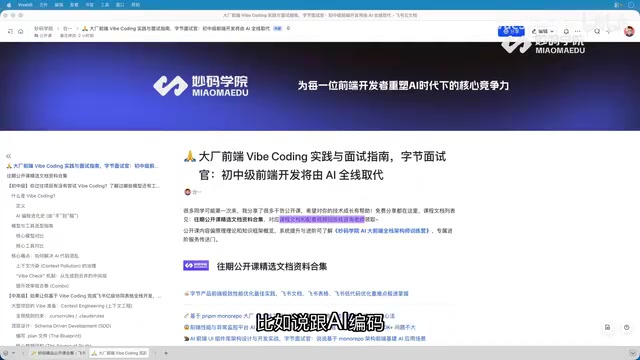
Vibe Coding in Practice at Big Tech: How Frontend Engineers Can Avoid Being Replaced in the AI Era
A big-tech interviewer reveals: junior/mid frontend dev is being replaced by AI. This article breaks down 3 core Vibe Coding interview questions to help you master key skills for the AI-assisted coding era.
Read more →
·3 min
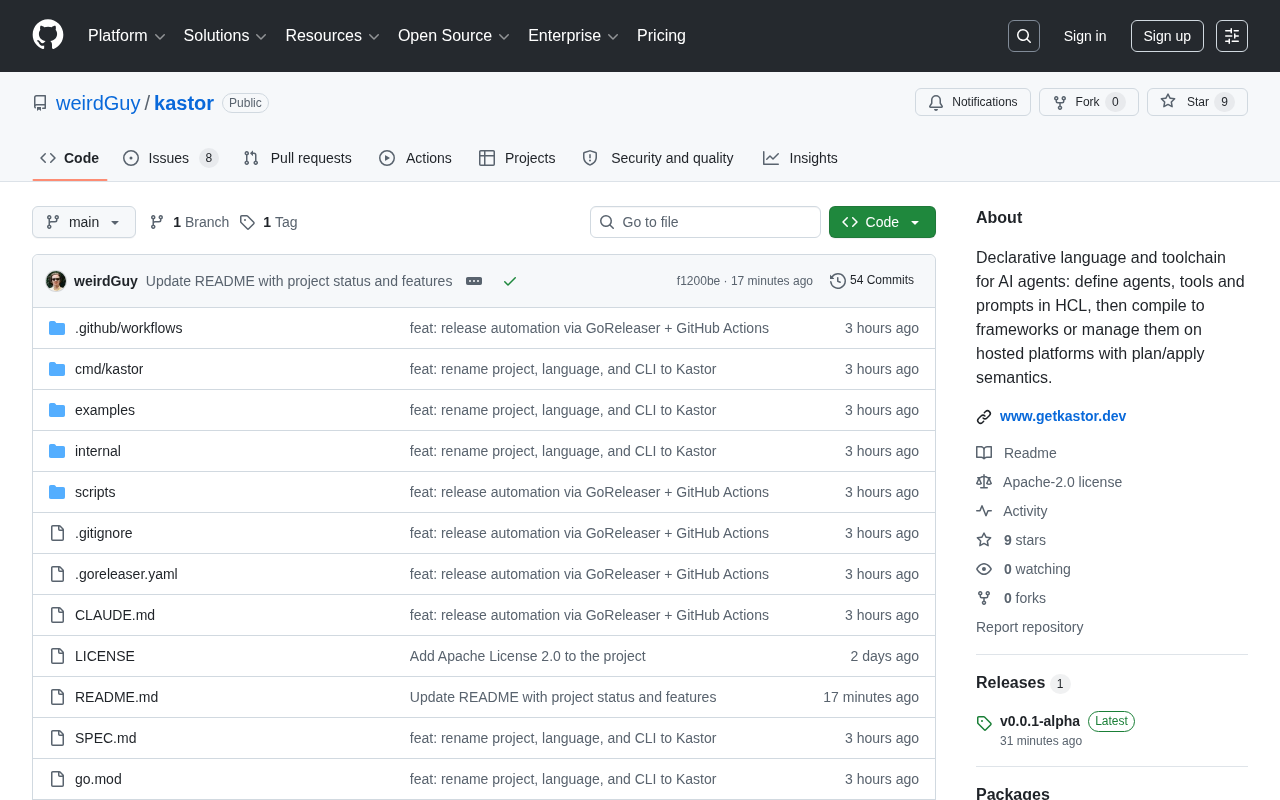
Kastor: A New Approach to Managing AI Agents with Declarative Specs
Kastor is an open-source project that brings IaC-style declarative specs to AI Agent management, inspired by Terraform — solving reproducibility, collaboration, and auditability challenges.
Read more →
·6 min
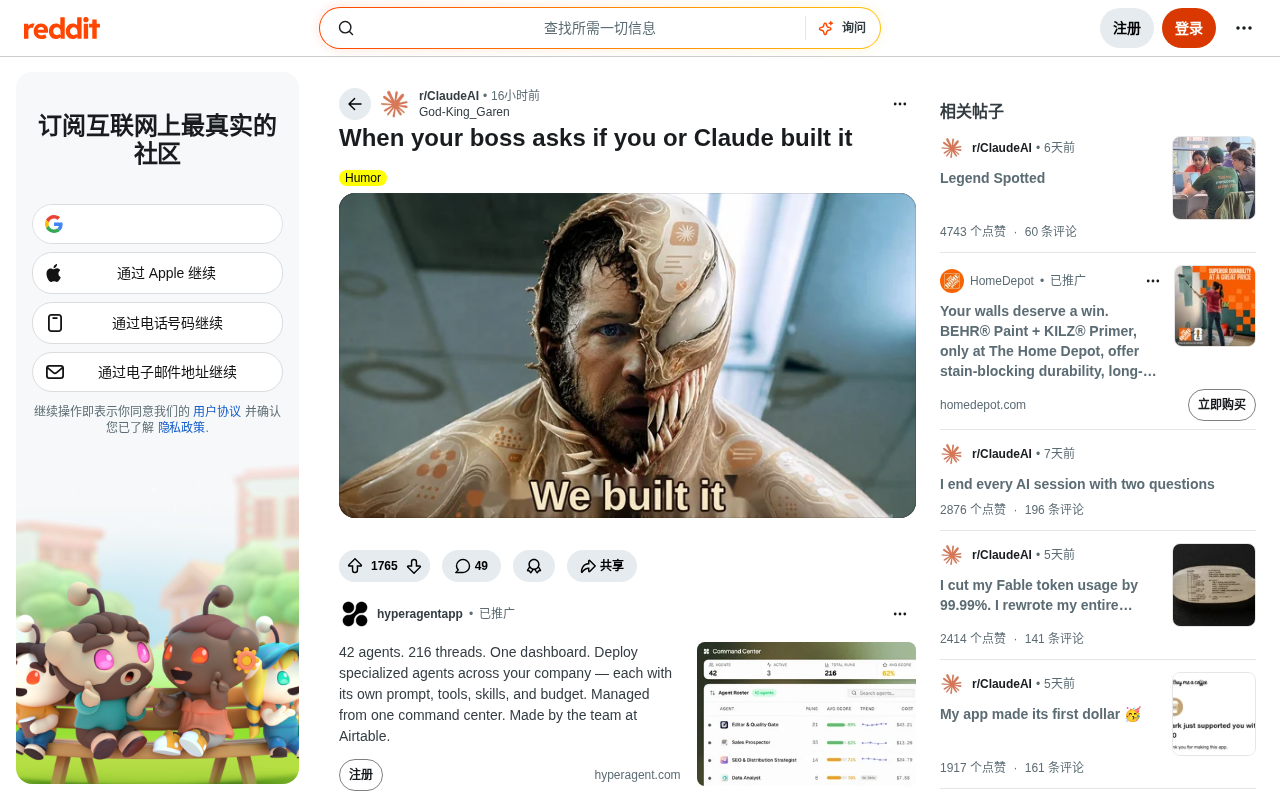
The AI Coding Era: Does Code Written by Claude Count as Yours?
The Reddit meme "did you or Claude build it" struck a chord with developers. This article explores how AI coding assistants reshape workflows, where the boundary of human-AI contribution lies, and how programmers can find irreplaceable value in the AI era.
Read more →

·6 min
A Three-Month AI Agent Learning Roadmap: From Zero to Hands-On Agent Development
A systematic breakdown of the complete AI Agent learning roadmap, covering prompt engineering, the ReAct paradigm, memory mechanisms, and multi-agent collaboration, with hands-on project advice.
Read more →

·7 min
The Four-Stage Learning Path for AI Agent Development: From Beginner to Real-World Deployment
A systematic four-stage roadmap for AI Agent development: fundamentals, core principles, enhancement, and real-world deployment. Build complete Agent skills.
Read more →
·5 min
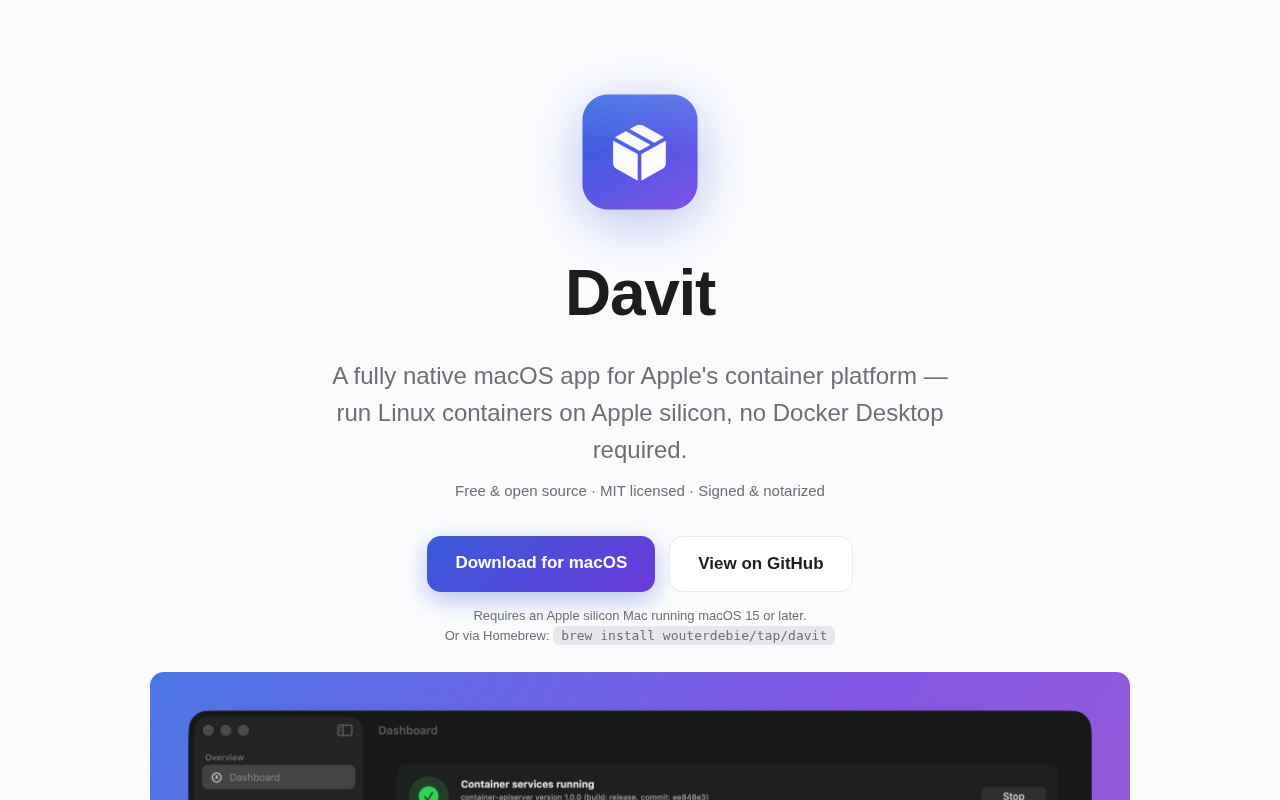
Davit: A Native GUI Management Tool Built Specifically for Apple Containers
Davit is an open-source native macOS UI tool built for Apple Containers, offering graphical container status management, image viewing, and log monitoring.
Read more →

·2 min
AI App Development in Practice: Why Prompts Are the Core of Your Product
A veteran AI app developer's real-world experience reveals: what determines success for knowledge bases and Agents isn't model choice — it's prompt design.
Read more →

·7 min
Getting Started with LangChain: The Core Framework Connecting LLMs and AI Applications
A deep dive into LangChain's positioning and value—why do LLMs need a middle layer? How does LangChain serve as the 'glue' unifying multi-model interfaces and supporting Agent development? Learn its core modules and learning path.
Read more →

·7 min
Spec-Driven Development: Andrew Ng Teaches You to Master AI Coding Agents Efficiently
Andrew Ng partners with JetBrains on a new course systematically teaching Spec-Driven Development. By writing high-quality specs, developers can precisely control AI coding agents, eliminate context decay, and boost intent fidelity.
Read more →

·7 min
A Java Developer's Guide to AI: Framework Selection and Practical Tutorial for LangChain4J
As LLM costs keep falling, how can Java developers seize the AI opportunity? This article explores LangChain4J's core capabilities, supported models and vector databases, and compares LangChain4J vs. Spring AI to help you build local knowledge bases and intelligent customer service systems.
Read more →

·6 min
LangChain 1.3 in Practice: A Complete Guide to DeepAgent Architecture and the Harness Philosophy
An in-depth look at LangChain 1.3's core modules and DeepAgent architecture—covering the Harness philosophy, LangGraph internals, HITL, memory management, and guardrails to master production-grade AI Agent development.
Read more →

·7 min
Free Mermaid Diagram Editor: An Essential Code-Based Diagramming Tool for Developers
Explore the core features and use cases of the free Mermaid Diagram Editor. Supporting flowcharts, sequence diagrams, Gantt charts and more, it follows the 'diagrams as code' philosophy to enable version-controlled technical documentation for developers and architects.
Read more →

·6 min
AI Agent Practical Guide: From Chatting to Directing — Building Fully Automated Workflows
AI use has three levels: Chat, Automation, and Agent. Learn how to use tools like Manus AI with a "director mindset" to build fully automated workflows — no technical background required.
Read more →
·7 min
LangChain.js + Nuxt.js: An AI Full-Stack Advancement Path for Frontend Engineers
Frontend hiring now treats AI capabilities as a core assessment, covering RAG knowledge bases, AI Agent development, and LangChain.js engineering. Learn how LangChain.js + Nuxt.js helps frontend developers build memory- and retrieval-capable AI full-stack apps.
Read more →

·7 min
Electron + LangGraph in Practice: Building an AI Agent Visual Orchestration App from Scratch
A hands-on guide to building an enterprise-grade AI Agent workflow orchestration app with Electron Forge and LangGraph, covering local LLM deployment (Qwen3-0.6B), node-based visual canvas design, and full Function Calling integration.
Read more →

·7 min
Building AI Agent Frameworks with TypeScript: The Core Development Paradigm for Full-Stack Developers
An in-depth look at why TypeScript is the top choice for AI Agent development: covering Zod structured output validation, LangGraph's graph state machine design, and a full learning path for front-end devs transitioning to full-stack AI.
Read more →