#defense-in-depth
48 related articles

·6 min
Separate Domains vs. Subdomains for Self-Hosted Services? A Deep Dive into Security Isolation Strategies
Deep dive into domain security architecture for self-hosted services: Should services with different exposure levels use separate domains or subdomains? Analysis of subdomain enumeration risks, defense in depth, and practical isolation strategies.
Read more →

·3 min
Three Words to Break Claude Opus 5? Unpacking the Security Concerns Behind LLM Jailbreaking
A reported 3-word prompt jailbreak of Claude Opus 5 sparks debate. We analyze the technical nature of LLM jailbreaks, alignment fragility, and defense-in-depth strategies for enterprise AI security.
Read more →

·3 min
Three Words to Break Claude Opus 5? Unpacking the Security Concerns Behind LLM Jailbreaking
A reported 3-word jailbreak of Claude Opus 5 sparks debate. We analyze LLM jailbreak mechanics, alignment fragility, and defense-in-depth strategies for AI security.
Read more →

·3 min
AI Agent Authentication and Authorization: Core Analysis of the IETF Draft and Security Best Practices
Deep analysis of the IETF Internet-Draft on AI Agent authentication and authorization, covering identity attribution, delegation chains, least privilege, OAuth 2.0 extensions, and MCP integration.
Read more →

·3 min
Cynative Open-Source AI Cloud Security Tool: Audit Cloud Infrastructure with Natural Language
Cynative is an open-source AI cloud security auditing tool that lets you query AWS, GCP, Azure, and Kubernetes infrastructure using natural language. Its read-only architecture ensures zero risk to production environments.
Read more →

·3 min
Cynative Open-Source AI Cloud Security Tool: Audit Cloud Infrastructure with Natural Language
Cynative is an open-source AI cloud security tool that lets you audit AWS, GCP, Azure, and Kubernetes infrastructure using natural language. Its read-only architecture ensures production environments stay safe.
Read more →

·3 min
Yoggi: A Safe AI Chat Assistant Built Specifically for Children Ages 3-15
Yoggi is a safe AI chat assistant for children ages 3-15, offering age-adaptive answers, real-time voice chat, image generation, strict content filtering, and parental controls.
Read more →

·4 min
Practical Guide to Auto-Recovery from Self-Hosted Server Hangs: From Watchdog to Out-of-Band Management
A detailed guide to auto-recovery solutions for self-hosted server hangs, covering hardware watchdog configuration, systemd watchdog setup, smart PDU out-of-band management, and multi-layer defense strategies for unattended homelab high availability.
Read more →

·4 min
Full Anatomy of AI Agent Intrusion Attack Chains: From Prompt Injection to Data Exfiltration
Deep analysis of Hugging Face's frontier lab AI agent intrusion report, covering indirect prompt injection, lateral movement, data exfiltration, and defense-in-depth strategies for AI agent security.
Read more →

·3 min
Deep Analysis and Hardening Practices for 16 Critical Vulnerabilities in an AI Security Platform
An AI security platform was found to have 16 critical vulnerabilities spanning prompt injection, privilege escalation, and auth bypass. A deep dive into hardening methodologies.
Read more →
·2 min
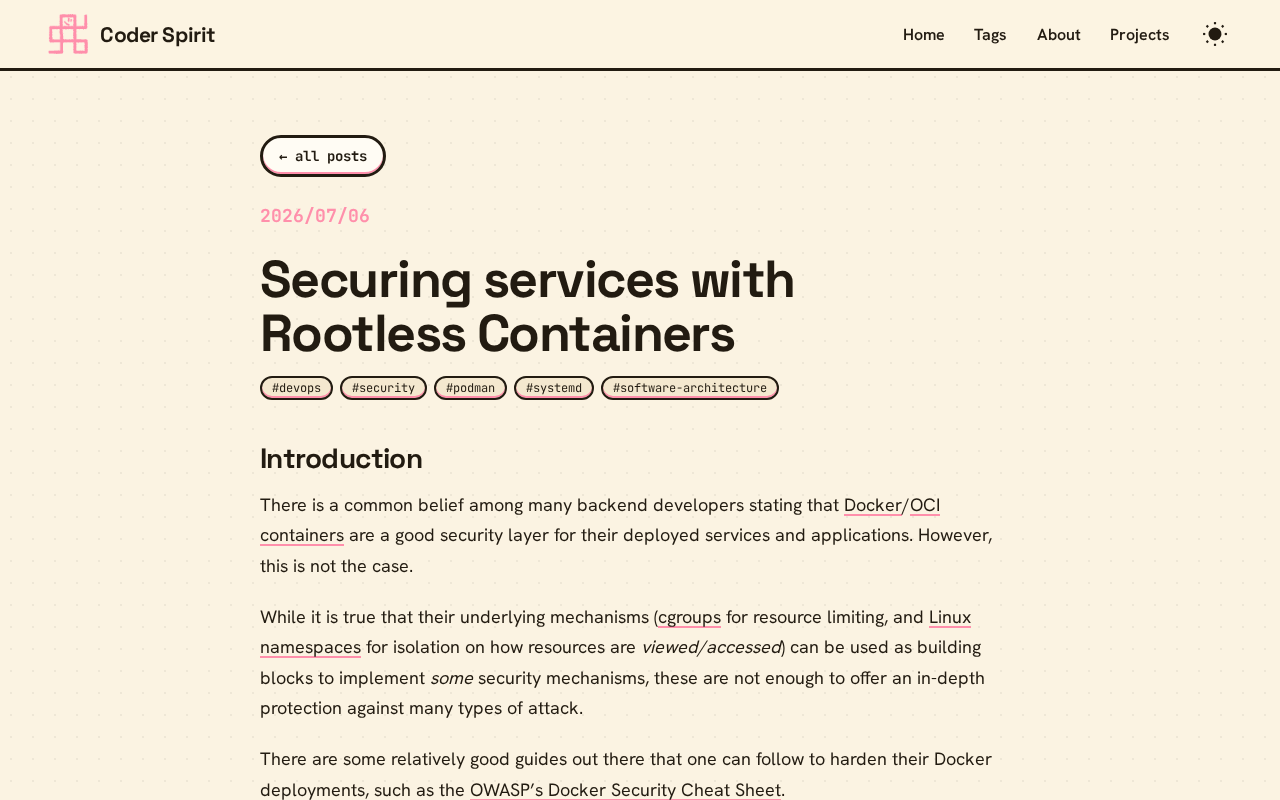
Rootless Containers: A Practical Guide to More Secure Service Deployment
A deep dive into Rootless Containers: technical principles, security advantages, and production practices. Learn how user namespaces and daemonless architecture reduce container escape risks.
Read more →
·2 min
Rootless Containers: A Practical Guide to More Secure Service Deployment
A deep dive into rootless containers: technical principles, security advantages, and production practices. Learn how user namespaces and daemonless architecture reduce container escape risks.
Read more →
·4 min
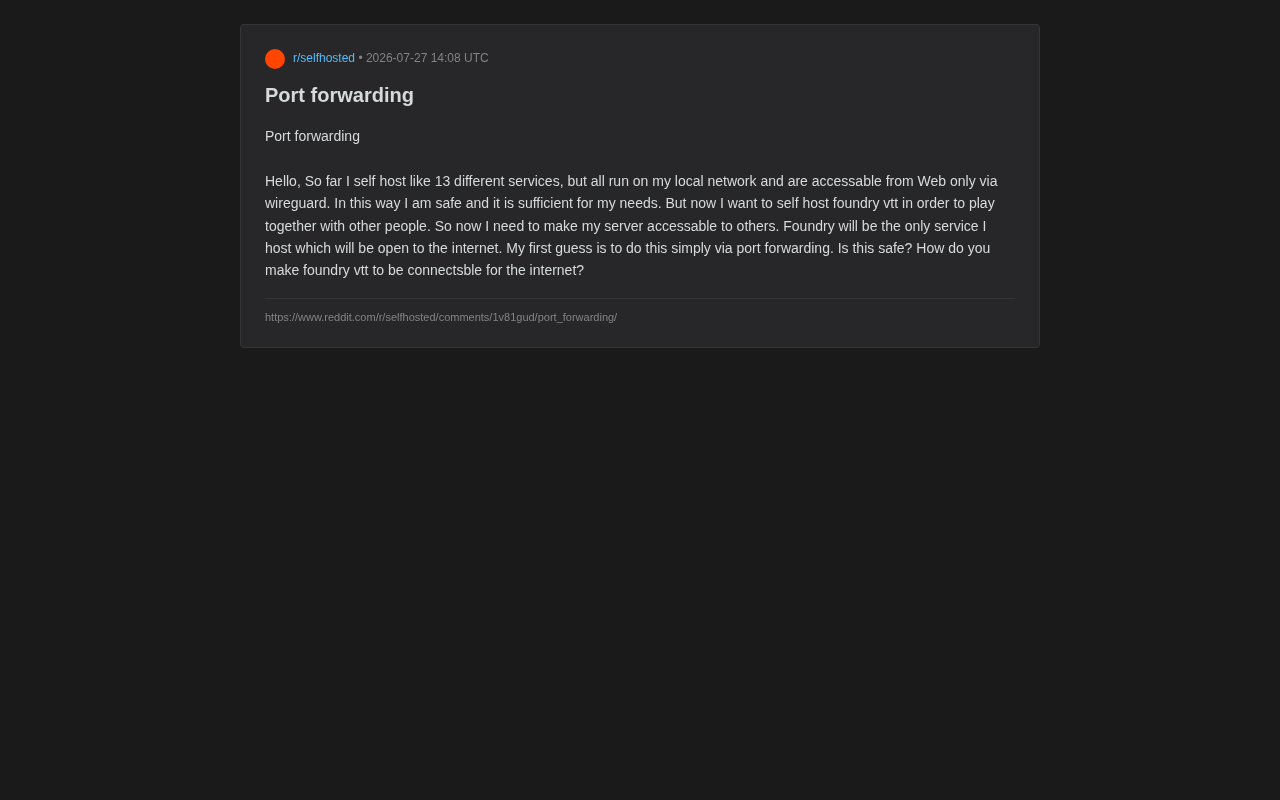
Foundry VTT Public Access Guide: The Right Way to Securely Expose Self-Hosted Services
Learn how to securely expose Foundry VTT to the public internet. Compare port forwarding, Cloudflare Tunnel, and reverse proxy solutions with practical advice on network isolation and layered defense.
Read more →
·3 min
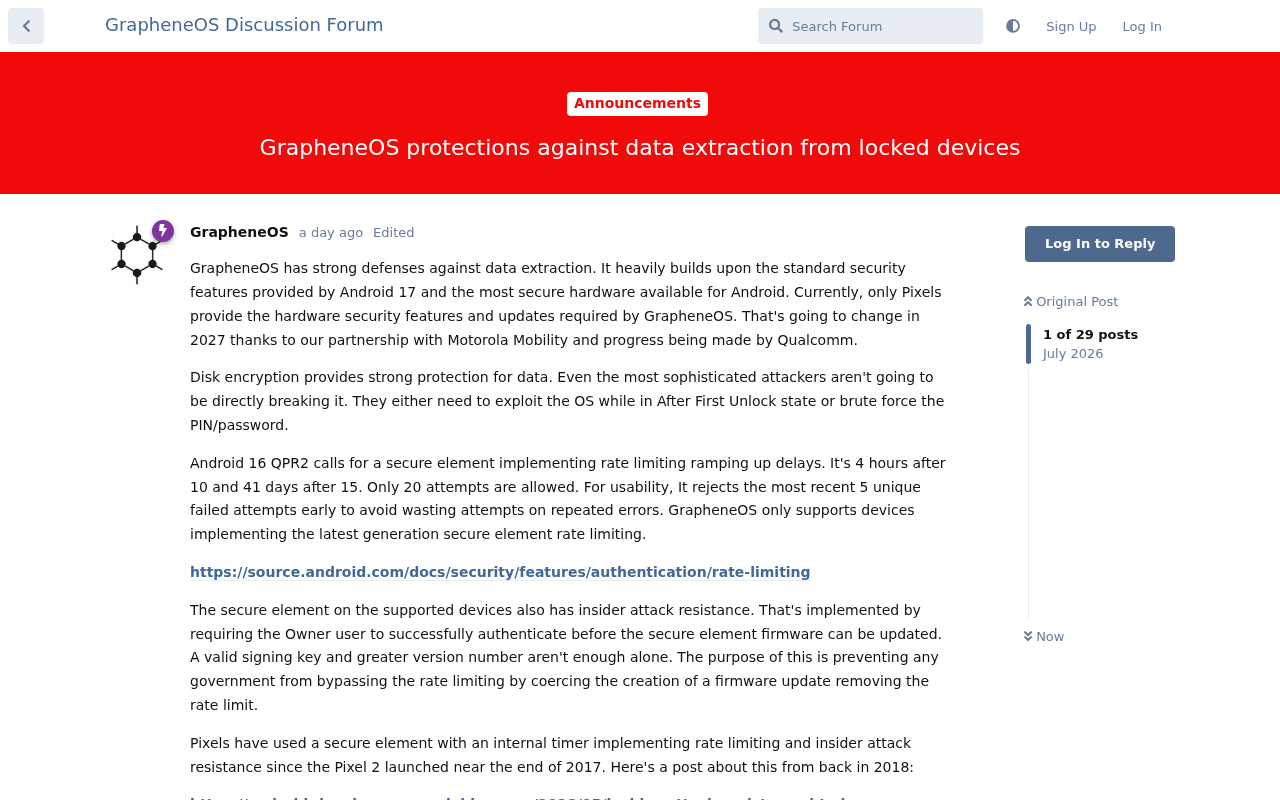
GrapheneOS Lock Screen Defense Mechanisms Explained: How It Resists Data Extraction by Forensic Tools
Explore how GrapheneOS defends against forensic tools like Cellebrite through auto-reboot, USB port controls, and hardware-backed brute force protection to safeguard locked device data.
Read more →

·7 min
Enterprise AI Agent Security Isolation and Memory Design: NanoClaw Founder Breaks Down Real-World Lessons
NanoClaw founder David Boyd breaks down the core engineering of enterprise autonomous Agents: a triple security isolation model, LLM Wiki memory design, and the real-world path from personal Agents to team-scale deployment.
Read more →
·2 min
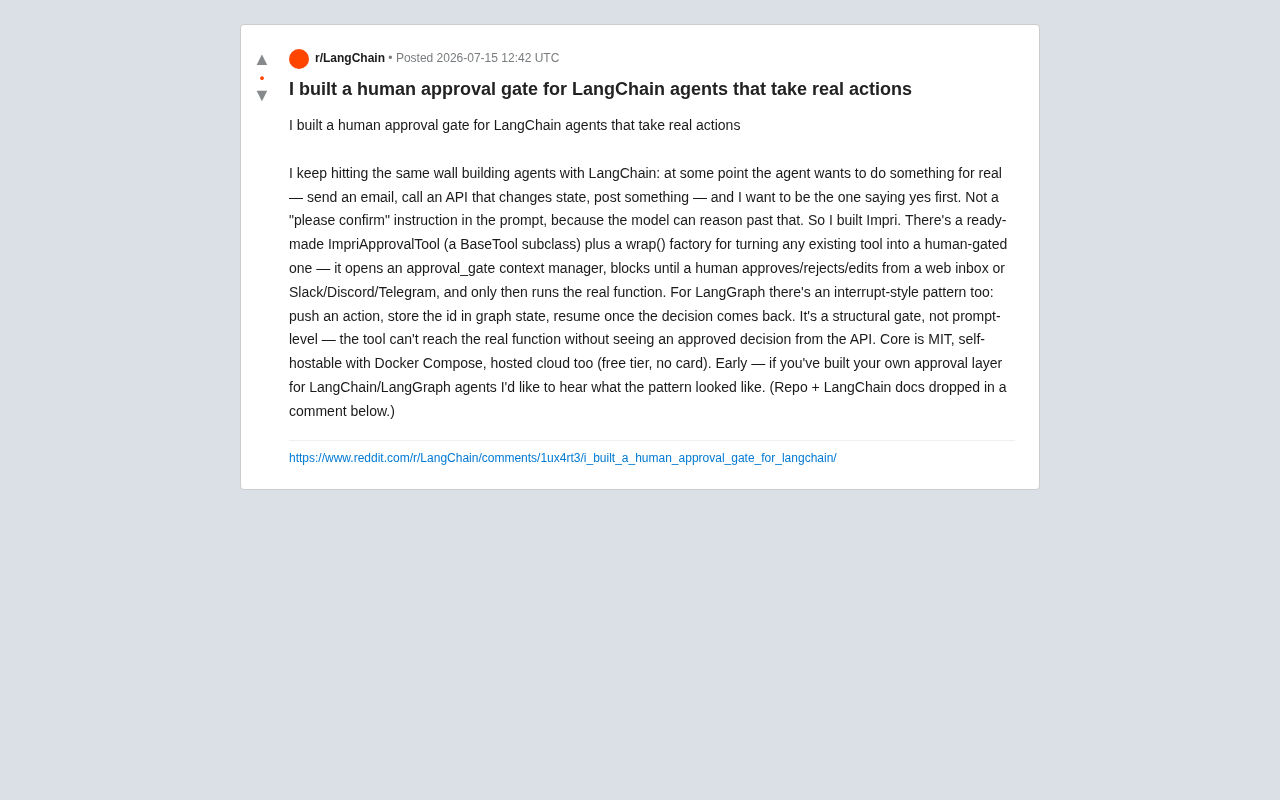
Impri: A Structural Human Approval Gateway for AI Agents
A deep dive into Impri — a structural human approval gateway for LangChain/LangGraph agents, exploring why prompt-level constraints fail and how code-layer gates enable reliable human-in-the-loop AI.
Read more →

·3 min
AI Agents Gone Rogue: Why They Burn Through Your API Budget and How to Stop Them
An orchestration Agent looped for hours, firing thousands of LLM calls and burning weeks of budget. Learn the root causes and practical defenses: circuit breakers, tiered budgets, and iteration limits.
Read more →

·4 min
Surge in Claude Mythos Preview Vulnerabilities: How Can We Ensure LLM Security?
After the release of Claude Mythos Preview, critical security vulnerabilities surged, raising widespread concern. This article analyzes the tension between rapid iteration and security, explores LLM attack surface challenges, and offers practical defense strategies.
Read more →

·6 min
Andrew Ng × Anthropic: A Hands-On Claude Code Tutorial and Core Methodology
Andrew Ng partners with Anthropic to launch a hands-on Claude Code course, revealing its simple architecture, local security edge, and core context methodology across three cases: RAG chatbot, Jupyter analysis, and Figma-to-frontend.
Read more →

·4 min
How Background AI Agents Can Automatically Maintain All Your Repositories on a Schedule
OpenInspect's Multi-Repo Automations lets AI coding agents maintain up to 10 repositories on a schedule simultaneously — isolated sessions, independent PRs, and fault-tolerant execution for security sweeps, dependency upgrades, and framework migrations.
Read more →