#end-to-end encryption
83 related articles

·3 min
Buzz Open-Source Group Chat Platform: A New Choice for Human-AI Agent Collaboration
Buzz is an open-source decentralized group chat platform for human-AI agent collaboration—model-agnostic, self-sovereign, and designed to replace the fragmented Slack/GitHub experience.
Read more →

·3 min
Echologue: A Privacy-First AI Voice Journal and a Model for Indie Developers
Echologue is a privacy-first AI voice journal that processes data locally with end-to-end encryption. This analysis examines its product design, technical architecture, and indie developer philosophy.
Read more →

·3 min
Home Server Setup Guide: Self-Hosted Services Worth Deploying
From Jellyfin and Immich to Nextcloud, explore self-hosted services worth deploying on a home server, covering media, file sync, encrypted chat, and download automation.
Read more →

·3 min
Self-Hosted Team Collaboration Tools Compared: Zulip, Campfire, and Matrix in Real-World Testing
Real-world comparison of Teams alternatives for 8-15 person teams: Zulip's topic-based chat, Campfire's minimalist one-time purchase, and Matrix's decentralized deployment evaluated for features, cost, and ops.
Read more →

·2 min
Segue: A Deep Dive into the Cross-Platform AI Conversation Context Migration Tool
Segue is an AI context migration tool that uses short handles to seamlessly transfer conversation context across ChatGPT, Claude, and other AI platforms, solving the context-reset problem when switching tools.
Read more →

·2 min
Segue: A Deep Dive into the Cross-Platform AI Conversation Context Migration Tool
Segue is an AI context migration tool that uses short handles to seamlessly transfer conversation context across ChatGPT, Claude, and other AI platforms, solving the cross-platform context reset problem.
Read more →

·2 min
Older Google Home Gets Gemini Live Upgrade: Conditions and Experience Fully Explained
Google is rolling out Gemini Live conversational AI to older Google Home speakers, but subscription or plan requirements may apply. Here's what you need to know.
Read more →

·2 min
Older Google Home Gets Gemini Live Upgrade: Complete Breakdown of Requirements and Experience
Google is rolling out Gemini Live conversational AI to older Google Home speakers, but subscription or plan restrictions may apply. Full breakdown of the upgrade details and impact.
Read more →
·3 min
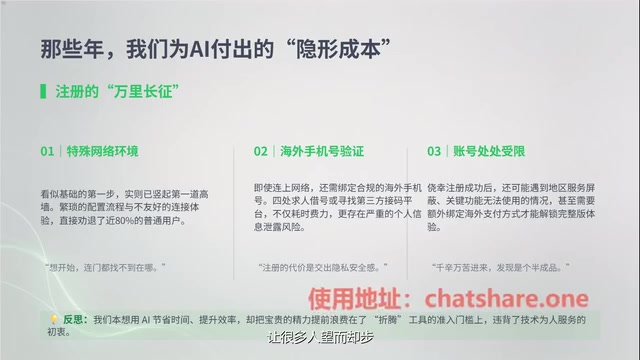
Comparing Ways for Users in China to Access ChatGPT: Are Mirror Platforms Reliable?
An in-depth analysis of the barriers Chinese users face accessing ChatGPT, an honest assessment of third-party mirror platforms' risks, and safer alternatives including official APIs and domestic LLMs.
Read more →

·3 min
Decoding Apple's AI Strategy: A Masterstroke of Patience or a Strategic Misstep?
A deep analysis of Apple's restrained AI strategy: historical fast-follower patterns, bubble-bursting logic, hardware moat advantages, and the risks of waiting too long.
Read more →
·3 min
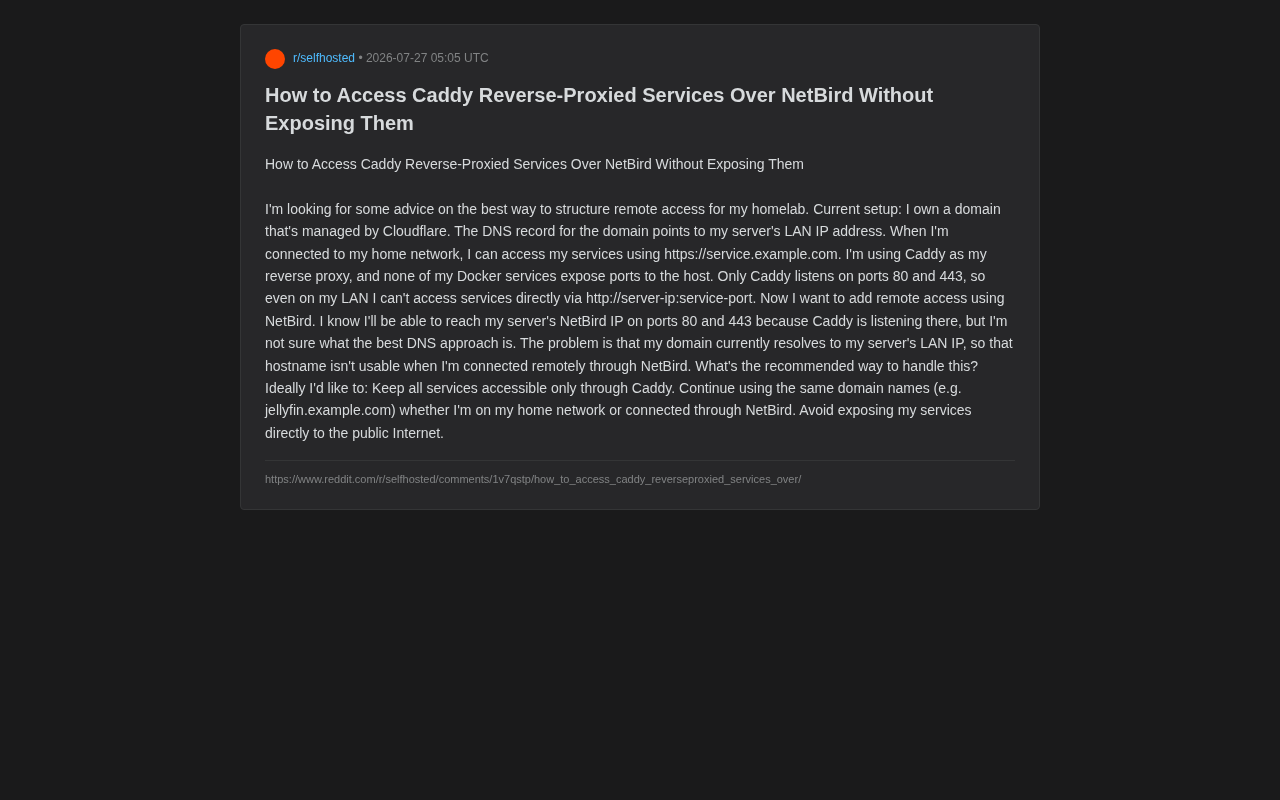
NetBird + Caddy: Remote Access Without Exposing Public Ports
Learn how to use NetBird WireGuard mesh networking with Caddy reverse proxy for homelab remote access without exposing public ports. Covers Split DNS, TLS certificates, and ACL controls.
Read more →

·3 min
Why IPFS and Filecoin Failed to Gain Traction in the Self-Hosting Community
IPFS and Filecoin promise decentralized storage and censorship resistance, yet the self-hosting community ignores them. This article analyzes why simpler tools like Syncthing and BitTorrent win.
Read more →

·3 min
Multi-Model AI Aggregator Platforms Explained: Access GPT, Claude, Gemini & More from One Chat Interface
AI aggregator platforms promise one interface for GPT, Claude, Gemini, DeepSeek & more. This deep-dive covers core features, real value, data security risks, and safer alternatives.
Read more →
croc: Open-Source CLI File Transfer To…
·2 min
croc: Open-Source CLI File Transfer Tool — Secure, Cross-Platform, Zero Config
croc is an open-source Go-based CLI file transfer tool with PAKE end-to-end encryption. Cross-platform, resumable, zero config — send files securely with one command.
Read more →

·2 min
The Truth Behind Anthropic's Account Bans: Client Detection Logic and a Wave of AI Model Launches
Unpacking the technical truth behind Anthropic's account bans: hidden timezone and proxy detection logic sparks privacy debate. Plus Claude Sonnet 5, Linux support, and new releases from OpenAI, NVIDIA, and Google DeepMind.
Read more →
WebRTC P2P Local File Transfer Explain…
·2 min
WebRTC P2P Local File Transfer Explained: How It Works, Benefits, and Limitations
A deep dive into WebRTC-based P2P local file transfer: no cloud relay, end-to-end encrypted direct connections via DataChannel. Covers NAT traversal, privacy benefits, large-file challenges, and comparisons with Snapdrop.
Read more →

·4 min
AI Agents Automating JS Reverse Engineering: A Deep Dive into the New Paradigm for Web Scraping
AI agents are revolutionizing JS reverse engineering. This deep dive covers built-in tool chains, automation modes, prompt engineering for e-commerce, and full pipeline automation from parameter extraction to database storage.
Read more →

·3 min
Introducing LLM Gateways in Production: Five Key Concerns and the Prerequisites for Trust
Introducing an LLM Gateway in LangChain production brings unified APIs and auto-fallback, but also quality drift, cost spikes, and debug black boxes. This article breaks down the five key engineering concerns and what it takes to earn trust.
Read more →
Samsung Health AI Training Controversy…
·3 min
Samsung Health AI Training Controversy: Refuse Data Consent, Lose Your Health Records
Samsung Health forces users to consent to AI training data use or face deletion of all health records. A deep dive into this coercive consent practice, its legal risks under GDPR, and what users can do.
Read more →
Adaptive Recall: A Deep Dive into Pers…
·2 min
Adaptive Recall: A Deep Dive into Persistent Memory for AI Assistants via MCP
Adaptive Recall uses MCP (Model Context Protocol) to give AI assistants like Claude persistent memory across sessions, featuring vector storage, semantic retrieval, and adaptive forgetting.
Read more →