#loop stacking
133 related articles

·2 min
GPT-5.6 Deep Dive: A Qualitative Leap in Coding and Frontend Capabilities
A 1-billion-token deep dive into GPT-5.6 Solar Max reveals qualitative leaps in coding stability, Skills compliance, and frontend design. Includes version selection guide.
Read more →

·3 min
The Complete Guide to Looping Engineering: Building Efficient Agent Loops from Scratch
A deep dive into Looping Engineering — covering the five core loop elements (Trigger, Goal, Judgment, Feedback, Memory), when to use loops, and a step-by-step guide to building a topic-selection loop with Claude Code.
Read more →
Bonsai 27B: The First 1-bit LLM That R…
·3 min
Bonsai 27B: The First 1-bit LLM That Runs on Your Phone — A New Milestone for On-Device AI
Bonsai 27B is the first 27B-parameter LLM that runs on smartphones via 1-bit quantization, compressing to 3–4GB. We break down the tech, privacy benefits, and community debate.
Read more →
Training an RL Agent That Can Do RL: A…
·2 min
Training an RL Agent That Can Do RL: A Deep Dive into Meta-Reinforcement Learning Self-Improvement
An independent developer ran a meta-RL experiment at near-zero cost — training an agent to autonomously perform RL training. Explore the technical depth, cost model, and industry implications.
Read more →

·4 min
From 50% to 92%: A Practical Methodology for Teaching AI Agents to Master Spreadsheets
An engineering team spent four months raising an AI coding agent's spreadsheet accuracy from 50% to 92%. Deep dive into REPL architecture, validation loops, and domain knowledge injection.
Read more →

·2 min
GPT-5.6 in Practice: How AI Becomes a Deep Co-Creator in Game Design
An indie dev's deep dive with GPT-5.6 (Sol) reveals AI that goes beyond coding — spotting gameplay loop flaws, predicting unit balance, and challenging rival model solutions.
Read more →

·2 min
Why Claude Code Ditched RAG in Favor of Grep for Code Search
Why Claude Code uses Grep instead of RAG for code search — exploring the 4 core pain points of RAG in coding contexts and how Agentic Search actually works.
Read more →
AI Agent in 100 Lines of Lisp: Minimal…
·2 min
AI Agent in 100 Lines of Lisp: Minimal Code Reveals the True Nature of Intelligent Agents
A fully functional AI Agent in just 100 lines of Lisp reveals the essence of the ReAct loop. Deep dive into Agent architecture, Lisp's unique strengths, and minimalist engineering philosophy.
Read more →

·7 min
Building a Published App with Zero Code in Four Days: A Complete HarmonyOS Development Journey
A tech blogger with zero programming knowledge built a retro DV app in four days using AI tools like Cursor and Codex, and got it published on Huawei App Gallery. A full vibe coding walkthrough.
Read more →
·3 min
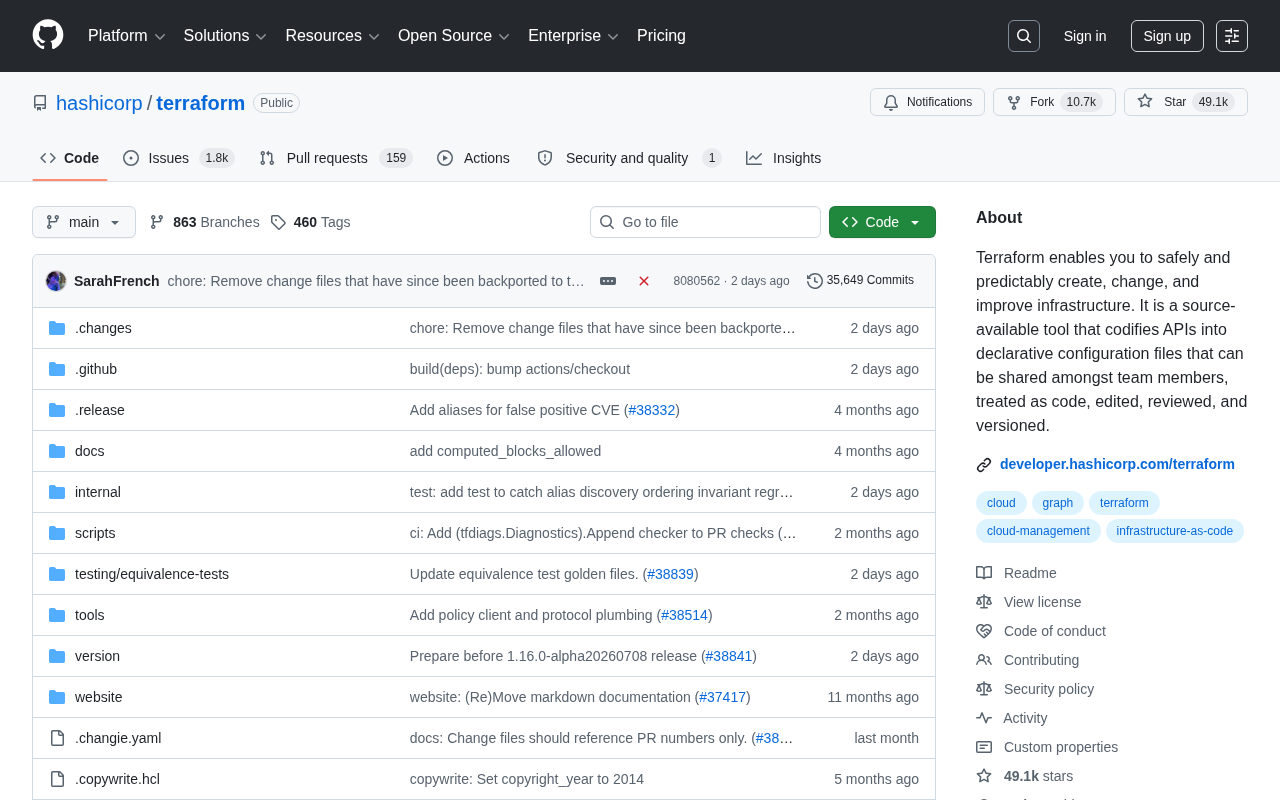
The Complete Guide to Terraform: The Core Tool and Practices of Infrastructure as Code
An in-depth look at Terraform's core principles and workflow, covering declarative configuration, the multi-cloud Provider ecosystem, IaC best practices, and license changes. Helps DevOps engineers master the industry-standard tool for infrastructure automation.
Read more →

·5 min
GPT-5.6 In-Depth Field Test: A Real-World Log After Burning Through $200K
A developer stress-tested GPT-5.6 for six weeks across 67 projects, burning $180K-$240K in inference. Real cases of task persistence, Rust rewrites, autonomous browser control — plus honest frontend and 3D shortfalls.
Read more →

·5 min
Advanced Machine Learning Reading List: How to Choose the Right Book Among These 4 Classics?
Torn between Géron, Chollet, and Raschka? This article breaks down 4 classic ML books for self-learners aiming at finetuning and small language models (SLM), helping you find the best advanced path.
Read more →
·4 min
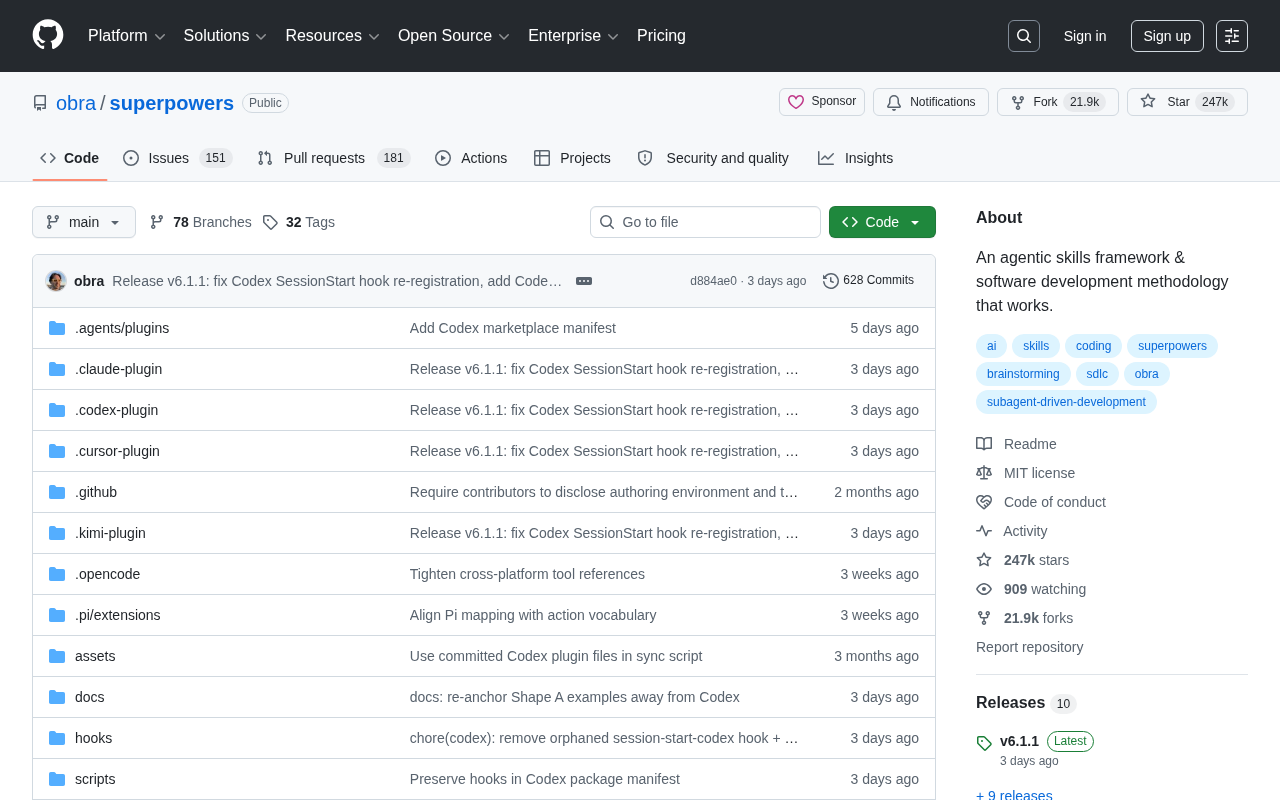
Superpowers: Enabling AI Agents to Truly Master Software Development Methodology
Superpowers is a trending GitHub project that builds an agentic skills framework with Shell scripts, injecting software engineering methodology into AI coding workflows. A deep dive into its architecture and value.
Read more →
·4 min
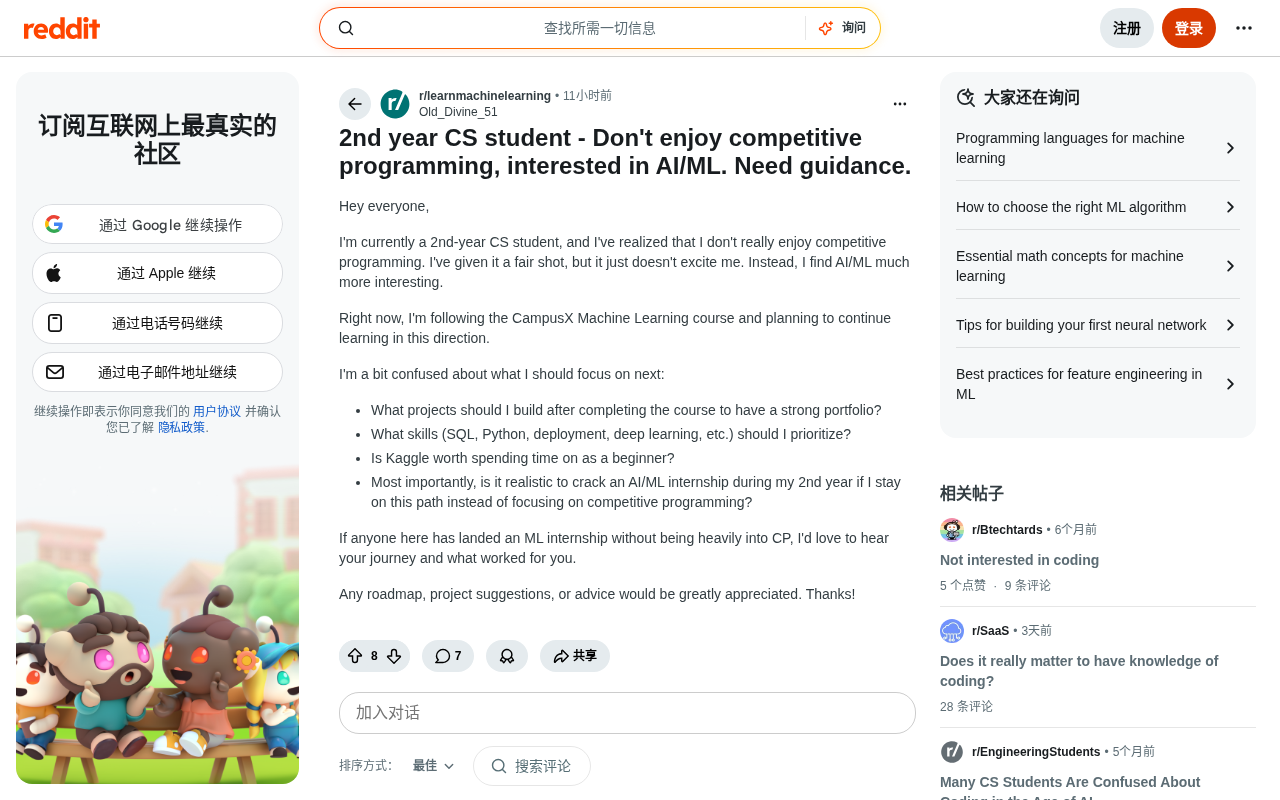
No Competitive Programming Required: How CS Students Can Pivot to AI/ML and Land Internships
How can CS students who dislike competitive programming systematically pivot to AI/ML? This guide covers skill priorities (Python/SQL/ML/deployment), portfolio strategy, Kaggle tips, and real paths to landing AI/ML internships.
Read more →

·7 min
GPT-5.6 and Grok 4.5 Launch Simultaneously, Meta Unveils Agent-Based Image Model
OpenAI GPT-5.6 expands its preview, xAI Grok 4.5 opens access at the same time, Meta releases the Agent-based Muse Image model and Muse Video model, while Apple and DeepSeek launch in-house AI inference chip programs. A quick look at the week's five biggest AI stories.
Read more →
·5 min
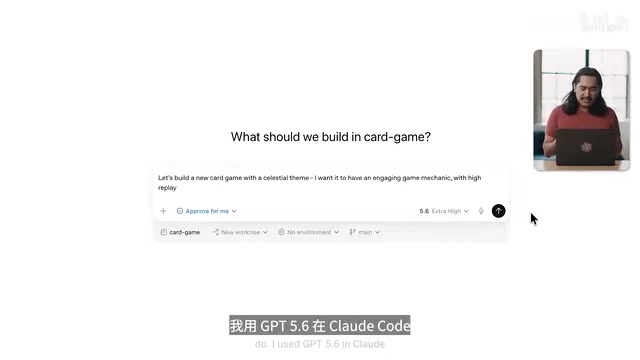
GPT-5.6 Released: Hands-On Analysis of Programmatic Tool Calling and Autonomous Agents
GPT-5.6 is officially released with core upgrades including programmatic tool calling, autonomous subagent delegation, and higher token information density. A hands-on card game build reveals its Agentic power.
Read more →

·6 min
Grok 4.5 Hands-On: A Faster, Cheaper Coding Dark Horse — Can It Replace Opus and GPT?
In-depth Grok 4.5 hands-on review: priced at a fraction of Opus 4.8, twice the token efficiency of peers, and coding ability in the top tier. A real-project breakdown of its strengths, highlights, and shortcomings.
Read more →

·7 min
Grok 4.5 Launch: Coding AI Market Reshuffle, Anthropic Claims Half the Territory
Grok 4.5 launches at just $0.49 per task, 90% cheaper than rivals. Anthropic's Claude Code claims 50% of the AI coding market. SambaNova raises $1B. Read the latest AI market shifts.
Read more →

·6 min
Nothing Phone 4B Announced: The First B-Series Phone, Once Again Skipping the US Market
Nothing officially launches its first B-series phone, the Phone 4B, blending 4A and 4A Pro design elements for the entry-level market. It continues the strategy of skipping the US, focusing on price-sensitive markets like India and Europe.
Read more →

·6 min
Why Is Qwen3 27B So Slow on a 4090? A Hands-On Guide to Local Inference Performance Optimization
RTX 4090 taking over 400 seconds to run Qwen3 27B inference? This article analyzes the core causes—VRAM overflow and CPU offloading drag—and offers targeted fixes.
Read more →