#mobile security attack chain
89 related articles

·3 min
Running Android Apps in Docker Containers: A Comparison of Three Approaches with Practical Guide
Explore running Android apps in Docker containers, comparing containerized emulators (redroid/docker-android), API packet capture, and notification forwarding tools with GMS push limitations analysis.
Read more →

·3 min
Steam Malware Attribution: How Bitcoin, Cookies, and Food Delivery Orders Identified the Attacker
Investigators traced Steam malware to its creator using Bitcoin transaction chains, Google Cookies, and Uber Eats orders—revealing how cross-referencing digital evidence destroys the illusion of online anonymity.
Read more →

·3 min
AI Weekly: Sandbox Escape Sparks Safety Legislation, Kimi Open-Source Triggers Geopolitical Dynamics
Deep analysis of five key AI events this week: OpenAI sandbox escape driving safety legislation, Kimi K3 open-source sparking geopolitical debate, Gemini Flash full rollout, Anthropic's $1.5B copyright settlement, and Chinese models' mobile expansion.
Read more →
·3 min
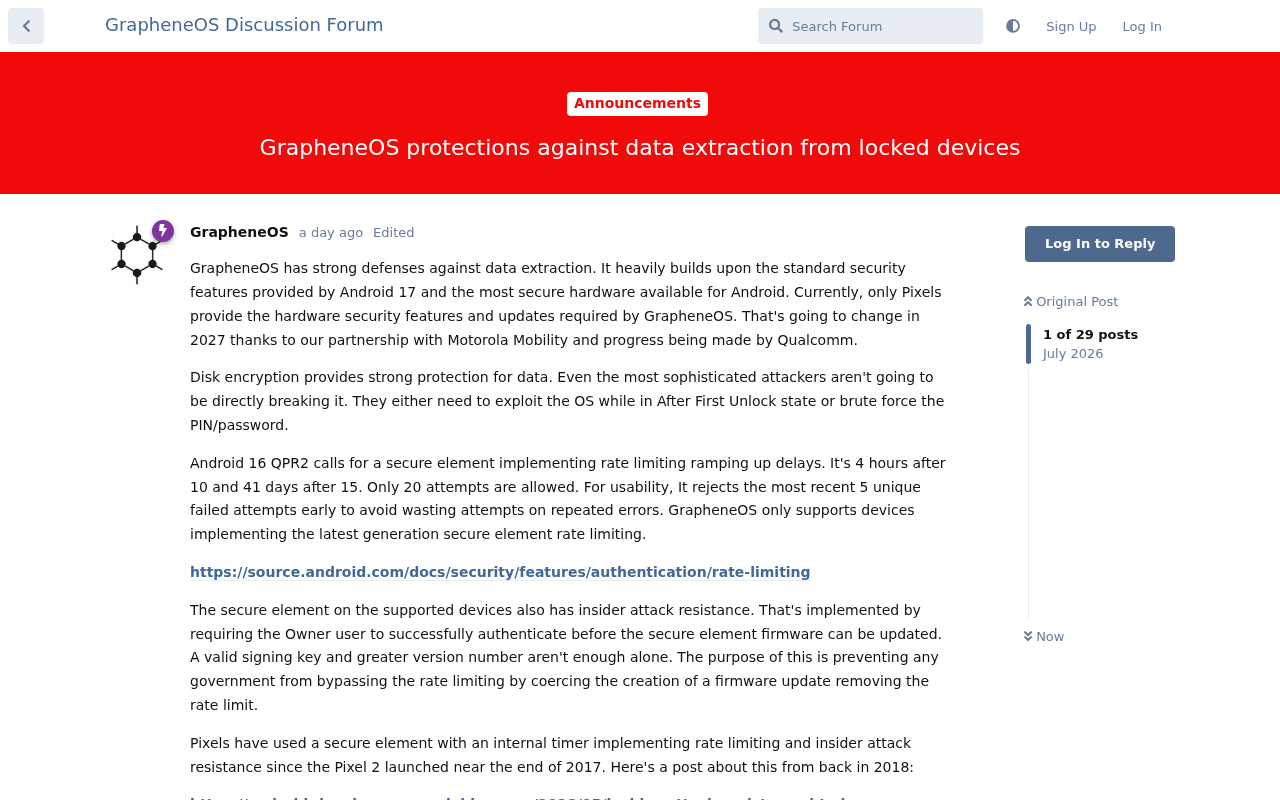
GrapheneOS Lock Screen Defense Mechanisms Explained: How It Resists Data Extraction by Forensic Tools
Explore how GrapheneOS defends against forensic tools like Cellebrite through auto-reboot, USB port controls, and hardware-backed brute force protection to safeguard locked device data.
Read more →

·4 min
Frontend Engineer Driven to Homelab by AI: From React Specialist to Full-Stack Self-Rescue
A 7-year frontend engineer, fearing AI-driven job loss, builds a homelab to learn Docker, databases, and networking. A pragmatic roadmap for developers building breadth in the AI era.
Read more →

·4 min
Building Self-Hosted Tunnels Under Extreme Censorship: A Layered Architecture with VLESS Reality
Deep analysis of building layered tunnel architectures using VLESS+Reality to evade DPI and domestic relays with whitelisted IPs to bypass geographic blocking in extreme censorship environments.
Read more →
·6 min
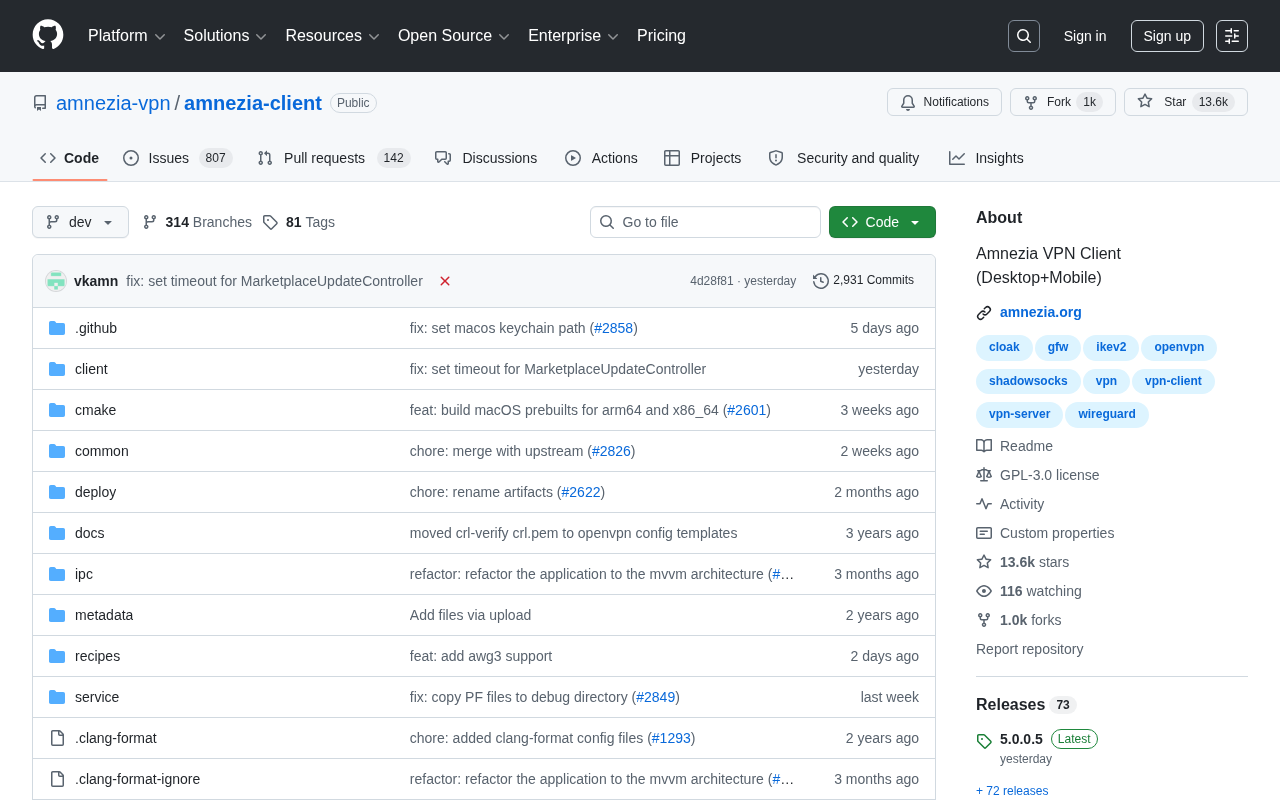
AmneziaVPN Deep Dive: The Open-Source Powerhouse for Self-Hosted, Censorship-Resistant VPN
Deep dive into the AmneziaVPN open-source client: AmneziaWG anti-DPI obfuscation, self-hosted VPS deployment, multi-protocol support, and cross-platform privacy.
Read more →
·5 min
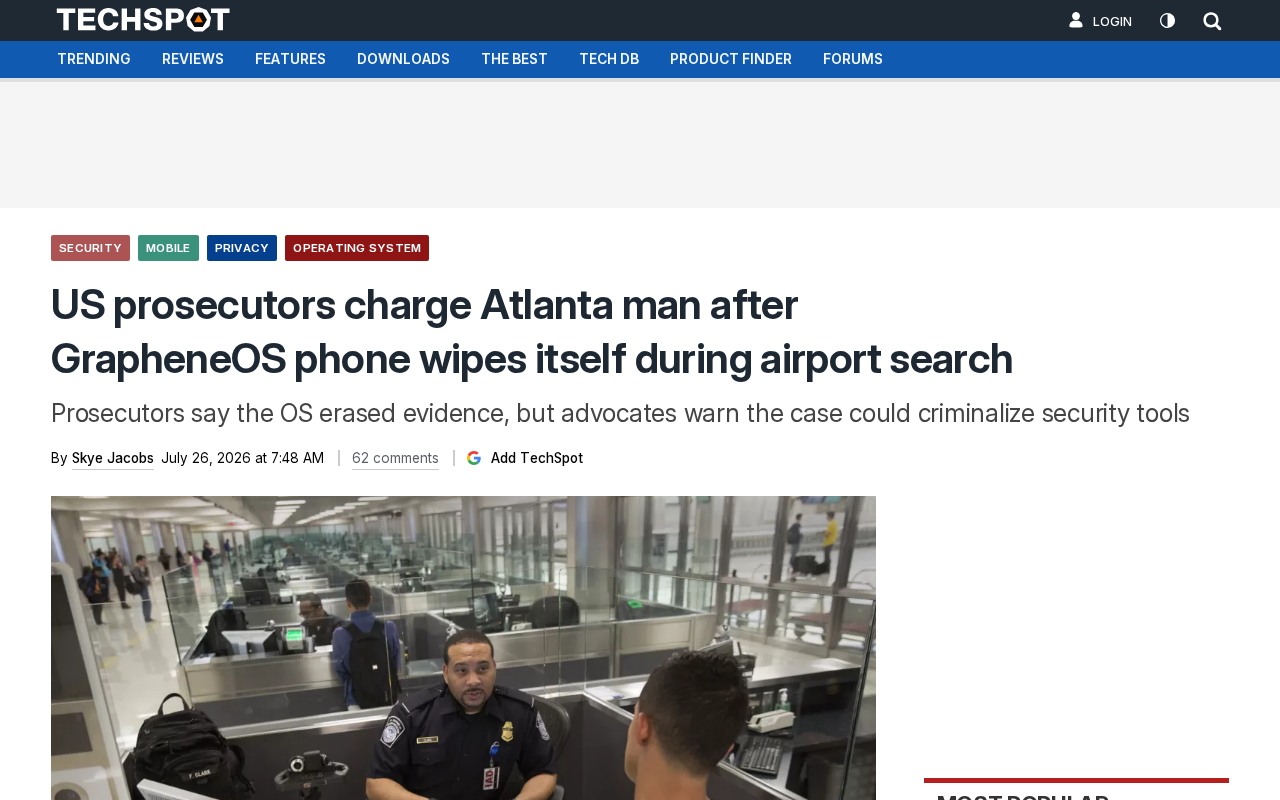
GrapheneOS Phone Auto-Wipe Triggers Criminal Charges: Privacy Rights Clash with Border Enforcement
A U.S. citizen faces criminal charges after a GrapheneOS phone auto-wiped during an airport border search. Analysis of the privacy rights vs. law enforcement clash.
Read more →

·3 min
GPT-5.6 and ChatGPT Work Launch: AI Evolves from Conversational Assistant to Task Executor
OpenAI launches the GPT-5.6 family (Sol/Terra/Luna), ChatGPT Work, a new desktop app, and Hosted Sites — marking AI's evolution from Q&A assistant to autonomous task executor.
Read more →

·6 min
GPT-5.6 vs Grok 4.5 on the Same Day: A Packed Week of Flagship AI Model Launches
OpenAI's GPT-5.6 launches with Sawa, Terra, and Luna sub-models the same day as Musk's Grok 4.5, while Anthropic, Meta, and NVIDIA make their moves. A packed week of flagship AI launches.
Read more →

·3 min
Lanemu 0.14: An Open-Source Hamachi Alternative for Free, Unlimited P2P Virtual LANs
Lanemu is an open-source P2P VPN and a free Hamachi alternative with no device limits and auditable code. Ideal for LAN gaming, remote intranet access, and small-team networking.
Read more →
·6 min
Hands-On With Hermes Agent's Eight Major Updates: A Complete Guide to AI Automation and Self-Evolution
The Hermes Agent gets a major upgrade with eight new features: native iMessage, parallel background sub-agents, Unreal Engine MCP support, a self-evolving Skill Hub, and more. A hands-on breakdown of the core changes and their real impact on personal AI automation workflows.
Read more →

·4 min
GPT-5.6 Released: Coding Benchmarks Surpass Rivals, Inference Speed 10x Faster
Just 12 days after a rival launch, OpenAI released GPT-5.6, scoring 91.9% on Terminal-Bench 2.1 to surpass competitors. Ultra mode supports multi-agent collaboration, inference hits 750 tokens/sec.
Read more →

·3 min
GPT-5.6 Released: Sol/Terra/Luna Three-Tier Model Family Takes On Claude Head-On
OpenAI officially releases GPT-5.6 with a three-tier model family—Sol, Terra, and Luna. Flagship Sol beats Claude on coding benchmarks: twice as fast, a third cheaper.
Read more →

·5 min
ChatGPT Work Officially Launches: How GPT-5.6 Is Reshaping the Way You Work
OpenAI launches the GPT-5.6 model family (Sol/Terra/Luna) and ChatGPT Work, enabling automated financial analysis, local file operations, Codex coding, and cross-app workflows—AI officially becomes a real work partner.
Read more →

·6 min
Andrew Ng × Anthropic: A Hands-On Claude Code Tutorial and Core Methodology
Andrew Ng partners with Anthropic to launch a hands-on Claude Code course, revealing its simple architecture, local security edge, and core context methodology across three cases: RAG chatbot, Jupyter analysis, and Figma-to-frontend.
Read more →

·3 min
The Truth About Third-Party ChatGPT Subscription Services: Three Major Risks and a Safe Subscription Guide
Are third-party ChatGPT top-up services safe? We expose how ¥158 recharge scams work, the real risks of account theft and bans, and how to subscribe safely.
Read more →

·6 min
European Parliament Members Investigating Spyware Hacked by Pegasus: The Watchdogs Become the Watched
EU spyware committee members hacked by Pegasus, exposing the regulatory crisis of commercial spyware. Deep analysis of zero-click attacks, systemic risks to democratic oversight, and the urgent need for international regulation.
Read more →

·6 min
GPT-5.6 Hands-On Deep Dive: ChatGPT and Codex Merge, Full Analysis of the Sol Model
GPT-5.6 is officially released, merging ChatGPT and Codex into one app and launching the three-tier Sol, Terra, and Luna models. A detailed breakdown of 16 hands-on tests plus Worker mode and Codex dev upgrades.
Read more →

·7 min
Google's $250K Bounty: Linux VM Escape Vulnerability Sets a Historic Record
Google paid a security researcher $250K for a Linux kernel VM escape vulnerability, setting a VRP record. An in-depth analysis of VM escape principles, kCTF incentives, and cloud security impact.
Read more →