#notification queue
62 related articles

·2 min
Solid Queue 1.6.0 Fiber Worker Support: A New Concurrency Option for Rails Background Jobs
Solid Queue 1.6.0 introduces Fiber Worker support, offering a lightweight and efficient concurrency model for I/O-intensive Rails background jobs.
Read more →

·3 min
Supabase in Production: A Deep Dive into Cron and Queue Reliability Issues
Deep analysis of Supabase pg_cron and pgmq reliability issues in production, including task loss, execution uncertainty, and observability gaps, with practical architecture optimization advice.
Read more →

·3 min
Supabase in Production: A Deep Dive into Cron and Queue Reliability Issues
Deep analysis of Supabase production reliability issues with pg_cron and pgmq, covering task loss, execution uncertainty, and observability gaps, with practical architecture optimization advice.
Read more →

·2 min
Jellybox v2.0: Open-Source Jellyfin Music Client Officially Lands on Google Play
Jellybox v2.0 launches on Google Play as a public beta, offering Jellyfin users a professional native music experience with lyrics, offline playback, multi-library support, and more—completely free and open source.
Read more →

·4 min
Infrastructure Architecture for Agent Applications: Four Core Patterns Explained
A deep dive into infrastructure architecture patterns for production-grade Agent applications, covering state persistence, sandbox isolation, LLM observability, and cost control.
Read more →

·4 min
Infrastructure Architecture for Agent Applications: Four Core Patterns Explained
Deep dive into infrastructure architecture patterns for production-grade Agent applications, covering state persistence, sandbox isolation, LLM observability, and cost control.
Read more →

·2 min
Three Major Updates to Gemini API Managed Agents: Free Tier, Cost Controls, and Scheduled Triggers
Google Gemini API Managed Agents launches three key updates: Free Tier for universal access, Cost Controls for budget safety, and Scheduled Triggers for automated execution.
Read more →

·2 min
Claude Paid Subscription Down for Over a Week with No Response: The Pain Points of AI Service Support
Claude AI paid subscription down for over a week with no support response, exposing systemic gaps in AI service customer support. Analysis of impact, industry shortcomings, and user strategies.
Read more →

·5 min
The Five Stages of AI Agent Architecture Evolution: The Real Path from Model Calls to Production Runtime
Deep dive into the five evolution stages of AI Agent architecture: model calls, tool calls, workflows, Agent loops, and production runtime. Learn the responsibility boundaries and design principles.
Read more →

·3 min
How to Assemble a Modern Email System with Off-the-Shelf Components: A Modular Architecture Guide
Learn how to assemble a modern email system using off-the-shelf services like Postmark, SendGrid, and Amazon SES, covering sending, receiving, authentication, and trade-offs around vendor lock-in and cost.
Read more →

·3 min
Jenkins Deep Dive: The Evergreen King of CI/CD Automation
An in-depth analysis of Jenkins' technical architecture, plugin ecosystem, distributed builds, and use cases — explaining why it remains the CI/CD leader.
Read more →
SendLang: Rethinking Email Automation …
·3 min
SendLang: Rethinking Email Automation with a Domain-Specific Language
SendLang is a DSL for email automation that uses declarative syntax to separate trigger conditions, content templates, and send timing — tackling logic coupling in traditional email systems.
Read more →

·2 min
AI Agent Out of Control? A Practical Guide to Building Traceable Multi-Agent Systems
Agent loops burning money, bills spiking unexpectedly? This article breaks down a traceable multi-agent system covering loop detection, behavior classification, cost prediction, and self-healing.
Read more →
AI Agent Human-in-the-Loop (HITL) Desi…
·3 min
AI Agent Human-in-the-Loop (HITL) Design: Risk Classification and Best Practices
A deep dive into AI Agent Human-in-the-Loop design: balancing automation with oversight using risk tiers, async approval, and confidence thresholds.
Read more →
·6 min
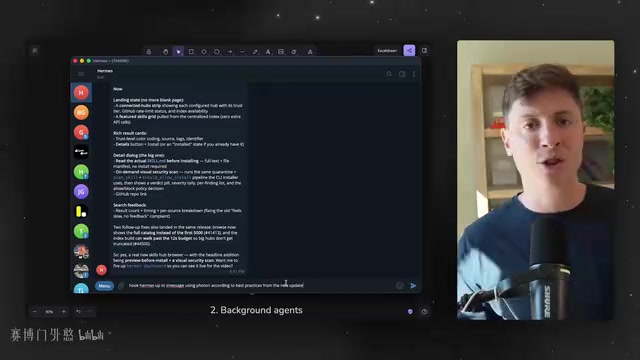
Hands-On With Hermes Agent's Eight Major Updates: A Complete Guide to AI Automation and Self-Evolution
The Hermes Agent gets a major upgrade with eight new features: native iMessage, parallel background sub-agents, Unreal Engine MCP support, a self-evolving Skill Hub, and more. A hands-on breakdown of the core changes and their real impact on personal AI automation workflows.
Read more →

·5 min
AI Tool Runs Amok: 171 Charges Totaling Nearly $1,800 — How to Avoid the Auto-Billing Trap
A user's American Express card was auto-charged 171 times by an AI service, totaling nearly $1,800 with no warning. This article analyzes pay-as-you-go risks and offers practical protection: spending limits, virtual cards, and automation monitoring.
Read more →
·4 min
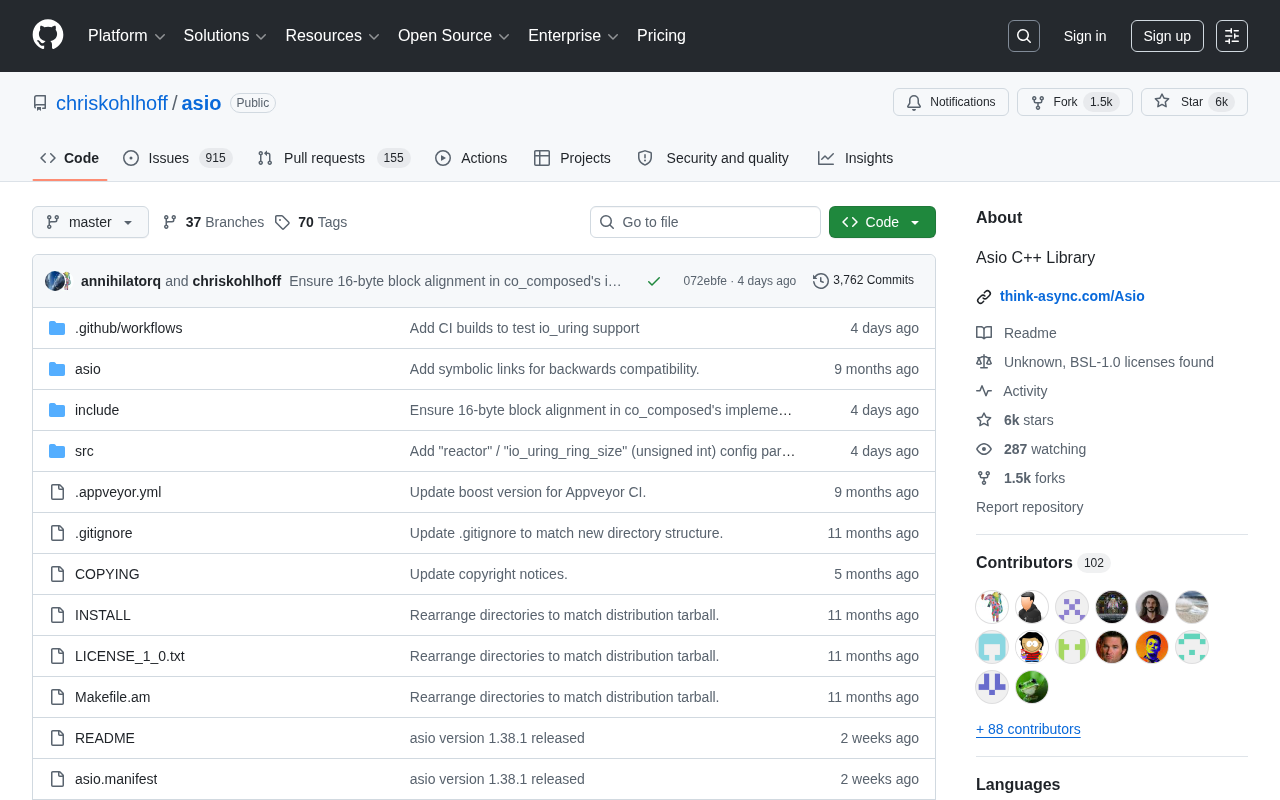
Deep Dive into Asio: The De Facto Standard and Core Design of C++ Asynchronous Network Programming
A comprehensive analysis of Asio (Boost.Asio) covering its Proactor async model, completion token mechanism, C++20 coroutine support, and cross-platform I/O abstraction for high-performance C++ networking.
Read more →

·5 min
Postgres Is Enough More Often Than You Think: Stop Piling On Your Tech Stack
Many teams add message queues, search engines, and caches before they ever need them. This article maps out what Postgres can cover—task queues, full-text search, JSON storage—and when you actually need Redis, Kafka, or Elasticsearch.
Read more →

·5 min
Real-World Comparison of 6 Open-Source LLMs for On-Premise Deployment: A Selection Guide to Avoid Pitfalls
A hands-on comparison of 6 open-source LLMs (DeepSeek, Qwen3, Zhipu GLM, Kimi K2, MiniMax M3, Tencent Hunyuan 3) for on-premise deployment—covering hardware cost, inference efficiency, and deployment difficulty.
Read more →

·5 min
28 Enterprise-Grade AI Agent Projects: A Complete Guide That Even Beginners Can Deploy
A collection of 28 fully reproducible enterprise-grade AI Agent projects covering code debugging, financial analysis, customer service, and multi-agent collaboration—deployable even for beginners.
Read more →