#plug-and-play modules
91 related articles

·7 min
Dify 1.8.0 in Practice: A Complete Guide to Building Enterprise-Grade AI Workflows with Zero Code
An in-depth walkthrough of deploying Dify 1.8.0 and building applications: three-step Docker deployment, five app types compared, and Workflow vs Chatflow use cases—build enterprise AI apps with zero code.
Read more →

·4 min
Making Any LLM Understand Video: Claude-real-video Technical Deep Dive
A deep dive into Claude-real-video: how keyframe extraction, image captioning, and ASR convert video into structured LLM-readable input for model-agnostic video understanding.
Read more →

·4 min
AI's Impact on the Entry-Level Developer Job Market: Crisis or Opportunity?
Generative AI is reshaping software development, shrinking demand for junior developer roles. This article analyzes why entry-level positions are most at risk, the talent pipeline implications, and how junior developers can leverage AI tools to stay competitive.
Read more →

·2 min
Building an FPS Game with ECS Architecture and AI: A First-Person Shooter from Scratch
Learn how to build an FPS game from scratch using ECS architecture (Entity-Component-System) and AI-assisted coding, featuring movement, shooting, magazine management, and minimap.
Read more →

·2 min
Coze 3.0 Multi-Agent Collaboration: A Complete Guide to Building Your AI Team
A hands-on guide to Coze 3.0 multi-user, multi-Agent projects: create projects, add members, toggle Agents, and use @ mentions to dispatch tasks efficiently.
Read more →

·3 min
AI-Generated Code + Modular Design: The ESP32 Kit That Makes Hardware Development Accessible to Everyone
Axiometa Genesis Mini is a modular ESP32 kit with a built-in AI development environment. Generate code with natural language, plug-and-play 50+ modules, starting at $35.
Read more →
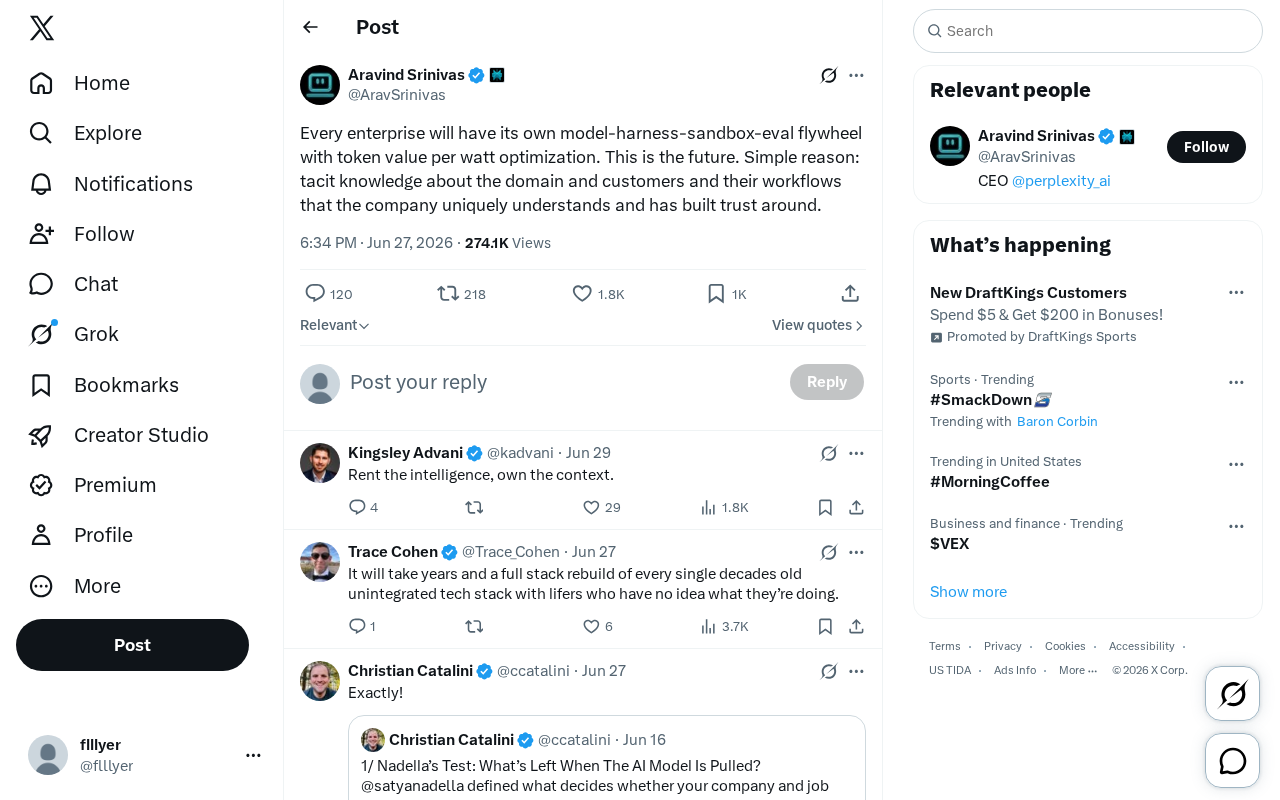
·8 min
The Enterprise AI Flywheel: Building a Model-Eval Loop as a Competitive Moat
The core of enterprise AI isn't calling general models—it's building a self-reinforcing "model-harness-sandbox-eval" flywheel. This article analyzes the four components, tacit knowledge moats, and the "token value per watt" efficiency metric.
Read more →

·4 min
Dify Beginner's Guide: Interface Overview & Complete Docker Self-Hosted Deployment Guide
Complete guide to Dify's four core modules (Explore, Studio, Knowledge Base, Tools) with step-by-step Docker self-hosted deployment instructions for building production-grade AI apps.
Read more →

·3 min
Complete RAG System Development Guide: Data Preprocessing, Vector Retrieval, and Output Optimization in Practice
A complete guide to building RAG systems: covering data preprocessing, vector databases, embedding models, hybrid search, re-ranking, and advanced topics like Graph RAG and multimodal RAG.
Read more →

·3 min
AI Agent Development: A Three-Stage Learning Roadmap from Zero to One
A systematic three-stage AI Agent development roadmap: from Python basics and LLM fundamentals, through five core capabilities like planning and tool use, to hands-on RAG projects for real-world deployment.
Read more →

·2 min
The Essential Difference Between Skill and MCP: A Kitchen Analogy That Makes It Crystal Clear
Skill and MCP are two easily confused core concepts in AI Agent development. This article uses a kitchen analogy to explain how Skill (recipe/methodology) and MCP (kitchen assistant/tool connection) differ and work together.
Read more →

·3 min
New Book Breakdown: "Claude Code in Practice: The Way of Harness Engineering" — Master AI Programming Engineering in Ten Chapters
Deep breakdown of the new book on Claude Code engineering, covering Harness concepts, four-layer architecture, five-layer memory, sub-agents, hooks, MCP protocol, and CI/CD integration.
Read more →

·3 min
Coze Tutorial: A Complete Guide to Building Multi-Agent Systems from Scratch
A complete guide to building AI agents on Coze, covering core features, Dify comparison, skill store usage, workflow building, and multi-Agent collaboration — no coding required.
Read more →

·3 min
Hermes Agent Practical Tutorial: Architecture Analysis and Three Automation Project Builds
Complete guide to Hermes Agent from basics to practice, covering architecture analysis, Rules.md configuration, MCP service integration, and three hands-on projects: AI news bot, auto blog development, and scheduled code review.
Read more →

·3 min
Hands-On with Tencent Cloud ADP 4.0: How an Enterprise-Grade Agent Development Platform Tackles the Agent Commercialization Challenge
Hands-on review of Tencent Cloud ADP 4.0: testing its full-lifecycle Agent management — from rapid creation and enterprise integration to automated evaluation and Skill governance for real-world deployment.
Read more →

·3 min
What Makes Claude Code So Powerful? A Five-Dimension Comparison with Traditional AI Chat Tools
A deep comparison of Claude Code vs traditional AI chat tools across 5 dimensions: interaction, context, execution, memory, and tool invocation.
Read more →

·4 min
The Complete Guide to Claude Desktop: 15 Core Features & 9 Money-Saving Tips
Deep dive into Claude Desktop's Chat, Cowork & Code modes, Skill system setup, 8 automation workflow examples, and 9 practical tips to dramatically save Tokens.
Read more →

·1 min
Andrew Ng Partners with Anthropic to Launch Agent Skills Course: Build Once, Deploy Anywhere
Andrew Ng and Anthropic launch the Agent Skills course, teaching how to package domain expertise into reusable Skill modules for build-once, deploy-anywhere AI Agents.
Read more →

·2 min
Marvell: The Hidden Giant Behind AI Infrastructure — Four Technical Aces Explained
Deep dive into how Marvell leverages UALink switch chips, CXL memory tech, custom ASIC foundry services, and silicon photonics to become an indispensable core supplier in AI infrastructure.
Read more →

·4 min
PeakCode Open-Source AI Coding Tool: An All-in-One Solution Combining Claude Code and Codex
PeakCode is an open-source AI coding tool combining Claude Code's engineering power with Codex's UX, featuring Web/desktop modes, plugins, Git integration, and automated Agent capabilities.
Read more →