#round-trip consistency
25 related articles

·2 min
Round-Trip Consistency: A Self-Supervised Method That Lets Diffusion Models Predict Their Own Errors
Deep dive into Round-Trip Consistency: a self-supervised method using bidirectional diffusion models' round-trip discrepancy as an error proxy, enabling reliability assessment without ground truth.
Read more →

·2 min
Voice Agent Latency Optimization: Why Averages Are Lying to You
Deep analysis of three voice AI Agent latency pitfalls: averages hiding tail latency, pipeline jitter stacking, and regional differences. Practical P95/P99 measurement and end-to-end optimization tips.
Read more →

·3 min
Cloudflare OS Explained: An Edge Computing Open Platform for AI Agents
Deep dive into Cloudflare OS's technical architecture and strategic positioning—how it leverages its global edge network, Workers runtime, and Durable Objects to provide low-latency, secure environments for AI agents.
Read more →

·3 min
Qwen 3.8 Max Tops Agentic Benchmark: Is the Tipping Point for Local Deployment Approaching?
Qwen 3.8 Max tops the Artificial Analysis Agentic Index ahead of Opus 5. Reddit debates the gap between benchmark scores and real-world agent performance, and what it means for local deployment.
Read more →

·3 min
Detailed Explanation of WAL Network Latency Optimization in Lakebase's Decoupled Storage-Compute Architecture
Deep dive into how Databricks Lakebase (Neon architecture) optimizes WAL network latency in decoupled storage-compute through Safekeeper quorum writes, group commit pipelining, and proximity deployment while preserving ACID semantics.
Read more →

·3 min
Deep Dive into Raft Leader Election: Building a Distributed Consensus Algorithm from Scratch
A detailed explanation of Raft's leader election mechanism covering terms, randomized timeouts, and majority voting — helping developers truly understand distributed consensus.
Read more →

·4 min
SQLite in Production: A Deep Dive into WAL Mode, Concurrency Control, and VFS Optimization
A deep dive into three core SQLite production optimizations: WAL mode for read/write concurrency, single-writer concurrency model best practices, and VFS layer tuning with mmap and custom locking.
Read more →

·4 min
Pure Vibecoding Builds a 130+ Card Multiplayer CCG: Full AI Tech Stack Breakdown
An indie dev built a 130+ card multiplayer CCG entirely through vibecoding with Claude Code, GPT, and ElevenLabs. Full AI tech stack breakdown and analysis of vibecoding's capabilities and limits.
Read more →
·3 min
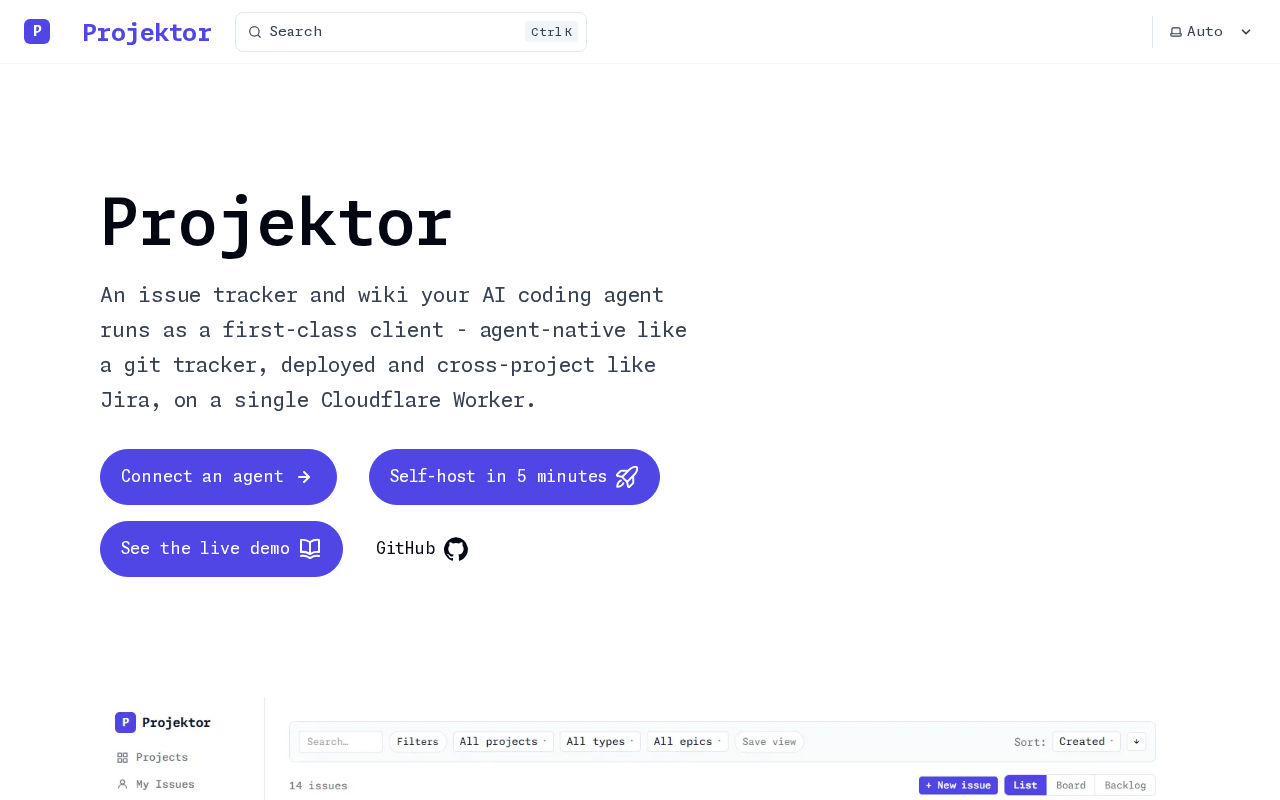
Open-Source Agent-Native Task Management: A Deep Dive into Cloudflare Edge Deployment
Deep dive into an open-source Agent Native task management and Wiki project deployed on Cloudflare, exploring Agent-native architecture, edge computing benefits, and serverless deployment for the AI Agent era.
Read more →
·3 min
Open-Source Agent-Native Task Management: A Deep Dive into Cloudflare Edge Deployment
Deep dive into an open-source Agent Native task management and Wiki project deployed on Cloudflare, exploring Agent-native architecture, edge computing advantages, and serverless deployment for AI Agents.
Read more →

·2 min
Chrome Built-in AI Explained: How Locally Running Models Protect Your Privacy
Explore Chrome Built-in AI technology and how running AI models locally in the browser enables zero data upload, instant responses, and stronger privacy protection.
Read more →

·2 min
Chrome Built-in AI Explained: How Locally Running Models Protect Your Privacy
Deep dive into Chrome Built-in AI technology, exploring how running AI models locally in the browser achieves zero data uploads, instant responses, and stronger privacy protection.
Read more →
·6 min
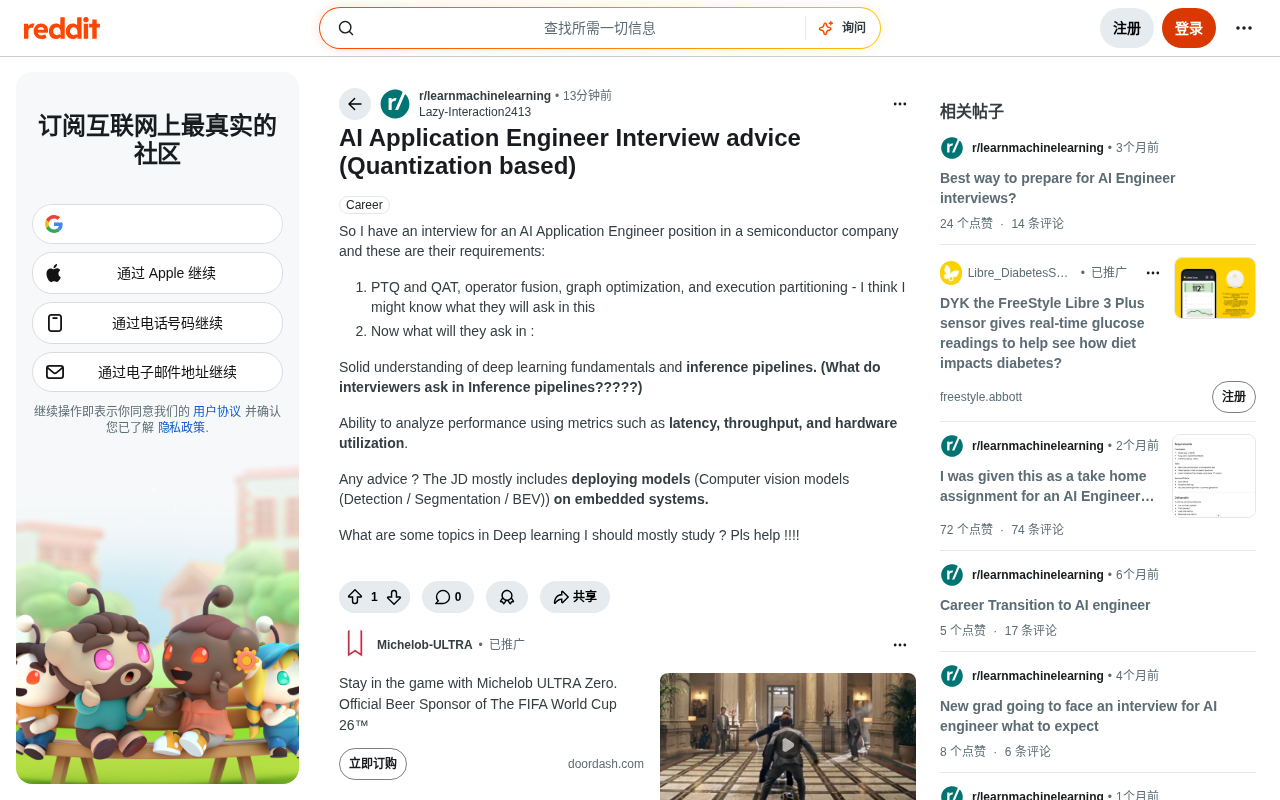
AI Application Engineer Interview Guide: Core Topics on Model Quantization and Inference Deployment
A systematic guide to must-know AI application engineer interview topics: PTQ/QAT quantization, operator fusion, inference pipelines, latency/throughput analysis, and edge deployment of detection/segmentation/BEV models.
Read more →
·3 min
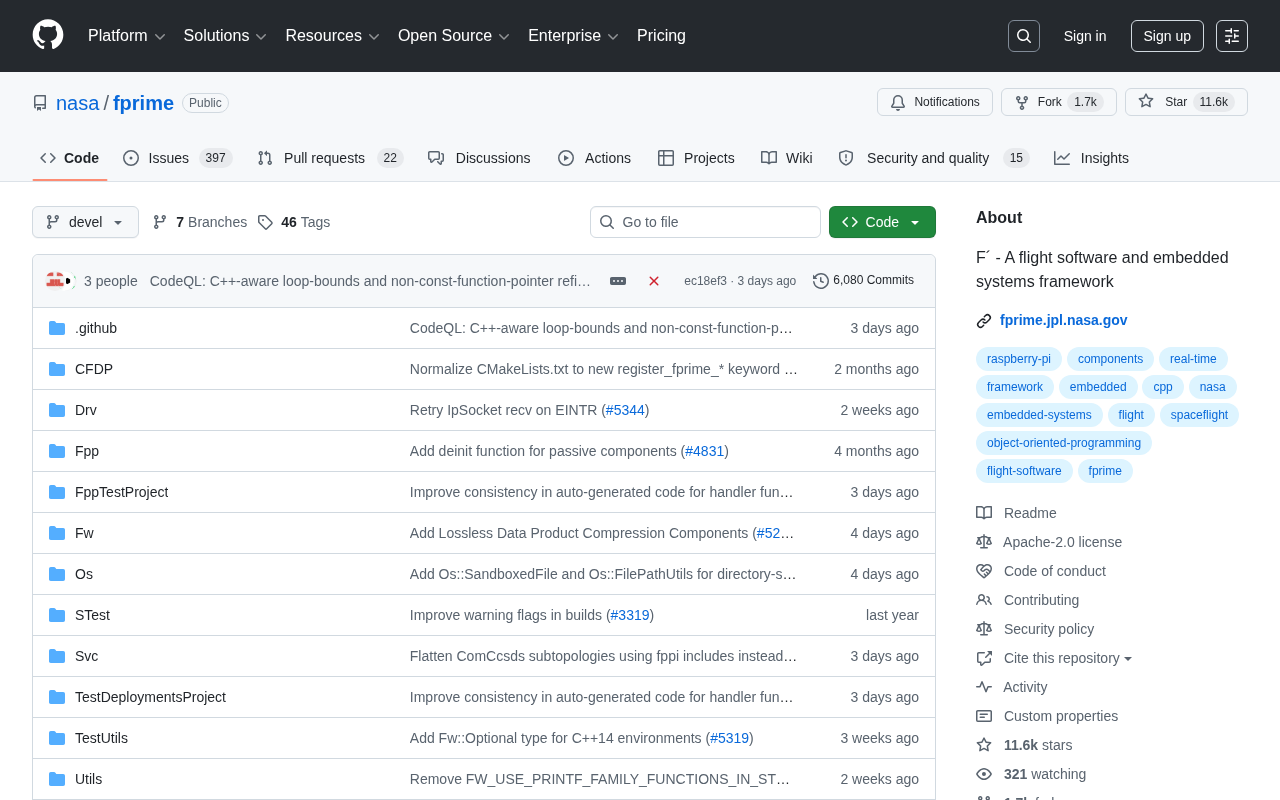
NASA Open-Sources the F´ Framework: A Space-Grade Toolkit for Flight Software and Embedded Systems Development
NASA's JPL open-sourced the F´ (F Prime) flight software framework: C++-based, component-driven, and validated in real space missions. Ideal for CubeSats, drones, and embedded systems, it has over 11,000 GitHub Stars.
Read more →

·3 min
Depth Map and OpenPose Extraction Workflow: A Practical Guide to Controllable AI Video Generation
A deep dive into the principles and applications of the Depth Map and OpenPose pose extraction workflow, combined with Seedance 2's reference video feature, helping creators precisely control camera movement and character poses in AI video.
Read more →
·5 min
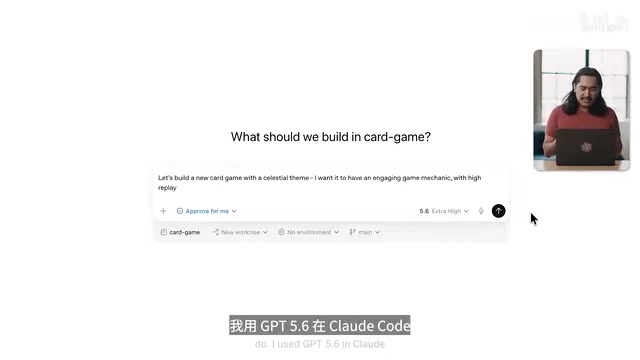
GPT-5.6 Released: Hands-On Analysis of Programmatic Tool Calling and Autonomous Agents
GPT-5.6 is officially released with core upgrades including programmatic tool calling, autonomous subagent delegation, and higher token information density. A hands-on card game build reveals its Agentic power.
Read more →

·7 min
Gemini Live Integrates Nano Banana: A Complete Guide to Real-Time Camera, Image Generation, and Maps Integration
Google's Gemini Live now integrates the Nano Banana image generation model with Connected Apps like Google Maps, supporting real-time camera scene understanding and visualization. Free worldwide.
Read more →

·7 min
Turning Any AI Agent into an Orchestration Hub: A Deep Dive into Multi-Agent Collaboration Architecture
An in-depth analysis of the "any Agent as an orchestrator" design philosophy, exploring the technical implementation of multi-Agent collaboration, context management, and workflow automation.
Read more →

·6 min
Rust AI Agent System Prompt Engineering in Practice: A Seven-Dimensional Design Guide
An in-depth analysis of the four core roles of AI Agent system prompts and the four-step tool-calling method, covering behavioral boundaries, autonomous execution principles, and trigger pattern design—helping Rust developers build high-quality agents.
Read more →

·3 min
WASM for Data Processing: Can Browsers Really Handle Big Data?
Can WASM really handle big data? This deep dive covers DuckDB-WASM's in-browser SQL capabilities, edge data processing architectures, and where WebAssembly fits in modern data engineering.
Read more →