#shared capacity
398 related articles

·3 min
Laguna S 2.1: The Open-Source Coding Model That's 14x Smaller Yet Stronger
Poolside releases Laguna S 2.1, an open-source agentic coding model: 118B total params with only 8B active, scoring 40.4% on DeepSWE — ~4.5x DeepSeek V4 Pro Max. Supports 1M-token context, deployable on a single workstation.
Read more →

·5 min
Why Are China's Open-Source AI Models Getting Stronger? A Deep Dive into Three Comeback Paths
Facing US chip bans and closed-source monopolies, how do China's open-source AI models keep striking back? A deep dive into three core paths: open-source pricing-power games, optical interconnect positioning, and edge-side use cases.
Read more →

·3 min
The T-Parameter Era of Open-Source LLMs: Four Chinese AI Companies Break the Trillion-Parameter Barrier
Moonshot AI, Alibaba, DeepSeek, and Meituan all crossed the trillion-parameter threshold. China's open-source LLMs made the B-to-T leap in just 18 months.
Read more →
·3 min
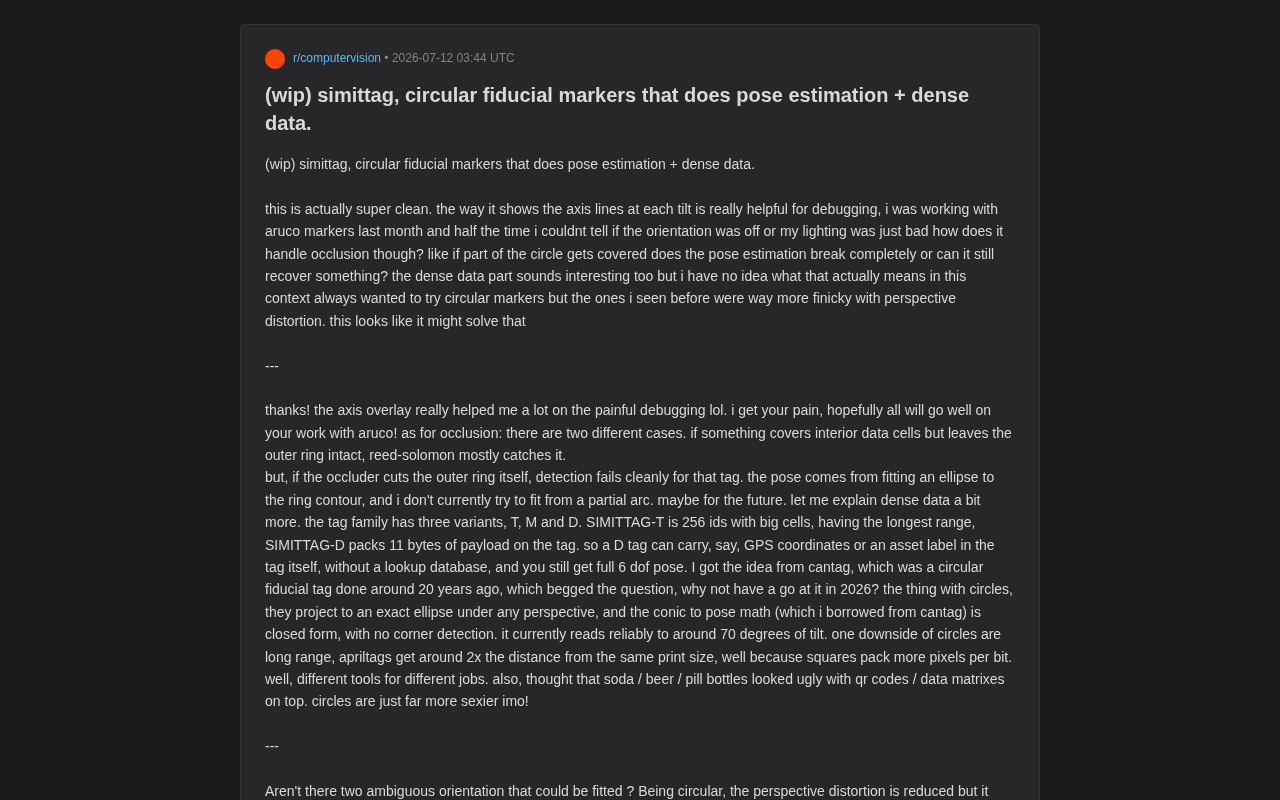
SIMITTAG Circular Fiducial Markers: Reimagining Pose Estimation with Ellipse Mathematics
SIMITTAG is a circular fiducial marker project for pose estimation that uses closed-form ellipse math instead of corner detection, supports 11-byte payloads with Reed-Solomon error correction, and compares favorably to ArUco and AprilTag in specific use cases.
Read more →

·3 min
DeepSeek's In-House AI Chip: A Critical Step Toward Breaking China's NVIDIA Dependence
DeepSeek is reportedly developing its own AI chip, moving from algorithms to hardware to achieve software-hardware co-optimization. An in-depth analysis of its strategic rationale, key challenges, and implications for China's AI industry autonomy.
Read more →
·7 min
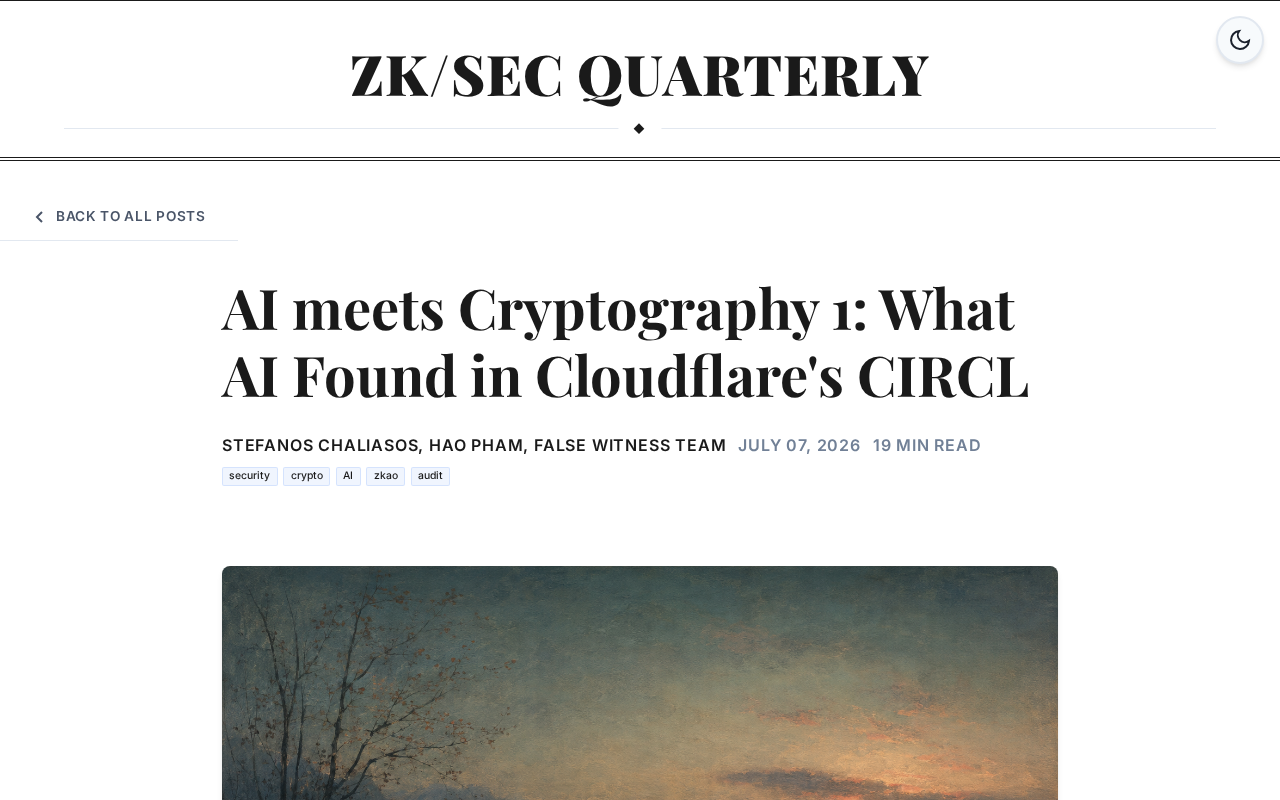
Auditing Cryptographic Libraries with AI: What We Found in Cloudflare's CIRCL
An in-depth look at using AI LLMs to audit Cloudflare's open-source cryptographic library CIRCL, covering constant-time detection, side-channel vulnerabilities, and human-AI collaboration.
Read more →
ChatGPT Work Deep Dive: The Cloud-Loca…
·3 min
ChatGPT Work Deep Dive: The Cloud-Local Split and What It Means for Users
ChatGPT Work runs in the cloud on web/mobile but accesses local files on desktop — and they don't sync. A deep dive into the split design, UX tradeoffs, and broader AI agent challenges.
Read more →

·3 min
Claude Code Artifacts Now Open: AI Agent Race Shifts Into High Gear
Claude Code Artifacts opens to Pro/Max users with real-time web deployment. Roundup of AI Agent news: Alipay Abao beta, ByteDance EdgeBench, Microsoft Frontier Company, and OpenAI/Anthropic compute strategies.
Read more →

·6 min
Hands-On with Qwen 3.8 Max: How an Open-Source Model Closes In on Top-Tier Closed Models
Qwen 3.8 Max has 2.4 trillion parameters and will be open-sourced. In KingBench testing it scored 81.25%, ranking second, beating Claude Opus 4.8 and trailing only Fable 5. A deep dive into its performance across 8 tests.
Read more →
Human-Centered AI: Real-World Implemen…
·6 min
Human-Centered AI: Real-World Implementation in Healthcare and Design
An MSR workshop reveals the truth about AI deployment: from a $20 corneal diagnostic device to expert-in-the-loop chatbots, researchers share real-world experiences of AI in healthcare and design within resource-scarce environments.
Read more →

·7 min
The Complete AI Character LoRA Training Workflow: Hands-On Multi-Character Consistency Generation with Local Deployment
A detailed guide to a complete local AI character generation workflow: from the five golden rules of LoRA training and automated ComfyUI dataset construction to hands-on comparisons of Crea2, Ideogram4, and Wan for multi-character same-frame interaction—all running free on personal hardware.
Read more →

·2 min
GPT-5.6 Sol Tops Frontend Leaderboard · Claude Code Gets Built-in Browser · 50-Year Math Conjecture Solved
GPT-5.6 Sol tops Chatbot Arena's frontend leaderboard, Claude Code gains a built-in browser, Sol Ultra proves a 50-year math conjecture, and Gemma 4 gets 5x faster.
Read more →

·6 min
The Complete Codex Guide: From Beginner to Pro with the All-in-One AI Assistant
OpenAI Codex is more than a coding tool—it's an AI agent that writes code, makes slides, and operates browsers. This guide covers its four versions, permission modes, plugins, automation, and six best practices.
Read more →

·4 min
DeepSeek Open-Sources DeepSpec: A Full-Stack Breakdown of Speculative Decoding
DeepSeek open-sources DeepSpec, a full speculative decoding training and evaluation toolkit featuring three draft model algorithms (Ego3, DeepFlash, DeepSpark), 12 checkpoints, MIT license, and 60–85% real-world speedup.
Read more →

·3 min
Qwen's Six-Generation Evolution: A Complete Breakdown from Architecture Innovations to the Reasoning Race
From Qwen1 to Qwen3-2507: a complete breakdown of six generations of evolution over two years — GQA, MoE, GRPO, dynamic thinking, and the core shift from architecture to reasoning.
Read more →

·4 min
Complete Guide to Running Claude Code on Amazon Bedrock
Complete guide to deploying Claude Code on Amazon Bedrock: environment setup, cross-region inference, prompt caching, cost attribution, Guardrails, and the Mantle endpoint for enterprise compliance.
Read more →

·3 min
The AI Video Agent Era: A Full Walkthrough of Creating a Professional Brand Film in Two Hours
LiblibTV's AI Agent feature tested end-to-end: from a one-sentence brief through storyboarding, Seed Audio music, and CapCut editing to a polished brand film in under two hours.
Read more →

·2 min
Husband-Wife Cereal Brand Uses OpenAI Codex to Build Enterprise-Grade Operations System
A founder couple used OpenAI Codex and GPT-5.6 to build an enterprise-grade ops dashboard for cereal brand Three Wishes — no technical co-founder needed.
Read more →
Can LLMs Really Understand Computer Ar…
·3 min
Can LLMs Really Understand Computer Architecture Papers? A Deep Dive into Comprehension Capabilities
Can LLMs truly understand computer architecture papers? This article analyzes core challenges—from surface pattern matching to deep reasoning—and defines their capability limits for researchers.
Read more →
·2 min
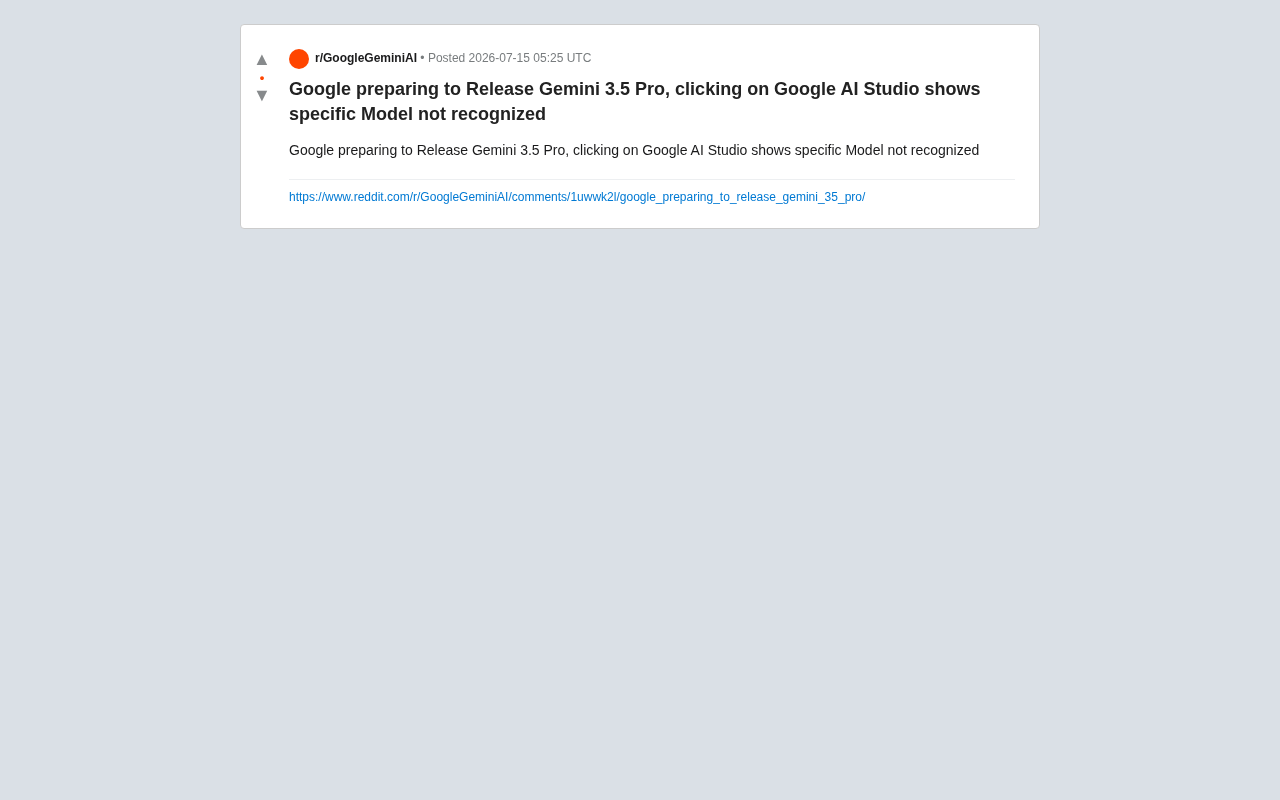
Gemini 3.5 Pro Spotted in Google AI Studio — Is a New Flagship Model Coming?
A Reddit user spotted "Gemini 3.5 Pro" listed as unrecognized in Google AI Studio. We break down the technical signals, naming logic, and strategic implications.
Read more →