#software supply chain attacks
127 related articles
Smart Proxy: The Key Architecture for …
·3 min
Smart Proxy: The Key Architecture for Running AI Coding Agents Safely and Autonomously
Too much AI permission is risky; too little kills productivity. A smart proxy acts as a controllable middleware layer — intercepting, auditing, and policy-gating AI agent actions in tools like Claude Code and Cursor for safe autonomous operation.
Read more →

·3 min
Privacy Risks in Claude Code? Use Docker Sandboxes to Fully Isolate Your AI Coding Tools
Claude Code found to contain user monitoring logic, raising AI tool privacy concerns. Learn how to isolate Claude Code, Codex & Copilot with Docker Sandboxes — full setup and escape testing included.
Read more →

·3 min
Claude Code in Practice: How AI Coding Tools Can Protect Your Secret Keys
When AI coding assistants have full filesystem access, are your API keys and cloud credentials safe? Deep dive into secret leakage risks and practical defenses.
Read more →
Ghostcommit Attack Explained: How Mali…
·2 min
Ghostcommit Attack Explained: How Malicious PNGs Bypass AI Code Review
Ghostcommit is a new supply chain attack targeting AI coding tools that hides malicious instructions in PNG pixels, bypassing automated code review to steal .env secrets via indirect prompt injection.
Read more →
Will AI Really Replace Human Jobs? Sig…
·3 min
Will AI Really Replace Human Jobs? Signing Authority, Jevons Paradox, and the Distribution Dilemma
Will AI replace human jobs? This article examines AI employment anxiety through accountability, Jevons Paradox, and value distribution — who really benefits from the productivity boom?
Read more →

·3 min
jscrambler npm Package Compromised: Supply Chain Attack Incident Response and Protection Guide
The jscrambler npm package v8.14.0 was hit by a supply chain attack, with malicious code able to steal environment variables, CI secrets, and deployment credentials. This guide covers self-inspection, credential rotation, and dependency hardening.
Read more →

·3 min
Anthropic's Project Glass Wing: The Arms Race in AI Code Security Auditing
Anthropic launches Project Glass Wing—its Mythos Preview model found over 10,000 critical infrastructure vulnerabilities in hours, spanning 150 organizations across 15 countries. A deep dive into AI security auditing.
Read more →
The CISA Credential Leak: A Wake-Up Ca…
·2 min
The CISA Credential Leak: A Wake-Up Call About Writing the Playbook During the Incident
CISA contractor leaked credentials to a public GitHub repo — and the agency was building its incident response playbook mid-incident. Key lessons on supply chain security and credential management.
Read more →

·6 min
GPT-5.6 vs Grok 4.5 on the Same Day: A Packed Week of Flagship AI Model Launches
OpenAI's GPT-5.6 launches with Sawa, Terra, and Luna sub-models the same day as Musk's Grok 4.5, while Anthropic, Meta, and NVIDIA make their moves. A packed week of flagship AI launches.
Read more →

·4 min
The Claude Code Covert Tagging Scandal: The AI Trust Crisis Behind Alibaba's Ban
Anthropic's Claude Code is accused of covert tagging via Unicode punctuation encoding, prompting Alibaba to ban its use. A deep dive into the reverse-engineering findings, distillation allegations, and the AI-era battle over compute monopoly and developers' right to know.
Read more →
·3 min
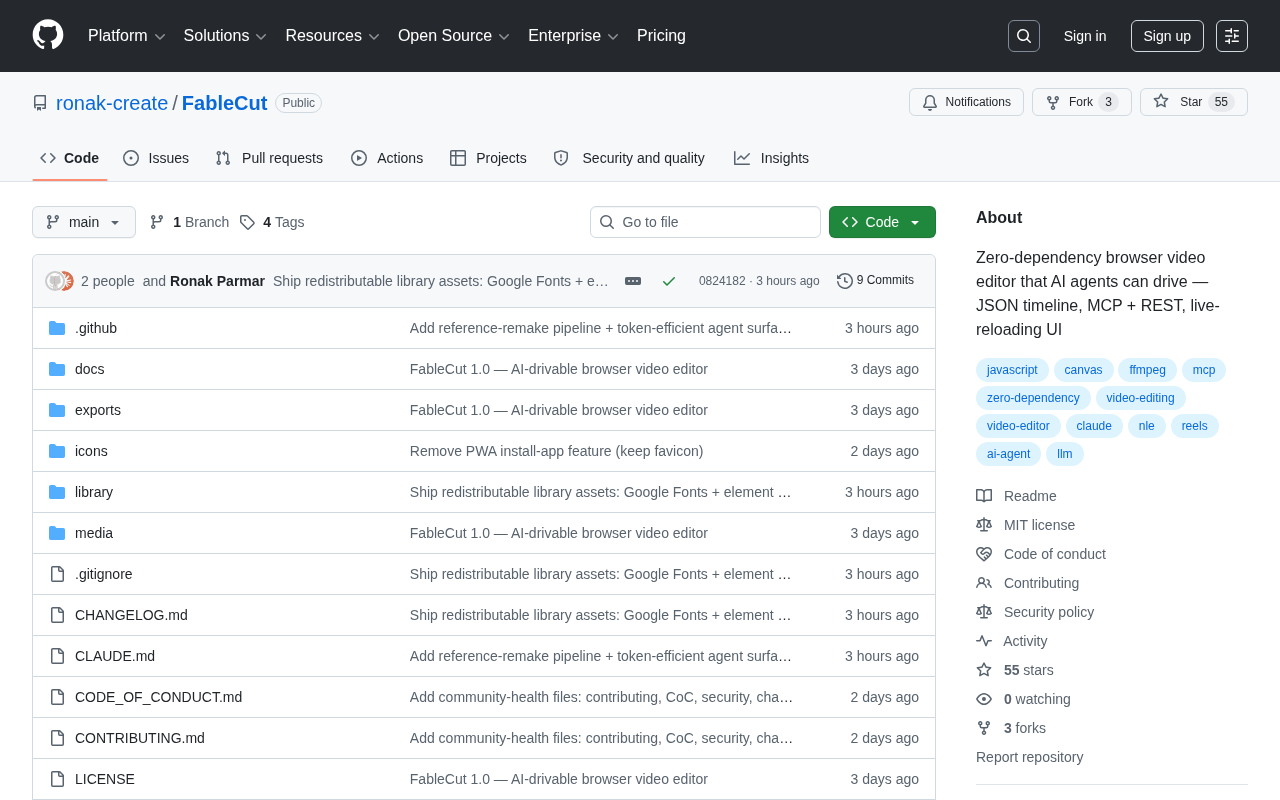
FableCut: A Zero-Dependency Browser Video Editor Built for AI Agents
FableCut is an open-source browser video editor built on a zero-dependency architecture and programmable AI-agent-driven design. A deep dive for AI automation developers.
Read more →

·6 min
AI Agent Security in Practice: 7 Attack Techniques and a Five-Layer Defense System
An in-depth breakdown of the 7 major attack techniques against AI agents (prompt injection, data poisoning, image attacks, etc.) and a five-layer defense system, with real cases from Doubao and DeepSeek.
Read more →

·2 min
GPT-5.6 Officially Released, MIIT Security Alert, and Microsoft's In-House MAI: Three Key Developments in the AI Industry
Three major AI developments: OpenAI's GPT-5.6 approved for full release, China's MIIT warns of AI coding tool backdoor risks, and Microsoft replaces third-party models in Copilot with its in-house MAI.
Read more →

·4 min
Surge in Claude Mythos Preview Vulnerabilities: How Can We Ensure LLM Security?
After the release of Claude Mythos Preview, critical security vulnerabilities surged, raising widespread concern. This article analyzes the tension between rapid iteration and security, explores LLM attack surface challenges, and offers practical defense strategies.
Read more →

·5 min
Zero-Dependency AI Decision Record Auditor: A Practical Guide to Building Traceable AI Systems
An in-depth analysis of the zero-dependency decision record auditor: from AI compliance and incident postmortems to human-AI accountability, exploring how 'Governance as Code' enables traceable, transparent AI decision-making.
Read more →
·5 min
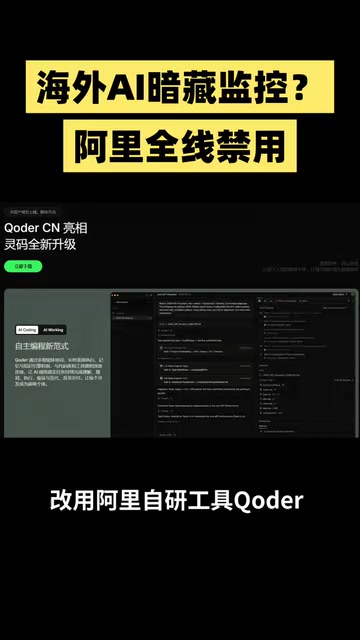
Deep Analysis of the Alibaba-Claude Ban: The Battle for Autonomous Control of AI Coding Tools
Alibaba bans all Anthropic products including Claude Code, while ByteDance and Tencent switch to in-house tools. A deep dive into the security logic and industry trends behind China's push for autonomous AI coding tools.
Read more →

·5 min
Alibaba Bans Claude Code: Invisible Fingerprints and the AI Tool Trust Crisis
Alibaba has banned Claude Code as high-risk software. Reverse engineering revealed a covert environment-identification mechanism hiding user fingerprints in punctuation via prompt steganography. A deep dive into the incident and AI tool trust.
Read more →

·7 min
Grok 4.5 Launch: Coding AI Market Reshuffle, Anthropic Claims Half the Territory
Grok 4.5 launches at just $0.49 per task, 90% cheaper than rivals. Anthropic's Claude Code claims 50% of the AI coding market. SambaNova raises $1B. Read the latest AI market shifts.
Read more →
·6 min
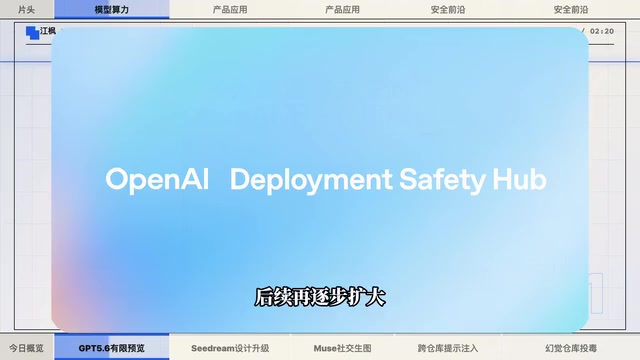
GPT-5.6 Sol Limited Preview: The Safety Boundaries Behind AI's Capability Expansion
OpenAI's flagship GPT-5.6 advances on three fronts—Sol, Kara, Luna tiered rollout; ByteDance CGN 5.0 Pro and Meta Muse push image generation toward controllable workflows; AI coding agents expose new supply chain risks.
Read more →

·2 min
Open Source as Critical Infrastructure: How Should Governments Spend Their Money Effectively?
Governments frequently label open source software as critical infrastructure, but the real test is whether budgets flow to maintainer time, infrastructure, and incident response—not just surface-level audit reports.
Read more →