#turbo workflow
204 related articles

·2 min
Segue: A Deep Dive into the Cross-Platform AI Conversation Context Migration Tool
Segue is an AI context migration tool that uses short handles to seamlessly transfer conversation context across ChatGPT, Claude, and other AI platforms, solving the cross-platform context reset problem.
Read more →

·3 min
How to Elegantly Access Top AI Models Like GPT and Claude from China
Chinese users face registration, payment, and network barriers when accessing GPT, Claude, and other top AI models. This guide covers AI aggregation platforms as a one-stop solution.
Read more →

·2 min
Virgin Atlantic Uses ChatGPT: Weeks of Work Compressed to Hours
Virgin Atlantic deploys ChatGPT Enterprise, using Codex to build custom dashboards, integrate multi-source data, and compress weeks of analysis into hours, accelerating product development and CX decisions.
Read more →

·3 min
Legora's Legal AI Practice: How Vertical AI Empowers Law Firms and Corporate Legal Transformation
Explore Legora's legal vertical AI practice, covering AI model selection strategies, enterprise legal transformation challenges, and the path to deploying vertical AI in the legal industry.
Read more →

·5 min
A Beginner's Guide to Prompt Engineering: From One-Off Instructions to a Systematic Methodology
A beginner's guide to prompt engineering covering the four functions of prompts, the key differences from prompt engineering, a six-step systematic workflow, and critical technical and practical limitations.
Read more →

·3 min
Carta: Pandoc Rewritten in Rust — 45x Faster, 20x Smaller
Carta is a Rust reimplementation of Pandoc with a 9MB binary (1/20th of Pandoc) and up to 45x faster conversion. Supports Markdown, DOCX, LaTeX, and Pandoc JSON filters.
Read more →

·3 min
From RAG to Agent Tuning: A Complete Guide to Deploying LLM Agents
A deep dive into LLM Agent frameworks covering RAG, Agent core components (tools, memory, planning), and Agent Tuning workflows with cost considerations for production deployment.
Read more →
·3 min
Carta: Pandoc Rewritten in Rust — 45x Faster, 20x Smaller
Carta is a Rust reimplementation of Pandoc that produces a 9MB binary (1/20th of Pandoc) and achieves up to 45x faster conversion speeds for Markdown, DOCX, LaTeX, and more.
Read more →

·3 min
Agent Skills Explained: Plug-and-Play Skill Packs for AI
A deep dive into Agent Skills architecture: modular design, progressive disclosure mechanism, and how it differs from Multi-Agent systems for AI capability extension.
Read more →

·5 min
Complete Breakdown of Core Competencies for AI Agent Engineers: From Demo to Production-Grade Systems
Deep breakdown of 4 core AI Agent engineer competencies: business decomposition, multi-Agent architecture, quantitative evaluation, and engineering delivery—bridging the gap from Demo to production.
Read more →

·5 min
The Complete Guide to AI Agent Development: A Four-Stage Progressive Roadmap
A systematic guide to AI Agent development across four stages: LLM fundamentals, ReAct paradigm, memory & tools, and multi-agent collaboration for developers.
Read more →

·3 min
Self-Hosting Hardware Upgrade Guide: From an Old NUC to a Game Server and Beyond
A detailed guide to self-hosting hardware upgrades: analyzing NUC performance bottlenecks, comparing used enterprise Mini PCs and custom ITX builds for Jellyfin, Immich, and Minecraft servers.
Read more →

·2 min
ag-kit: A Deep Dive into the TypeScript-Based AI Agent Development Toolkit
An in-depth analysis of ag-kit, a TypeScript-based AI Agent development toolkit covering core architecture, modular design, use cases, and tech selection advice for full-stack developers.
Read more →
·6 min
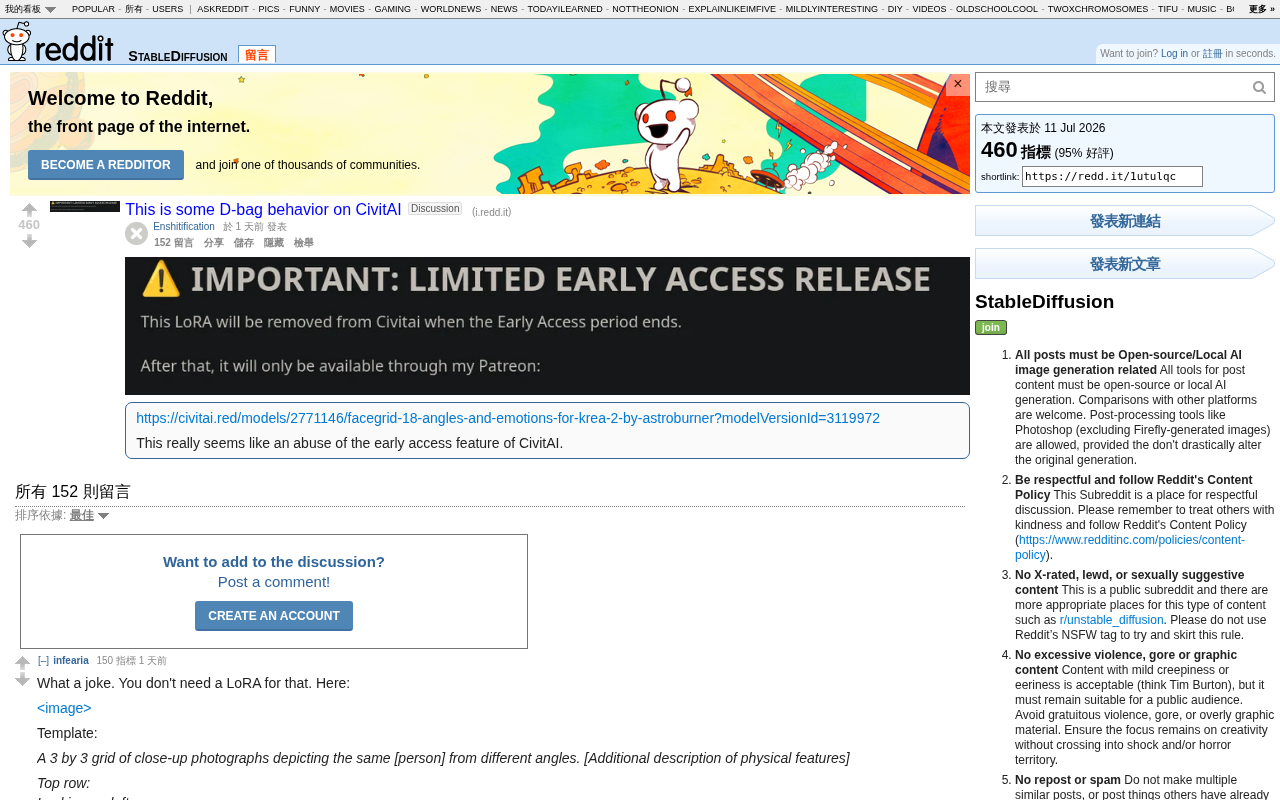
The CivitAI Early Access Controversy: Where Is the Boundary Between Open-Source Ethos and Commercialization?
CivitAI's paid "Early Access" mechanism has sparked heated debate on Reddit: should functional models stay locked behind paywalls long-term? An in-depth look at creator monetization, community consensus, and platform responsibility.
Read more →
Alibaba Open-Sources Code Review Tool …
·5 min
Alibaba Open-Sources Code Review Tool open-code-review: Deterministic Pipeline + LLM Dual-Engine Analysis
Alibaba open-sources code review tool open-code-review, using a hybrid architecture of deterministic rule pipelines and LLM Agents. Supports line-level comments, OpenAI/Anthropic APIs, battle-tested at Alibaba scale, written in Go, fully free and open-source.
Read more →

·7 min
Context Engineering: A Systematic Approach to Stop AI Agents from 'Talking Nonsense'
Context engineering is the core methodology for building efficient AI Agents, covering query enhancement, RAG retrieval, prompt design, memory management, and tool invocation. Master Write, Select, Compress, and Isolate to solve LLM hallucination at its root.
Read more →

·6 min
The Boundaries of AI Coding: When Should You Show Yourself a Red Card?
As AI coding assistants like Codex become standard, the risks of overreliance grow too. Learn when developers should "show a red card," reclaim control, and safeguard code quality and responsibility.
Read more →

·3 min
Andrew Ng's Prompting Course: 4 Key Differences Between AI Beginners and Power Users
Andrew Ng's AI prompting course: 4 key differences between beginners and power users — from context input to iterative writing workflows and beating sycophancy.
Read more →
A Testing Incident Reveals Why Power U…
·2 min
A Testing Incident Reveals Why Power Users Are Quietly Abandoning GPT's Flagship Model
An OpenAI Ultra mode testing accident reveals a power user had quietly abandoned GPT-5.6 weeks earlier for Fable. A deep dive into how professionals choose AI models.
Read more →
Code Review Graph: Using Intelligent C…
·3 min
Code Review Graph: Using Intelligent Code Graphs to Deliver Precise Context for AI
Code Review Graph is a local-first open-source code intelligence graph supporting MCP and CLI. It reduces AI context noise in large repos with persistent graph structures.
Read more →