#zero external dependency
325 related articles
The Grepathy Incident: The Risks of AI…
·2 min
The Grepathy Incident: The Risks of AI Acting Unilaterally and Where to Draw the Line
The Grepathy incident on Hacker News reveals the risks of AI agents acting without approval. A deep dive into autonomous AI decision-making, Human-in-the-Loop design, and where to draw the line.
Read more →

·2 min
How Large a Local LLM Can You Run on a Laptop with 8GB VRAM? A Configuration Guide
Complete guide to running local LLMs on a laptop with 8GB VRAM: real usable memory, quantization estimation, Q4 7B/8B model recommendations, Ollama setup, GPU offloading, and agent development tips.
Read more →
Cross-Platform MicroVM Sandbox: Runnin…
·3 min
Cross-Platform MicroVM Sandbox: Running AI-Generated Code Safely in Isolated Environments
Explore cross-platform MicroVM sandbox technology supporting Windows/Mac/Linux with a built-in policy engine for fine-grained access control in AI Agent and multi-tenant code execution scenarios.
Read more →
How a Single Word in a Prompt Can Shap…
·2 min
How a Single Word in a Prompt Can Shape AI Output: The Well of Possibilities Explained
How does a single word in a prompt affect LLM output? This deep dive explains autoregressive generation, probability shifts, and practical tips for neutral prompting.
Read more →
Latent Reasoning: The Next-Generation …
·3 min
Latent Reasoning: The Next-Generation AI Reasoning Paradigm Beyond Chain of Thought
Is CoT really AI 'thinking'? This deep dive covers latent reasoning's rise — Coconut, HRM, BDH — and the core trade-offs between interpretability, efficiency, and governance in high-stakes AI.
Read more →

·3 min
Zer0Fit: Connecting Google's TabFM and TimesFM to LLM Chat Interfaces via MCP
Zer0Fit wraps Google's TabFM and TimesFM foundation models as MCP servers, letting users run classification, regression, and time series forecasting through a local LLM chat interface — no ML code required.
Read more →

·6 min
A Beginner's Guide to Claude Code: Why Is It More Powerful Than Cursor and Trae?
Claude Code is Anthropic's local AI programming assistant that reads your entire codebase, auto-debugs, and delivers far higher accuracy than Cursor and Trae. Here's why it's the strongest AI coding tool today.
Read more →

·6 min
GPT-5.6 vs Grok 4.5 on the Same Day: A Packed Week of Flagship AI Model Launches
OpenAI's GPT-5.6 launches with Sawa, Terra, and Luna sub-models the same day as Musk's Grok 4.5, while Anthropic, Meta, and NVIDIA make their moves. A packed week of flagship AI launches.
Read more →

·4 min
A Deep Dive into ASP.NET Core: The Complete Guide to Microsoft's Cross-Platform Web Framework
A comprehensive analysis of ASP.NET Core's architecture and technical strengths: cross-platform deployment, high-performance Kestrel server, modular middleware, built-in DI, and modern web capabilities like Blazor, gRPC, and SignalR.
Read more →
·3 min
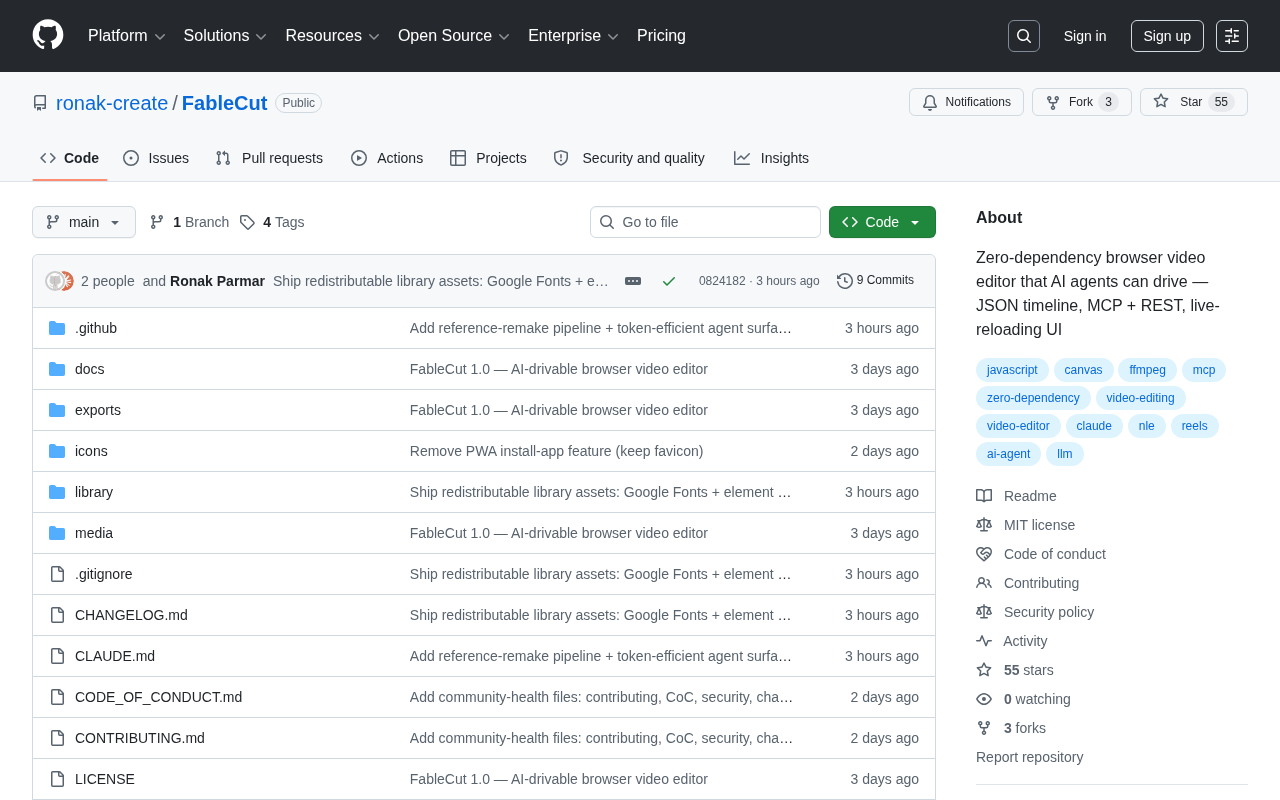
FableCut: A Zero-Dependency Browser Video Editor Built for AI Agents
FableCut is an open-source browser video editor built on a zero-dependency architecture and programmable AI-agent-driven design. A deep dive for AI automation developers.
Read more →

·4 min
Home Assistant: The Local-First Open Source Smart Home Platform That Puts Privacy and Freedom First
Home Assistant is the most mature open source smart home hub, prioritizing local control and privacy, supporting thousands of devices across ecosystems with 88,000+ GitHub stars.
Read more →

·4 min
The Complete AI Agent Development Learning Path: From Zero to Enterprise-Grade Practice
A systematic AI Agent development learning path covering fundamentals, prompt engineering, tool calling, multi-agent collaboration, and hands-on practice with LangChain, CrewAI, and Dify.
Read more →

·7 min
Breaking Down the Core Skills of an AI Application Engineer: From Beginner to Industrial-Grade Deployment
Knowing how to call an API doesn't make you an AI engineer. This article breaks down the complete skill structure of an AI application engineer, covering Python fundamentals, LLM fine-tuning, Agent development, and enterprise projects.
Read more →

·4 min
TomoAI vs Daimon: An In-Depth AI Companion Comparison — Which One Is Worth Sticking With?
An in-depth comparison of AI companion apps TomoAI and Daimon: conversation experience, long-term memory, cross-platform support, and pricing to help you find the right AI companion.
Read more →

·3 min
Open-Source Writing App Hammer Seeks Translation Volunteers — No Coding Skills Required
Hammer is an MIT-licensed, local-first open-source story writing tool available cross-platform. Facing a localization manpower shortage, it seeks translation volunteers via Crowdin — no coding needed. Chinese localization remains a blank slate.
Read more →

·4 min
Testing a Research Automation Agent: Zero-Shot Reproduction of a NeurIPS Paper End-to-End
Testing research automation agent Klaus Goh: full reproduction of IBM's TTM time series paper at NeurIPS—from search to zero-shot inference, 2700+ predictions in 10 seconds, MSE 0.363 beating TimesFM.
Read more →

·2 min
ComfyUI MCP: AI Autonomously Builds Workflows, Generate Images Locally with a Single Sentence
The open-source ComfyUI MCP project uses Anthropic's MCP protocol to let LLMs like Claude directly control ComfyUI node graphs—describe needs in natural language, AI auto-builds the workflow, and renders locally on your GPU. Zero-click AI image generation.
Read more →
·4 min
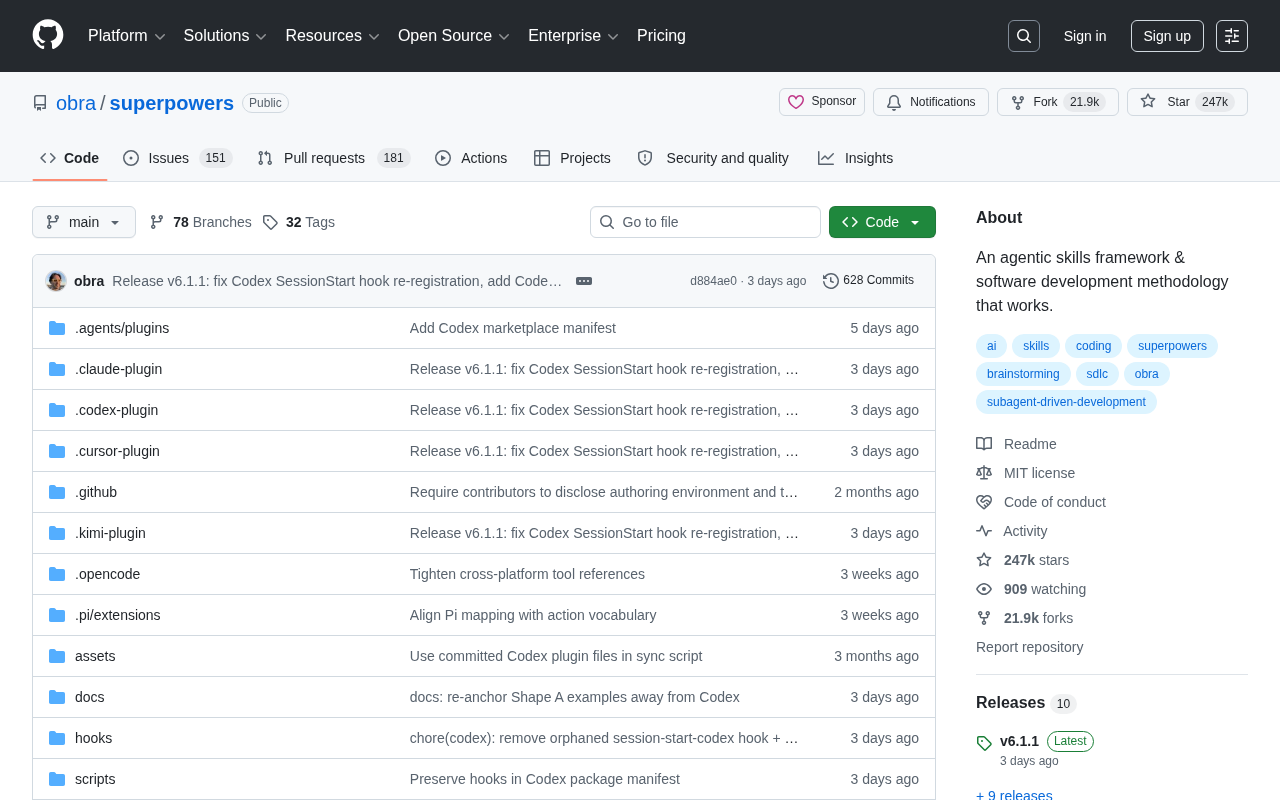
Superpowers: Enabling AI Agents to Truly Master Software Development Methodology
Superpowers is a trending GitHub project that builds an agentic skills framework with Shell scripts, injecting software engineering methodology into AI coding workflows. A deep dive into its architecture and value.
Read more →

·5 min
GPT-5.6 Launches: Comprehensive Upgrades to ChatGPT Work, Sites, and Desktop Client
OpenAI releases the GPT-5.6 model family, launching enterprise-focused ChatGPT Work, one-click ChatGPT Sites, and a major desktop client upgrade, with coding now ahead of rivals. Meta, Google, and Kimi follow intensively.
Read more →
·4 min
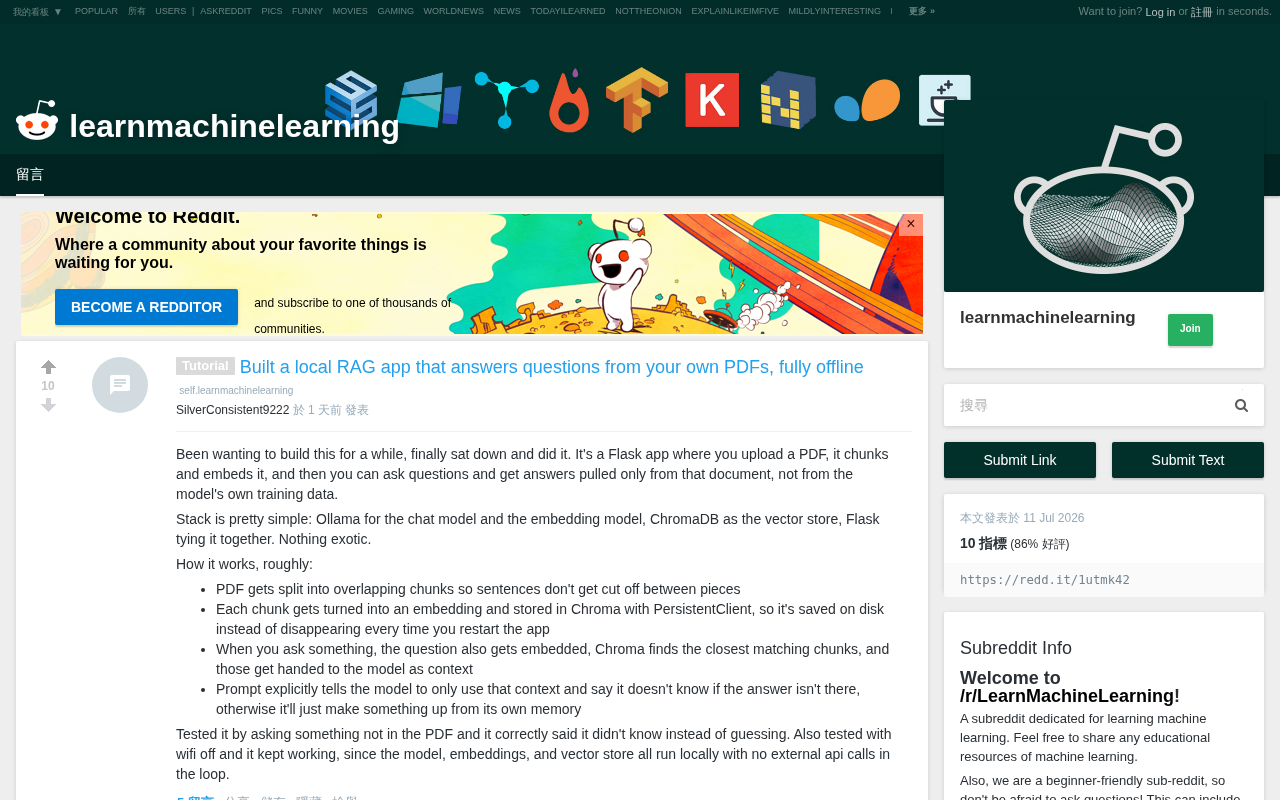
Building an Offline RAG Application from Scratch: A Complete Guide to a Private PDF Knowledge Base
A step-by-step breakdown of building a local RAG app: Ollama local models + ChromaDB vector database + Flask, enabling PDF document Q&A, fully offline operation, and zero data leakage. Perfect for developers new to RAG.
Read more →