#ATS resume optimization
61 related articles

·4 min
New York Times Accuses OpenAI of Concealing Evidence, Escalating ChatGPT Copyright Lawsuit
The New York Times and other publishers accuse OpenAI of withholding key tools and datasets in the ChatGPT copyright lawsuit, filing a sanctions motion. A deep analysis of the Discovery dispute, AI training data copyright dilemmas, and implications for AI industry compliance.
Read more →

·5 min
Building DeepSeek Agents and Knowledge Bases from Scratch: A Practical Guide to Commercial Deployment
A systematic guide to the full DeepSeek Agent development process: covering prompt engineering, the ReAct framework, workflow orchestration, local deployment, and business requirement breakdown for commercial-ready AI Agents.
Read more →
·4 min
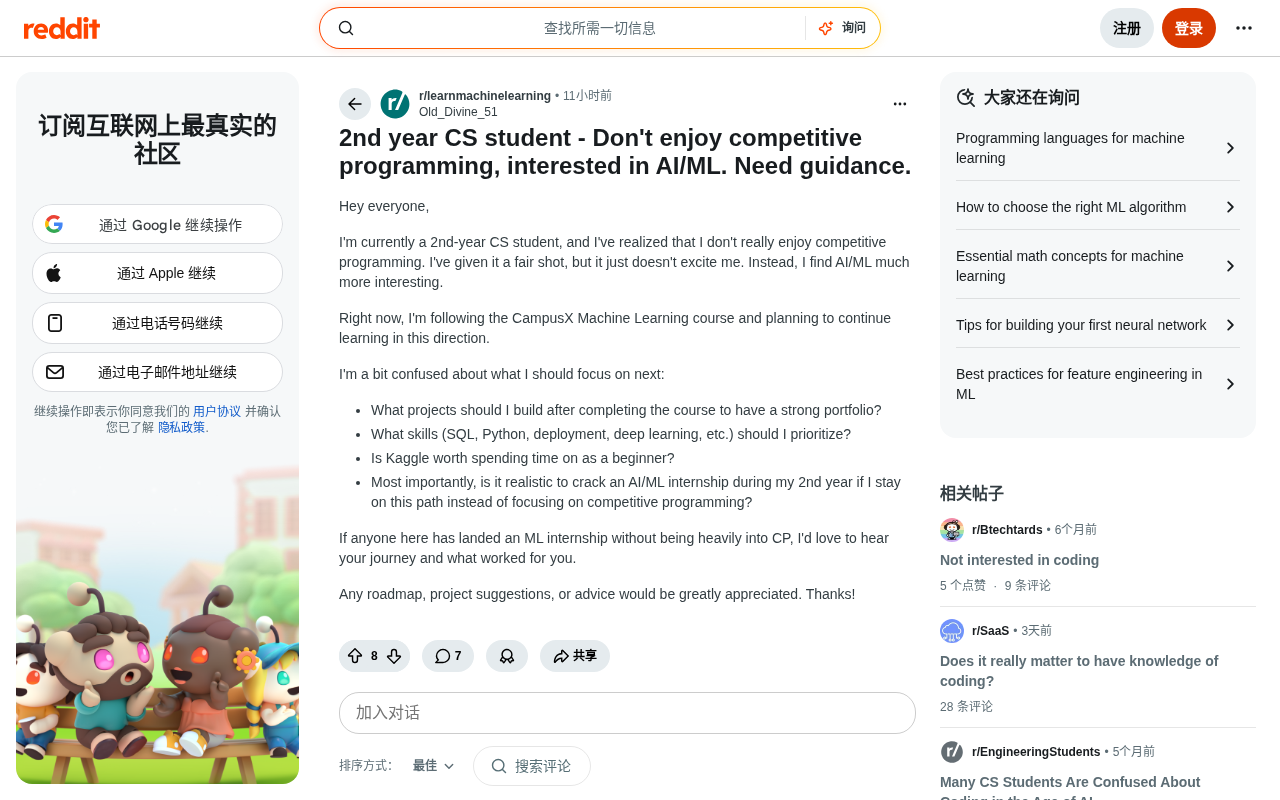
No Competitive Programming Required: How CS Students Can Pivot to AI/ML and Land Internships
How can CS students who dislike competitive programming systematically pivot to AI/ML? This guide covers skill priorities (Python/SQL/ML/deployment), portfolio strategy, Kaggle tips, and real paths to landing AI/ML internships.
Read more →

·3 min
Inside the ML Engineer Coding Assessment at Top US Tech Companies: What's Tested and How to Prepare
A firsthand account shared on Reddit reveals what a machine learning engineer online assessment (OA) at a top US tech company is really like. This article breaks down OA modules, role differences, and prep strategies for FAANG job seekers.
Read more →

·5 min
Java Backend Interview Sprint: A Systematic Methodology From Rote Q&A to Scenario Questions
How can you prepare efficiently for a Java backend interview? This article breaks down the core methodology of "process-driven interview engineering," covering resume optimization, understanding principles, scenario analysis frameworks, and production troubleshooting.
Read more →

·7 min
50 AI Research Job Applications to FAANG, 0 Replies? Unpacking the Truth Behind the Job Search Struggle
An AI research engineer with 3 years of experience sent 50 applications to FAANG with zero replies. This article breaks down the hidden barriers of top-tech AI roles, the truth about LinkedIn ghost jobs, and the MLE vs. Research Engineer divide.
Read more →

·6 min
Databricks Agent Framework in Practice: A Guide to ChatAgent Wrapping and Production Deployment
A deep dive into Databricks Agent Framework (Mosaic AI): unify LangGraph/OpenAI agents via ChatAgent, log & evaluate with MLflow, version with Unity Catalog, and deploy Model Serving Endpoints for production AI agents.
Read more →
·7 min
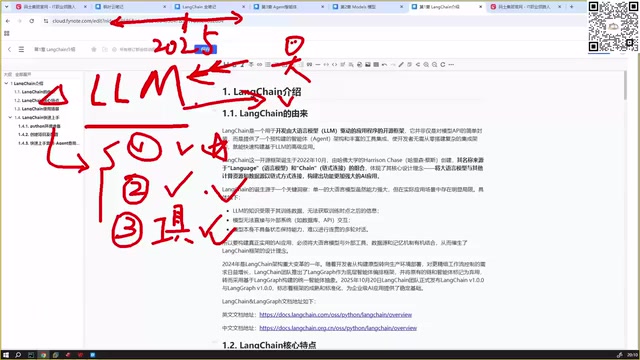
LangChain Hands-On Guide: From LLM Calls to Agent Development
Master LangChain from scratch: the three limitations of LLMs, init_chat_model unified interface config, the Message type system, and the path from LLM calls to Agent development.
Read more →

·7 min
6 Core Standards of a High-Value Agent Project That Impress Interviewers
Most Agent projects lack competitiveness in interviews due to missing business value and engineering depth. This article breaks down the 6 core standards of high-value Agent projects.
Read more →

·4 min
Career Switch to LLM Development: A Four-Level Skill Progression Roadmap
Want to switch careers into LLM development but don't know where to start? This guide breaks down a four-level skill roadmap — from basics and API calls to RAG, fine-tuning, Agent development, and multimodal — to help you build real AI career value.
Read more →

·7 min
A Java Developer's Guide to AI: Framework Selection and Practical Tutorial for LangChain4J
As LLM costs keep falling, how can Java developers seize the AI opportunity? This article explores LangChain4J's core capabilities, supported models and vector databases, and compares LangChain4J vs. Spring AI to help you build local knowledge bases and intelligent customer service systems.
Read more →

·7 min
Electron + LangGraph in Practice: Building an AI Agent Visual Orchestration App from Scratch
A hands-on guide to building an enterprise-grade AI Agent workflow orchestration app with Electron Forge and LangGraph, covering local LLM deployment (Qwen3-0.6B), node-based visual canvas design, and full Function Calling integration.
Read more →

·7 min
Building AI Agent Frameworks with TypeScript: The Core Development Paradigm for Full-Stack Developers
An in-depth look at why TypeScript is the top choice for AI Agent development: covering Zod structured output validation, LangGraph's graph state machine design, and a full learning path for front-end devs transitioning to full-stack AI.
Read more →

·2 min
Building an AI Public Opinion Monitoring Platform with 7 Agents: A Full-Stack LangGraph Deep Dive
A deep-dive into an AI public opinion monitoring platform built with LangGraph and LangChain, featuring 7 collaborative agents, ES vector search, email alerts, and automated report generation.
Read more →

·7 min
Getting Started with LangGraph Multi-Agent Development: Architecture Analysis and Three Practical Case Studies
Learn LangGraph multi-agent development covering Supervisor and Collaboration architectures, with three hands-on projects: code assistant, prompt assistant, and WebRTC digital human.
Read more →

·4 min
AI Agent Memory System Architecture Breakdown: A Practical Selection Guide from 16 Open-Source Projects
Deep analysis of memory system architectures across 16 open-source AI Agent projects including Hermes, Goose, NanoClaw, and Deerflow, covering FTS5 vs vector search, multi-tenant isolation, and LLM auto-extraction.
Read more →

·4 min
Deep Dive into Alibaba's AgentScope 2.0: Six Core Upgrades and Agent Design Patterns Explained
Deep analysis of Alibaba's AgentScope 2.0 multi-agent framework: six core upgrades including event systems, security interception, HITL, and workspace systems, plus ReAct vs Plan-and-Execute agent design patterns.
Read more →
·4 min
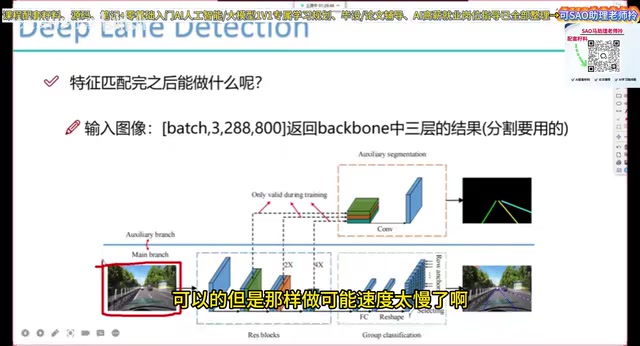
Deep Learning Lane Detection: From Segmentation to Classification for 300+ FPS Real-Time Inference
Deep learning lane detection algorithm that simplifies dense segmentation into efficient grid classification, achieving 300+ FPS real-time inference with row selection, Focal Loss, and expectation-based localization.
Read more →

·4 min
Sakana AI Enters the Defense Sector: How Generative AI Is Reshaping National Defense Software Development
Sakana AI launches Applied Team to bring generative AI to defense C2 systems and disinformation countermeasures. Deep dive into DDIL challenges, human-AI collaboration principles, and team culture.
Read more →

·2 min
A Complete Guide for Solo Developers to Build Profitable Apps from Scratch Using AI Tools
A solo developer used Vibe Coding to build an AI app earning $1,400/month in 23 days. Learn how to find validated ideas, choose tools, build MVPs fast, and generate recurring income.
Read more →